Von der ersten Anfrage bis zum Werksbesuch
Im Februar 2026, Ein Hersteller von Arzneimitteln und Nahrungsergänzungsmitteln aus Südafrika wandte sich über die englischsprachige Website des Unternehmens an Ruida Packing. Der Kunde war auf der Suche nach einer zuverlässigen Blisterverpackungs- und Kapselfüllanlage, die sowohl Tabletten als auch Kapseln verarbeiten und gleichzeitig strenge GMP-Standards erfüllen kann.
Verkaufsleiterin Emmy antwortete innerhalb 2 Protokoll, Vorstellung der pharmazeutischen Verpackungslösungen von Ruida Packing und Bereitstellung detaillierterer Informationen über die DPP-Serie des Unternehmens Blisterverpackungsmaschinen und Kapselfüllgeräte, einschließlich kompatibler Blisterverpackungsmaterialien wie PVC, Aluminiumfolie, und Aluminium-Aluminium-Materialien, Unterstützte Blistergrößen, Maschinenleistungskapazität, und Anwendungen für Tabletten und Kapseln. Emmy erklärte außerdem, dass die Kapselfüllmaschinen unterschiedliche Füllmaterialien wie Pulver und Granulat verarbeiten können, einschließlich Materialien mit unterschiedlichen Fließeigenschaften, Bei gleichzeitiger Beibehaltung einer stabilen Füllgenauigkeit und einer zuverlässigen Produktionsleistung.
In den folgenden Wochen, Beide Seiten führten mehrere Online-Meetings durch und tauschten technische Dokumente aus, um die Produktionsanforderungen des Kunden eingehend zu besprechen.
Das technische Team des Kunden teilte Details zu seinen Produkten mit, einschließlich Kapselgrößen im Bereich von #00 Zu #4, Tablet-Spezifikationen, und Verpackungsmaterialien wie PVC/Aluminiumfolie und Aluminium-Aluminium-Kaltformmaterialien für feuchtigkeitsempfindliche Produkte. Nach Überprüfung der Bedürfnisse des Kunden, Das Ingenieurteam von Emmy und Ruida Packing empfahl drei Schlüsselmaschinen: die DPP-270 Aluminium-Kunststoff-Blisterverpackungsmaschine, die DPP-180 Aluminium-Kunststoff-Blisterverpackungsmaschine, und die Halbautomatische Kapselfüllmaschine.
Dem Kunden war vor allem daran gelegen, einen langfristigen Ausrüstungspartner zu finden und nicht nur einzelne Maschinen zu kaufen. Im Anschluss an mehrere produktive Fachgespräche, Die südafrikanische Delegation beschloss, im Mai das Werk von Ruida Packing in Guangzhou zu besuchen, um eine umfassende Vor-Ort-Bewertung durchzuführen.
CLink Bedenken rund um Flexibilität, Kapazität, und Compliance
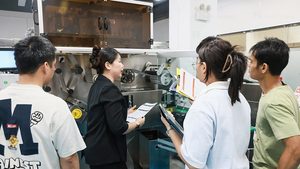
Am Mai 13, Die südafrikanische Delegation traf in der Produktionsanlage von Ruida Packing ein, wo sie von Emmy begrüßt wurden. Katie unterstützte uns während des gesamten Besuchs als Übersetzerin, während Ingenieur Chen die technischen Demonstrationen leitete und betriebliche Fragen beantwortete.
Der Kunde konzentrierte sich auf drei Schlüsselbereiche: Produktionsflexibilität, Gerätekapazität, und GMP-Konformität.
Schnelle Produktwechsel für Anders Produktion
Der Kunde erklärte, dass seine Produktionsanlage eine breite Palette von Tabletten- und Kapselprodukten verarbeitet, erfordern häufige Format- und Formwechsel. Die Minimierung von Ausfallzeiten bei Produktwechseln war eine ihrer obersten Prioritäten.
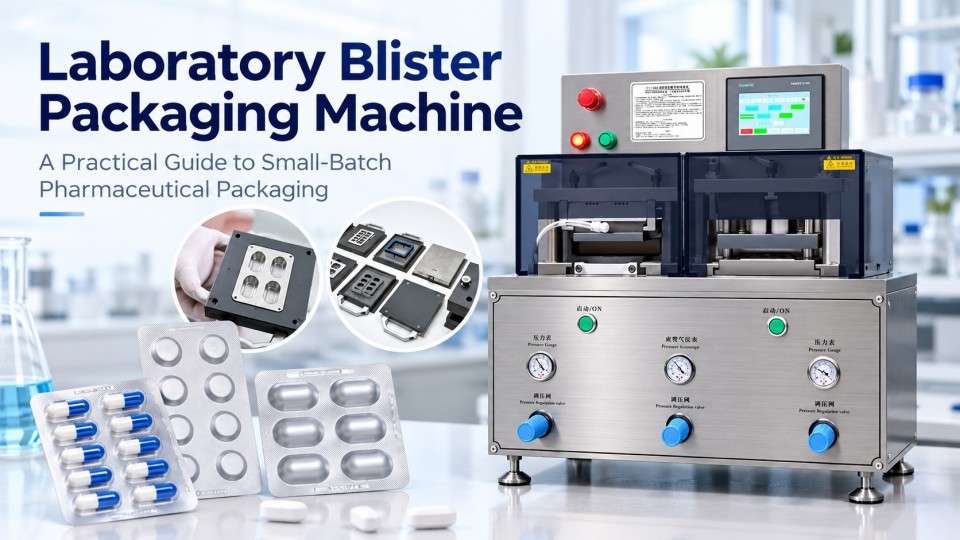
Emmy erklärte, dass die Blisterverpackungsmaschine DPP-270 mit einem Schnellwechsel-Formsystem ausgestattet ist, das den Wechsel zwischen Produkten vereinfacht. Die Formung, Versiegelung, Prägung, und Stanzstationen nutzen ein einheitliches Positionierungssystem, So können die Bediener den Formwechsel in etwa durchführen 15 Protokoll. Skalenindikatoren und modulare Einstellpunkte machen den Prozess außerdem konsistenter und wiederholbarer.
Für das Modell DPP-180, Emmy hob sein kompaktes Design und die ähnliche Schnellwechselstruktur hervor, Dadurch eignet es sich besonders für mittelgroße Produktionsmengen und häufige Chargenwechsel.
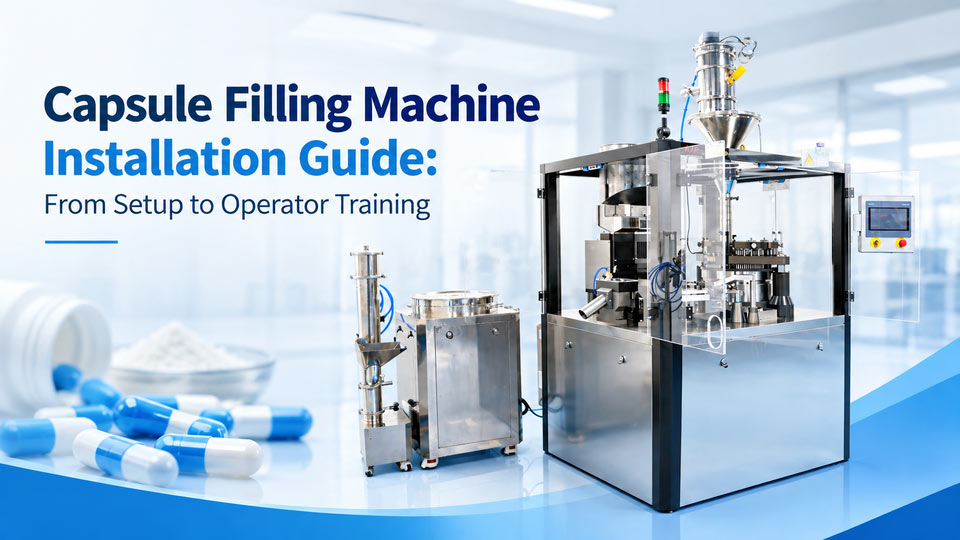
Der Kunde fragte auch nach der Flexibilität der Kapselfüllmaschine. Ingenieur Chen erklärte, dass die halbautomatische Kapselfüllmaschine Kapselgrößen von unterstützt #00 Zu #5 und ermöglicht schnelle Umrüstungen durch Austausch der Formplatte und Anpassung des Dosiersystems.
Produktionskapazität und langfristige Skalierbarkeit
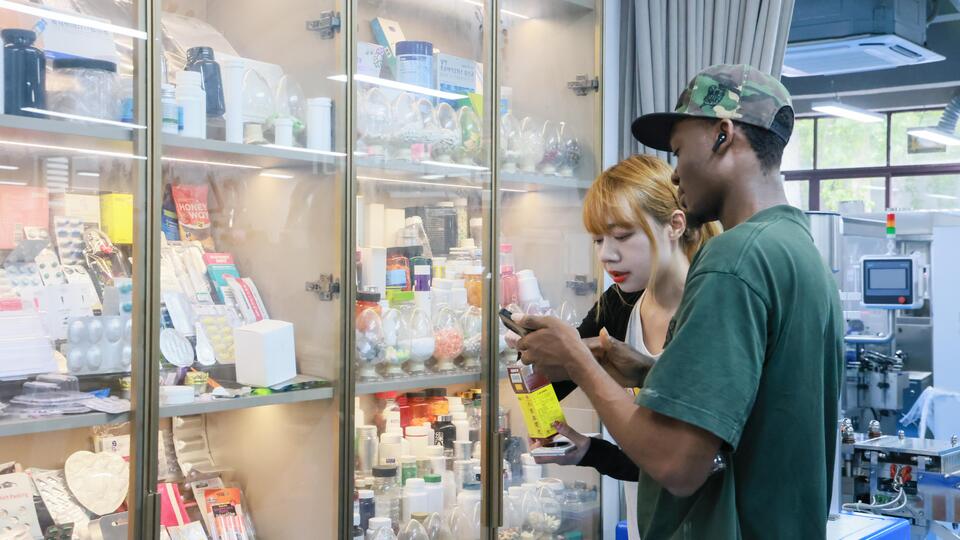
Das südafrikanische Team wollte außerdem sicherstellen, dass die Ausrüstung sowohl ihre aktuellen Produktionsanforderungen als auch zukünftige Expansionspläne unterstützen kann.
Emmy stellte für jedes Modell Ausstattungsparameter zur Verfügung. Sie erklärte, dass die Blisterverpackungsmaschine DPP-270 Leistungen von bis zu erreichen kann 11,200 Teller pro Stunde, Damit ist es ideal für mittlere- bis hin zur pharmazeutischen Großproduktion. Der DPP-180 bietet eine kompaktere Lösung für kleinere Produktionsläufe und Pilotprojekte, mit typischen Ausgängen von 3,600 Zu 4,800 Platten pro Stunde, abhängig von Produktspezifikationen und Verpackungsmaterialien.
Zur Kapselherstellung, Die halbautomatische Kapselfüllmaschine bietet Ausstoßleistungen zwischen 10,000 Und 20,000 Kapseln pro Stunde, Dies macht es zu einer praktischen Option für kleine Kinder- und mittelständische Pharmahersteller.
GMP-Konformität und pharmazeutische Standards
Ein weiteres wichtiges Thema des Treffens war die Einhaltung gesetzlicher Vorschriften. Da der Kunde in einem regulierten pharmazeutischen Umfeld tätig ist, Sie brauchten die Gewissheit, dass die Ausrüstung den GMP-Anforderungen und den südafrikanischen Pharmastandards entsprechen würde.
Emmy erklärte, dass alle pharmazeutischen Geräte von Ruida Packing unter Berücksichtigung der GMP-Konformität entwickelt wurden. Die Blisterverpackungsmaschinen DPP-270 und DPP-180 sind aus Edelstahl gefertigt, Alle produktberührten Komponenten bestehen aus Edelstahl SUS316, um den pharmazeutischen Hygieneanforderungen gerecht zu werden.
Der Kunde wurde außerdem darüber informiert, dass Ruida Packing ISO erhalten hat, CE, und SGS-Zertifizierungen und befolgt während der gesamten Produktion strenge Qualitätsmanagementverfahren, Montage, Inspektion, und testen.
Live-Demonstration der Blisterverpackungsmaschine DPP-270
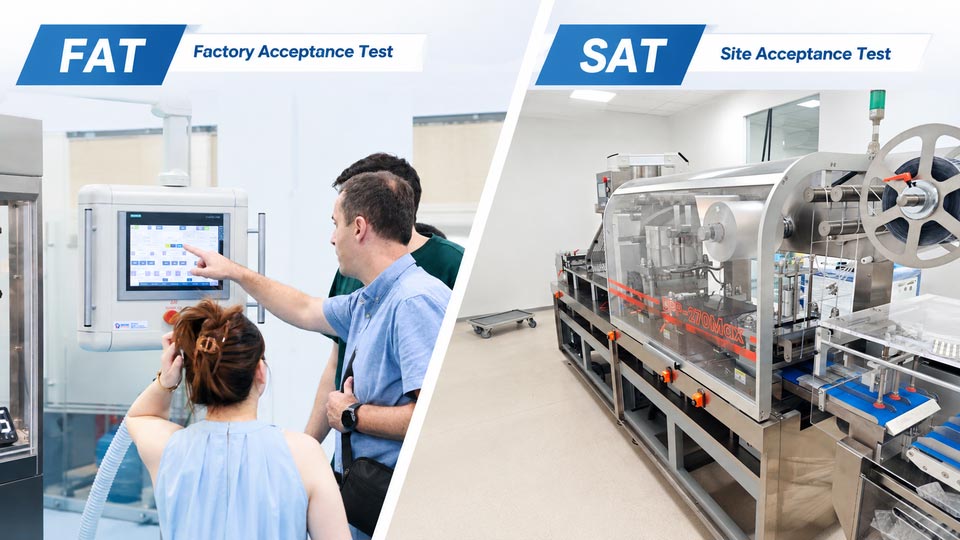
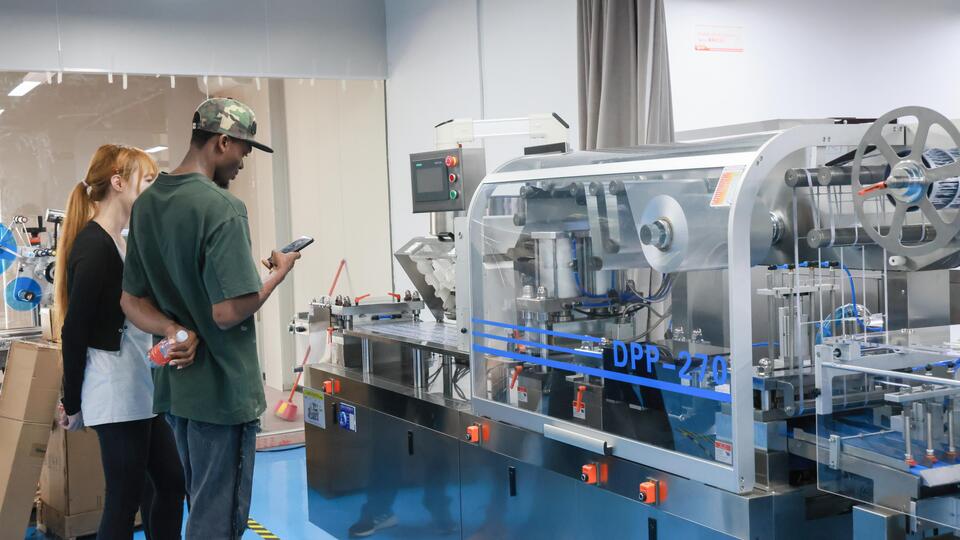
Bei der ersten Vorführung wurde die Aluminium-Kunststoff-Blisterverpackungsmaschine DPP-270 vorgestellt. Sobald die Maschine anfing zu laufen, Der Kunde beobachtete den komplett automatisierten Prozess, einschließlich PVC-Folienbildung, Tablettenfütterung, Keimenversiegelung, Prägung, und Schlagen.
Der Kunde beobachtete die Betriebsstabilität der Maschine und den gesamten Produktionsfluss genau. Während der Demonstration, Sie fragten, wie die Maschine eine konstante Formtiefe über verschiedene Blisterkavitäten hinweg aufrechterhält.
Ingenieur Chen erklärte, dass die Maschine unabhängig gesteuerte Heizzonen und ein servogetriebenes Formsystem verwendet, Dadurch bleibt die Genauigkeit der Hohlraumtiefe innerhalb von ±0,1 mm. Außerdem demonstrierte er die digitale Steuerschnittstelle und Echtzeit-Betriebsparameter.
Der Kunde fragte dann, ob die Maschine Aluminium-Aluminium-Kaltformmaterialien für feuchtigkeitsempfindliche Pharmaprodukte verarbeiten könne. Ingenieur Chen bestätigte, dass sowohl der DPP-270 als auch der DPP-180 die Verpackungsformate PVC/Aluminium und Aluminium-Aluminium unterstützen, mit schnellem Wechsel zwischen Materialarten.
Die Blisterverpackungsmaschine DPP-180 beweist kompakte Effizienz
Die nächste Vorführung konzentrierte sich auf die Aluminium-Kunststoff-Blisterverpackungsmaschine DPP-180.
Obwohl kompakter als der DPP-270, Die Maschine zeigte das gleiche Maß an Präzision und Betriebsstabilität. Ingenieur Chen erklärte, dass sich der DPP-180 besonders für kleinere Produktionsräume eignet, Pilotproduktion, und R&D-Anwendungen.
Der Kunde fragte, wie sich die Maschine bei häufigen Produktwechseln und Kleinserienproduktionen verhält. Ingenieur Chen erklärte, dass das Schnellwechsel-Formsystem und das servobetriebene Traktionssystem es den Bedienern ermöglichen, auch bei häufigen Produktionsanpassungen eine stabile Leistung und genaue Positionierung aufrechtzuerhalten.
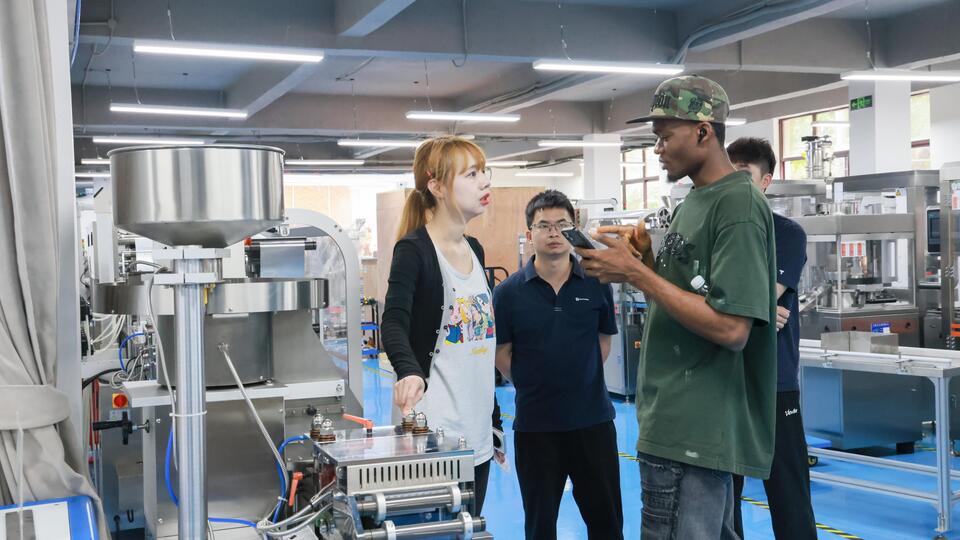
Halbautomatische Kapselfüllmaschine erhält positives Feedback
Die letzte Vorführung umfasste die halbautomatische Kapselfüllmaschine.
Ingenieur Chen demonstrierte den kompletten Füllvorgang, inklusive Kapselladung, Trennung, Pulverfüllung, Kapselverschluss, und Produktaustrag.
Die Delegation fragte nach Reinigungsverfahren zwischen verschiedenen Produkten. Ingenieur Chen demonstrierte, wie der modulare Aufbau der Maschine es dem Bediener ermöglicht, wichtige Komponenten zur Reinigung und Wartung schnell zu demontieren, Unterstützung von Pharmaherstellern bei der Reduzierung des Kreuzkontaminationsrisikos.
CLink Drückt starkes Vertrauen aus Lärm Verpackungsausrüstung
Zum Abschluss des Besuchs, Die südafrikanische Delegation gab ein äußerst positives Feedback sowohl zur Ausrüstung als auch zur Professionalität des Ruida Packing-Teams.
Der Kunde gab an, dass die Blisterverpackungsmaschine DPP-270 eine beeindruckende Produktionsgeschwindigkeit lieferte, Präzision, und Automatisierungsleistung. Sie lobten den DPP-180 auch für seine Flexibilität und Eignung für kleinere Produktionsumgebungen.
Die halbautomatische Kapselfüllmaschine wurde für ihre Zuverlässigkeit ausgezeichnet, benutzerfreundliche Bedienung, und kostengünstiges Design.
Über die Ausrüstung selbst hinaus, Der Kunde schätzte die Professionalität des gesamten Ruida Packing-Teams. Emmys klare Kommunikation, Katies Übersetzungsunterstützung, und die detaillierten technischen Erklärungen von Ingenieur Chen trugen alle zu einem reibungslosen und produktiven Besuch bei.
Lärm Packing baut seine Präsenz auf den globalen Pharmamärkten weiter aus
Von der ersten Beratungsphase bis hin zu Live-Fabrikvorführungen und technischen Diskussionen, Ruida Packing demonstrierte seinen kundenorientierten Ansatz, starke technische Fähigkeiten, und Engagement für eine langfristige Serviceunterstützung.
Mit mehr als 10 Jahren Branchenerfahrung, ein professionelles Engineering- und Entwicklungsteam, und Ausrüstung, die in Märkte in ganz Asien exportiert wird, Europa, die Vereinigten Staaten, und Afrika, Ruida Packing baut seinen Ruf als vertrauenswürdiger Lieferant von pharmazeutischen Verpackungs- und Kapselfüllanlagen weltweit weiter aus.