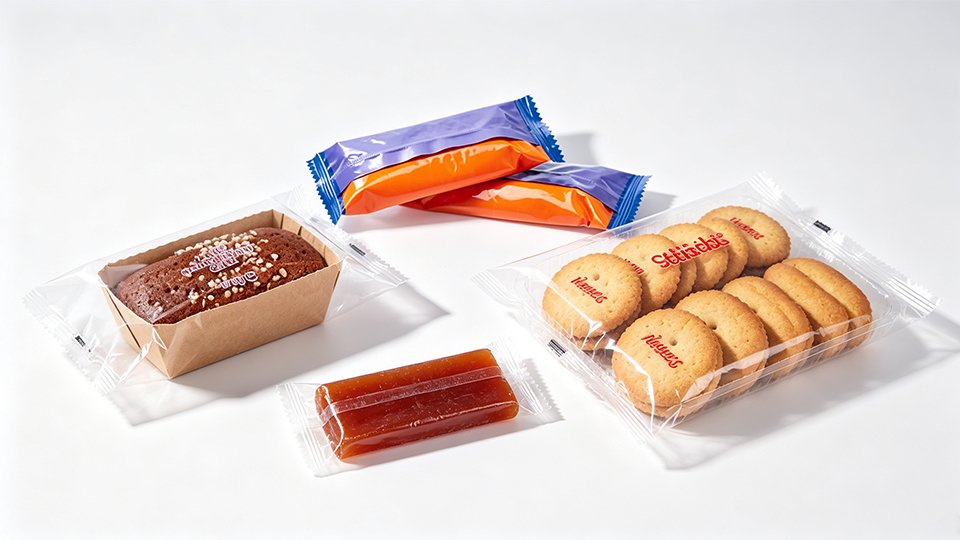
Túi đựng gối có mặt khắp nơi trong cuộc sống hàng ngày của chúng ta. Cho dù khoai tây chiên, quả hạch, thanh sô cô la hoặc các món ăn nhẹ khác, loại bao bì này được sử dụng rộng rãi. Bạn đã bao giờ thắc mắc túi đựng gối được làm như thế nào?
Bao bì túi gối được sử dụng rộng rãi trong ngành thực phẩm và thực phẩm bổ sung sức khỏe, chế tạo máy đóng túi gối đáng tin cậy là thiết bị cần thiết cho nhiều nhà sản xuất. Máy đóng gói dược phẩm hoặc máy đóng gói thực phẩm bổ sung chất lượng cao là chìa khóa để đảm bảo mọi túi gối đều được niêm phong và kín khí hoàn hảo. Bài viết này trình bày quy trình sản xuất túi đựng gối và đưa ra lời khuyên về việc lựa chọn máy làm túi đựng gối phù hợp.
Bài học chính
- Đặc điểm cấu tạo và ứng dụng dược phẩm phổ biến của túi gối.
- Phân tích từng bước về cách sản xuất túi đựng gối bên trong thiết bị.
- Những yếu tố cần thiết tạo nên thiết bị đóng bao kiểu gối chất lượng cao.
- Tại sao các nhà sản xuất chọn bao bì túi đựng gối thay vì các dạng khác.
- Cách đánh giá và lựa chọn máy đóng gói gối phù hợp.
1. Túi đựng gối là gì?
Một túi đựng gối, hoặc túi đựng gối, đúng như tên gọi của nó: một chiếc túi linh hoạt có hình dạng giống như một chiếc gối thu nhỏ. Nó được làm từ một cuộn màng đóng gói linh hoạt và có ba con dấu riêng biệt. Có seal phía sau chạy dọc xuống chính giữa, cùng với các con dấu trên và dưới cong. Vì loại bao bì này thường được sử dụng để đựng thực phẩm., các nhà máy chế biến thực phẩm thường bơm nitơ vào túi đựng gối để kéo dài thời hạn sử dụng của sản phẩm. Hình học tạo thành túi gối đơn giản này tạo ra sự kín khí, tiết kiệm, và vỏ bọc có tính thẩm mỹ.
Bất chấp đồ ăn, vậy túi đựng gối dùng để làm gì?
Trong lĩnh vực B2B, Túi đựng gối vô cùng linh hoạt. Khi thảo luận về bao bì túi gối cho dược phẩm và bao bì túi gối cho thực phẩm bổ sung, các nhà sản xuất chủ yếu sử dụng chúng để đóng gói Vỉ thuốc.
Ví dụ, Công ty dược phẩm Nichi-Iko, Ltd. ở Nhật Bản sử dụng bao bì gói gối như một trong những các dạng bao bì dược phẩm. “Gói Nichi-Iko” là gói nhỏ in tên thuốc và số lượng trực tiếp trên túi đựng gối, giúp khách hàng dễ dàng nhận biết thuốc hơn.
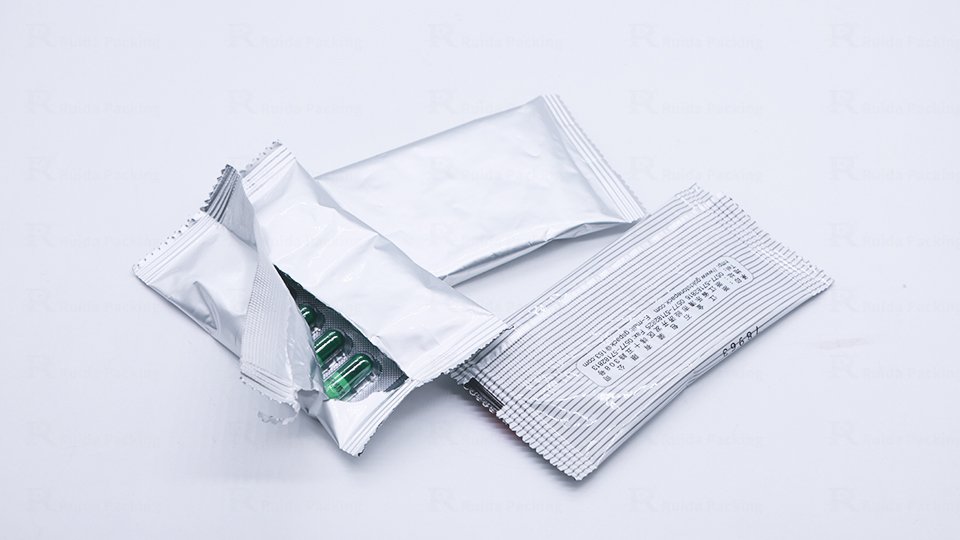
Tuy nhiên, túi đựng gối không phải là sự thay thế phổ biến cho vỉ hoặc chai. Đối với viên thuốc và viên nang, việc lựa chọn bao bì túi dược phẩm phụ thuộc vào các yếu tố như độ ẩm và độ nhạy oxy, yêu cầu về liều lượng, bảo vệ sản phẩm, hạn sử dụng, và các yêu cầu quy định.
2. Túi đựng gối được sản xuất như thế nào?
Những vật liệu nào được sử dụng để làm túi đựng gối?
Nền tảng của bao bì túi gối hiệu quả phụ thuộc hoàn toàn vào màng bao bì túi gối. Tùy thuộc vào yêu cầu rào cản, các nhà sản xuất thường sử dụng màng bao bì nhiều lớp, một lớp màng nhôm có rào cản cao, hoặc màng bao bì PET/PE. Những vật liệu này phải hoạt động như một màng dán nhiệt đáng tin cậy để đảm bảo tính toàn vẹn của gói hàng. Theo một 2023 báo cáo về thị trường bao bì linh hoạt, Ngành dược phẩm đang ngày càng áp dụng các loại phim có rào cản cao để kéo dài thời hạn sử dụng, nhấn mạnh vai trò quan trọng của việc lựa chọn chất liệu trong quy trình sản xuất túi gối.
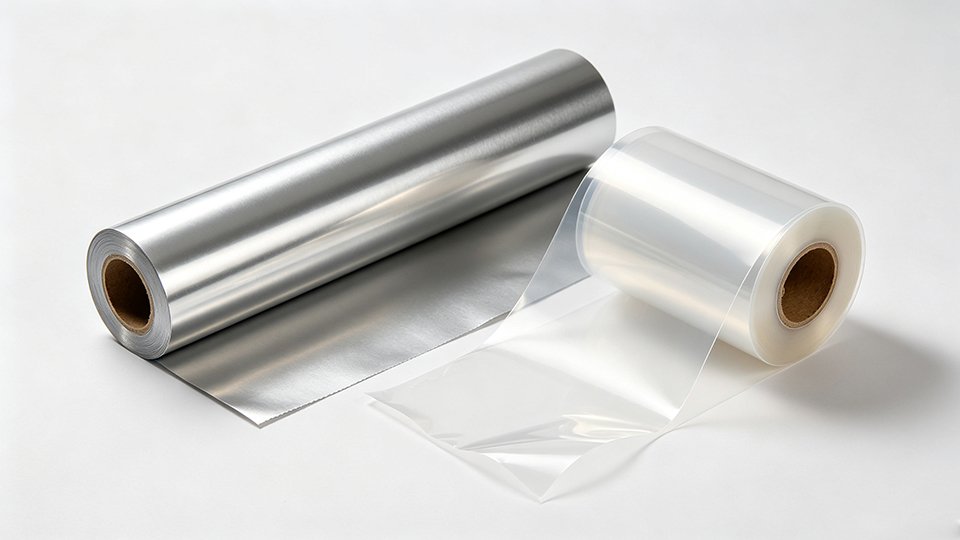
Quy trình làm túi gối
Vì thế, Chính xác thì túi đựng gối được làm như thế nào? Quy trình sản xuất túi đựng gối trên máy làm túi đựng gối tự động tuân theo trình tự tích hợp cao và liên tục:
- Cho ăn phim
Quá trình bắt đầu với việc cho ăn màng gối. Một cuộn màng bọc gối lớn được tháo ra và liên tục đưa vào máy quấn dòng chảy ngang. Hệ thống kiểm soát độ căng và dẫn phim duy trì việc theo dõi phim ổn định và đảm bảo định vị gói hàng chính xác.
- Cho ăn sản phẩm
Tiếp theo là cho ăn sản phẩm và làm đầy túi gối. Không giống như một máy đóng dấu dạng đứng, sản phẩm không bị rơi từ trên cao vào túi đã định hình sẵn. Thay vì, gói vỉ, thanh sô cô la hoặc các sản phẩm rắn khác được vận chuyển theo chiều ngang bằng băng tải hoặc hệ thống cấp liệu và được định vị chính xác trên màng bao bì. Phương pháp cấp liệu theo chiều ngang này đặc biệt phù hợp với những sản phẩm dược phẩm cần thao tác nhẹ nhàng.
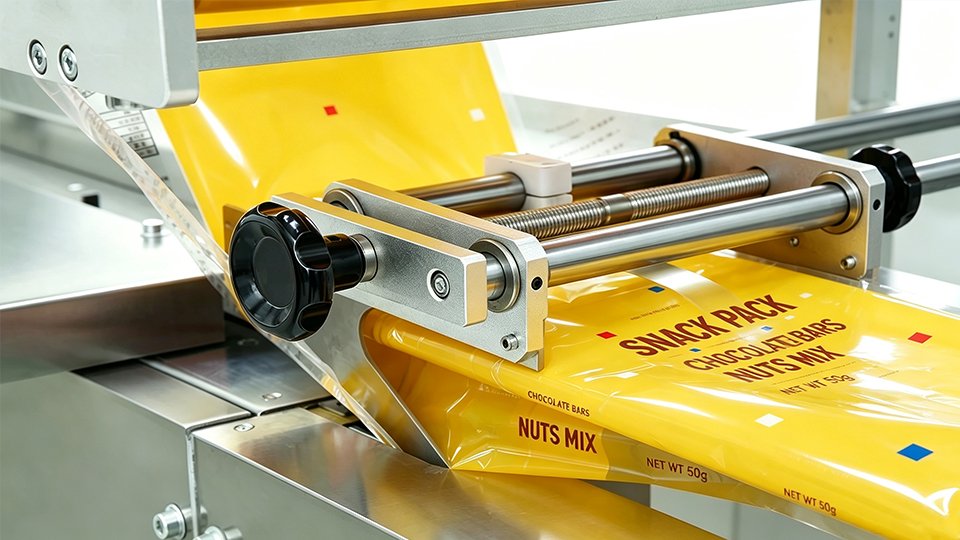
- Tạo phim, Lô số. In ấn & gói
Khi sản phẩm tiến về phía trước, màng bao bì được dẫn hướng xung quanh nó để tạo thành một gói hình ống liên tục. Vòng định hình đảm bảo màng vừa khít với sản phẩm trong khi vẫn duy trì kích thước gói hàng cần thiết. Trong khi bộ phim được kéo, nó sẽ đi qua máy in nơi số lô sẽ được in trên phim. Trong quy trình đóng gói gối ngang điển hình, sản phẩm di chuyển cùng với màng về phía phần niêm phong thay vì được đổ vào túi rỗng.
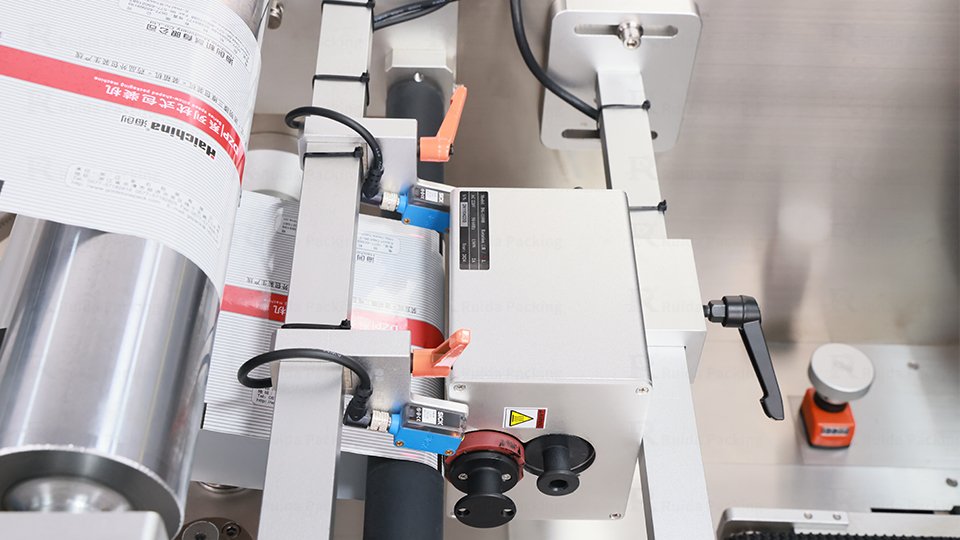
- xả nitơ
Dành cho các sản phẩm nhạy cảm với oxy hoặc cần được bảo vệ nâng cao trong quá trình bảo quản, hệ thống xả nitơ có thể được tích hợp vào máy đóng túi gối. Trước khi gói được niêm phong hoàn toàn, nitơ được đưa vào bao bì để thay thế một phần không khí bên trong. Điều này giúp giảm tiếp xúc với oxy và có thể hỗ trợ độ ổn định và thời hạn sử dụng của sản phẩm khi sản phẩm và vật liệu đóng gói yêu cầu.. Chức năng xả nitơ thường có thể được bật hoặc tắt tùy theo đặc tính sản phẩm và yêu cầu đóng gói.
- Niêm phong trở lại
Các mép chồng lên nhau của màng được ghép lại với nhau và bịt kín theo chiều dọc. Hệ thống hàn nhiệt áp dụng nhiệt và áp suất được kiểm soát để tạo ra lớp đệm kín liên tục ở mặt sau dọc theo gói hàng. Tùy theo cấu hình máy, con dấu dọc có thể được đặt ở phía dưới hoặc một mặt được chỉ định khác của túi gối đã hoàn thiện.
- Niêm phong trên và dưới
Khi sản phẩm được bọc đến trạm niêm phong cuối, hàm niêm phong ngang đóng màng giữa các sản phẩm liền kề. Điều này tạo ra dấu cuối của túi gối hiện tại và dấu đầu của túi tiếp theo. Nhiệt độ niêm phong túi gối thích hợp, áp lực , và thời gian niêm phong là rất cần thiết để đạt được độ bền niêm phong túi gối phù hợp.
- Cắt và xả
Cuối cùng, cơ cấu cắt tách các sản phẩm được bọc liên tục tại các khu vực kín, sản xuất gói gối riêng lẻ. Các gói dược phẩm hoặc dinh dưỡng thành phẩm sau đó được thải ra khỏi máy để kiểm tra thêm, đóng thùng, hoặc các hoạt động đóng gói thứ cấp khác.
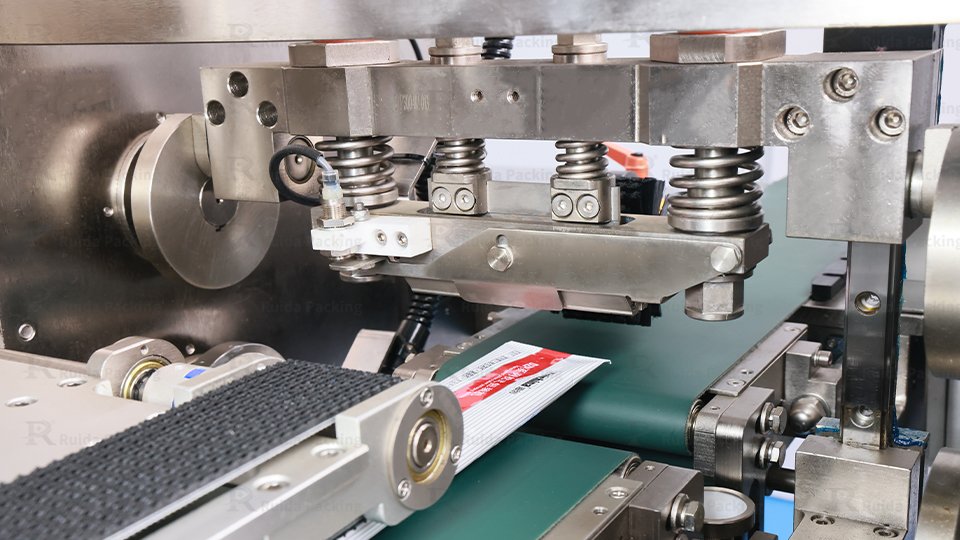
Trong một quy trình bao bọc dòng chảy ngang điển hình, cho ăn phim, cho ăn sản phẩm, tạo màng, gói, niêm phong, và cắt được tích hợp vào một hoạt động đóng gói liên tục. Cấu hình này đặc biệt phù hợp với các sản phẩm dược phẩm rắn như máy tính bảng, viên nang, và một số sản phẩm y tế nhỏ.
3. Tại sao nên sử dụng túi đựng gối để đóng gói?
Dành cho nhà sản xuất, giá trị của bao bì túi đựng gối không nằm ở ngành nào sử dụng nó mà quan trọng hơn ở cách định dạng này hoạt động trên sàn sản xuất.
Túi đựng gối được sản xuất từ cuộn màng dẻo liên tục. Trong một quy trình bao bọc dòng chảy ngang điển hình, sản phẩm được đưa theo chiều ngang, bọc trong phim, bịt kín theo chiều dọc, bịt kín cuối, và cắt thành từng gói riêng lẻ. Quá trình tạo hình và niêm phong túi tự động liên tục này làm cho túi đựng gối trở nên đặc biệt hấp dẫn khi các nhà sản xuất cần năng suất cao và xử lý màng đơn giản.
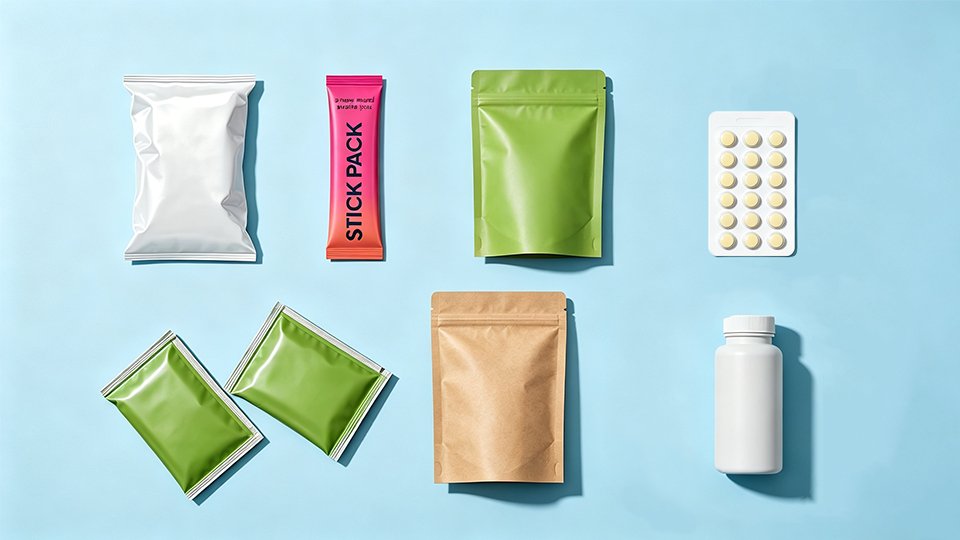
Tuy nhiên, Túi đựng gối chưa hẳn là sự lựa chọn tốt nhất cho mọi sản phẩm. Từ góc nhìn của một nhà sản xuất, the better question is how the format compares with other packaging options in terms of production speed, tiêu thụ vật liệu, equipment complexity, bảo vệ sản phẩm, changeover requirements, and downstream automation.
Table 2-Pillow Pouch vs. Other Packaging Formats
| Packaging Format | Production Characteristics | Main Advantage | Main Limitation |
| Pillow Pouch | Continuous roll-film wrapping and sealing | Nhanh, continuous wrapping | Not suitable for stand-up packaging |
| Gói dính | Multi-lane forming, điền vào, niêm phong, và cắt | Slim, single-dose packaging | Limited to narrow, small-dose packs |
| Gói | Usually three-side or four-side sealing around a measured dose | Đơn giản, compact single-dose pack | Less suitable for larger doses |
| Doypack | Pouch formed with a bottom gusset and often a zipper or spout | Stand-up and resealable | More complex and uses more material |
| Vỉ thuốc | Product is enclosed in preformed cavities and sealed with a lidding material | Unit-dose product protection | Yêu cầu thiết bị tạo hình chuyên dụng |
| Cái chai | Các container được lấp đầy, giới hạn, và thường được dán nhãn tự động | Đa liều và tái sử dụng | Thêm linh kiện và thiết bị đóng gói |
Từ góc nhìn của một nhà sản xuất, các định dạng đóng gói này chủ yếu khác nhau ở cách sản phẩm được cung cấp, gói được hình thành như thế nào, và những yêu cầu sản xuất mà thiết bị được thiết kế để xử lý. Bao bì túi gối sử dụng màng cuộn liên tục để bọc sản phẩm rắn theo chiều ngang, làm cho nó phù hợp với tốc độ cao, sản xuất liên tục. Gói và gói dính, ngược lại, được thiết kế chủ yếu cho bột được kiểm soát theo khẩu phần, hạt, hoặc chất lỏng và dựa vào hệ thống nạp và định lượng chuyên dụng. Doypack và túi làm sẵn tập trung nhiều hơn vào chức năng của túi, bài thuyết trình, và các tính năng như cấu trúc đứng, dây kéo, hoặc vòi.
Vỉ và chai lại phục vụ các mục tiêu sản xuất khác nhau. Các vỉ thuốc cung cấp các khoang riêng biệt cho liều đơn vị các sản phẩm, trong khi chai phù hợp hơn với các sản phẩm đa liều đòi hỏi phải đóng mở nhiều lần. Vì thế, nhà sản xuất không nên chọn hình thức đóng gói chỉ dựa vào hình thức bên ngoài. Sự lựa chọn bao bì bổ sung dinh dưỡng tốt hơn phụ thuộc vào dạng sản phẩm, phương pháp định lượng, tốc độ sản xuất yêu cầu, tiêu thụ vật liệu, đầu tư thiết bị, chức năng gói, và các yêu cầu tự động hóa xuôi dòng.
4. Điều gì tạo nên một máy đóng gói túi gối tốt?
Chuyển từ hiểu cách sản xuất túi đựng gối sang việc thực sự mua một chiếc máy hàn túi đựng gối đòi hỏi phải có con mắt tinh tường. Chúng ta cần đánh giá máy đóng gói túi gối tốt nhất bằng các câu hỏi sau:
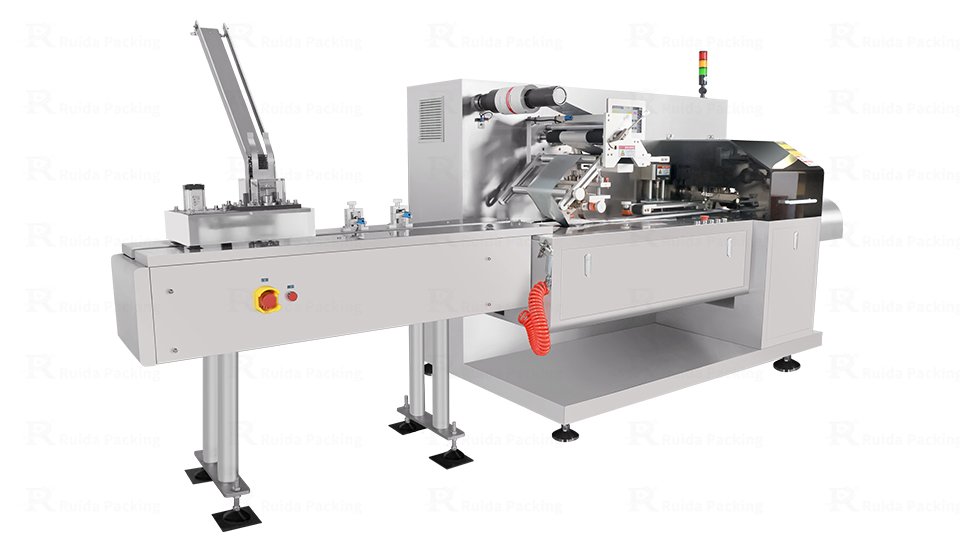
Tốc độ đóng gói có đáp ứng nhu cầu sản xuất không?
Tốc độ tối đa được đánh giá có thể là giả ở một mức độ nào đó; Vì thế, yêu cầu video chạy liên tục của máy mà không cần bất kỳ sự can thiệp thủ công nào khi bạn trò chuyện với nhà cung cấp máy móc. Tốt hơn hết bạn nên đến thăm nhà máy nếu điều kiện cho phép.
Việc nạp và định vị sản phẩm có chính xác không?
Đối với bao bì gối dược phẩm, độ chính xác cho ăn quan trọng hơn độ chính xác làm đầy. Khi đóng gói vỉ, máy tính bảng, viên nang, hoặc các sản phẩm rắn khác, hệ thống cấp liệu phải duy trì khoảng cách nhất quán và định vị chính xác từng sản phẩm trước khi bọc và niêm phong. Định vị sai có thể khiến sản phẩm đi vào khu vực niêm phong không chính xác, dẫn đến gói hàng bị hư hỏng hoặc lỗi niêm phong. Các tính năng như phát hiện quang điện, cho ăn được điều khiển bằng servo, và các chức năng cảnh báo thông minh có thể giúp cải thiện độ chính xác của việc định vị và giảm lãng phí bao bì.
Máy có tương thích với màng đóng gói của bạn không?
Gói gối dược phẩm có thể sử dụng màng nhiều lớp có độ rào cản cao hoặc các cấu trúc khác được chọn lọc để chống ẩm, ôxy, ánh sáng, và bảo vệ cơ khí. Thiết bị đóng gói túi gối phải có khả năng kiểm soát nhiệt độ niêm phong thích hợp, áp lực , thời gian dừng lại, và độ căng màng cho vật liệu được chỉ định.
Nó có thể xử lý các kích cỡ sản phẩm và túi khác nhau không?
Một máy đóng gói túi gối tốt phải cung cấp đủ độ linh hoạt về định dạng cho các kích thước gói vỉ và định dạng đóng gói khác nhau. Kiểm tra xem máy có cho phép điều chỉnh nhanh các thanh dẫn hướng nạp hay không, đường dẫn phim, đơn vị niêm phong, vị trí cắt, và chiều dài gói. Hệ thống điều khiển bằng servo và điều khiển HMI dựa trên công thức có thể giúp thay đổi định dạng nhanh hơn và dễ lặp lại hơn, đặc biệt là khi nhà sản xuất cần chuyển đổi giữa các sản phẩm dược phẩm khác nhau.
Máy có dễ vệ sinh không, thanh tra, và duy trì?
This is particularly important for pharmaceutical packaging environments. The machine should have an accessible structure, easy-to-clean surfaces, and removable components around the sealing and feeding areas. Stainless steel construction, open machine access, and tool-free removal of certain sealing components can simplify routine cleaning and maintenance. A well-designed machine should also minimize areas where film scraps, bụi, or product residues can accumulate.
Can it integrate with the rest of the pharmaceutical packaging line?
A pillow pouch machine should not be evaluated as an isolated piece of equipment. In a pharmaceutical production line, it may need to communicate with upstream blister feeding equipment and downstream systems such as checkweighers, hệ thống kiểm tra tầm nhìn, and cartoners. Features such as synchronized servo control, phát hiện sản phẩm, automatic outfeed, and online connectivity can help create a more reliable automated packaging line.
5. How to Choose the Right Pillow Pouch Packaging Machine
Making a capital investment in a supplement packaging machine requires asking the hard questions. Treat your machine selection process like a rigorous job interview for your production line.
- What product will you package?
- What pillow pouch bag size do you need?
- What production speed do you expect?
- What pillow pouch film material will you use?
- Does the machine meet cGMP compliance?
- Will the machine be connected to other packaging equipment?
Data from the FDA indicates that a significant percentage of solid dose manufacturing delays stem from packaging equipment misalignment and poor material choice. The best pillow pouch machine is not necessarily the one with the highest rated speed, but the one that matches the product, vật liệu đóng gói, đầu ra yêu cầu, và môi trường sản xuất.
6. Ruida Packing and Pillow Pack Pouch Machine
Ruida Packing specializes in the research and development of pharmaceutical and nutraceutical manufacturing machinery. We provide manufacturers with a comprehensive series of industrial pillow pouch machine models that strictly comply with CE, cGMP, và tiêu chuẩn quốc tế ISO. Dịch vụ của chúng tôi bao gồm:
- Comprehensive Technical Files: We provide extensive FAT (Kiểm tra nghiệm thu tại nhà máy) and SAT (Kiểm tra chấp nhận trang web) services.
- Dịch vụ địa phương: We offer both remote guidance and on-site commissioning services to get your supplement powder packaging machine running flawlessly.
- Manuals and Guide Videos: A complete set of detailed manuals and step-by-step guidance videos are included with every machine.
7. Phần kết luận
Mastering the pillow pouch manufacturing process lays the foundation when you need to procure machinery. To evaluate which pillow pouch machine manufacturer is reliable is a test of your real understanding of your own business needs.By grasping the basic knowledge among different packaging forms and the basic selection methods, you can secure the ideal pillow pouch packaging solution.
8. Câu hỏi thường gặp
Q1: What are pillow pouches?
A pillow pouch is a flexible, economical packaging format shaped like a tiny pillow. It features a back fin seal, plus top and bottom seals, making it a staple for high-volume pillow bag packaging equipment.
Q2: How are pillow pouches made?
They are formed on a packaging machine where a flat roll of film is shaped into a tube. The machine fills the product, heat-seals the edges, and cuts the film continuously.
Q3: Are pillow pouches suitable for pharmaceutical products?
Đúng, with the right high barrier packaging film, they offer excellent moisture and light protection. This makes them perfect for pharmaceutical pouch packaging and unit dose pouch packaging.
Q4: How do I choose a pillow pouch packaging machine?
Focus on your specific product, filling range, and required pillow pouch filling accuracy. Ensure the equipment meets GMP standards for pharmaceutical pillow pouch packaging.
Tham khảo
[1] Nghiên cứu Grand View: Flexible Packaging Market Size, Chia sẻ & Báo cáo phân tích xu hướng https://www.grandviewresearch.com/industry-analysis/global-flexible-packaging-market
[2] FDA: Thực hành sản xuất tốt hiện nay (CGMP) Quy định
- National Institutes of Health (NIH): Advances in Pharmaceutical Packaging Technologies and Quality Control