Have you encounter such case: the tablet press settings are stable and good, while the tablet weight still varies much.
İlaç ve nutrasötik üreticileri için, tablet ağırlığı değişimi can trigger substantial waste especially when press settings look seemingly normal. The missing link may be powder feeding: if a cohesive blend forms an arch in the hopper, flow to the feeder and dies becomes intermittent. This guide covers pill presser powder bridging solutions, common hopper bridging causes, and practical ways to improve filling consistency.
Önemli Çıkarımlar
- Identify how powder bridging develops inside a tablet press hopper
- Explore how ingredient properties, parçacık boyutu, nem, electrostatic buildup, hopper structure, and storage time influence powder flow.
- Investigate the source of feeding instability before modifying tablet compression or filling parameters.
- Combine material controls, a suitable forced feeder, and automatic filling-depth adjustment, then verify results with production data.
1.What Is Powder Bridging in a Tablet Press?
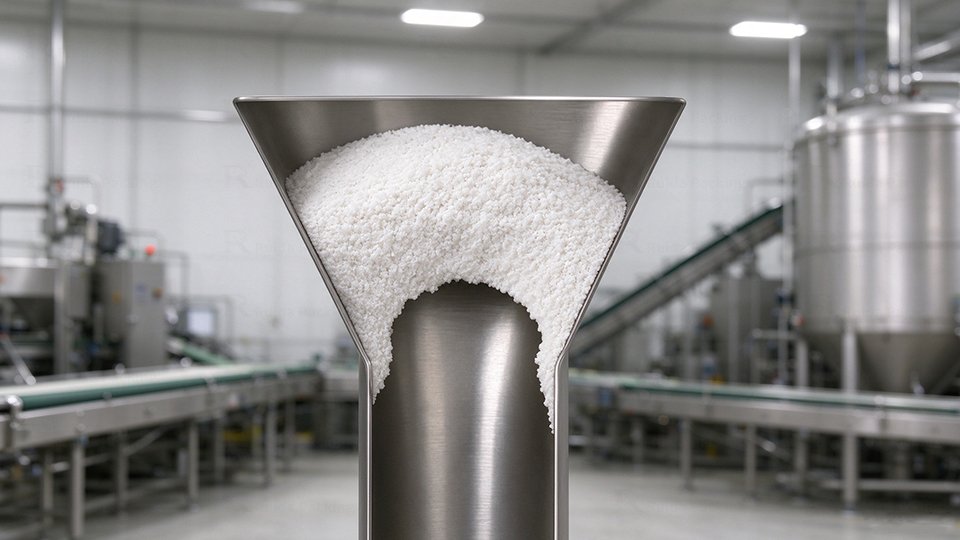
Powder bridging occurs when particles form an arch across an outlet. At a basın tableti hazne, this restricts powder from die filling even while the press keeps running. This is tablet press powder bridging and a common tablet press hopper problem.
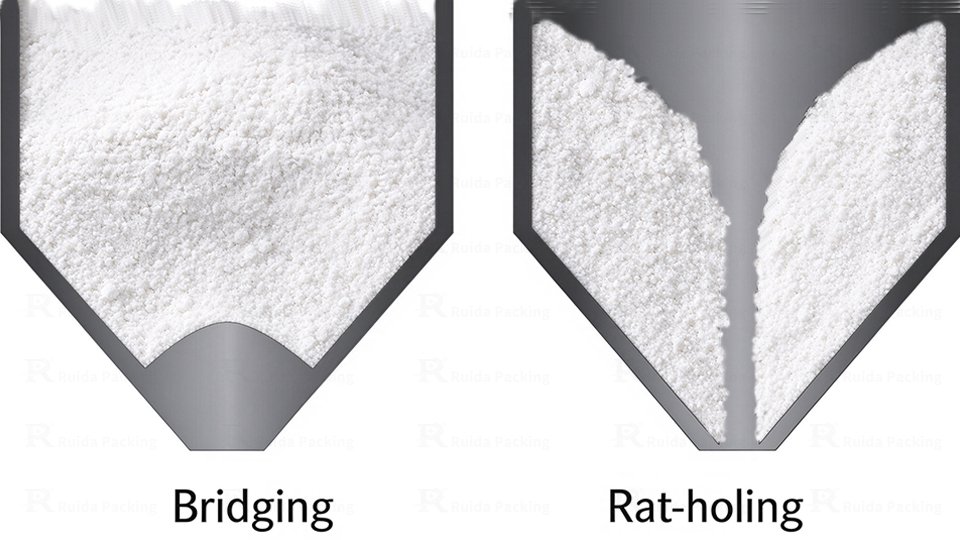
Bridging is different from ratholing: an arch blocks the outlet, while a central channel flows and leaves wall material stationary. Both are material bridging in hopper systems and can disturb die filling. Because the press can only compress what reaches each die, these are relevant tablet weight variation causes.
Powder flow problems in pharmaceutical manufacturing should be separated from finished tablet defects. Defects in tablets may include weight variation, toplama, or a capping defect, but the causes differ. During tableting defects reviews, classify defective tablets by symptom and trace the issue to feeding, sıkıştırma, or ejection; a capping defect may need a separate investigation. Records of defects in tablets should identify whether the problem starts before or after compaction.
2.Common Signs of Hopper Bridging and Unstable Powder Feeding
Despite the direct visual evidence, there’re several methods to recognize this problem. Signs include sudden weight variation, powder buildup above the outlet, material stuck to hopper walls, or intermittent feeder running. These suggest hopper bridging solutions may be needed, but you also need to check powder level, turntable speed, and filling depth. Some machines without synchronized speed system will lead to weight variation when the speed is increased.
3.What Causes Powder Bridging in a Tablet Press Hopper?
Formulation and Powder Flowability
Formulation determines the powder property. Active ingredients like binders, yağlayıcılar, and excipients differ in size, şekil, surface texture, and density, affecting powder’s cohesion and Akış. Ingredient bridging may increase when components have sharply different properties. Bu yüzden, the pressure settings should be adapted to different powders rather than a universal key.
The United States Pharmacopeia calls powder behavior “multifaceted”. No single measurement tells the whole story, so assess the blend during storage, aktarma, and die filling. Recent tablet press powder bridging research also considers particle properties and process conditions together.
Fine Particles and Excessive Cohesion
Ultra fine powders have a larger surface area and may interact more strongly. Excess fines can clump or stick to hopper walls instead of flowing toward the outlet. Particle size alone does not determine flow; şekil, nem, yüzey özellikleri, and blend composition matter too. A 2026 study comparing coarse needle-shaped and micronized acetaminophen blends also found that press-scale behavior can differ even when small-scale flow measures look similar.
Environmental Humidity and Moisture Absorption
Moisture-sensitive powders may absorb water. Liquid bridges can increase cohesion, but the effect depends on the material. Crouter and Briens tested six pharmaceutical powders and reported that “flowability did not significantly change for HPMC”, while several others lost flow after a critical moisture content. For some powders, even around 40% RH can drastically decrease the flowability.
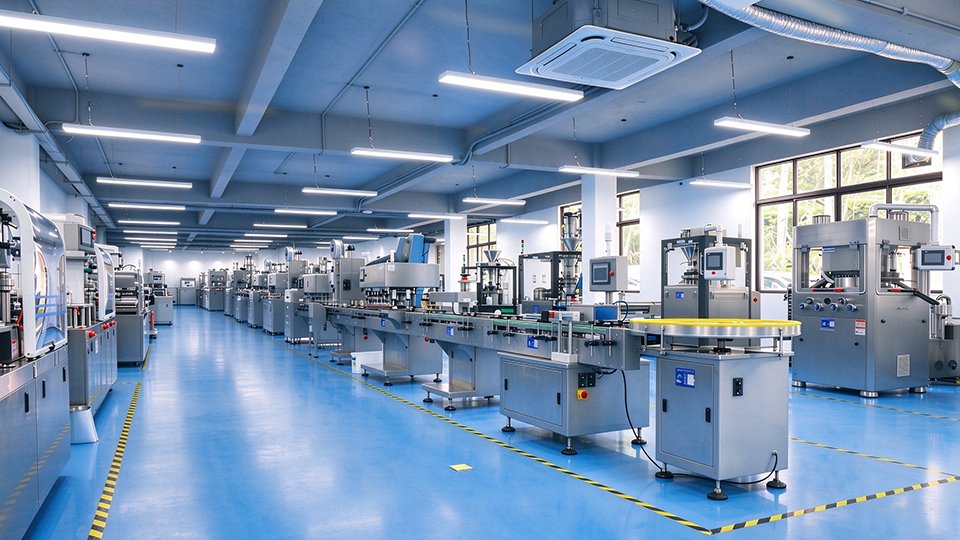
If hopper bridging appears after a weather change or storage, record RH, powder moisture, maruziyet süresi, ve saklama koşulları. Do not assume 20%, 40%, veya 60% RH has the same effect on every ingredient; set limits from based on each powder performance change.
Static Electricity and Powder Adhesion
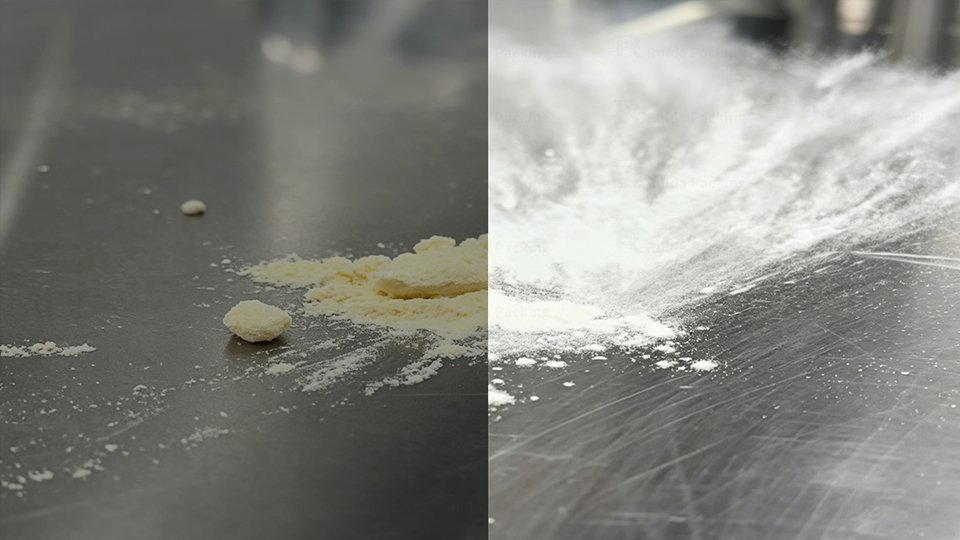
İyi, dry powder can build up static electricity when it rubs against other particles or machine surfaces. This can cause powder to stick to hopper walls or collect near the outlet, leading to unstable feeding and powder handling inefficiencies. Check the machine’s grounding and powder transfer process, and consider using an antistatic device if needed. Make sure the solution is easy to clean and safe for product-contact areas.
Hopper Design and Powder Dwell Time
A small outlet, unsuitable wall angle, pürüzlü yüzey, or long dwell time can encourage an arch or flow channel. Salish, Maurer, and Mao tested ten powder blends across two equipment systems and warned that blockage “cannot be reliably diagnosed using the existing flow function coefficient-based method”. The real material and hopper outlet design should also be taken into consideration.
The same principle applies to feed mill bridging and other flow problems in powder bulk handling systems, where blockage depends on both material properties and equipment design. For tablet press hoppers, this means checking the actual powder blend, outlet size, wall angle, and powder dwell time together rather than relying on a single flow test result.
4.How to Diagnose Powder Bridging Before Changing Machine Settings
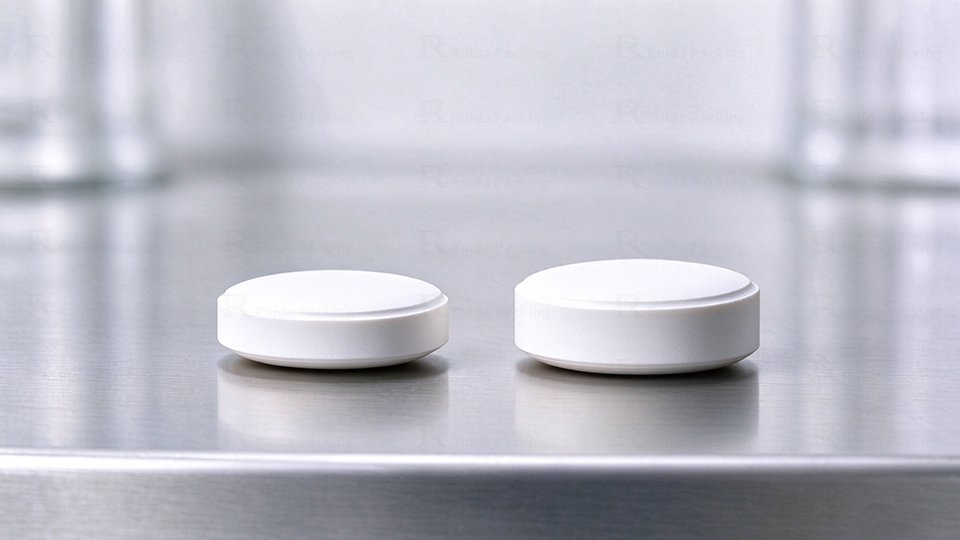
Start by checking where the powder stops flowing smoothly. Look for powder buildup around the hopper outlet and feed frame, and note when feeding becomes uneven. You can also record room humidity (Sağ) and powder moisture if needed. When investigating tablet press hopper problems, check the hopper and feeder before changing compression settings.
To learn more about how the powder flows, you can use tests such as angle of repose, Carr index, Hausner ratio, or flow-through-orifice testing. Shear-cell testing can provide more detailed information when needed. As USP explains, no single test can fully describe powder flow, so it is best to consider the results together. If hopper bridging continues, record the powder type and machine settings so you can compare results under the same conditions.
Sonraki, check whether tablet weight changes with paddle speed, taret hızı, powder level, or filling depth. Adjust one setting at a time to see what makes a difference. Powder flow problems in pharmaceutical manufacturing can begin before the powder reaches the compression stage. Benzer şekilde, flow problems in powder bulk handling systems may have related causes. Finding where the powder first stops flowing properly will help you identify the cause and choose a suitable solution.
5.Pill Presser Powder Bridging Solutions: How to Restore Stable Feeding
Getting powder to feed smoothly takes more than a single fix. The powder needs to flow freely, the hopper must discharge it properly, and the feeder has to deliver a steady supply to each die. That’s why effective pill presser powder bridging solutions should address the powder first, then the equipment. A forced feeder for tablet press applications can help keep powder moving, but it won’t magically fix a blend that tends to clump or stick together. When looking at how to prevent powder bridging, test the powder and the machine together to find what actually works in production.
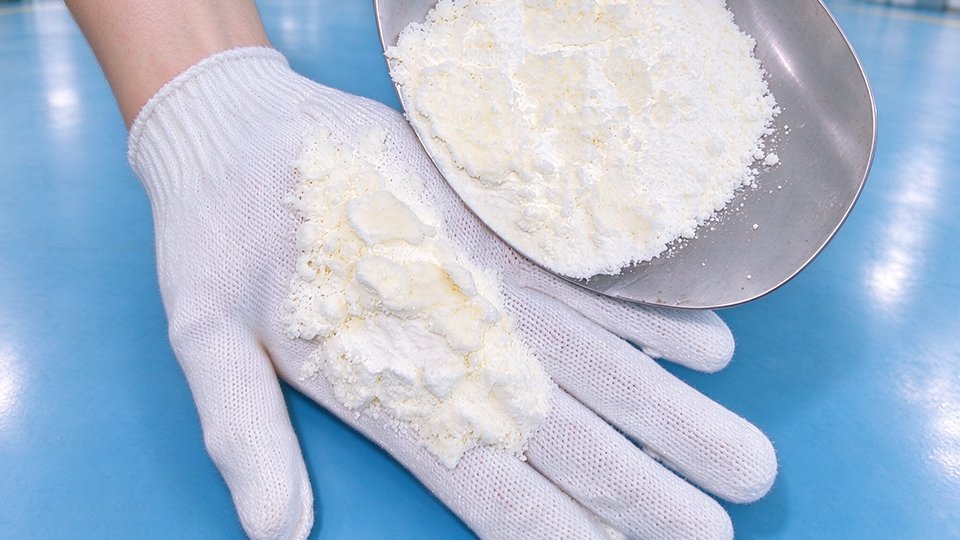
Improve Formulation and Powder Flowability
Check whether the powder contains too many fine particles or whether ingredients separate after mixing. If the blend does not flow smoothly, dikkate almak granülasyon or particle-size adjustment with the formulation team. Only use glidants when they are suitable for the formula and product requirements.
For an initial flow check, a Carr index of 11–15% or a Hausner ratio of 1.12–1.18 is commonly rated as good flow. A Carr index above 20% or a Hausner ratio above 1.25 may indicate poorer flow. These values are only screening guides, not guarantees against bridging. USP Genel Bölümü 1174 also explains that no single test can fully describe powder flow. Test the actual blend and repeat the same measurement three times to check consistency. This helps identify the cause of ingredient bridging before changing the formulation.
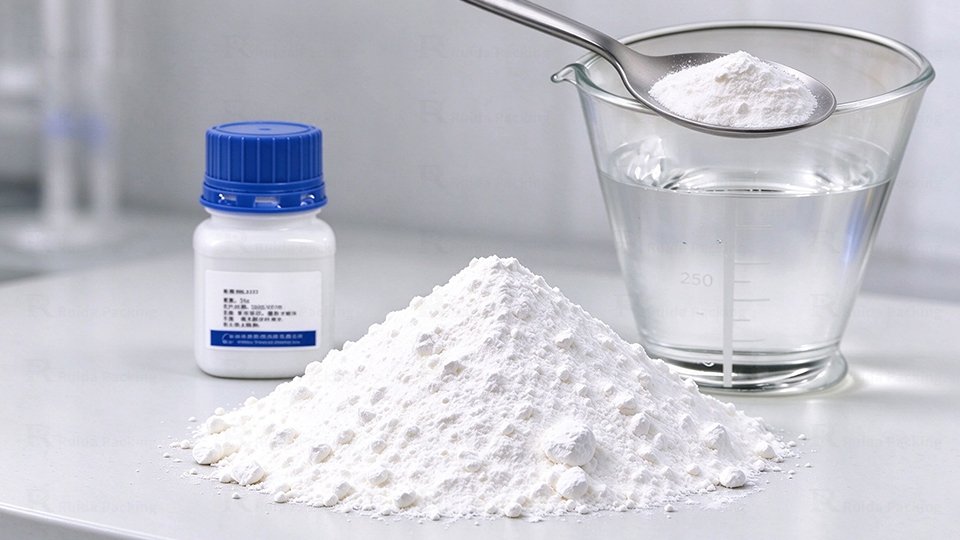
Control Humidity and Powder Moisture
Keep moisture-sensitive powders within the humidity and moisture limits established for the product. If these limits have not been defined, first record the room temperature and relative humidity (Sağ) during normal production, then test the powder under the higher humidity conditions expected in the production area.
Örneğin, one study tested pharmaceutical excipients at 23%, 43%, Ve 75% RH and found that storage humidity affected powder flow. These were experimental conditions, not universal operating limits.
Store moisture-sensitive ingredients in sealed containers, and check for lumps or condensation before restarting the machine. This can help prevent hopper bridging without assuming that 40% RH is a fixed limit for every powder.
Reduce Electrostatic Accumulation
Inspect grounding, bonding, and transfer points where powder contacts surfaces. Static-control devices may help in a suitable installation, but involve engineering and quality teams. This can reduce feeder bridging as well as related powder handling inefficiencies. Check for feeder bridging again after a controlled trial.
Review Hopper Design and Discharge Conditions
Check whether the hopper outlet is too small, the wall angle is unsuitable, or powder is building up in corners. There is no single outlet size or wall angle that works for every formulation.
Before changing the outlet or adding an oscillator, consult the equipment supplier. Vibration may help powder discharge in some cases, but it does not solve every flow problem and may affect powder compaction or ingredient separation.
To evaluate different hopper bridging solutions, run three repeat trials with the same powder and machine settings. Record any feeding interruptions, the amount of powder left in the hopper, and tablet weight results. Use the product’s existing in-process limits to judge whether performance has improved. This practical check can help identify material bridging in hopper instead of relying on vibration alone.
Use a Double-Layer Impeller Forced Feeder
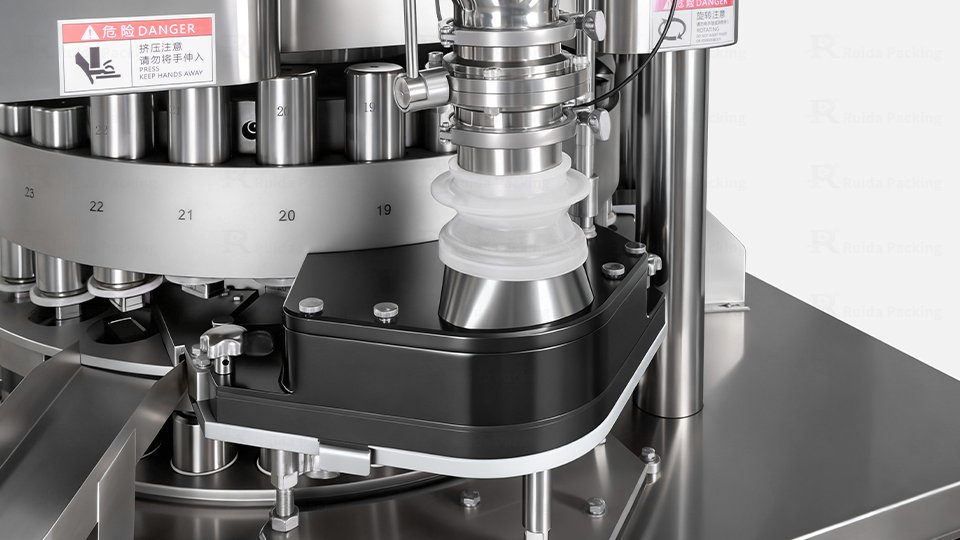
A double-layer impeller forced feeder uses rotating paddles to loosen powder and guide it toward die cavities, reducing dependence on gravity. In a forced feeder for tablet press systems, paddle design and speed interact with turret speed. Hildebrandt and colleagues modeled a three-wheel feeder and found that geometry affected residence time and could contribute to segregation. Tune the system to the blend rather than assuming faster is always better.
When the feeder motor runs in sync with the main motor, feeding is coordinated with press operation. Verify synchronization at the target speed and confirm powder reaches the dies consistently. Visible paddle movement is not enough; repeatable die filling is the test of tablet press powder bridging control.
Apply Automatic Filling-Depth Adjustment
Servo-based automatic filling-depth adjustment helps maintain target tablet ağırlığı and complements stable feeding. It cannot compensate indefinitely for a blocked outlet. Confirm feedback limits and stop conditions, then track mean weight and variation during a controlled trial.
6.Choosing a Tablet Press for Difficult Powders
When evaluating a tablet press machine, ask how it handles your blend. Buyers may search for an automatic tablet press machine; compare feeder design, kontroller, temizlik, and trial evidence. A search for a tablet press machine for sale is only a starting point. Compare the same powder on each option.
A suitable pill machine maker should explain configuration, test evidence, ve satış sonrası destek. Buyers comparing a pill press machine for sale should request feeder and weight-consistency data instead of relying on headline speed. Successful pill pressing depends on a repeatable powder trial. This helps teams investigate tablet press hopper problems and tableting defects before a batch is at risk.
7.Ruida Paketleme: Tablet Press Solutions and Technical Support
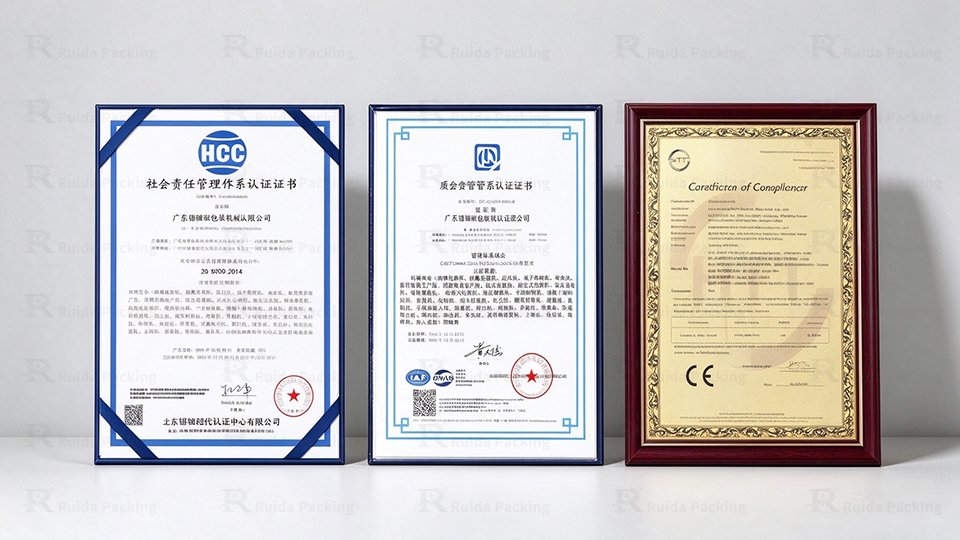
Ruida Paketleme offers tablet presses with handwheel adjustment or screen-based pressure adjustment on high-speed models. Standard configurations include a forced feeder, with an optional hopper oscillator. Pressure-based tablet-weight control can compensate for powder changes and stop the machine after preset out-of-range readings. We provide electrical customization, overseas installation, devreye alma, and operator training. Applicable CE, RoHS, ISO, and SA8000 documents are supplied for the relevant certificate and configuration; machines are designed to support FDA cGMP-aligned production. A reliable pill machine maker can clarify available options and acceptance criteria.
Çözüm
Powder bridging is a material-and-process problem, not simply a setting error. Identify whether the cause is cohesion, nem, statik, hopper geometry, or feeder behavior, then verify one corrective action at a time. Reassess hopper bridging under actual running conditions. Reliable pill presser powder bridging solutions combine material control, suitable feeding design, and tablet-weight checks.
SSS
1. Çeyrek: What Causes Powder Bridging in a Tablet Press Makine Hopper?
Powder bridging can be caused by sticky blends, too many fine particles, nem, static buildup, or a poorly designed hopper. Before tweaking machine settings, take a closer look at the powder and run a few practical tests to find out what’s really going on.
2. Çeyrek: How Do You Prevent Hopper Bridging?
Keep moisture under control, limit excess fine particles when the formulation allows, and check whether the hopper outlet is suitable for the powder. When deciding how to prevent powder bridging, test the actual blend on the machine to see which changes make a real difference.
3. Çeyrek: Can Humidity Cause Powder Bridging?
Evet. Moisture may create liquid bridges or caking, but the response is material-specific. Record RH and powder moisture rather than assuming one fixed threshold.
4. Çeyrek: How Does Powder Bridging Cause Tablet Weight Variation?
When powder stops flowing smoothly, some dies may not receive enough material, leading to uneven tablet weights. Check the tablet weight variation causes by reviewing powder flow, besleyici hızı, taret hızı, and filling depth.
S5: Can a Forced Feeder Eliminate Powder Bridging?
A forced feeder helps keep powder moving into the dies, but it cannot solve every bridging problem. Adjust the paddle speed to suit the powder and run a trial to check whether feeding and tablet weights become more consistent.
S6: What Is the Difference Between Bridging and Ratholing?
Bridging happens when powder forms an arch that blocks the outlet. Ratholing occurs when powder flows through a central channel while material around it stays in place. Both can disrupt feeding and affect production consistency.
Q7: How Do You Test Powder Flowability Before Tablet Compression?
Common options include angle of repose, Carr index, Hausner ratio, flow-through-orifice testing, and shear-cell testing. No single test tells the whole story. If feeding is stable but a capping defect still occurs, investigate the compression process separately. Record other tablet defects and defective tablets by their symptoms and the stage where they appear.
Referanslar
[1] Amerika Birleşik Devletleri Farmakopesi. Genel Bölüm <1174>: Toz Akışı (2023).