Farmasötik ve nutrasötik üretiminde, tablet kalitesi Ürün güvenliğini doğrudan etkiler, üretim verimliliği, ve marka itibarı. sırasında küçük sorunlar bile basın tableti üretim tabletin çatlamasına neden olabilir, yapıştırma, sınırlama, veya ağırlık değişimi.
Fakir tablet sıkıştırma yalnızca hammadde israfını arttırmakla kalmıyor, ancak aynı zamanda makinenin aksama süresine ve başarısız kalite denetimlerine de neden olur.
İlaç üretiminde, tablet kalitesi Mevzuata uygunlukla yakından ilgilidir. Zayıf tablet tutarlılığı müşteri şikayetlerine yol açabilir, ürün geri çağırmaları, veya başarısız GMP denetimleri. Bu nedenle, Birçok üretici yatırım yapıyor tablet pres makinesi otomatik izleme ve basınç kontrol teknolojisine sahip ekipmanlar.
Bugün, üreticiler istikrarlı olmaya daha fazla önem veriyor tablet pres makinesi sistemler, akıllı izleme, ve formülasyon kontrolü. Ekipman tedarikçileri, ilaç şirketlerinin sıkıştırma hatalarını azaltmasına ve otomatik üretim teknolojisi aracılığıyla daha güvenilir üretim performansını sürdürmesine yardımcı oluyor.
Bu makalede şunlar açıklanmaktadır: 5 etkileyen temel faktörler tablet kalitesi sırasında tablet basın üretimi ve yaygın tablet kusurlarını azaltmaya yönelik pratik yöntemleri paylaşıyor.
Tablet Pres Üretiminde Düşük Tablet Kalitesi Sorunları
Fakir tablet kalitesi ilaç üretiminin her aşamasını etkileyebilir, sıkıştırmadan paketleme ve nakliyeye kadar. Zayıf tabletler nakliye sırasında kırılabilir veya çözünme testlerinde başarısız olabilir.
Farmasötik tablet üretiminde, Aktif içerik içeriğinin parti boyunca kabul edilebilir üretim limitleri içerisinde kalması için üreticiler dozaj değişimini dikkatli bir şekilde kontrol etmelidir. [1].
Yüksek hızlı üretim ortamlarında, Küçük bir sıkıştırma sorunu bile kısa sürede binlerce tableti hızla etkileyebilir. Operatörler sorunu erken tespit etmezse, üreticiler büyük miktarlarda hammadde ve üretim süresi kaybedebilir.
Bazı tablet kusurları, sonraki paketleme süreçlerini de etkileyebilir. Örneğin, Çatlak veya kapaklı tabletler şişe doldurma veya kabarcıklı paketleme sırasında kırılabilir, Son denetim sırasında reddedilme oranlarının arttırılması.
Düşük Tablet Kalitesinin Üreticiler Üzerindeki Etkisi
Kötü tablet kalitesi sıklıkla:
- Daha yüksek ret oranları
- Üretim kesintisi
- Artan malzeme israfı
- Paketleme zorlukları
- Başarısız denetimler
- Dengesiz tablet sertliği
Büyük ölçekli ilaç üretiminde, bu sorunlar fabrika verimliliğini önemli ölçüde azaltabilir.
Faktör 1: Sıkıştırma Kuvveti
Sırasında basın tableti üretme, sıkıştırma ayarları tabletin son yapısını ve fiziksel özelliklerini güçlü bir şekilde etkiler, sertlik dahil, kalınlık, ve genel kompaktlık.
Basınç çok düşükse, tabletler yumuşak ve kırılgan hale gelebilir. Basınç çok yüksekse, tabletler çatlayabilir veya lamine olabilir.
Birçok farmasötik üretim hattında, tablet sıkıştırması tek bir presleme işlemi yerine birden fazla aşamada tamamlanır. Ön sıkıştırma, son sıkıştırma gerçekleşmeden önce granüllerin içinde sıkışan havayı giderir. Bu işlem, tablet yoğunluğunun artırılmasına yardımcı olur ve yüksek hızlı üretim sırasında kapaklanma veya laminasyon riskini azaltır.
Farklı tablet ürünleri aynı zamanda farklı sıkıştırma ayarları gerektirir. Örneğin, efervesan tabletler aşırı basınç çözünme performansını etkileyebileceğinden genellikle standart farmasötik tabletlere kıyasla daha düşük sıkıştırma basıncı gerektirir.
Sıkıştırma Basıncı Tablet Sertliğini Nasıl Etkiler?
Sıkıştırma basıncı tablet sertliğini doğrudan etkiler, kalınlık, ve yapısal dayanıklılık basın tableti üretme.
Sıkıştırma basıncı çok düşükse, tabletler yumuşak ve kırılgan hale gelebilir. Zayıf tabletler kaplama sırasında kırılabilir, ambalajlama, veya ulaşım. Düşük basınç aynı zamanda kenarların kırılmasına ve tablet ağırlığının dengesiz olmasına da neden olabilir.
Aşırı basınç farklı üretim sorunları yaratabilir. Tabletler çok sertleşebilir, daha yavaş çözülür, veya sıkıştırmadan sonra iç gerilim çatlakları geliştirin. Bazı durumlarda, aşırı kuvvet aynı zamanda kapaklanmaya veya laminasyona neden olabilir çünkü sıkışan hava granüllerden düzgün şekilde kaçamaz.
Farklı formülasyonlar farklı sıkıştırma aralıkları gerektirir. Efervesan tabletler, bitkisel tabletler, ve farmasötik tabletler, toz yoğunlukları ve nem seviyeleri aynı olmadığı için genellikle sıkıştırma kuvvetine farklı tepki verirler..
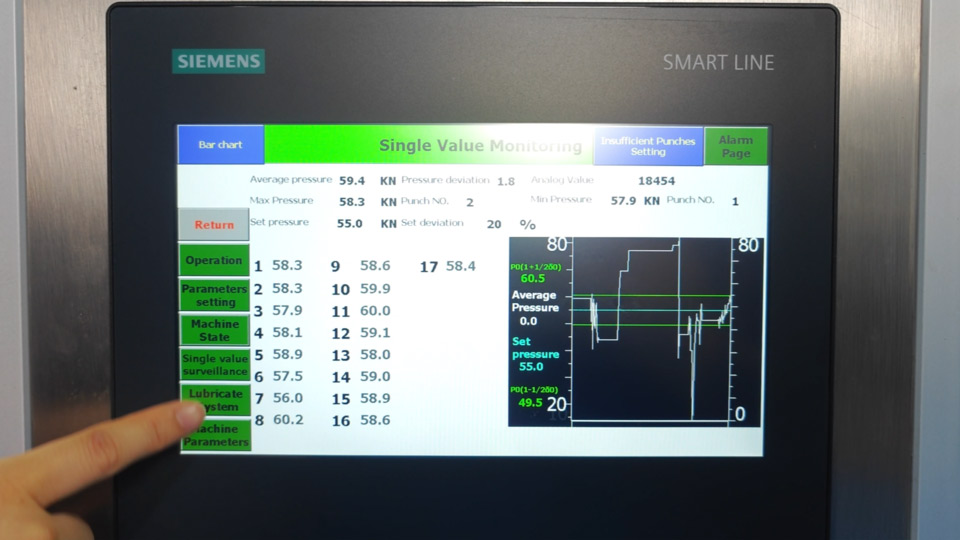
İstikrarı korumak için tablet kalitesi, operatörler genellikle üretim döngüsü boyunca sıkıştırma kuvvetini izler. Birçok farmasötik üretim hattında basınç sensörleri kullanılır, PLC kontrol sistemleri, ve çalışma sırasındaki basınç değişikliklerini takip etmek için dokunmatik ekranlı işletim panelleri.
Basınç dalgalanmaları göründüğünde, operatörler dolum derinliğini hızla ayarlayabilir, taret hızı, Tablet kusurlarını azaltmak ve daha güvenilir sıkıştırma performansı sağlamak için veya besleyici ayarları.
Sıkıştırma ayarları genellikle aşağıdakilere göre ayarlanır::
- Tablet boyutu
- Toz yoğunluğu
- Malzeme özellikleri
- Üretim hızı
Faktör 2: Malzeme Formülasyonu ve Toz Akışı
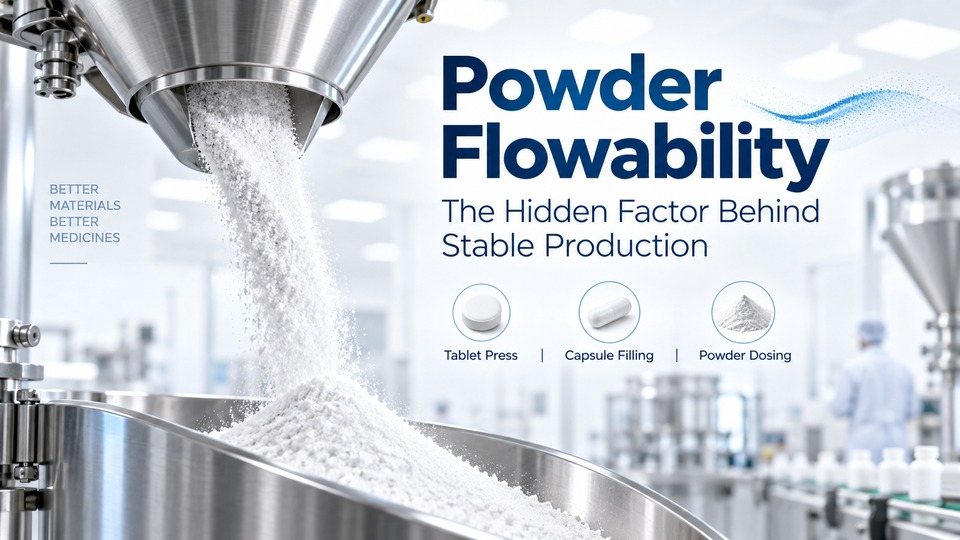
Malzeme formülasyonu bir diğer önemli faktördür. tablet basın üretimi. Toz akışkanlığı, nem içeriği, ve yardımcı madde uyumluluğu nihai tablet kalitesini etkiler.
Hatta çok kaliteli döner tablet presi malzeme akışı zayıfsa istikrarlı üretimi sürdüremez.
Parçacık boyutu dağılımı aynı zamanda tozun akışkanlığını ve sıkıştırma tutarlılığını da etkiler. Granül boyutları çok eşit değilse, besleme sırasında toz segregasyonu meydana gelebilir. Bu, dengesiz dolum derinliğine ve tablet ağırlığının değişmesine yol açabilir.
Toz Akışı ve Nem Neden Önemlidir?
Besleme sistemi içindeki tutarlı malzeme hareketi, üretim döngüsü boyunca eşit kalıp dolumunun korunmasına yardımcı olur.
İyi malzeme akışı artar:
- Tablet ağırlığı tutarlılığı
- Dozaj doğruluğu
- Sıkıştırma kararlılığı
- Üretim verimliliği
Nem içeriği de etkiler tablet kalitesi. Aşırı nem yapışmaya neden olabilir, düşük nem ise çatlamaya neden olabilir.
Üreticiler genellikle malzeme performansını şu yollarla geliştirir::
- Uygun granülasyon
- Nem kontrolü
- Parçacık boyutu optimizasyonu
- Akış katkı maddeleri
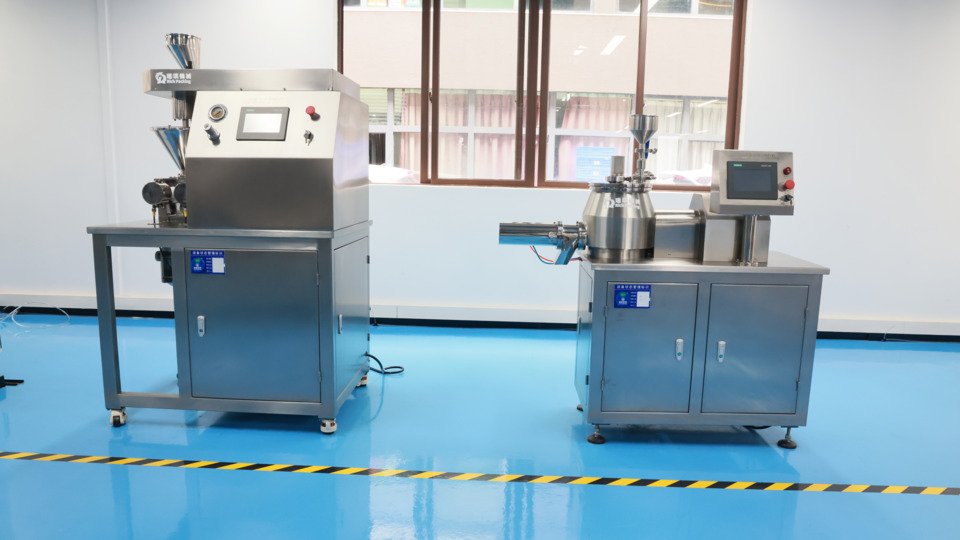
Islak granülasyon farmasötikte yaygın olarak kullanılmaktadır. basın tableti toz akışını ve tablet bağlama performansını iyileştirdiği için üretim. Kuru granülasyon, ıslak işleme koşullarını tolere edemeyen, neme duyarlı malzemeler için başka bir yaygın yöntemdir..
Her iki granülasyon yöntemi de, yüksek hızlı tablet üretimi sırasında sıkıştırma stabilitesini iyileştirmeyi ve üretim kusurlarını azaltmayı amaçlamaktadır..
Formülasyon Uyumluluğu Tablet Kalitesini Nasıl Etkiler?
Yardımcı maddeler, iyileştirme amacıyla eklenen inaktif bileşenlerdir. tablet sıkıştırma performans.
Tablet üretiminde yaygın olarak çeşitli yardımcı maddeler kullanılır.:
- Bağlayıcılar tablet parçacıklarının bir arada tutulmasına yardımcı olur
- Parçalayıcılar iyileşir tablet çözünmesi
- Yağlayıcılar sıkıştırma sırasında sürtünmeyi azaltır
- Kaydırıcılar tozun akışkanlığını artırır
Doğru yardımcı madde seçimi önemli ölçüde iyileşme sağlayabilir tablet kalitesi ve üretim sorunlarını azaltmak.
Zayıf formülasyon uyumluluğu sıklıkla:
- Düzensiz sertlik
- Yüzey kusurları
- Ağırlık değişimi
- Sıkıştırma kararsızlığı
Üreticiler büyük ölçekli üretimlerden önce malzeme uyumluluğunu test etmelidir basın tableti üretim başlıyor.
Faktör 3: Delme ve Kalıp Kalitesi
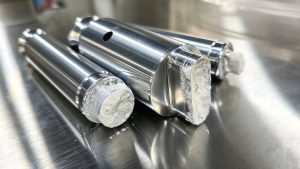
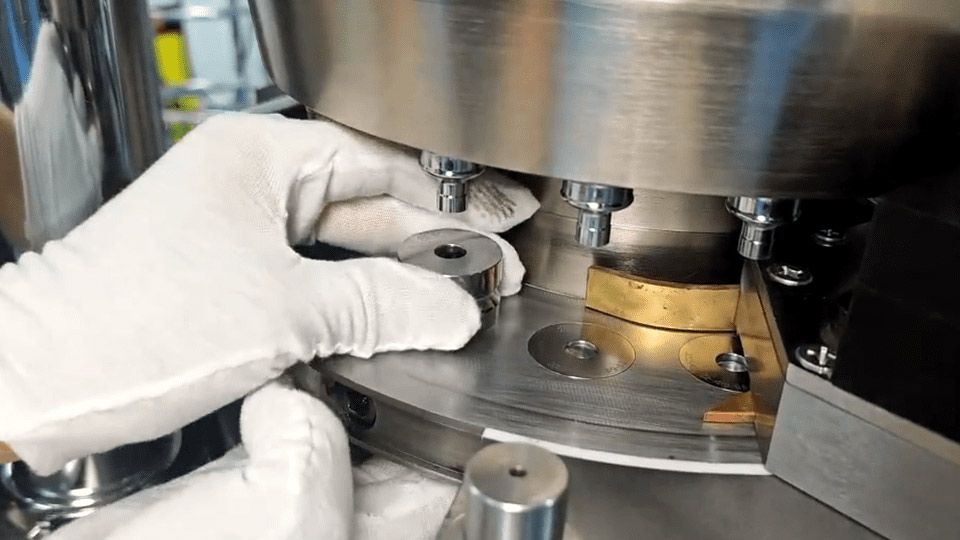
Zımbalar ve kalıplar bir makine içindeki kritik takım bileşenleridir. tablet pres makinesi.
Durumları doğrudan tablet şeklini etkiler, kalınlık, ve tutarlılık.
Kalıplama Tablet Tutarlılığını Nasıl Etkiler?
Yüksek kaliteli aletler tabletlerin üretilmesine yardımcı olur:
- Düzgün kalınlık
- Pürüzsüz yüzeyler
- Sabit boyutlar
- Daha iyi görünüm
Kötü takımlama, yüksek hız sırasında kusur riskini artırır tablet sıkıştırma.
Aşınmış Tablet Pres Aletlerinin Belirtileri
Üreticiler takımları düzenli olarak incelemelidir.:
- Yüzey çizikleri
- Yapışma işaretleri
- Düzensiz kalınlık
- Tablet kenarı hasarı
Aşınmış takımların erken değiştirilmesi israfı azaltabilir ve üretim istikrarını artırabilir.
Faktör 4: Tablet Baskı Hızı
Üretim hızı hem çıktıyı hem de tablet kalitesi.
Birçok fabrika üretkenliği artırmak için makine hızını artırır. Fakat, aşırı hız sıklıkla sıkıştırma kararlılığını azaltır.
Üretim hızı arttıkça, taretin içindeki merkezkaç kuvveti de artar. Bu, toz besleme stabilitesini ve tablet doldurma tutarlılığını etkileyebilir. Aşırı hız, uzun üretim döngüleri sırasında ilave ısı ve makine titreşimi de oluşturabilir.
Bu nedenle, Yüksek hızlı farmasötik üretim ortamlarında, operatörler genellikle sıkıştırma sorunlarını erken tespit etmek için otomatik izleme işlevlerine güvenir.
Yüksek Hızlı Üretim Zorlukları
Yüksek hızlı döner tablet presi üretim yaratabilir:
- Ağırlık değişimi
- Eksik doldurma
- Makine titreşimi
- Isı oluşumu
Toz akışı kararsız olduğunda bu sorunlar daha ciddi hale gelir.
Hız ve Tablet Kalitesini Dengeleme
Makine çıktısının arttırılması tablet tutarlılığından ödün vermemelidir, özellikle sıkı kalite kontrolü gerektiren farmasötik üretim ortamlarında.
Farmasötik tablet basın ekipmanları yaygın olarak kullanır:
- PLC kontrol sistemleri
- Gerçek zamanlı basınç izleme
- Otomatik ayar sistemleri
- Akıllı reddetme sistemleri
Yüksek hızlı döner tablet presi üretim istikrarlı mekanik performans ve doğru sıkıştırma kontrolü gerektirir. Modern ilaç üreticileri sıklıkla gerçek zamanlı basınç izleme özelliğine sahip akıllı kontrol sistemleri kullanıyor, otomatik besleme ayarı, ve sürekli üretim sırasında tablet tutarlılığını korumak için otomatik reddetme.
Daha iyi basınç takibi ve besleyici kontrolü, uzun üretim çalışmaları sırasında tablet ağırlığındaki dalgalanmayı azaltabilir [2].
Faktör 5: Tablet Pres Makinesi Kararlılığı
Makine stabilitesi güvenilirliğin temellerinden biridir tablet basın üretimi.
Küçük makine titreşimleri bile sıkıştırma doğruluğunu ve tablet tutarlılığını etkileyebilir.
Makine titreşimi dengesiz tablet kalitesinin gizli nedenlerinden biridir. Aşırı titreşim eşit olmayan sıkıştırma kuvvetine yol açabilir, taret sapması, ve uzun üretim döngüleri sırasında takımların daha hızlı aşınması.
Yüksek hızda basın tableti üretme, Sabit mekanik performansın korunması, tablet tutarlılığının iyileştirilmesi ve makinenin aksama süresinin azaltılması açısından özellikle önemlidir.
Makine Hassasiyeti Neden Önemlidir?
Makine hassasiyetinin etkileri:
- Sıkıştırma kuvveti
- Doldurma derinliği
- Tablet ağırlığı
- Üretim tutarlılığı
Yüksek hassasiyet tablet pres makinesi Dozaj doğruluğunun üretim boyunca sabit kalması gerektiğinden sistemler farmasötik üretimde özellikle önemlidir [3].
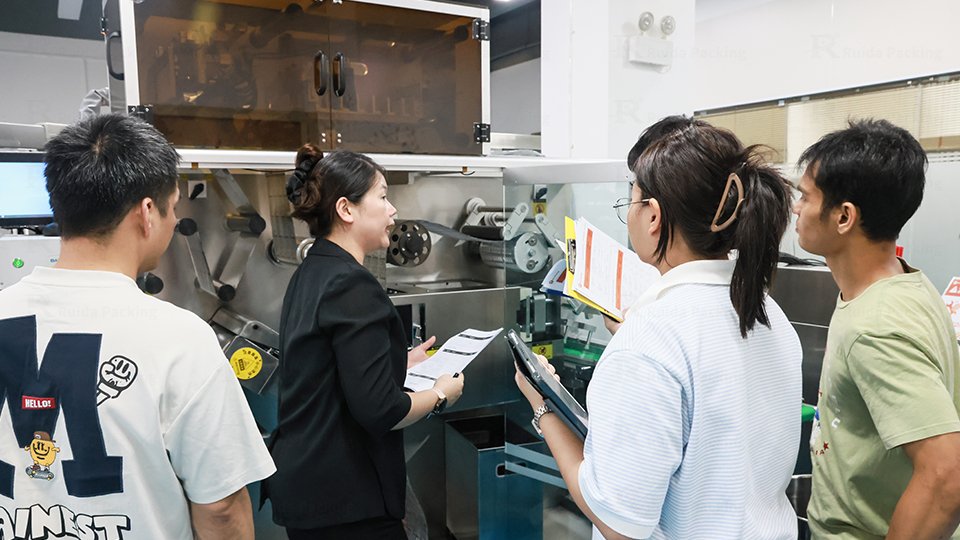
Pek çok farmasötik üretim hattı artık PLC kontrol panellerini ve dokunmatik ekran arayüzlerini kullanıyor, böylece operatörler üretim sırasında sıkıştırma verilerini gözlemleyebiliyor. Bu sistemler operatörlerin basıncı ayarlamasına yardımcı olur, doldurma derinliği, ve taret hızı daha doğru.
Otomatik reddetme sistemleri, üretim sırasında kusurlu tabletleri de kaldırabilir, karışık kalitede parti riskini azaltmak.
Yüksek Kaliteli Tablet Pres Makinasının Özellikleri
Yüksek kaliteli tablet pres makinesi genellikle içerir:
- Kararlı taret yapısı
- Hassas basınç kontrolü
- Otomatik yağlama
- GMP uyumlu tasarım
- Akıllı izleme sistemleri
Daha yeni tablet basın ekipmanları genellikle otomatik basınç takibi ve daha kolay operatör kontrol fonksiyonlarını içerir. Gerçek zamanlı basınç algılama gibi özellikler, otomatik ağırlık ayarı, ve çevrimiçi reddetme sistemleri, üreticilerin sürekli üretim sırasında istikrarlı tablet kalitesini korumalarına yardımcı olur.
Birçok gelişmiş makine aynı zamanda hızlı takım değişimini ve otomatik kontrol arayüzlerini de destekler, Bu, manuel ayarlama süresini kısaltır ve GMP üretim ortamlarında genel üretim verimliliğini artırır [3].
Yaygın Tablet Baskı Sorunları ve Çözümleri
Tablet kusurları şu durumlarda yaygındır: tablet basın üretimi, özellikle yüksek hızlı üretim ortamlarında. Birçok durumda, tablet sorunları formülasyon sorunlarının birleşiminden kaynaklanmaktadır, sıkıştırma ayarları, takım durumu, toz akış davranışı, ve makine titreşimi.
Bazı kusurlar ayrıca sonraki paketleme süreçlerini de etkileyebilir. Örneğin, çatlak tabletler şişe dolumu sırasında kırılabilir, kapaklı tabletler, kabarcıklı ambalajlama sırasında incelemede başarısız olabilir.
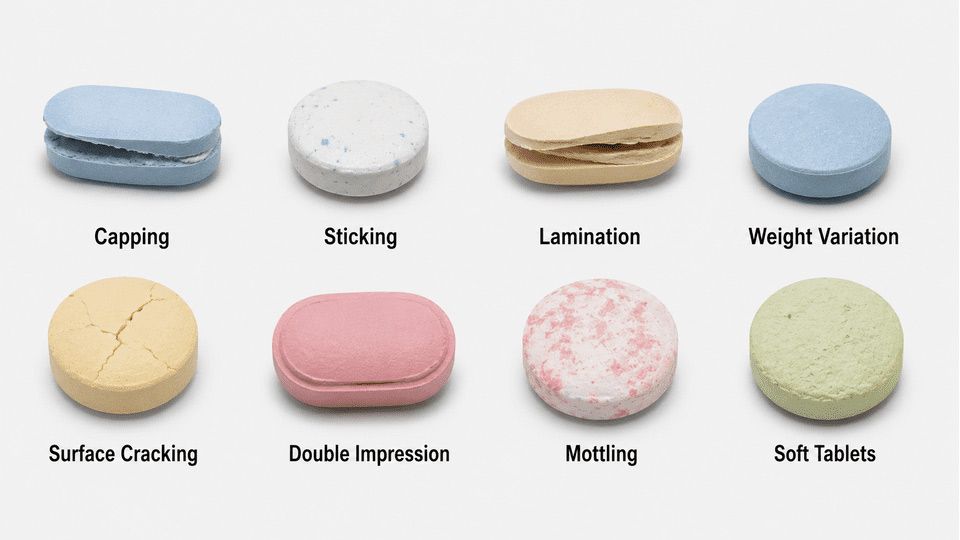
Aşağıdaki tablo, tabletlerde sık görülen bazı kusurları ve bunların olası nedenlerini özetlemektedir. tablet sıkıştırma üretme.
| Tablet Sorunu | Üretim Görünümü | Yaygın Nedenler |
| Sınırlandırma | Sıkıştırma sonrasında üst veya alt tablet bölümü ayrılıyor | Yüksek taret hızı, yetersiz ön sıkıştırma, aşırı ana basınç, düşük nem, yetersiz bağlayıcı, düzensiz parçacık boyutu, aşırı yağlayıcı, aşınmış takımlar, hızlı fırlatma hızı |
| Laminasyon | Dahili tablet katmanları ayrılıyor | Yüksek hız, yetersiz ön sıkıştırma, aşırı basınç, sıkışmış hava, düşük nem, yetersiz bağlayıcı, aşırı yağlayıcı, düzensiz granül boyutu, hızlı basınç tahliyesi |
| Yapışma | Toz zımbalara veya kalıplara yapışır | Yüksek nem, yüksek sıcaklık, yüksek şeker içeriği, yetersiz yağlayıcı, kaba delme yüzeyi, derin gravür, aşırı basınç, yüksek nem |
| Ağırlık Değişimi | Tablet ağırlığı tutarsız hale geliyor | Zayıf toz akışı, kararsız malzeme seviyesi, besleyici sorunları, yüksek hız, düzensiz parçacık boyutu, aşırı ince toz, dengesiz nem, zımba konumu dalgalanması, takım aşınması, makine titreşimi |
| Yüzey Çatlaması | Tablet yüzeylerinde veya kenarlarında görünür kırıklar görünüyor | Düşük nem, aşırı sıkıştırma kuvveti, büyük parçacık boyutu, yetersiz bağlayıcı, aşırı yağlayıcı, hızlı fırlatma hızı, aşınmış takımlar, zayıf tablet şekli tasarımı, yüksek sıcaklık |
Üretim ekipleri genellikle sıkıştırma kuvvetini gözden geçirir, malzeme akışı, nem seviyesi, taret hızı, Tablet kusurlarını giderirken alet ve takım durumunu bir arada.
Sınırlandırma
Kapaklaşma, sıkıştırma sonrasında tabletin üst veya alt bölümünün ayrılmasıyla oluşur.
Bu sorun genellikle aşağıdakilerle ilgilidir::
- Aşırı taret hızı
- Yetersiz ön sıkıştırma
- Aşırı ana sıkıştırma kuvveti
- Düşük granül nemi
- Kötü bağlayıcı dağıtımı
- Düzensiz parçacık boyutu
Granüllerin içinde hapsolmuş hava, sıkıştırma sırasında düzgün şekilde kaçamadığında, tabletin yüzeyi çıkarma sırasında ayrılabilir.
Operatörler genellikle ön sıkıştırma basıncını ayarlayarak kapatmayı azaltır, taret hızını yavaşlatma, granülasyon kalitesinin iyileştirilmesi, ve nem içeriğinin daha dikkatli kontrol edilmesi.
Laminasyon
Laminasyon, sıkıştırma sonrasında tablet yapısının içinde yatay olarak ayrılmayı ifade eder..
Çeşitli üretim koşulları laminasyon riskini artırabilir:
- Granüllerin içinde sıkışan fazla hava
- Hızlı dekompresyon hızı
- Aşırı sıkıştırma kuvveti
- Zayıf parçacık boyutu dağılımı
- Yetersiz bağlayıcı
- Düşük nem içeriği
Yüksek hızda döner tablet presi üretme, çok hızlı bir şekilde meydana gelen basınç tahliyesi tabletin dahili olarak ayrılmasına da neden olabilir.
Granül yoğunluğunun iyileştirilmesi ve sıkıştırmada kalma süresinin ayarlanması, sürekli üretim sırasında laminasyon sorunlarının azaltılmasına yardımcı olabilir.
Yapışma
Sıkıştırma sırasında toz malzeme zımba veya kalıp yüzeylerine bağlı kaldığında yapışma meydana gelir.
Bu sorun özellikle yüksek şeker içerikli veya yüksek nem formülasyonlu tabletler üretilirken yaygındır..
Yaygın nedenler şunları içerir::
- Yüksek nem içeriği
- Yüksek üretim sıcaklığı
- Yetersiz yağlama
- Pürüzlü zımba yüzeyleri
- Derin zımba gravürü
- Aşırı sıkıştırma kuvveti
- Üretim ortamındaki yüksek nem
Üretim ekipleri genellikle nem kontrolü sayesinde yapışma sorunlarını azaltır, yumruk parlatma, yağlama ayarı, ve düzenli takım temizliği.
Yapışma önleyici zımba kaplamaları aynı zamanda uzun üretim döngüleri sırasında yapışmayı azaltmak için farmasötik tablet üretiminde de yaygın olarak kullanılır..
Ağırlık Değişimi
Ağırlık değişimi genellikle üretim sırasında toz beslemenin dengesiz hale gelmesiyle ortaya çıkar.
Bu sorunun nedeni şunlar olabilir::
- Zayıf toz akışkanlığı
- Düzensiz parçacık boyutu
- Aşırı ince toz
- Besleyici tıkanıklığı
- Kararsız malzeme seviyesi
- Makine titreşimi
- Aşınmış takımlar
- Yüksek hızlı çalışma
Toz kalıp boşluklarına eşit şekilde giremediğinde, sürekli sıkıştırma sırasında tablet ağırlığı değişebilir.
Operatörler genellikle granülasyon kalitesini optimize ederek ağırlık kontrolünü iyileştirir, besleyici hızını dengeleme, ve içindeki aşırı titreşimin azaltılması tablet pres makinesi.
Yüzey Çatlaması
Yüzey çatlaması, sıkıştırma sonrasında tablet kenarlarında veya yüzeylerinde görünen gözle görülür kırıkları ifade eder..
Bu sorun genellikle aşağıdakilerle ilişkilidir::
- Düşük nem içeriği
- Aşırı sıkıştırma kuvveti
- Büyük granül boyutu
- Yetersiz bağlayıcı
- Aşırı yağlayıcı
- Hızlı tablet çıkarma
- Aşınmış yumruklar veya ölür
- Kötü tablet şekli tasarımı
- Yüksek üretim sıcaklığı
Bazı durumlarda, Tabletler sıkıştırıldıktan hemen sonra normal görünebilir ancak daha sonra soğutma veya taşıma sırasında çatlaklar oluşabilir..
Sıkıştırma basıncını azaltmak, bağlayıcı dağıtımının iyileştirilmesi, granül boyutunun optimize edilmesi, ve üretim sıcaklığının kontrol edilmesi, tablet üretimi sırasında yüzey çatlamalarının en aza indirilmesine yardımcı olabilir.
Modern Tablet Pres Üretiminde Tablet Kalitesi Nasıl Artırılır?
İyileştirme tablet kalitesi hem makine optimizasyonunu hem de proses kontrolünü gerektirir.
Üreticiler üretim koşullarını düzenli olarak izlemeli ve sıkıştırma parametrelerini ayarlamalıdır.
Operatör eğitimi aynı zamanda stabilitenin korunmasında da önemli bir rol oynar basın tableti üretme. Deneyimli operatörler anormal makine seslerini tanımlayabilir, basınç değişiklikleri, veya ciddi kusurlar ortaya çıkmadan önce beslenme sorunları.
Üretim verilerinin izlenmesi, kalite kontrolünü iyileştirmenin bir başka önemli yöntemidir. Pek çok ilaç üreticisi artık toplu izlenebilirlik ve süreç optimizasyonu için gerçek zamanlı sıkıştırma verilerini kaydediyor.
Düzenli Makine Bakımı
Rutin bakım önlemeye yardımcı olur:
- Takım aşınması
- Basınç istikrarsızlığı
- Yağlama sorunları
- Beklenmeyen kesinti
Fette Compacting gibi farmasötik ekipman tedarikçileri, Korsch AG, Ve Ruida Paketleme ayrıca teknik destek sağlamak, takım rehberliği, Tablet üretim hatları için bakım ve bakım hizmetleri.
Otomatik Tablet Pres Ekipmanını Kullanma
Otomatikleştirilmiş ortak işlevler tablet basın ekipmanları katmak:
- Gerçek zamanlı izleme
- Akıllı basınç kontrolü
- Otomatik reddetme sistemleri
- Üretim verileri takibi
Daha iyi basınç kontrolü ve doldurma ayarıyla, operatörler malzeme israfını azaltabilir ve daha düzenli tablet üretimi sağlayabilir.
Bazı tablet pres makineleri ayrıca dokunmatik ekranlı işletim panellerini kullanın, otomatik basınç takibi, ve sürekli üretim sırasında malzeme israfını azaltmak için çevrimiçi reddetme işlevleri.
Çözüm
Birkaç önemli faktör etkiliyor tablet kalitesi sırasında tablet basın üretimi. Sıkıştırma kuvveti, malzeme formülasyonu, takım durumu, üretim hızı, ve makine stabilitesinin tümü nihai tablet performansını etkiler.
Bu faktörleri dikkatle izleyen üreticiler kusurları azaltabilir, verimliliği artırmak, ve istikrarlı üretim kalitesini koruyun.
İlaç üretimi otomasyona ve akıllı üretime doğru ilerlemeye devam ederken, stabil tablet pres makinesi kalite kontrol ve üretim verimliliği açısından sistemler daha da önemli hale gelecek.
Ekipman üreticileri artık servo tahrikli kontroller kullanıyor, dijital basınç takibi, ve uzun üretim döngüleri sırasında ürün çeşitliliğini azaltmak için farmasötik tablet üretim hatlarında otomatik reddetme fonksiyonları.
Otomatik tablet basın ekipmanları ayrıca üretim ekiplerinin aksama süresini azaltmasına ve daha güvenilir sıkıştırma performansı sağlamasına yardımcı olur. Ekipman tedarikçileri farmasötik ve nutrasötik üreticilerini istikrarlı bir şekilde desteklemeye devam ediyor, yüksek verimli tablet baskı çözümleri.
SSS
Tablet üretimi için ideal nem içeriği nedir??
Nem içeriği, farklı tablet formülasyonlarının malzeme özelliklerine ve sıkıştırma gereksinimlerine göre ayarlanmalıdır. Dengeli nem yapışmayı iyileştirirken yapışma sorunlarını azaltır.
Döner tablet presi tablet tutarlılığını nasıl geliştirebilir??
A döner tablet presi Stabil besleme sistemleri sayesinde tutarlılığı artırır, sürekli sıkıştırma, ve otomatik basınç kontrolü.
Tablet pres takımları ne sıklıkta değiştirilmelidir??
Tablet pres takımları, üretim yoğunluğuna ve malzeme aşındırıcılığına göre rutin olarak incelenmelidir.. Zımba veya kalıp aşınmasının erken tespiti, tablet kusurlarını ve beklenmeyen makine aksama sürelerini önlemeye yardımcı olabilir.
Referanslar
[1] BİZ. Gıda ve İlaç İdaresi (FDA) — Farmasötik Kalite Kaynakları
https://www.fda.gov/drugs/development-approval-process-drugs/pharmaceutical-quality-resources
[2] BİZ. Gıda ve İlaç İdaresi (FDA) — Mevcut İyi Üretim Uygulaması (CGMP)
https://www.fda.gov/drugs/pharmaceutical-quality-resources/facts-about-current-good-manufacturing-practice-cgmp
[3] Dünya Sağlık Örgütü (DSÖ) — Farmasötik Ürünlere Yönelik İyi Üretim Uygulamaları
https://www.who.int/publications/m/item/trs986-annex2