फार्मास्युटिकल और न्यूट्रास्युटिकल विनिर्माण में, टेबलेट की गुणवत्ता उत्पाद सुरक्षा को सीधे प्रभावित करता है, उत्पादन क्षमता, और ब्रांड प्रतिष्ठा. इस दौरान छोटी-छोटी परेशानियां भी टैबलेट प्रेस उत्पादन से टैबलेट में दरार आ सकती है, चिपका, कैपिंग, या वजन भिन्नता.
गरीब टेबलेट संपीड़न न केवल कच्चे माल की बर्बादी बढ़ती है, लेकिन इससे मशीन डाउनटाइम और असफल गुणवत्ता निरीक्षण भी होता है.
फार्मास्युटिकल निर्माण में, टेबलेट की गुणवत्ता नियामक अनुपालन से गहरा संबंध है। टैबलेट की खराब स्थिरता के कारण ग्राहकों को शिकायतें हो सकती हैं, उत्पाद वापस लेना, या जीएमपी निरीक्षण विफल रहे. इस कारण से, कई निर्माता निवेश कर रहे हैं टैबलेट प्रेस मशीन स्वचालित निगरानी और दबाव नियंत्रण प्रौद्योगिकी वाले उपकरण.
आज, निर्माता स्थिर पर अधिक ध्यान दे रहे हैं टैबलेट प्रेस मशीन प्रणाली, बुद्धिमान निगरानी, और सूत्रीकरण नियंत्रण. उपकरण आपूर्तिकर्ता फार्मास्युटिकल कंपनियों को संपीड़न त्रुटियों को कम करने और स्वचालित उत्पादन तकनीक के माध्यम से अधिक विश्वसनीय उत्पादन प्रदर्शन बनाए रखने में मदद कर रहे हैं.
यह लेख बताता है 5 प्रमुख कारक जो प्रभावित करते हैं टेबलेट की गुणवत्ता दौरान टैबलेट प्रेस उत्पादन और सामान्य टैबलेट दोषों को कम करने के लिए व्यावहारिक तरीके साझा करता है.
टेबलेट प्रेस उत्पादन में ख़राब टेबलेट गुणवत्ता की समस्याएँ
गरीब टेबलेट की गुणवत्ता दवा उत्पादन के हर चरण को प्रभावित कर सकता है, संपीड़न से लेकर पैकेजिंग और परिवहन तक. कमजोर गोलियाँ शिपिंग के दौरान टूट सकती हैं या विघटन परीक्षण में विफल हो सकती हैं.
फार्मास्युटिकल टैबलेट उत्पादन में, निर्माताओं को खुराक भिन्नता को सावधानीपूर्वक नियंत्रित करना चाहिए ताकि सक्रिय घटक सामग्री पूरे बैच में स्वीकार्य उत्पादन सीमा के भीतर बनी रहे [1].
उच्च गति वाले उत्पादन वातावरण में, यहां तक कि एक छोटी सी संपीड़न समस्या भी कम समय में हजारों टैबलेट को प्रभावित कर सकती है. यदि ऑपरेटर समस्या का शीघ्र पता नहीं लगाते हैं, निर्माताओं को बड़ी मात्रा में कच्चे माल और उत्पादन समय का नुकसान हो सकता है.
कुछ टैबलेट दोष डाउनस्ट्रीम पैकेजिंग प्रक्रियाओं को भी प्रभावित कर सकते हैं. उदाहरण के लिए, फटी या ढकी हुई गोलियाँ बोतल में भरने या ब्लिस्टर पैकेजिंग के दौरान टूट सकती हैं, अंतिम निरीक्षण के दौरान अस्वीकृति दर में वृद्धि.
निर्माताओं पर खराब टैबलेट गुणवत्ता का प्रभाव
अक्सर खराब टैबलेट गुणवत्ता का कारण बनता है:
- उच्च अस्वीकृति दर
- उत्पादन डाउनटाइम
- सामग्री की बर्बादी में वृद्धि
- पैकेजिंग कठिनाइयाँ
- असफल निरीक्षण
- अस्थिर गोली की कठोरता
बड़े पैमाने पर दवा उत्पादन में, ये समस्याएँ फ़ैक्टरी दक्षता को काफी कम कर सकती हैं.
कारक 1: संपीड़न बल
दौरान टैबलेट प्रेस उत्पादन, संपीड़न सेटिंग्स टैबलेट की अंतिम संरचना और भौतिक गुणों को दृढ़ता से प्रभावित करती हैं, कठोरता सहित, मोटाई, और समग्र सघनता.
यदि दबाव बहुत कम है, गोलियाँ नरम और नाजुक हो सकती हैं. यदि दबाव बहुत अधिक है, गोलियाँ टूट सकती हैं या टुकड़े-टुकड़े हो सकती हैं.
कई फार्मास्युटिकल उत्पादन लाइनों में, टैबलेट का संपीड़न एक बार दबाने की प्रक्रिया के बजाय कई चरणों में पूरा किया जाता है. अंतिम संपीड़न होने से पहले पूर्व-संपीड़न कणिकाओं के अंदर फंसी हवा को हटा देता है. यह प्रक्रिया टैबलेट के घनत्व को बेहतर बनाने में मदद करती है और उच्च गति के उत्पादन के दौरान कैपिंग या लेमिनेशन के जोखिम को कम करती है.
विभिन्न टैबलेट उत्पादों को भी अलग-अलग संपीड़न सेटिंग्स की आवश्यकता होती है. उदाहरण के लिए, जल्दी घुलने वाली गोलियाँ आमतौर पर मानक फार्मास्युटिकल टैबलेट की तुलना में कम संपीड़न दबाव की आवश्यकता होती है क्योंकि अत्यधिक दबाव विघटन प्रदर्शन को प्रभावित कर सकता है.
संपीड़न दबाव टैबलेट की कठोरता को कैसे प्रभावित करता है
संपीड़न दबाव सीधे टैबलेट की कठोरता को प्रभावित करता है, मोटाई, और दौरान संरचनात्मक ताकत टैबलेट प्रेस उत्पादन.
यदि संपीड़न दबाव बहुत कम है, गोलियाँ नरम और नाजुक हो सकती हैं. कोटिंग के दौरान कमजोर गोलियां टूट सकती हैं, पैकेजिंग, या परिवहन. कम दबाव के कारण किनारा टूट सकता है और टैबलेट का वजन अस्थिर हो सकता है.
अत्यधिक दबाव विभिन्न उत्पादन समस्याएँ पैदा कर सकता है. गोलियाँ बहुत कठोर हो सकती हैं, अधिक धीरे-धीरे घुलना, या संपीड़न के बाद आंतरिक तनाव दरारें विकसित हो सकती हैं. कुछ मामलों में, अत्यधिक बल के कारण कैपिंग या लेमिनेशन भी हो सकता है क्योंकि फंसी हुई हवा कणिकाओं से ठीक से बाहर नहीं निकल पाती है.
विभिन्न फॉर्मूलेशन के लिए अलग-अलग संपीड़न रेंज की आवश्यकता होती है. जल्दी घुलने वाली गोलियाँ, हर्बल गोलियाँ, और फार्मास्युटिकल गोलियाँ अक्सर संपीड़न बल पर अलग-अलग प्रतिक्रिया करती हैं क्योंकि उनके पाउडर का घनत्व और नमी का स्तर समान नहीं होता है.
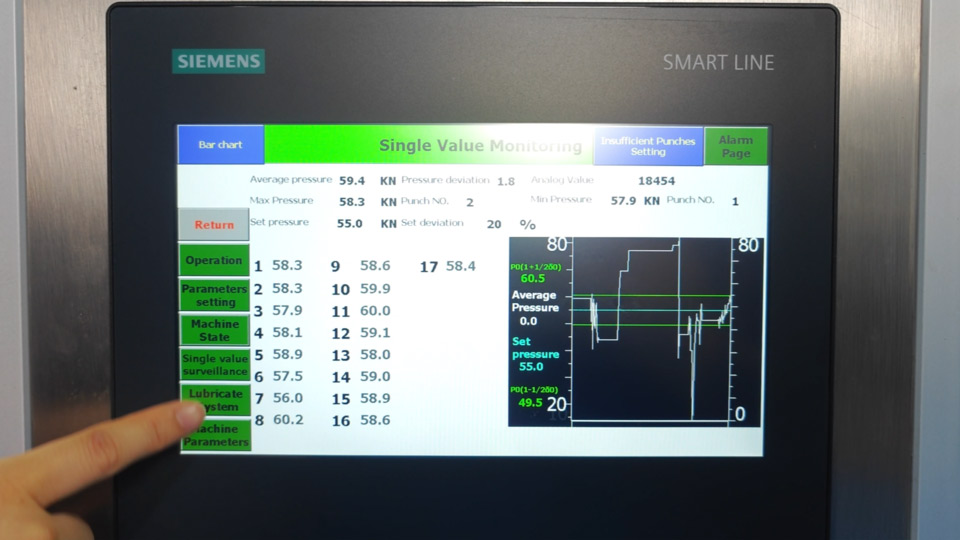
स्थिर बनाए रखना टेबलेट की गुणवत्ता, ऑपरेटर आमतौर पर पूरे उत्पादन चक्र के दौरान संपीड़न बल की निगरानी करते हैं. कई फार्मास्युटिकल उत्पादन लाइनें दबाव सेंसर का उपयोग करती हैं, पीएलसी नियंत्रण प्रणाली, और ऑपरेशन के दौरान दबाव परिवर्तन को ट्रैक करने के लिए टचस्क्रीन ऑपरेटिंग पैनल.
जब दबाव में उतार-चढ़ाव दिखाई देता है, ऑपरेटर जल्दी से भरने की गहराई को समायोजित कर सकते हैं, बुर्ज गति, या टैबलेट दोषों को कम करने और अधिक विश्वसनीय संपीड़न प्रदर्शन बनाए रखने के लिए फीडर सेटिंग्स.
संपीड़न सेटिंग्स आमतौर पर इसके आधार पर समायोजित की जाती हैं:
- टेबलेट का आकार
- पाउडर का घनत्व
- भौतिक गुण
- उत्पादन की गति
कारक 2: सामग्री निर्माण और पाउडर प्रवाह
सामग्री निर्माण एक अन्य प्रमुख कारक है टैबलेट प्रेस उत्पादन. पाउडर प्रवाह क्षमता, नमी की मात्रा, और सहायक अनुकूलता सभी अंतिम टैबलेट गुणवत्ता को प्रभावित करते हैं.
यहां तक कि एक उच्च गुणवत्ता भी रोटरी टैबलेट प्रेस यदि सामग्री प्रवाह खराब है तो स्थिर उत्पादन बनाए नहीं रखा जा सकता है.
कण आकार वितरण भी पाउडर प्रवाह क्षमता और संपीड़न स्थिरता को प्रभावित करता है. यदि दाने का आकार बहुत असमान है, भोजन के दौरान पाउडर पृथक्करण हो सकता है. इससे अस्थिर भरने की गहराई और टैबलेट के वजन में भिन्नता हो सकती है.
पाउडर प्रवाह और नमी क्यों मायने रखती है?
फीडिंग सिस्टम के अंदर लगातार सामग्री की आवाजाही पूरे उत्पादन चक्र में एक समान डाई फिलिंग बनाए रखने में मदद करती है.
अच्छे सामग्री प्रवाह में सुधार होता है:
- टेबलेट वजन स्थिरता
- खुराक की सटीकता
- संपीड़न स्थिरता
- उत्पादन क्षमता
नमी की मात्रा भी प्रभावित करती है टेबलेट की गुणवत्ता. अधिक नमी के कारण चिपकन हो सकती है, जबकि कम नमी के कारण दरारें पड़ सकती हैं.
निर्माता आमतौर पर सामग्री के प्रदर्शन में सुधार करते हैं:
- उचित दानेदार बनाना
- नमी नियंत्रण
- कण आकार अनुकूलन
- प्रवाह योजक
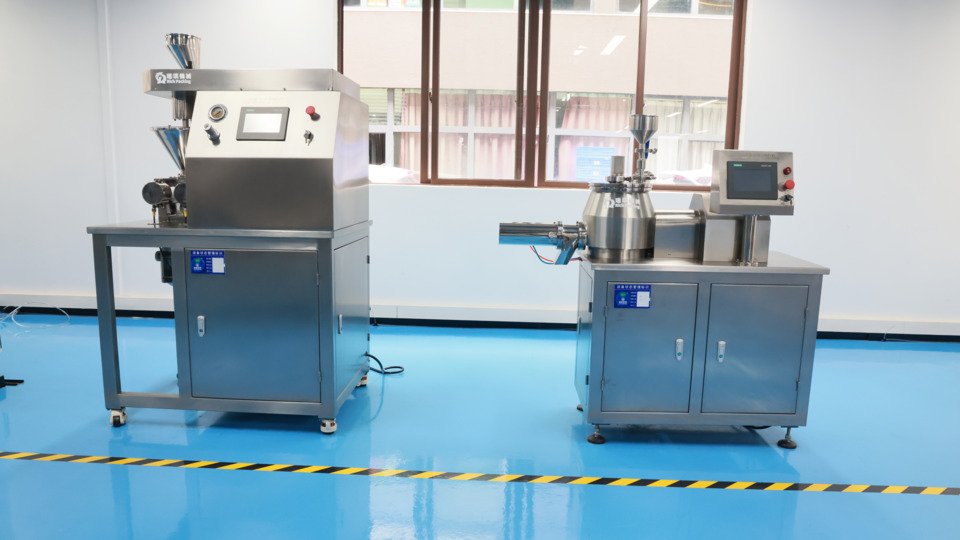
गीले दाने का व्यापक रूप से फार्मास्युटिकल में उपयोग किया जाता है टैबलेट प्रेस उत्पादन क्योंकि यह पाउडर प्रवाह और टैबलेट बॉन्डिंग प्रदर्शन में सुधार करता है. नमी के प्रति संवेदनशील सामग्रियों के लिए सूखा दाना बनाना एक और सामान्य तरीका है जो गीली प्रसंस्करण स्थितियों को बर्दाश्त नहीं कर सकता है.
दोनों दानेदार बनाने के तरीकों का लक्ष्य उच्च गति टैबलेट निर्माण के दौरान संपीड़न स्थिरता में सुधार करना और उत्पादन दोषों को कम करना है.
फॉर्मूलेशन संगतता टैबलेट की गुणवत्ता को कैसे प्रभावित करती है
एक्सीसिएंट्स निष्क्रिय तत्व हैं जिन्हें बेहतर बनाने के लिए जोड़ा जाता है टेबलेट संपीड़न प्रदर्शन.
टैबलेट उत्पादन में आमतौर पर कई प्रकार के एक्सीसिएंट्स का उपयोग किया जाता है:
- बाइंडर्स टैबलेट के कणों को एक साथ पकड़ने में मदद करते हैं
- विघटनकारी सुधरते हैं गोली विघटन
- स्नेहक संपीड़न के दौरान घर्षण को कम करते हैं
- ग्लाइडेंट्स पाउडर प्रवाह क्षमता में सुधार करते हैं
उचित सहायक पदार्थ के चयन से काफी सुधार हो सकता है टेबलेट की गुणवत्ता और उत्पादन समस्याओं को कम करें.
खराब फॉर्मूलेशन संगतता अक्सर इसका कारण बनती है:
- असमान कठोरता
- सतही दोष
- वज़न में भिन्नता
- संपीड़न अस्थिरता
निर्माताओं को बड़े पैमाने पर निर्माण से पहले सामग्री अनुकूलता का परीक्षण करना चाहिए टैबलेट प्रेस उत्पादन शुरू होता है.
कारक 3: पंच और डाई गुणवत्ता
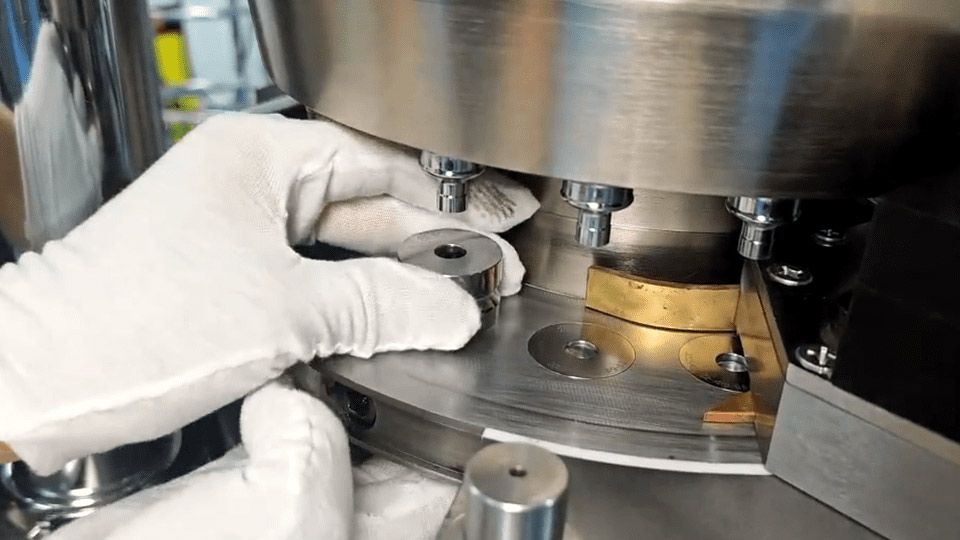
घूँसे और डाईज़ एक के अंदर महत्वपूर्ण टूलींग घटक हैं टैबलेट प्रेस मशीन.
उनकी स्थिति सीधे टैबलेट के आकार को प्रभावित करती है, मोटाई, और स्थिरता.
टूलींग टैबलेट की संगति को कैसे प्रभावित करती है
उच्च गुणवत्ता वाले टूलींग से टैबलेट बनाने में मदद मिलती है:
- एकसमान मोटाई
- चिकनी सतहें
- स्थिर आयाम
- बेहतर उपस्थिति
खराब टूलींग से उच्च गति के दौरान खराबी का खतरा बढ़ जाता है टेबलेट संपीड़न.
घिसे हुए टैबलेट प्रेस टूलींग के लक्षण
निर्माताओं को नियमित रूप से टूलींग का निरीक्षण करना चाहिए:
- सतह पर खरोंचें
- चिपके हुए निशान
- असमान मोटाई
- टेबलेट के किनारे की क्षति
घिसे हुए औजारों को जल्दी बदलने से बर्बादी कम हो सकती है और उत्पादन स्थिरता में सुधार हो सकता है.
कारक 4: टेबलेट प्रेस स्पीड
उत्पादन की गति आउटपुट और दोनों को प्रभावित करती है टेबलेट की गुणवत्ता.
कई कारखाने उत्पादकता में सुधार के लिए मशीन की गति बढ़ाते हैं. तथापि, अत्यधिक गति अक्सर संपीड़न स्थिरता को कम कर देती है.
जैसे-जैसे उत्पादन की गति बढ़ती है, बुर्ज के अंदर केन्द्रापसारक बल भी बढ़ जाता है. इससे पाउडर फीडिंग स्थिरता और टैबलेट भरने की स्थिरता प्रभावित हो सकती है. लंबे उत्पादन चक्रों के दौरान अत्यधिक गति अतिरिक्त गर्मी और मशीन कंपन भी उत्पन्न कर सकती है.
इस कारण से, उच्च गति वाले फार्मास्युटिकल उत्पादन वातावरण में, संपीड़न समस्याओं का शीघ्र पता लगाने के लिए ऑपरेटर अक्सर स्वचालित निगरानी कार्यों पर भरोसा करते हैं.
उच्च गति उत्पादन चुनौतियाँ
उच्च गति रोटरी टैबलेट प्रेस उत्पादन निर्मित हो सकता है:
- वज़न में भिन्नता
- अधूरा भरना
- मशीन कंपन
- गर्मी का निर्माण
जब पाउडर का प्रवाह अस्थिर होता है तो ये समस्याएँ और भी गंभीर हो जाती हैं.
गति और टैबलेट की गुणवत्ता को संतुलित करना
मशीन आउटपुट बढ़ाने से टैबलेट की स्थिरता से समझौता नहीं होना चाहिए, विशेष रूप से फार्मास्युटिकल विनिर्माण वातावरण में जहां सख्त गुणवत्ता नियंत्रण की आवश्यकता होती है.
फार्मास्युटिकल टेबलेट प्रेस उपकरण आमतौर पर उपयोग करता है:
- पीएलसी नियंत्रण प्रणाली
- वास्तविक समय दबाव की निगरानी
- स्वचालित समायोजन प्रणाली
- बुद्धिमान अस्वीकृति प्रणाली
उच्च गति रोटरी टैबलेट प्रेस उत्पादन के लिए स्थिर यांत्रिक प्रदर्शन और सटीक संपीड़न नियंत्रण की आवश्यकता होती है. आधुनिक दवा निर्माता अक्सर वास्तविक समय दबाव की निगरानी के साथ बुद्धिमान नियंत्रण प्रणाली का उपयोग करते हैं, स्वचालित फीडिंग समायोजन, और निरंतर उत्पादन के दौरान टैबलेट की स्थिरता बनाए रखने के लिए स्वचालित अस्वीकृति.
बेहतर दबाव ट्रैकिंग और फीडर नियंत्रण लंबे उत्पादन संचालन के दौरान टैबलेट के वजन में उतार-चढ़ाव को कम कर सकता है [2].
कारक 5: टैबलेट प्रेस मशीन की स्थिरता
मशीन की स्थिरता विश्वसनीयता की नींव में से एक है टैबलेट प्रेस उत्पादन.
यहां तक कि छोटी मशीन के कंपन भी संपीड़न सटीकता और टैबलेट की स्थिरता को प्रभावित कर सकते हैं.
मशीन का कंपन अस्थिर टैबलेट गुणवत्ता के छिपे कारणों में से एक है. अत्यधिक कंपन के कारण असमान संपीड़न बल उत्पन्न हो सकता है, बुर्ज विचलन, और लंबे उत्पादन चक्रों के दौरान टूलींग तेजी से खराब होती है.
हाई-स्पीड में टैबलेट प्रेस उत्पादन, टैबलेट की स्थिरता में सुधार लाने और मशीन के डाउनटाइम को कम करने के लिए स्थिर यांत्रिक प्रदर्शन को बनाए रखना विशेष रूप से महत्वपूर्ण है.
मशीन की परिशुद्धता क्यों मायने रखती है?
मशीन परिशुद्धता प्रभाव:
- संपीड़न बल
- गहराई भरना
- टेबलेट का वजन
- उत्पादन में निरंतरता
उच्चा परिशुद्धि टैबलेट प्रेस मशीन फार्मास्युटिकल निर्माण में प्रणालियाँ विशेष रूप से महत्वपूर्ण हैं क्योंकि खुराक की सटीकता पूरे उत्पादन के दौरान स्थिर रहनी चाहिए [3].
कई दवा उत्पादन लाइनें अब पीएलसी नियंत्रण पैनल और टचस्क्रीन इंटरफेस का उपयोग करती हैं ताकि ऑपरेटर उत्पादन के दौरान संपीड़न डेटा का निरीक्षण कर सकें। ये सिस्टम ऑपरेटरों को दबाव समायोजित करने में मदद करते हैं, गहराई भरना, और बुर्ज की गति अधिक सटीक है.
स्वचालित अस्वीकृति प्रणाली उत्पादन के दौरान दोषपूर्ण टैबलेट को भी हटा सकती है, मिश्रित गुणवत्ता वाले बैचों के जोखिम को कम करना.
उच्च गुणवत्ता वाली टैबलेट प्रेस मशीन की विशेषताएं
एक उच्च गुणवत्ता टैबलेट प्रेस मशीन आमतौर पर शामिल है:
- स्थिर बुर्ज संरचना
- सटीक दबाव नियंत्रण
- स्वचालित स्नेहन
- जीएमपी-संगत डिजाइन
- बुद्धिमान निगरानी प्रणाली
नई टेबलेट प्रेस उपकरण इसमें अक्सर स्वचालित दबाव ट्रैकिंग और आसान ऑपरेटर नियंत्रण कार्य शामिल होते हैं। वास्तविक समय दबाव का पता लगाने जैसी सुविधाएँ, स्वचालित वजन समायोजन, और ऑनलाइन अस्वीकृति प्रणालियाँ निर्माताओं को निरंतर उत्पादन के दौरान स्थिर टैबलेट गुणवत्ता बनाए रखने में मदद करती हैं.
कई उन्नत मशीनें त्वरित टूलींग प्रतिस्थापन और स्वचालित नियंत्रण इंटरफेस का भी समर्थन करती हैं, जो मैन्युअल समायोजन समय को कम करता है और जीएमपी विनिर्माण वातावरण में समग्र उत्पादन दक्षता में सुधार करता है [3].
आम टैबलेट प्रेस समस्याएं और समाधान
टैबलेट में खराबी आम बात है टैबलेट प्रेस उत्पादन, विशेष रूप से उच्च गति वाले विनिर्माण वातावरण में. कई मामलों में, टैबलेट की समस्याएँ फ़ॉर्मूलेशन समस्याओं के संयोजन के कारण होती हैं, संपीड़न सेटिंग्स, टूलींग की स्थिति, पाउडर प्रवाह व्यवहार, और मशीन कंपन.
कुछ दोष डाउनस्ट्रीम पैकेजिंग प्रक्रियाओं को भी प्रभावित कर सकते हैं. उदाहरण के लिए, फटी हुई गोलियाँ बोतल भरने के दौरान टूट सकती हैं, जबकि कैप्ड गोलियाँ ब्लिस्टर पैकेजिंग के दौरान निरीक्षण में विफल हो सकती हैं.
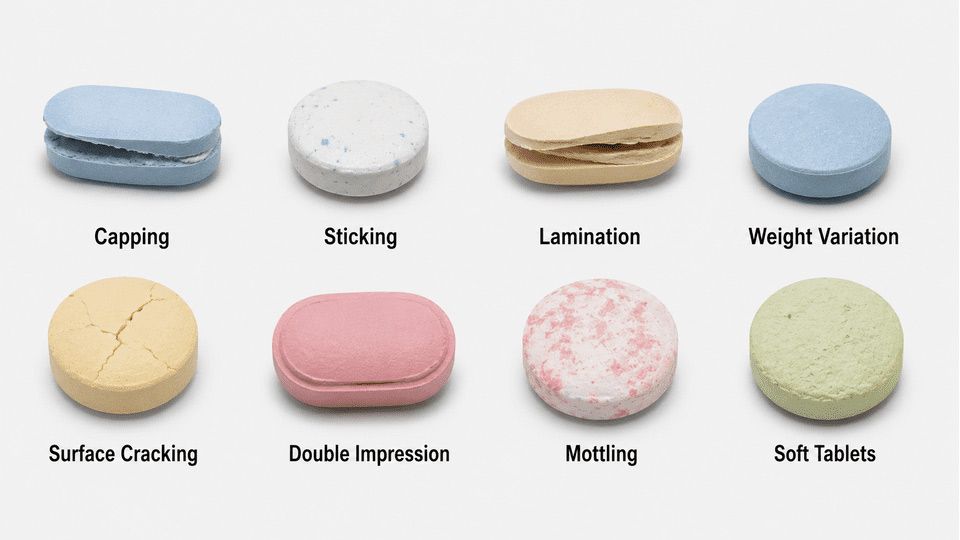
नीचे दी गई तालिका में कई सामान्य टैबलेट दोषों और उनके संभावित कारणों का सारांश दिया गया है टेबलेट संपीड़न उत्पादन.
| टेबलेट मुद्दा | उत्पादन उपस्थिति | सामान्य कारणों में |
| कैपिंग | संपीड़न के बाद ऊपरी या निचला टैबलेट खंड अलग हो जाता है | उच्च बुर्ज गति, अपर्याप्त पूर्व-संपीड़न, अत्यधिक मुख्य दबाव, कम नमी, अपर्याप्त बाइंडर, असमान कण आकार, अत्यधिक चिकनाई, घिसे-पिटे औज़ार, तेज निष्कासन गति |
| फाड़ना | टैबलेट की आंतरिक परतें अलग हो गईं | उच्च गति, अपर्याप्त पूर्व-संपीड़न, अत्यधिक दबाव, फंसी हुई हवा, कम नमी, अपर्याप्त बाइंडर, अत्यधिक चिकनाई, असमान दाने का आकार, तेजी से दबाव रिलीज |
| चिपका | पाउडर छिद्रों पर चिपक जाता है या मर जाता है | उच्च नमी, उच्च तापमान, उच्च चीनी सामग्री, अपर्याप्त स्नेहक, खुरदुरी पंच सतह, गहरी नक्काशी, अत्यधिक दबाव, उच्च आर्द्रता |
| वजन में भिन्नता | टेबलेट का वजन असंगत हो जाता है | ख़राब पाउडर प्रवाह, अस्थिर सामग्री स्तर, फीडर की समस्या, उच्च गति, असमान कण आकार, अत्यधिक महीन पाउडर, असमान नमी, पंच स्थिति में उतार-चढ़ाव, टूलींग घिसाव, मशीन कंपन |
| सतह का टूटना | टेबलेट की सतहों या किनारों पर दृश्यमान फ्रैक्चर दिखाई देते हैं | कम नमी, अत्यधिक संपीड़न बल, बड़े कण का आकार, अपर्याप्त बाइंडर, अत्यधिक चिकनाई, तेज निष्कासन गति, घिसे-पिटे औज़ार, ख़राब टैबलेट आकार डिज़ाइन, उच्च तापमान |
उत्पादन टीमें आमतौर पर संपीड़न बल की समीक्षा करती हैं, सामग्री प्रवाह, नमी का स्तर, बुर्ज गति, और टैबलेट दोषों का निवारण करते समय टूलींग की स्थिति एक साथ.
कैपिंग
कैपिंग तब होती है जब टैबलेट का ऊपरी या निचला भाग संपीड़न के बाद अलग हो जाता है.
यह समस्या आमतौर पर संबंधित है:
- अत्यधिक बुर्ज गति
- अपर्याप्त पूर्व-संपीड़न
- अत्यधिक मुख्य संपीड़न बल
- कम दाना नमी
- ख़राब बाइंडर वितरण
- असमान कण आकार
जब कणिकाओं के अंदर फंसी हवा संपीड़न के दौरान ठीक से बाहर नहीं निकल पाती है, इजेक्शन के दौरान टैबलेट की सतह अलग हो सकती है.
ऑपरेटर अक्सर पूर्व-संपीड़न दबाव को समायोजित करके कैपिंग को कम कर देते हैं, बुर्ज की धीमी गति, दानेदार बनाने की गुणवत्ता में सुधार, और नमी की मात्रा को अधिक सावधानी से नियंत्रित करना.
फाड़ना
लेमिनेशन से तात्पर्य संपीड़न के बाद टैबलेट संरचना के अंदर क्षैतिज पृथक्करण से है.
कई उत्पादन स्थितियाँ लेमिनेशन के जोखिम को बढ़ा सकती हैं:
- कणिकाओं के अंदर अतिरिक्त फंसी हुई हवा
- तीव्र विसंपीडन गति
- अत्यधिक संपीड़न बल
- ख़राब कण आकार वितरण
- अपर्याप्त बाइंडर
- कम नमी की मात्रा
हाई-स्पीड में रोटरी टैबलेट प्रेस उत्पादन, बहुत तेजी से होने वाला दबाव रिलीज आंतरिक टैबलेट के पृथक्करण का कारण भी बन सकता है.
ग्रेन्युल घनत्व में सुधार और संपीड़न विलंब समय को समायोजित करने से निरंतर विनिर्माण के दौरान लेमिनेशन समस्याओं को कम करने में मदद मिल सकती है.
चिपका
चिपकना तब होता है जब पाउडर सामग्री संपीड़न के दौरान पंच या डाई सतहों से जुड़ी रहती है.
उच्च चीनी सामग्री या उच्च नमी फॉर्मूलेशन वाली गोलियों का उत्पादन करते समय यह समस्या विशेष रूप से आम है.
सामान्य कारणों में शामिल हैं:
- उच्च नमी सामग्री
- उच्च उत्पादन तापमान
- अपर्याप्त स्नेहन
- खुरदुरी पंच सतहें
- गहरी पंच उत्कीर्णन
- अत्यधिक संपीड़न बल
- उत्पादन वातावरण के अंदर उच्च आर्द्रता
उत्पादन टीमें अक्सर आर्द्रता नियंत्रण के माध्यम से चिपकने की समस्याओं को कम करती हैं, पंच पॉलिशिंग, स्नेहन समायोजन, और नियमित औज़ारों की सफ़ाई.
लंबे उत्पादन चक्रों के दौरान चिपकने को कम करने के लिए एंटी-आसंजन पंच कोटिंग्स का उपयोग आमतौर पर फार्मास्युटिकल टैबलेट निर्माण में भी किया जाता है.
वजन में भिन्नता
वजन में भिन्नता आमतौर पर तब दिखाई देती है जब उत्पादन के दौरान पाउडर फीडिंग अस्थिर हो जाती है.
इस समस्या के कारण हो सकता है:
- ख़राब पाउडर प्रवाह क्षमता
- असमान कण आकार
- अत्यधिक महीन चूर्ण
- फीडर में रुकावट
- अस्थिर सामग्री स्तर
- मशीन कंपन
- घिसे-पिटे औज़ार
- हाई-स्पीड ऑपरेशन
जब पाउडर समान रूप से डाई गुहाओं में प्रवेश नहीं कर सकता है, निरंतर संपीड़न के दौरान टैबलेट के वजन में उतार-चढ़ाव हो सकता है.
ऑपरेटर अक्सर दानेदार बनाने की गुणवत्ता को अनुकूलित करके वजन नियंत्रण में सुधार करते हैं, फीडर गति को स्थिर करना, और अंदर अत्यधिक कंपन को कम करना टैबलेट प्रेस मशीन.
सतह का टूटना
सतह के टूटने से तात्पर्य दृश्यमान फ्रैक्चर से है जो संपीड़न के बाद टैबलेट के किनारों या सतहों पर दिखाई देते हैं.
यह समस्या आमतौर पर इससे जुड़ी होती है:
- कम नमी की मात्रा
- अत्यधिक संपीड़न बल
- बड़े दाने का आकार
- अपर्याप्त बाइंडर
- अत्यधिक चिकनाई
- तेज़ टैबलेट इजेक्शन
- घिसे-पिटे घूंसे या मर जाते हैं
- ख़राब टैबलेट आकार डिज़ाइन
- उच्च उत्पादन तापमान
कुछ मामलों में, संपीड़न के तुरंत बाद गोलियाँ सामान्य दिखाई दे सकती हैं लेकिन बाद में ठंडा करने या परिवहन के दौरान उनमें दरारें पड़ जाती हैं.
संपीड़न दबाव कम करना, बाइंडर वितरण में सुधार, ग्रेन्युल आकार का अनुकूलन, और उत्पादन तापमान को नियंत्रित करने से टैबलेट निर्माण के दौरान सतह की दरार को कम करने में मदद मिल सकती है.
आधुनिक टैबलेट प्रेस उत्पादन में टैबलेट की गुणवत्ता कैसे सुधारें
में सुधार टेबलेट की गुणवत्ता मशीन अनुकूलन और प्रक्रिया नियंत्रण दोनों की आवश्यकता होती है.
निर्माताओं को नियमित रूप से उत्पादन स्थितियों की निगरानी करनी चाहिए और संपीड़न मापदंडों को समायोजित करना चाहिए.
ऑपरेटर प्रशिक्षण भी स्थिरता बनाए रखने में महत्वपूर्ण भूमिका निभाता है टैबलेट प्रेस उत्पादन. अनुभवी ऑपरेटर असामान्य मशीन ध्वनियों की पहचान कर सकते हैं, दबाव बदलता है, या गंभीर दोष प्रकट होने से पहले भोजन संबंधी समस्याएं.
गुणवत्ता नियंत्रण में सुधार के लिए उत्पादन डेटा निगरानी एक और महत्वपूर्ण तरीका है. कई दवा निर्माता अब बैच ट्रैसेबिलिटी और प्रक्रिया अनुकूलन के लिए वास्तविक समय संपीड़न डेटा रिकॉर्ड करते हैं.
नियमित मशीन रखरखाव
नियमित रखरखाव रोकने में मदद करता है:
- टूलींग घिसाव
- दबाव अस्थिरता
- स्नेहन की समस्या
- अप्रत्याशित डाउनटाइम
फ़ेट कॉम्पैक्टिंग जैसे फार्मास्युटिकल उपकरण आपूर्तिकर्ता, कोर्श एजी, और रुएडा पैकिंग तकनीकी सहायता भी प्रदान करें, टूलींग मार्गदर्शन, और टैबलेट उत्पादन लाइनों के लिए रखरखाव सेवाएँ.
स्वचालित टैबलेट प्रेस उपकरण का उपयोग करना
स्वचालित में सामान्य कार्य टेबलेट प्रेस उपकरण शामिल करना:
- वास्तविक समय में निगरानी
- बुद्धिमान दबाव नियंत्रण
- स्वचालित अस्वीकृति प्रणाली
- उत्पादन डेटा ट्रैकिंग
बेहतर दबाव नियंत्रण और भराव समायोजन के साथ, ऑपरेटर सामग्री की बर्बादी को कम कर सकते हैं और अधिक समान टैबलेट उत्पादन बनाए रख सकते हैं.
कुछ टैबलेट प्रेस मशीनें टचस्क्रीन ऑपरेटिंग पैनल का भी उपयोग करें, स्वचालित दबाव ट्रैकिंग, और निरंतर विनिर्माण के दौरान सामग्री अपशिष्ट को कम करने के लिए ऑनलाइन अस्वीकृति कार्य करता है.
निष्कर्ष
कई महत्वपूर्ण कारक प्रभावित करते हैं टेबलेट की गुणवत्ता दौरान टैबलेट प्रेस उत्पादन. संपीड़न बल, सामग्री निर्माण, टूलींग की स्थिति, उत्पादन की गति, और मशीन की स्थिरता सभी टैबलेट के अंतिम प्रदर्शन को प्रभावित करते हैं.
जो निर्माता इन कारकों की सावधानीपूर्वक निगरानी करते हैं वे दोषों को कम कर सकते हैं, दक्षता में सुधार, और स्थिर उत्पादन गुणवत्ता बनाए रखें.
जैसे-जैसे फार्मास्युटिकल विनिर्माण स्वचालन और बुद्धिमान उत्पादन की ओर बढ़ रहा है, स्थिर टैबलेट प्रेस मशीन गुणवत्ता नियंत्रण और उत्पादन दक्षता के लिए प्रणालियाँ और भी महत्वपूर्ण हो जाएंगी.
उपकरण निर्माता अब सर्वो-संचालित नियंत्रणों का उपयोग कर रहे हैं, डिजिटल दबाव ट्रैकिंग, और लंबे उत्पादन चक्रों के दौरान उत्पाद भिन्नता को कम करने के लिए फार्मास्युटिकल टैबलेट उत्पादन लाइनों में स्वचालित अस्वीकृति कार्य करता है.
स्वचालित टेबलेट प्रेस उपकरण उत्पादन टीमों को डाउनटाइम कम करने और अधिक विश्वसनीय संपीड़न प्रदर्शन बनाए रखने में भी मदद मिलती है। उपकरण आपूर्तिकर्ता फार्मास्युटिकल और न्यूट्रास्युटिकल निर्माताओं को लगातार समर्थन दे रहे हैं, उच्च दक्षता वाले टैबलेट प्रेस समाधान.
अक्सर पूछे जाने वाले प्रश्न
टैबलेट उत्पादन के लिए आदर्श नमी की मात्रा क्या है??
नमी की मात्रा को विभिन्न टैबलेट फॉर्मूलेशन के भौतिक गुणों और संपीड़न आवश्यकताओं के अनुसार समायोजित किया जाना चाहिए। संतुलित नमी चिपकने की समस्या को कम करते हुए जुड़ाव में सुधार करती है.
एक रोटरी टैबलेट प्रेस टैबलेट की स्थिरता में कैसे सुधार कर सकती है??
ए रोटरी टैबलेट प्रेस स्थिर फीडिंग सिस्टम के माध्यम से स्थिरता में सुधार होता है, निरंतर संपीड़न, और स्वचालित दबाव नियंत्रण.
टैबलेट प्रेस टूलिंग को कितनी बार बदला जाना चाहिए?
टैबलेट प्रेस टूलींग का उत्पादन तीव्रता और सामग्री घर्षण के आधार पर नियमित रूप से निरीक्षण किया जाना चाहिए. पंच या डाई घिसाव का शीघ्र पता लगाने से टैबलेट की खराबी और अप्रत्याशित मशीन डाउनटाइम को रोकने में मदद मिल सकती है.
संदर्भ
[1] हम. खाद्य और औषधि प्रशासन (एफडीए) - फार्मास्युटिकल गुणवत्ता संसाधन
HTTPS के://www.fda.gov/drugs/development-approval-process-drugs/pharmaceutical-quality-resources
[2] हम. खाद्य और औषधि प्रशासन (एफडीए) - वर्तमान अच्छा विनिर्माण अभ्यास (सीजीएमपी)
HTTPS के://www.fda.gov/drugs/pharmaceutical-quality-resources/facts-about-current-good-manufacturing-practice-cgmp
[3] विश्व स्वास्थ्य संगठन (कौन) - फार्मास्युटिकल उत्पादों के लिए अच्छी विनिर्माण प्रथाएँ
HTTPS के://www.who.int/publications/m/item/trs986-annex2