เมื่อสักวันหนึ่งคุณพบว่า ซอฟเจลรั่วบนสายพานตรวจสอบของคุณ, คุณต้องรู้สิ่งนั้น มันเป็นสายการผลิตของคุณที่คอยบอกคุณว่ามีบางอย่างผิดปกติเกิดขึ้นอย่างเงียบๆ.
หากคุณดำเนินการผลิตซอฟเจลสำหรับโรงงานโภชนเภสัชหรือโรงงานเภสัชกรรม, คุณรู้อยู่แล้วว่าข้อบกพร่องในการผลิตแคปซูลซอฟเจลเป็นมากกว่าความรำคาญด้านเครื่องสำอาง. ข้อบกพร่องเช่นการรั่วไหล, แคปซูลที่ติดอยู่และเปลือกที่แตกร้าวทำให้การตรวจสอบ GMP ของคุณตกอยู่ในความเสี่ยง. คู่มือการแก้ไขปัญหาแคปซูลซอฟเจลนี้จะอธิบายข้อบกพร่องของแคปซูลซอฟเจลที่พบบ่อยที่สุด, อธิบายสาเหตุที่แท้จริงจากมุมมองการผลิตจริง, และแสดงวิธีแก้ไขที่ใช้งานได้จริงในโรงงาน. ไม่ว่าคุณกำลังจัดการกับยาแคปซูลหรืออาหารเสริม, การเรียนรู้การป้องกันข้อบกพร่องของแคปซูลซอฟเจลเป็นกุญแจสู่ความสำเร็จ.
ประเด็นสำคัญ
- เหตุใดข้อบกพร่องในการผลิตแคปซูลซอฟเจลจึงส่งสัญญาณความไม่เสถียรของกระบวนการ, ไม่ใช่แค่ “แคปซูลที่ไม่ดี”
- ด้านบน 5 ข้อบกพร่องทั่วไปของแคปซูลซอฟเจล, สาเหตุของพวกเขา, และการแก้ไขที่ได้รับการพิสูจน์แล้ว.
- แนวปฏิบัติที่ดีที่สุดสำหรับการป้องกันข้อบกพร่องของแคปซูลซอฟเจลในวัสดุต่างๆ, กระบวนการ, การอบแห้ง, และผู้คน.
- วิธีการเลือกอุปกรณ์ห่อหุ้มซอฟเจลที่เชื่อถือได้เพื่อความเสถียร, การผลิตที่ได้มาตรฐาน GMP.
1. ทำความเข้าใจว่าซอฟเจลแคปซูลคืออะไร
ก่อนที่จะดำดิ่งลงสู่ปัญหาการผลิตซอฟเจล, จำเป็นอย่างยิ่งที่จะต้องตอบคำถามพื้นฐานบางข้อที่ผู้มาใหม่ในอุตสาหกรรมมักถาม: ซอฟเจลคืออะไรเมื่อเทียบกับรูปแบบอื่น?
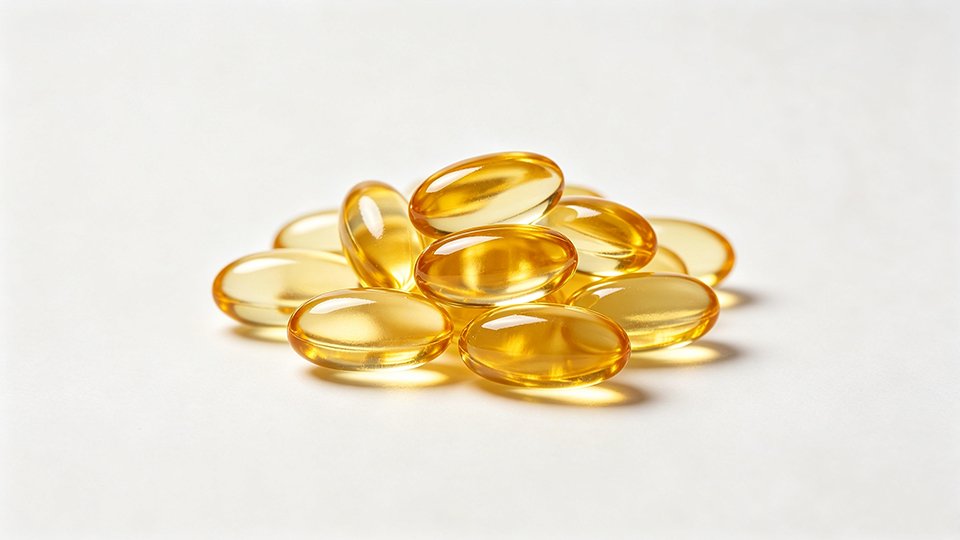
แคปซูลซอฟเจลคือเปลือกเจลาตินที่ต่อกันซึ่งมีของเหลวหรือน้ำมันผสมอยู่. บางทีคุณอาจสงสัยว่าแคปซูลเจลทำมาจากอะไร, เปลือกประกอบด้วยเจลาตินเป็นหลัก, น้ำ, และพลาสติไซเซอร์เช่นกลีเซอรีน.
การทำความเข้าใจวิธีการทำแคปซูลต้องดูกระบวนการเตรียมแคปซูลซอฟเจล, ซึ่งเกี่ยวข้องกับการละลายเจลาติน, ขึ้นรูปริบบิ้น, การฉีดเติม, และปิดผนึกไปพร้อมๆ กัน.
2. เหตุใดการผลิตแคปซูลซอฟเจลจึงมีความสำคัญ
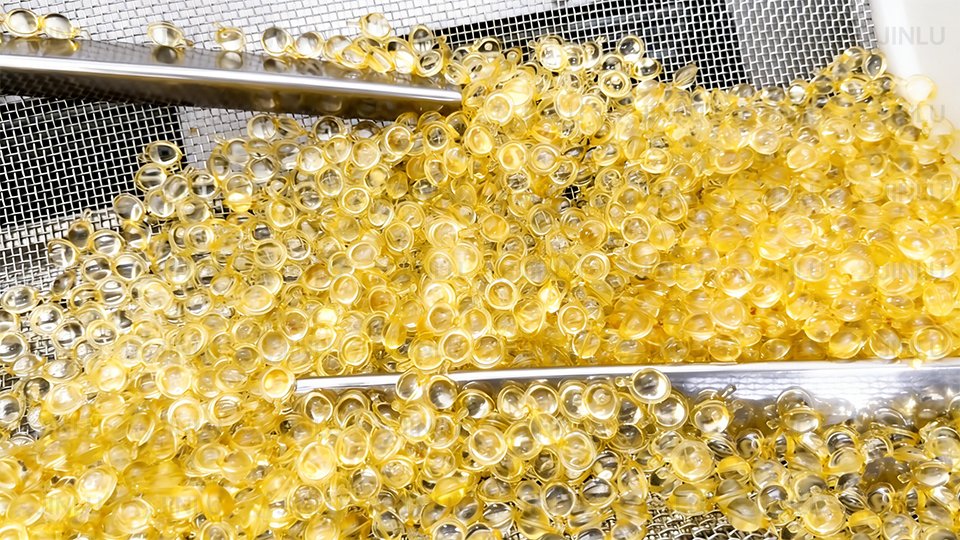
ลองนึกภาพเช้าวันจันทร์ทั่วไปในต้นซอฟเจล. เครื่องห่อหุ้มส่งเสียงดังตลอดสุดสัปดาห์, แก้วน้ำสำหรับเป่าแห้งเต็มแล้ว, แล้วจู่ๆ ก็พบว่ามีกลุ่มซอฟต์เจลรวมตัวกันเหมือนองุ่น, และเปลือกบางๆ ก็แตกออกเหมือนเปลือกไข่. ไม่มีใครตื่นตระหนก, แต่ทุกคนก็รู้คำถามต่อไป: นี่เป็นถาดที่ไม่ดีหรือเปล่า, หรือแบตช์ที่ไม่ดี?
คำถามนั้นคือสาเหตุที่ข้อบกพร่องในการผลิตแคปซูลซอฟเจลสมควรได้รับความสนใจอย่างจริงจัง. พูดง่ายๆ, ปัญหาข้อบกพร่องของแคปซูลซอฟเจลคือการเบี่ยงเบนใดๆ ที่ส่งผลเสียต่อสายการผลิต. มันอาจจะนอนอยู่ในตะเข็บ, รูปร่าง, น้ำหนัก, หรือความสมบูรณ์ของเปลือก. แต่นี่คือการเปลี่ยนแปลงกรอบความคิดที่แยกพืชทั่วไปออกจากพืชที่ดีเยี่ยม: ข้อบกพร่องไม่ได้เป็นเพียง “แคปซูลที่ไม่ดี,” มันเป็นอาการของความไม่เสถียรของกระบวนการ. ยาแคปซูลที่รั่วไหลมักจะชี้ไปที่ความหนืดของเจลาติน, ความหนาของริบบิ้น, ความดันม้วนตาย, หรือปัญหาการแห้งของซอฟเจลลอยอยู่นอกระยะ.
เงินเดิมพันมีการเติบโตอย่างรวดเร็ว. ผลการวิจัยชี้ว่าทั่วโลก แคปซูลซอฟเจล คาดว่าตลาดจะขยายตัวเป็นสองเท่าและมีมูลค่าประมาณ 14 พันล้านดอลลาร์ภายในนั้น 2030. หมายความว่าทุกๆ เปอร์เซ็นต์ของแคปซูลซอฟเจลที่ถูกปฏิเสธแสดงถึงการสูญเสียที่มีราคาแพงมากขึ้นเรื่อยๆ ในกลุ่มที่มีการผลิตยาแคปซูลนับล้านต่อวัน. ด้วยเหตุนี้, ถึงเวลาแล้วที่จะต้องระมัดระวังต่อข้อบกพร่องของซอฟเจลที่อาจเกิดขึ้น.
3. สูงสุด 5 ข้อบกพร่องในการผลิตแคปซูลซอฟเจล
ปัญหาในการผลิตซอฟเจลส่วนใหญ่ย้อนกลับไปที่ตัวแปรจำนวนหนึ่ง: สูตรเจลาติน, การควบคุมริบบิ้น, การตั้งค่าเครื่อง, คุณสมบัติของวัสดุ, และสภาวะการอบแห้ง. เนื่องจากกระบวนการห่อหุ้มซอฟเจลนั้นเป็นลูกโซ่ของขั้นตอนที่เชื่อมโยงกันแน่นรวมถึงการละลายเจลาติน, การหล่อริบบิ้น, การห่อหุ้ม, และการทำให้แห้ง, การโยกเยกเล็กน้อยในช่วงแรกๆ จะถูกขยายออกไปที่ปลายน้ำ, เหมือนเสียงกระซิบที่กลายเป็นข่าวลือที่ปลายทางเดิน.
ด้านล่างนี้คือปัญหาแคปซูลซอฟเจลห้าประการที่ทีมผู้ผลิตค้นหาและประสบปัญหามากที่สุด, เรียงลำดับจากมากไปหาน้อย.
การรั่วไหลของแคปซูลซอฟเจล & คุณภาพตะเข็บไม่ดี
ถามผู้ปฏิบัติงานซอฟต์เจลคนใดที่ทำให้พวกเขานอนไม่หลับในเวลากลางคืน, และการรั่วไหลของแคปซูลซอฟเจลจะอยู่ในอันดับต้นๆ ของรายการ. การรั่วไหลของแคปซูลซอฟเจลเกิดขึ้นเมื่อวัสดุซึมผ่านตะเข็บที่อ่อนแอหรือมีจุดบางๆ ในเปลือก พูดโดยทั่วไป, เป็นเรื่องยากสำหรับผู้เติมอากาศในการระบุข้อบกพร่องด้วยสายตา, แต่ด้วยมือ. ดังนั้น, มันสายเกินไปแล้วเมื่อคุณพบซอฟเจลมันเยิ้มอยู่ในมือ.
จากมุมมองของผู้ปฏิบัติงาน, การรั่วไหลมักจะย้อนกลับไปถึงความสมบูรณ์ของการปิดผนึก อาจเกิดจากข้อบกพร่องของริบบิ้นเจลาตินที่บางเกินไปหรือแห้งเกินไป, อุณหภูมิลิ่มตั้งไว้ต่ำเกินไปสำหรับการหลอมละลายที่เหมาะสม, ม้วนแม่พิมพ์ที่ไม่ตรงแนว, หรือเติมวัสดุที่ปนเปื้อนบริเวณซีลระหว่างการฉีด. งานวิจัยที่ตีพิมพ์ใน NCBI ยังยืนยันว่าปริมาณความชื้นที่มากเกินไปในเปลือกแคปซูลทำให้คุณสมบัติทางกลของแคปซูลลดลง และเพิ่มความเสี่ยงในการรั่วโดยตรง.
คุณภาพของตะเข็บซอฟเจลที่ไม่ดีนั้นมีความสัมพันธ์กันอย่างใกล้ชิด แต่แตกต่างจากการรั่วไหลของแคปซูล. ที่นี่แคปซูลเจลาตินอ่อนผ่านการตรวจสอบเบื้องต้น, แล้วแยกออกที่ตะเข็บในวันต่อมาเพื่อเก็บไว้ ความล้มเหลวของการปิดผนึกซอฟเจลคือเวอร์ชันการหน่วงเวลาของตัวรั่ว, และอันตรายกว่าเพราะหนีออกจากโรงงาน.
สารละลาย: วิธีป้องกันการรั่วซึมของแคปซูลซอฟเจล? ติดตามความชื้นของเปลือกไข่ตลอดการอบแห้ง และดำเนินการทดสอบการรั่วซึมเป็นประจำในระหว่างการทดลองกระบวนการผลิตซอฟเจลเป็นชุดจำนวนน้อย. นอกจาก, ตรวจสอบให้แน่ใจว่าอุณหภูมิอยู่ในระดับสูงเพียงพอสำหรับการปิดผนึกและมีเสถียรภาพเกือบตลอดเวลา. สำหรับคุณภาพของตะเข็บ, คุณต้องลดความเร็วลงเล็กน้อยก่อน.
สารละลาย: ดังนั้น, หากคุณสงสัยว่าจะปรับปรุงคุณภาพซีลซอฟเจลได้อย่างไร, ลดความเร็วลงเล็กน้อยก่อน. จากนั้นรักษาอุณหภูมิการซีลให้คงที่เพื่อการติดที่สม่ำเสมอ.
แคปซูลซอฟเจลติดกัน
การติดซอฟเจลมักเกิดขึ้นเมื่อแคปซูลออกจากเครื่องซึ่งมีความชื้นบนพื้นผิวมากเกินไปหรือสารหล่อลื่นตกค้าง, แล้วมาอัดรวมกันก่อนที่เปลือกจะแข็งตัว.
ทำไมแคปซูลซอฟเจลถึงติดกัน? สภาพการอบแห้งและความเย็นที่ไม่เพียงพอจะทิ้งความชื้นที่ตกค้างไว้บนพื้นผิวแคปซูล, ซึ่งทำหน้าที่เหมือนกาวอ่อนระหว่างแคปซอฟเจลที่อยู่ใกล้เคียง.
สารละลาย: เพื่อแก้ไขมัน, คุณต้องรักษากระแสลมของแก้วน้ำให้แรง, ควบคุมห้องอบแห้งที่อุณหภูมิ 20–25°C และ 20–35% RH, และลดความลึกของเตียงแคปซูลในถาด เพื่อให้แคปซูลซอฟเจลแต่ละแคปซูลสามารถหายใจได้จริง.
แคปซูลซอฟเจลแตกตัวหลังจากการอบแห้ง
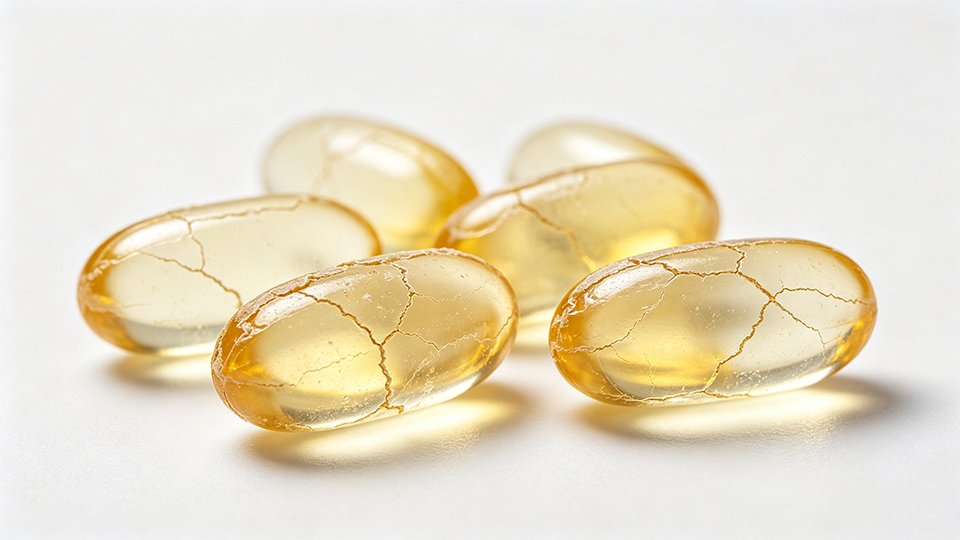
การแตกร้าวของแคปซูลซอฟเจลเป็นสัญญาณของสภาวะที่แห้งมากเกินไป เมื่อเจลาตินสูญเสียความชื้นไปมาก.
สาเหตุของการแตกร้าวของแคปซูลซอฟเจลมักเกิดจากการผสมและการทำให้แห้ง. ในส่วนของการกำหนด, มันหมายถึงพลาสติไซเซอร์น้อยเกินไป, ในขณะที่อุณหภูมิการอบแห้งที่สูงมากเป็นอีกเหตุผลหนึ่ง
สารละลาย: เพื่อขจัดสาเหตุของการแตกร้าวของแคปซูลซอฟเจล, วิธีแก้ไขคือปรับอัตราส่วนสูตรใหม่ (โดยทั่วไป 0.4–0.8:1 ขึ้นอยู่กับการเติม), และหยุดทำให้แห้งเมื่อความชื้นของเปลือกถึงประมาณ 6–10%.
ซอฟเจลเติมการเปลี่ยนแปลงน้ำหนัก
ลูกสูบชำรุดหรือการตั้งค่าปั๊มไม่ถูกต้องเป็นสาเหตุของน้ำหนักที่ไม่สอดคล้องกัน. สิ่งเหล่านี้เป็นสาเหตุของการเปลี่ยนแปลงน้ำหนักของซอฟเจลทั่วไป.
หากเครื่องซอฟเจลของคุณไม่มีเซอร์โวมอเตอร์, จากนั้นคุณจะต้องปรับเทียบปั๊มสูบจ่ายอย่างสม่ำเสมอ, หรือจะอัพเกรดระบบปั๊มก็ได้. นั่นเป็นเพราะว่าเครื่องจักรสมัยใหม่ที่มีระบบจ่ายสารที่ขับเคลื่อนด้วยเซอร์โวจะรองรับน้ำหนักเติมได้ภายใน ±1%.
ฟองอากาศในเปลือกเจลาติน
เมื่อเครื่องจักรของคุณถูกนำไปผลิต, บางครั้งคุณอาจเห็นฟองเล็กๆ ติดอยู่ในเปลือก. ฟองเหล่านี้, หรือข้อบกพร่องของริบบิ้นเจลาติน, ดูไม่เป็นอันตราย, แต่จะสร้างจุดอ่อนจนกลายเป็นรอยรั่วหรือรอยแตกในภายหลัง
การแก้ไขอาศัยอยู่ในกระบวนการละลายของกาลาติน ใช้เครื่องดูดอากาศออกจนหมดจนกระทั่งมวลเจลไม่มีฟองอย่างเห็นได้ชัด, ปล่อยให้มันพักที่อุณหภูมิคงไว้ (โดยทั่วไปอุณหภูมิจะอยู่ที่ 57–60°C), และหลีกเลี่ยงการถ่ายโอนเจลาตินด้วยปั๊มที่นำอากาศกลับคืนมา. หากฟองสบู่ยังคงมีอยู่, ตรวจสอบว่าเจลาตินถูกเก็บไว้นานเกินไปหรือไม่.
4. แนวทางปฏิบัติที่ดีที่สุดในการป้องกันข้อบกพร่องในการผลิตซอฟเจล
การรู้ห้าอันดับแรกคือการวินิจฉัย; การป้องกันคือการรักษา. ข่าวดีจากคู่มือการผลิตซอฟเจลนี้คือปัญหาด้านคุณภาพของแคปซูลซอฟเจลส่วนใหญ่ตอบสนองต่อสี่สาขาวิชาเดียวกัน.
ควบคุมวัตถุดิบก่อน
คุณภาพที่สม่ำเสมอเริ่มต้นด้วยวัสดุที่สม่ำเสมอ. ตรวจสอบความแข็งแรงของบลูมเจลาติน, ความหนืด, และอัตราส่วนพลาสติไซเซอร์ก่อนเริ่มเทคนิคการผลิตกระบวนการผลิตแคปซูล, แทนที่จะแก้ไขปัญหาระหว่างการห่อหุ้ม. วัตถุดิบที่ผ่านการรับรองและสูตรมาตรฐานมอบรากฐานที่มั่นคงสำหรับกระบวนการผลิตซอฟเจลทั้งหมด และช่วยให้บรรลุการป้องกันข้อบกพร่องของแคปซูลซอฟเจลอย่างแท้จริง.
ติดตามกระบวนการแบบเรียลไทม์
การเบี่ยงเบนกระบวนการเล็กน้อยอาจกลายเป็นข้อบกพร่องของซอฟต์เจลที่มีราคาแพงได้อย่างรวดเร็ว การตรวจสอบความหนาของริบบิ้นเป็นประจำ, คุณภาพตะเข็บ, เติมน้ำหนัก, และรูปลักษณ์ของแคปซูลช่วยให้ผู้ปฏิบัติงานตรวจพบแนวโน้มได้ตั้งแต่เนิ่นๆ และทำการปรับเปลี่ยนก่อนที่ทั้งชุดจะได้รับผลกระทบ.
เจมส์ โอคาฟอร์, ที่ปรึกษาด้านการผลิตที่มีประสบการณ์สำหรับการปฏิบัติงานด้านปริมาณของแข็ง, สรุปได้ดี: “บันทึกแบทช์จะบอกคุณว่าเกิดอะไรขึ้น; แผนภูมิแนวโน้มจะบอกคุณถึงสิ่งที่กำลังจะเกิดขึ้น” ความแตกต่างนั้นเป็นปรัชญาทั้งหมดของการควบคุมคุณภาพการผลิตซอฟเจล.
ถือว่าห้องอบแห้งเป็นอุปกรณ์ที่สำคัญ
การอบแห้งมีความสำคัญพอๆ กับการห่อหุ้ม. เพื่อหลีกเลี่ยงปัญหากระบวนการทำให้แห้งของซอฟเจล, รักษาอุณหภูมิและความชื้นที่ควบคุมอย่างเข้มงวด, ตรวจสอบความชื้นของเปลือกแทนที่จะอาศัยเพียงเวลาในการทำให้แห้ง, และมีคุณสมบัติห้องอบแห้งภายใต้ข้อกำหนด GMP. การควบคุมสิ่งแวดล้อมที่เหมาะสมช่วยลดการเกาะติดได้อย่างมาก, แคร็ก, และการเสียรูป.
ฝึกอบรมผู้คนและบำรุงรักษาอุปกรณ์
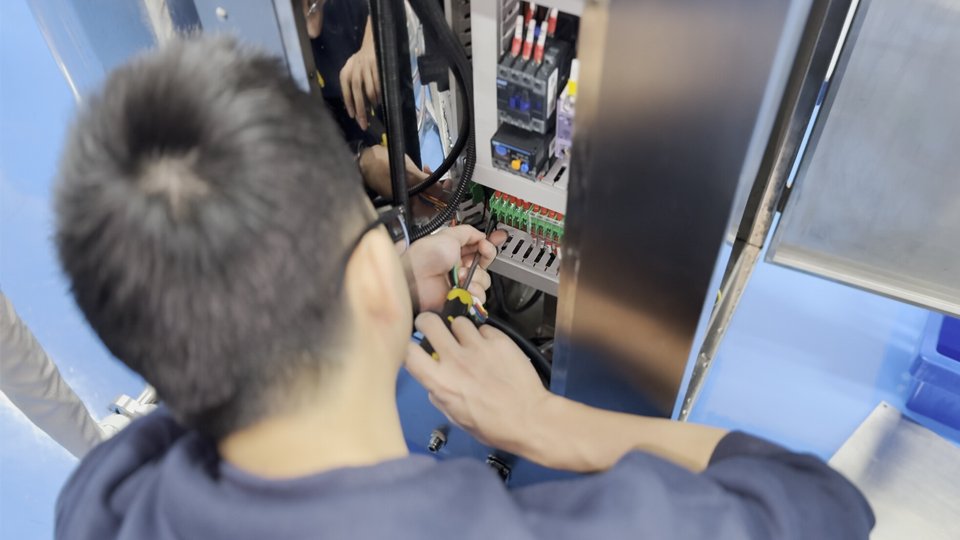
แม้แต่อุปกรณ์ขั้นสูงก็ยังต้องการผู้ปฏิบัติงานที่มีทักษะและการบำรุงรักษาตามปกติ. จัดทำเอกสารคู่มือการแก้ไขปัญหาแคปซูลซอฟเจลของคุณและฝึกอบรมผู้ปฏิบัติงานเกี่ยวกับแนวทางปฏิบัติที่ดีที่สุดในการผลิตซอฟเจล GMP.
5. การเลือกอุปกรณ์การผลิตซอฟเจลที่เหมาะสม
การป้องกันข้อบกพร่องของแคปซูลซอฟเจลไม่สามารถชดเชยเครื่องจักรที่ไม่สามารถคงการตั้งค่าไว้ได้. เนื่องจากท้ายที่สุดแล้วการป้องกันข้อบกพร่องจะขึ้นอยู่กับความเสถียรของกระบวนการ, เครื่องห่อหุ้มของคุณอาจเป็นพันธมิตรที่แข็งแกร่งที่สุดหรือเป็นแหล่งปัญหาการผลิตซอฟเจลที่คงอยู่ยาวนานที่สุดของคุณ.
วิธีการเลือกอุปกรณ์ห่อหุ้มซอฟเจล
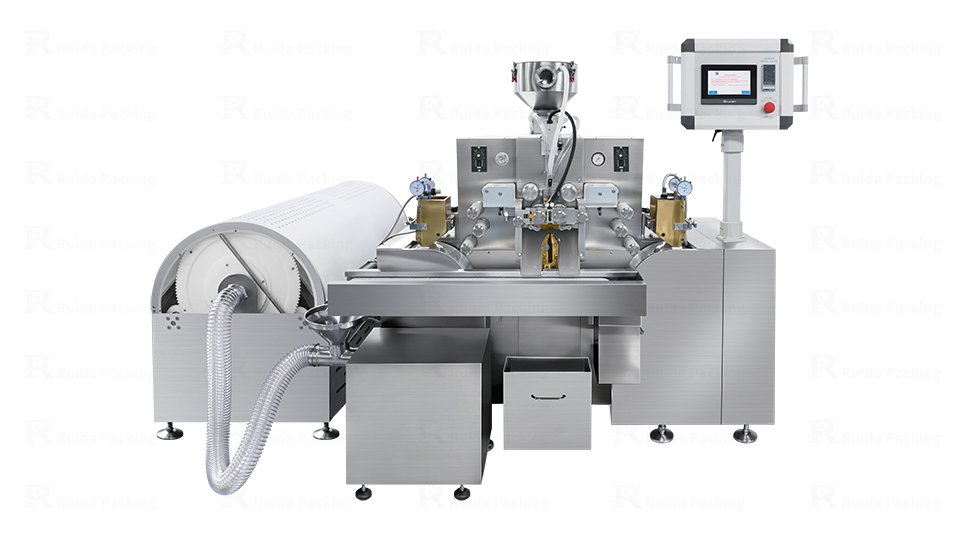
ไม่ว่าคุณจะผลิตแคปซูลยาหรือซอฟต์เจลทางโภชนาการ, ประเมินอุปกรณ์ตามรายการข้อบกพร่องด้านล่าง.
การจ่ายสารที่ขับเคลื่อนด้วยเซอร์โว: ขจัดความผันแปรของน้ำหนักบรรจุในวิธีการผลิตกระบวนการผลิตแคปซูล.
การควบคุมริบบิ้นเจลาตินอัตโนมัติ: ดักจับความหนาก่อนที่จะรั่วซึม ป้องกันการรั่วซึมของแคปซูลซอฟเจล.
การตรวจสอบน้ำหนักออนไลน์: การควบคุมคุณภาพแคปซูลซอฟเจลแบบเรียลไทม์ แทนที่จะต้องประหลาดใจเมื่อสิ้นสุดแบตช์.
การจัดการสูตร PLC: ล็อคพารามิเตอร์ที่ได้รับการตรวจสอบแล้วสำหรับทุกกระบวนการสร้างแคปซูล, รวมถึงเทคนิคการผลิตและการเปลี่ยนแปลง.
การออกแบบที่ได้มาตรฐาน GMP: 316L ส่วนติดต่อและเอกสาร FAT.
ทำความสะอาดง่าย: เร็ว, การถอดแยกชิ้นส่วนโดยไม่ต้องใช้เครื่องมือช่วยลดระยะเวลาการเปลี่ยนและป้องกันการปนเปื้อนข้ามระหว่างยาแคปซูล.
ระบบปิดผนึกที่มั่นคง: เพื่อต่อสู้กับความล้มเหลวของซีลซอฟเจล, แรงดันแม่พิมพ์ที่สม่ำเสมอและการทำความร้อนแบบลิ่ม, รากฐานของคุณภาพตะเข็บซอฟเจล.
Ruida Packing: 10+ ผู้เชี่ยวชาญหลายปีในการพัฒนาอุปกรณ์ห่อหุ้มซอฟเจล
ด้วยประสบการณ์กว่าทศวรรษที่ทุ่มเทให้กับเครื่องจักรห่อหุ้มซอฟเจล, รุยด้า แพ็คกิ้ง ได้เติบโตขึ้นเป็นพันธมิตรด้านอุปกรณ์ที่เชื่อถือได้สำหรับผู้ผลิตยาและโภชนเภสัชทั่วโลก, รวมถึงความร่วมมืออย่างใกล้ชิดกับฟอร์จูน 500 บริษัทยาเช่นโรบินสัน, ยูซีบี, และเภสัชภัณฑ์ของสหรัฐอเมริกา. เครื่องซอฟเจล Ruida ทุกเครื่องถูกสร้างขึ้นเพื่อ CE, CGMP, และมาตรฐานสากลไอเอสโอ, ออกแบบมาโดยเฉพาะเพื่อกำจัดแหล่งที่มาของข้อบกพร่องที่กล่าวถึงข้างต้น.
สำหรับการบรรจุ Ruida, เราไม่เคยนำเสนอเพียงแค่เครื่องจักรเท่านั้น, การบริการการขายที่รวดเร็วคือความสามารถหลักของเรา:
7-จัดส่งทั่วโลกทุกวัน: มีสต็อกเพียงพอ, จัดส่งทั่วโลกภายในหนึ่งสัปดาห์.
ศูนย์หลังการขายในพื้นที่: ศูนย์บริการในอเมริกาเหนือและฮ่องกง, เสนอการทดสอบการใช้งานทั้งระยะไกลและนอกสถานที่.
ปรึกษาฟรีตลอดชีพ: การสนับสนุนทางเทคนิคหลังการขายตลอดอายุการใช้งานเครื่องจักรของคุณ.
6. บทสรุป
ข้อบกพร่องในการผลิตแคปซูลซอฟเจลเป็นปัญหาที่ยุ่งยากแต่ควบคุมได้. การแก้ไขที่เหมาะสม, การตรวจปกติ, และการป้องกันอย่างทันท่วงทีสามารถขจัดข้อบกพร่องส่วนใหญ่ได้. ข้อบกพร่องและวิธีแก้ปัญหาการห่อหุ้มซอฟเจลทั่วไปเหล่านี้สามารถให้ข้อมูลเชิงลึกแก่คุณได้บ้าง. หากคุณประสบปัญหาดังกล่าวและกำลังขอความช่วยเหลือ, เราพร้อมให้ความช่วยเหลือเสมอ
7. คำถามที่พบบ่อย
ไตรมาสที่ 1: ทำไมแคปซูลซอฟเจลถึงรั่ว?
รอยรั่วส่วนใหญ่เกิดขึ้นเนื่องจากตะเข็บของแคปซูลไม่แข็งแรงพอ. นั่นอาจเป็นผลมาจากอุณหภูมิการปิดผนึกที่ไม่ถูกต้องและริบบอนเจลาตินที่ไม่สม่ำเสมอ,. ข่าวดี? แต่อย่ากังวล, การรั่วไหลมักเป็นหนึ่งในข้อบกพร่องที่ง่ายที่สุดในการลด.
ไตรมาสที่ 2: อะไรทำให้แคปซูลซอฟเจลแตกหลังจากการอบแห้ง?
การแตกร้าวมักเป็นสัญญาณว่าเปลือกแห้งเกินไปที่จะยืดตัวได้ดีเยี่ยม. แห้งเกินไป, ความชื้นต่ำ, หรือสูตรเจลาตินที่ไม่สมดุลเป็นสาเหตุที่พบบ่อยที่สุด.
ไตรมาสที่ 3: ทำไมแคปซูลซอฟเจลถึงติดกัน?
แคปซูลเหนียวมักจะชี้ไปที่ความชื้นบนพื้นผิวส่วนเกินหรือสภาวะการแห้งที่ไม่ดี. ความชื้นสูงและการไหลเวียนของอากาศไม่เพียงพออาจทำให้เปลือกไม่มีรสนิยมที่ดีได้, ทำให้แคปซูลเกาะกันก่อนที่จะหายขาด.
ไตรมาสที่ 4: ผู้ผลิตจะลดข้อบกพร่องในการผลิตซอฟเจลได้อย่างไร?
ความสม่ำเสมอเหนือกว่าการแก้ไขอย่างรวดเร็ว. วัตถุดิบมีความเสถียร, พารามิเตอร์กระบวนการที่ได้รับการตรวจสอบแล้ว, การบำรุงรักษาอุปกรณ์ตามปกติ, และการตรวจสอบในกระบวนการอย่างต่อเนื่องสามารถลดอัตราของเสียและปรับปรุงคุณภาพทีละชุดได้อย่างมาก.
คำถามที่ 5: คุณจะปรับปรุงคุณภาพตะเข็บในแคปซูลซอฟเจลได้อย่างไร?
ตะเข็บที่แข็งแรงเริ่มต้นด้วยกระบวนการที่มั่นคง. รักษาความหนาของริบบิ้นให้สม่ำเสมอ, รักษาอุณหภูมิลิ่มให้ถูกต้อง, และตรวจสอบการจัดตำแหน่งม้วนแม่พิมพ์เป็นประจำเพื่อให้แน่ใจว่าทุกแคปซูลปิดผนึกอย่างเหมาะสมในครั้งแรก.
คำถามที่ 6: ขั้นตอนกระบวนการใดที่สำคัญที่สุดในการป้องกันข้อบกพร่องของซอฟเจล?
ทุกขั้นตอนมีความสำคัญ, แต่การห่อหุ้มและการอบแห้งมีอิทธิพลมากที่สุดต่อคุณภาพของผลิตภัณฑ์ขั้นสุดท้าย. หากการซีลหรือการควบคุมความชื้นเบี่ยงเบนไปจากข้อกำหนด, ข้อบกพร่องเช่นการรั่วไหล, ติด, แคร็ก, และการเสียรูปมีแนวโน้มที่จะตามมา.
เอกสารอ้างอิง
[1] เจลิต้า: การสำรวจผู้ผลิตซอฟเจลเผยให้เห็นขอบเขตของปัญหาการรั่วไหล
[2] ศาสตร์แห่งแคปซูลนิ่ม: สรุปการสัมมนาผ่านเว็บ – ผู้รั่วไหลในแคปซูลซอฟเจล
[3] ศาสตร์แห่งแคปซูลนิ่ม: ทำความเข้าใจเกี่ยวกับการรั่วไหลล่าช้าในแคปซูลซอฟเจล