Do your hard capsules become soft and stick together in bottles or collection bins?
Sometimes, a capsule that is rigid when discharged from capsule filler machines can become a stubborn clump when time goes by. Однако, in most cases, capsules can stick together in storage, during feeding, or after filling. This guide explains how humidity, статическое электричество, свойства рецептуры, and machine conditions contribute to capsule sticking, then shows how pharmaceutical and nutraceutical manufacturers can investigate and prevent it.
Основные выводы
- Where capsule sticking can start: хранилище, кормление, or post-filling handling.
- How moisture, статический заряд, свойства рецептуры, and powder residue contribute to sticking.
- How to identify the source before changing capsule filling machine settings.
- How storage controls, equipment design, уборка, and process trials help prevent recurrence.
1. Where Do Capsule Sticking Problems Occur?
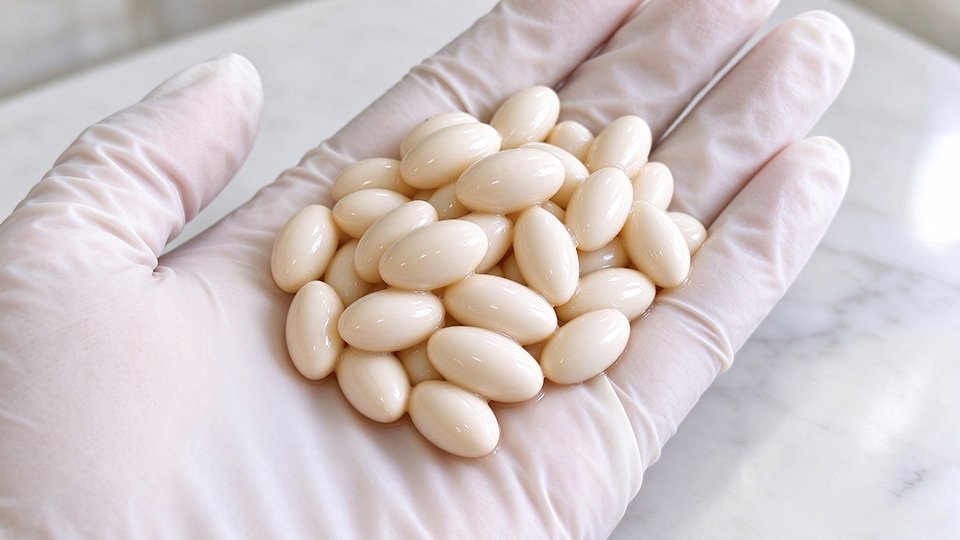
The location of the problem can reveal its likely cause. Empty capsules sticking together during storage require a different investigation from those adhering to a hopper or clumping in a collection bin after filling. By tracing each incident to its production stage, QA teams can separate storage-related capsule defects from capsule feeding problems and issues arising during downstream handling. This makes it easier to determine why do capsules stick together at one stage while remaining unaffected at another.
During Storage
During storage of capsules, empty shells may stick together when exposed to moisture, нагревать, or humid air after opening. Finished products may also show capsules sticking together in a bottle due to interactions between the powder formulation and storage conditions. Since empty capsules sticking together before filling and filled capsules sticking together after packaging may have different causes, each situation should be investigated separately.
Damaged seals, frequent opening, and temperature changes can further increase the risk of capsules sticking together during storage.
During Capsule Feeding
On a production line, capsules sticking to the hopper can interrupt the supply of shells to the next station. Other capsules sticking to the filling machine may cling to capsule dispensing unit and mold holes. These sticky capsules can affect the capsule feeding mechanism and capsule orientation mechanism, making it harder to load shells consistently into the segments.
If the shells do not reach the correct position, the issue may appear later as проблемы с разделением капсул or intermittent machine pickup.
After Capsule Filling
После заполнения, capsules sticking together may become visible in a capsule collection bin, transfer chute, or polisher. Powder on the outside of the shell, warm product, статический заряд, or a container that adds charge during handling can all contribute. This is one reason that capsule handling problems should be reviewed across the complete capsule filling process, not only at the point where the first clump is noticed.
2. Why Do Capsules Stick Together?
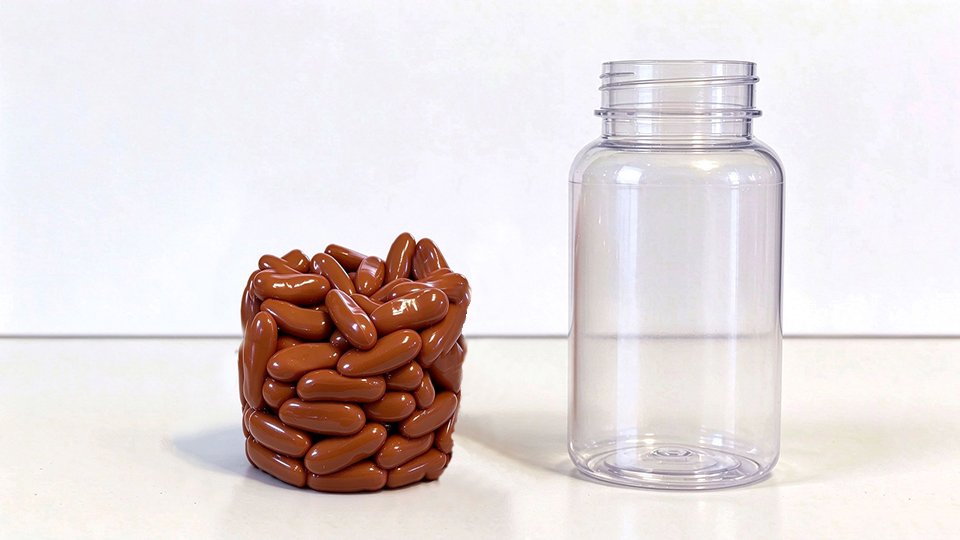
Why do capsules stick together? There is rarely a single explanation. The problem can occur even when capsule shells pass incoming inspection and show no visible defects. В большинстве случаев, several factors are involved, including shell condition, ambient humidity, fill formulation, and contact surfaces. To narrow down capsule sticking problems, manufacturers should examine three main sectors separately: moisture-related stickiness, статическое электричество, and powder residue.
High Humidity and Moisture Absorption
Hard gelatin shells naturally absorb and release moisture depending on their surroundings. When RH increases, moisture absorption in gelatin capsules may rise, leaving the shells softer and less resistant to deformation. Excessive moisture can contribute to capsule shell softening, surface tackiness, and gelatin capsule stickiness.
А 2014 study in AAPS PharmSciTech reported that hard gelatin capsules stored at 15–25°C and 35–65% RH generally maintained 13–16% moisture. The researchers emphasizes the influence of storage and handling. These findings offer a reference for defining hard gelatin capsule storage conditions and relative humidity for capsule storage, although supplier specifications should take priority.
Table 1-Different Capsule Types on Moisture-Related Behavior
| Capsule shell type | Moisture-related behavior | What manufacturers should check |
|---|---|---|
| Hard gelatin | Typically 13–16% moisture | Storage RH, время контакта, fill compatibility |
| HPMC/Vegetarian Capsules | Generally lower moisture than gelatin | Supplier data, static behavior, and performance on the target filler. |
| Enteric capsules / coated shells | Depends on polymer and coating type | Coating specifications, storage limits, formulation compatibility |
Temperature and RH should be monitored together. A Fagron operating manual recommends 40–60% RH at 15–25°C for its capsule-filling system, but these values should not be treated as universal limits. Manufacturers should assess temperature effects on capsule shells and capsule moisture absorption control according to supplier specifications and actual production conditions.
Static Electricity and Low Humidity
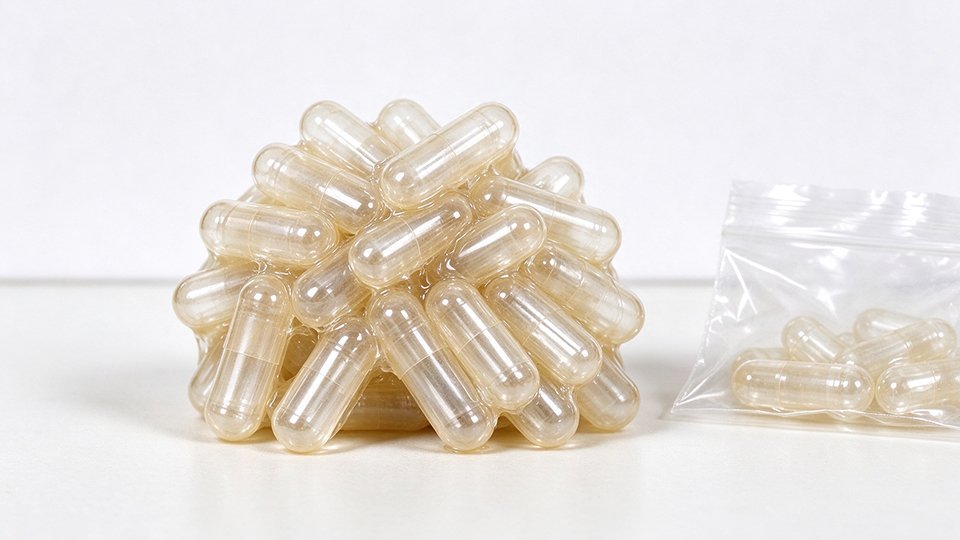
Low humidity can cause sticking through a different mechanism. When moisture levels are low, static charges are less easily dissipated from insulating surfaces. As capsules rub against each other or come into contact with plastic bags, liners, бункеры, и каналы подачи, electrical charges may build up. This capsule static electricity can create an electrostatic charge on capsules, leading to electrostatic attraction between capsules or adhesion to equipment surfaces.
Fagron’s manual reports noticeable static buildup below 40% относительной влажности, becoming more apparent below 30% RH in its operating conditions. Interestingly, filled HPMC capsules carried more charge than gelatin capsules under the tested conditions. This shows that HPMC capsule sticking should not be overlooked.
Formulation and Powder Residue
The fill formulation can also contribute to sticking, even when empty shells show no defects. Hygroscopic powder in capsules may absorb moisture from the surrounding air or exchange water with the shell. Plant extracts, mineral blends, and concentrated ingredients are particularly worth checking for moisture sensitivity and poor flow. A formulation trial can reveal how hygroscopic powder in capsules behaves under normal production conditions.
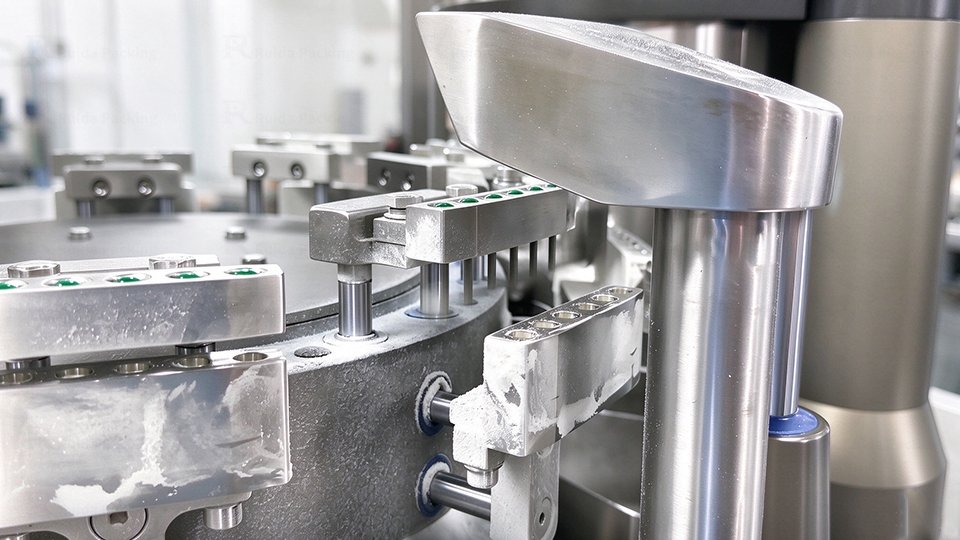
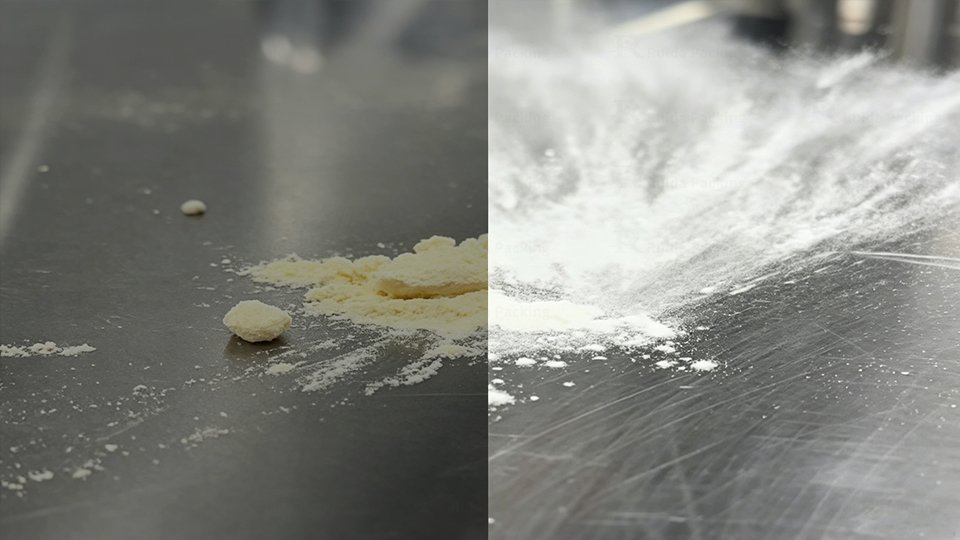
Sometimes, the problem lies in powder residue on capsules, not the shell material. Fine particles may adhere to the outer surface through static attraction or escape from the dosing area. This powder adhesion to capsule shells can make finished products look dusty or tacky, increasing the risk of capsule shells sticking together during transfer. Check the locking station, dust collection system, and mold holes first. Record any powder residue on capsules separately during capsule production quality control.
3. How to Identify the Root Cause of Capsule Sticking
Before changing machine parameters, establish when the defect first appears. This simple timeline can narrow down capsule filling machine problems and distinguish them from upstream material issues. It also makes capsule filling troubleshooting более повторяемый: compare unused shells from the same lot with shells that have passed through the production area, then inspect the first point where adhesion appears.
| What you observe | Check first |
|---|---|
| Empty capsules stick inside an unopened pack. | Lot history, packaging integrity, transport temperature, and supplier storage instructions. |
| Empty capsules stick after the pack is opened. | Room RH and temperature, время контакта, метод обработки, and the storage of capsules after opening. |
| Capsules cling to a hopper or feed tube. | RH at the machine, заземление, plastic contact points, состояние поверхности, and capsule grade. |
| Capsules do not orient or enter the segments consistently. | Размер капсулы, matched change parts, выравнивание, статический заряд, and the capsule hopper design. |
| Filled shells stick in a collection bin. | External powder, температура продукта, статический, bin material, and cleaning records. |
Rather than treating all capsule defects as one problem, manufacturers should identify when and where each issue first appears. Track recurring capsule manufacturing defects by batch, shift, and production stage. Problems found before filling may relate to shell quality or storage, while issues inside the filler require checks of the capsule feeding mechanism, capsule orientation mechanism, and contact surfaces.
After dosing, attention should shift to the formulation, closing station, and capsule collection bin. A structured capsule filling troubleshooting process should also review temperature, относительной влажности, unused shell condition, and powder residue before any machine settings are changed. This helps prevent capsules sticking together during storage from being mistaken for equipment failure and makes it easier to determine why do capsules stick together at certain stages but not others. When capsules sticking together occurs intermittently, the first point of adhesion is often the most useful place to start the investigation.
4. How to Prevent Capsules from Sticking Together
It’s worth noted that no single measure works for every capsule type or formulation. To prevent capsules from sticking together, manufacturers need to balance humidity control, proper storage, and equipment settings suited to the fill material. The aim is to keep capsule surfaces in good condition without excessive drying or creating additional handling difficulties.
Control Temperature and Relative Humidity
Start with the capsule supplier’s documented conditions. For conventional hard gelatin shells, published references commonly cite 15–25°C and 35–65% RH, while some equipment or handling manuals recommend narrower work-area conditions such as 40–60% RH. Use these as starting references only; the approved supplier specification and the finished product’s stability data should set the actual limits. This is the foundation of relative humidity for capsule storage and stable hard gelatin capsule storage conditions. A written storage of capsules SOP should specify the approved range, monitoring frequency, and response when readings drift. It should also define capsule humidity controls during dispensing and filling.
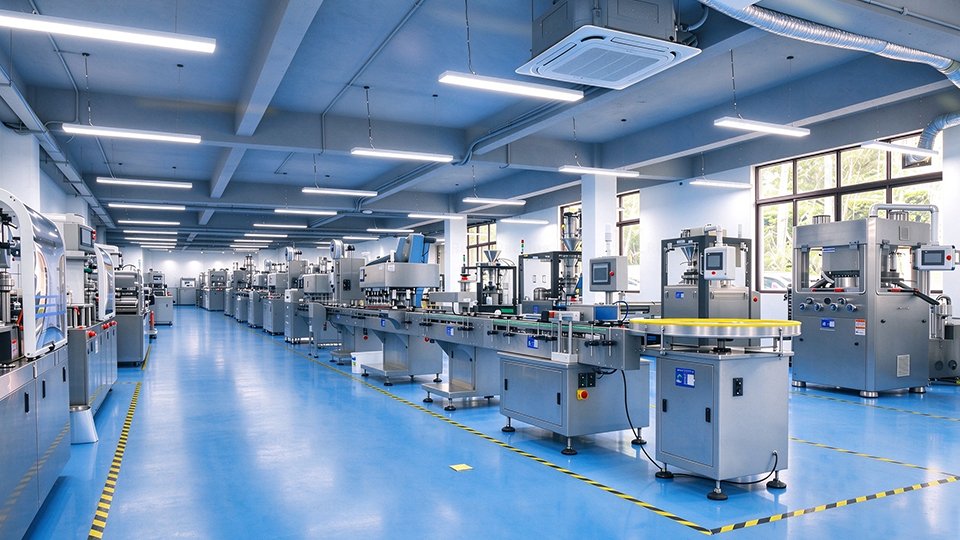
Monitor actual warehouse and filling-room conditions with calibrated instruments. Do not rely only on the HVAC set point: record conditions near the open capsule containers and at the machine. Under FDA cGMP, 21 CFR 211.142 requires drug products to be stored under appropriate temperature, влажность, and light conditions so quality is not affected. For component handling, 21 CFR 211.80 also calls for written procedures and storage that prevents contamination. This makes environmental monitoring part of capsule production quality control, not just a housekeeping task.
Improve Storage and Handling Practices
Keep empty shells in their original packaging until use. Proper storage of capsules depends on controlled temperature, относительной влажности, and exposure time. После открытия, packs should be resealed promptly and protected from sunlight, hot air, and sudden temperature changes. FDA guidance also recommends limiting the time original containers remain open during sampling. These measures should be included in routine capsule storage and handling procedures, with conditions reviewed against the supplier’s specifications.
For finished products, packaging and desiccants should be selected according to formulation stability. Excessive moisture removal may affect gelatin-shell flexibility.
Optimize Capsule Filling Operations
The troubleshooting process should follow the capsule filling sequence, from material feeding to finished capsule collection.
Capsule Feeding and Dispensing
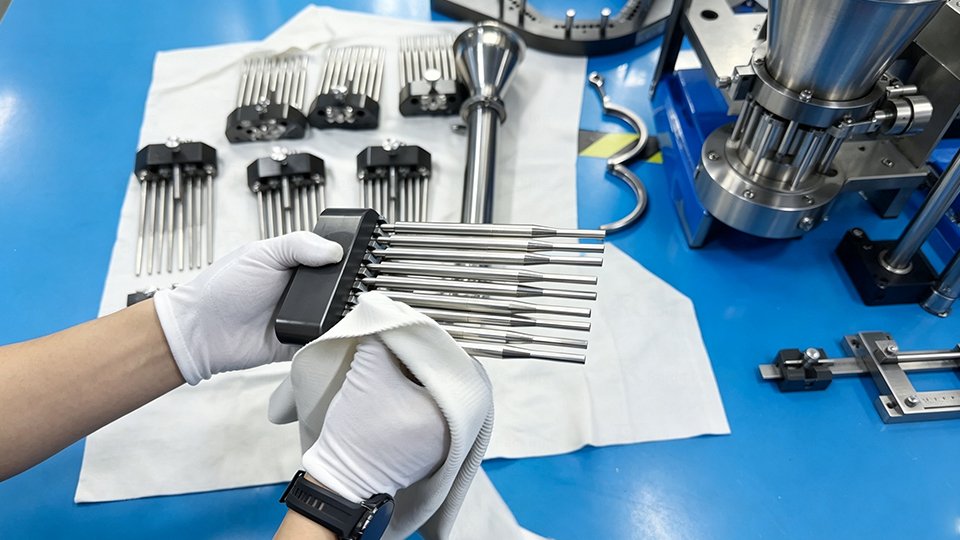
The first inspection usually focuses on the capsule hopper design, mold sets, and tooling, where wear, перекос, or powder buildup may interfere with normal feeding. Capsule feeding problems can also occur when capsule sizes do not match the feeding and orientation components.
To maintain smooth feeding, the change parts should be selected according to the capsule size being processed. Worn tooling and misaligned components need to be corrected, while powder residues on the hopper, guide surfaces, and mold bores should be removed regularly.
Before routine production, a sample feeding trial should be conducted to verify that capsules move through the hopper and capsule orientation mechanism smoothly, without accumulation or sticking.
Powder Dosing and Filling
The feeding system needs to match the powder’s physical properties. Powders with good flowability can generally be handled by pneumatic feeding, while poorly flowing blends that tend to clump may require an auger feeder for more controlled dosing. For highly cohesive or sticky materials, а полуавтоматическая машина для наполнения капсул may be a better option, offering greater flexibility during material handling.
Several factors should be evaluated before choosing a dosing method, including bulk density, текучесть, cohesiveness, характеристики частиц, и чувствительность к влаге. These properties determine how easily the powder moves through the hopper and enters the capsule body. Поэтому, powder flowability in capsule filling should be assessed through practical testing rather than appearance alone.
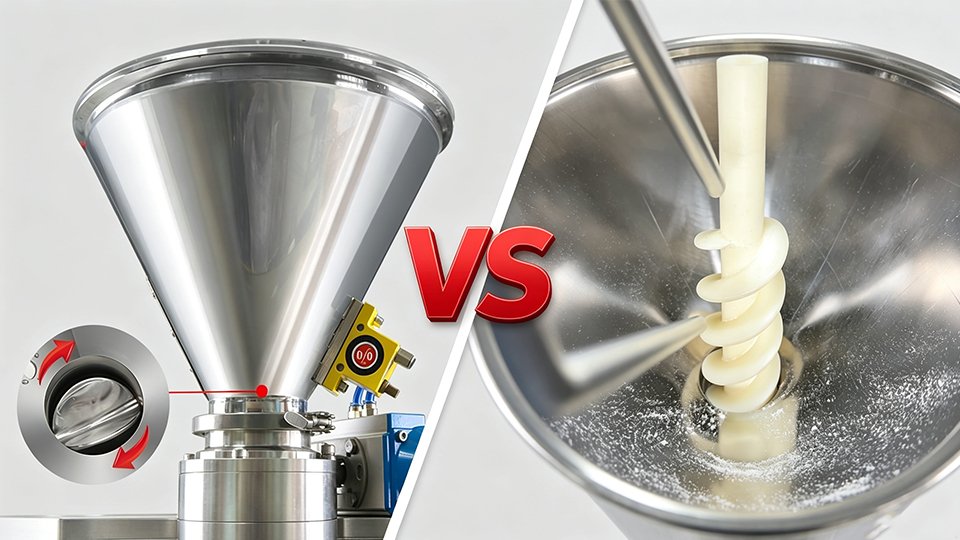
Before recommending an автоматическая машина для наполнения капсул, the manufacturer should first understand the customer’s formulation. Information about powder density, текучесть, and stickiness provides a useful starting point. Clients can also send representative powder and empty capsule samples for trial runs. Different feeding configurations can then be tested to compare dosing consistency, powder residue, производительность наполнения, and cleaning requirements. This approach helps determine the most suitable machine setup and reduces potential capsule filling machine problems during production.
Закрытие, Очистка, and Capsule Collection
After dosing, powder residue around the closing station and on the capsule exterior deserves attention. Powder residue on capsules may affect finished product cleanliness and increase the risk of sticking during transfer.
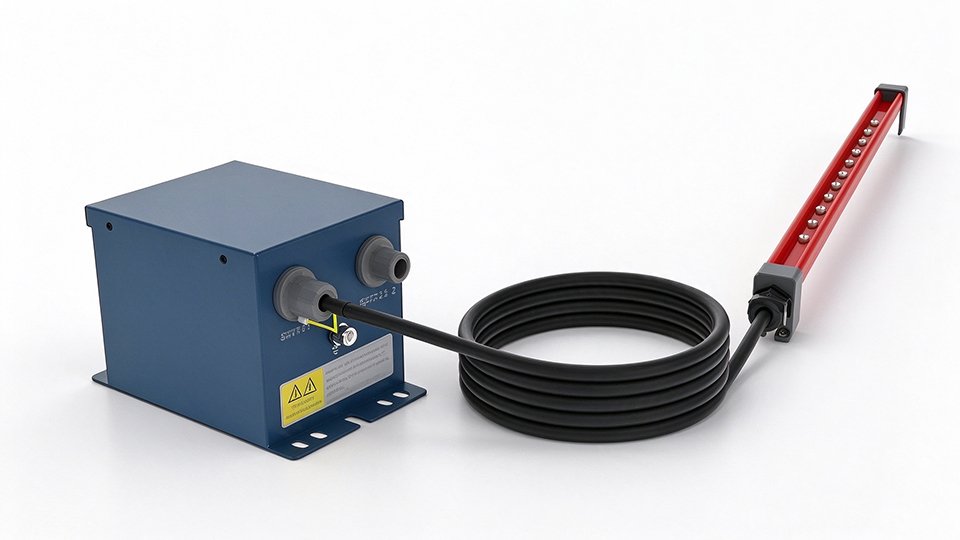
На этом этапе, machine grounding and installed static-control devices are also reviewed. Conductive machine frames and metal components should be connected to a suitable protective earth (ЧП) according to its electrical design and the facility’s local wiring system. Во время установки, qualified electricians should verify the grounding connection and its continuity. В некоторых случаях, additional anti-static device like ionizers or static-dissipative components may be used to reduce charge buildup. Regular checks of grounding connections and static-control devices help minimize capsule static electricity, reduce unwanted adhesion, and maintain smooth material flow throughout production.
Окончательно, a controlled production trial confirms whether the selected adjustments reduce capsule defects and improve overall handling consistency.
5. How Capsule Filling Equipment Helps Reduce Sticking Problems
Environmental controls help reduce problems with capsules sticking together, but the right capsule filling equipment is equally important. Feeding and dosing configurations should match capsule size and powder properties to maintain smooth, consistent production.
Matching Capsule Filling Equipment to Capsule and Powder Characteristics
When selecting an automatic capsule filling machine, manufacturers should consider the following configurations:
Powder Dosing Systems
- Pneumatic feeding for well flowing powders.
- Auger feeding for cohesive or poorly flowing blends.
- Semi-automatic filling solutions for particularly sticky formulations.
Cleaning and Powder Control
- Dust extraction unit to clean away powder residue.
- Powder recovery system to collect excess filling material.
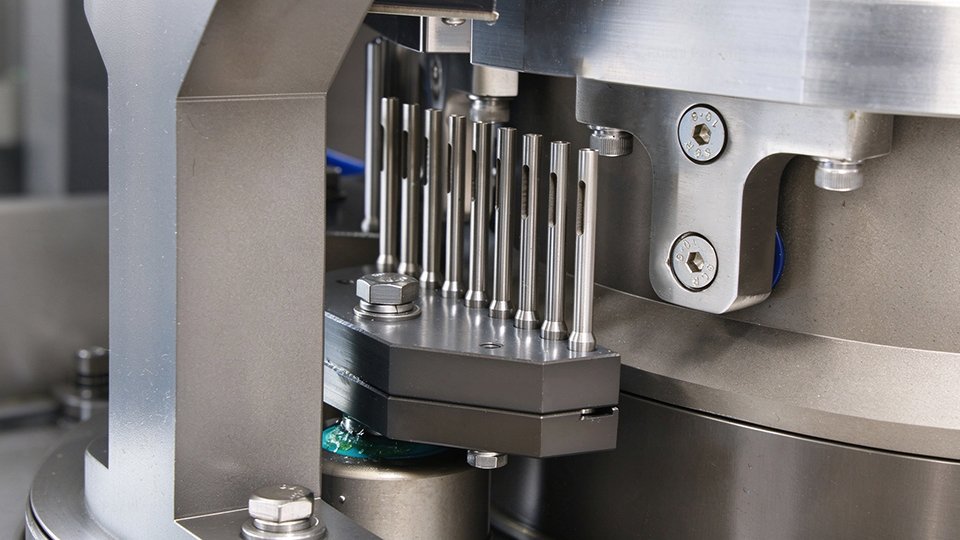
- Mold hole cleaning stations and air-assisted hollow locking pins to reduce powder residue.
- Enclosed Design with easy-to-clean contact surfaces to maintain a cleaner capsule filling process.
Configuration Verification
- Test the selected setup with actual capsule shells and powder samples.
- Verify feeding stability, постоянство дозирования, and cleaning performance during the Заводские приемочные испытания.
- Check whether the configuration helps reduce capsule filling machine problems and filled capsules sticking together during production.
Руида упаковка: Customized Solutions and Technical Support for Powder Stickiness
С 2015, Ruida Packing has focused on pharmaceutical and nutraceutical equipment manufacturing, с более чем 30% of its team dedicated to R&Д. Our capsule-filling solutions can be configured according to capsule size, характеристики порошка, dosing requirements, and cleaning needs. For projects involving electronic records, optional features include user-level access management, контрольные журналы, электронные подписи, and MES connectivity, depending on the agreed system scope. Our equipment is designed to support cGMP-oriented production, with site-specific qualification and validation carried out by the manufacturer.
6. Заключение
Capsules sticking together can begin in storage, develop during feeding, or appear after filling. High humidity may increase shell tack, while dry conditions can promote static; hygroscopic fills and surface powder add another layer to the problem. A reliable storage of capsules program therefore needs supplier-approved conditions, sealed handling, and production checks. Good storage of capsules practice can reduce the chance of sticky capsule shells reaching the line and creating further handling issues. When manufacturers ask why do capsules stick together, the best answer starts with the point where the issue appears, then follows the evidence through the material, среда, and machine.
Часто задаваемые вопросы
Q1: Why Do My Capsules Look Clumpy or Stick Together?
Capsules may clump because of moisture uptake, статический заряд, or powder on the shell surface. Check the lot, room conditions, and handling stage before changing machine settings.
2 квартал: Why Are Filled Capsules Sticking Together in the Bin?
Check for powder on the outer shell, warm or humid air, статический, and the bin material. Compare clean capsules with the collected batch to isolate the source.
Q3: Why Do HPMC Capsules Stick to the Hopper?
Static charge, dry air, заземление, and plastic contact surfaces can contribute. Check RH at the filler and test the actual HPMC grade with the machine setup.
Q4: What Happens to Capsules in a Humid Room?
Gelatin shells can absorb moisture, смягчать, зыбь, or become tacky. The extent depends on exposure time, температура, capsule formulation, and the supplier’s specifications.
Q5: How Should Empty Capsules Be Stored to Prevent Sticking?
Keep shells in sealed original packaging and follow the supplier’s temperature and RH limits. A written storage of capsules procedure should also define how opened packs are resealed and returned to controlled storage. Reseal opened packs promptly and limit unnecessary exposure to room air.
Ссылки
[4] Fagron. CapsiCards® System – Operating Manual, Environmental Conditions and Capsule Performance.