
Czy kiedykolwiek miałeś problem z separacją otoczki kapsułki?? Pomimo dużej wydajności automatyczna maszyna do napełniania kapsułek, może to być katastrofa, gdy kapsułek w sposób ciągły nie można prawidłowo oddzielić.
Do tych, którzy walczą w sektorach farmaceutycznym i nutraceutycznym, utrzymanie płynności produkcji jest wszystkim. W tak ściśle regulowanych branżach, nawet niewielkie rozwarstwienie otoczki kapsułki staje się nie do zniesienia. Dzisiaj, Przyjrzymy się bliżej jednemu z najbardziej znanych sprawców tego przestoju: wada kapsułki związana z separacją. Rozumiejąc problemy i rozwiązania problemów z maszyną do napełniania kapsułek, producenci mogą podjąć skuteczne środki ostrożności, i zmaksymalizować ogólną wydajność sprzętu.
Kluczowe wnioski
- Krótkie wprowadzenie na temat awarii oddzielania otoczki kapsułki i typowych wad kapsułki
- Przyczyny źródłowe tych specyficznych defektów kapsułki
- Wgląd w rozwiązywanie problemów z maszyną do napełniania kapsułek
- Proaktywne strategie konserwacji mające na celu drastyczne zmniejszenie codziennych wąskich gardeł produkcyjnych.

1. Co oznacza „nie można rozdzielić otoczki kapsułki”??
Aby naprawdę opanować problemy i rozwiązania dotyczące maszyn do napełniania kapsułek, musimy najpierw jasno zdefiniować istotę problemu. W większości przypadków, Awaria oddzielania otoczki kapsułki zwykle odnosi się do problemu na etapie oddzielania kapsułek w automatycznej maszynie do napełniania kapsułek. W tym procesie, Do oddzielenia nasadki od korpusu w tacce do napełniania kapsułek stosuje się podciśnienie, z nasadką pozostającą w górnej formie i korpusem wciągniętym do dolnej formy.
Oczywiście, kiedy mówimy, że otoczki kapsułki nie można rozdzielić, mogą zaistnieć inne okoliczności, jak poniżej:
Całkowitykłamstwo NIE Rozdzielenie: Powłoka pozostaje zamknięta nawet po przejściu jednostki dozującej, co prowadzi do natychmiastowej utraty wagi.
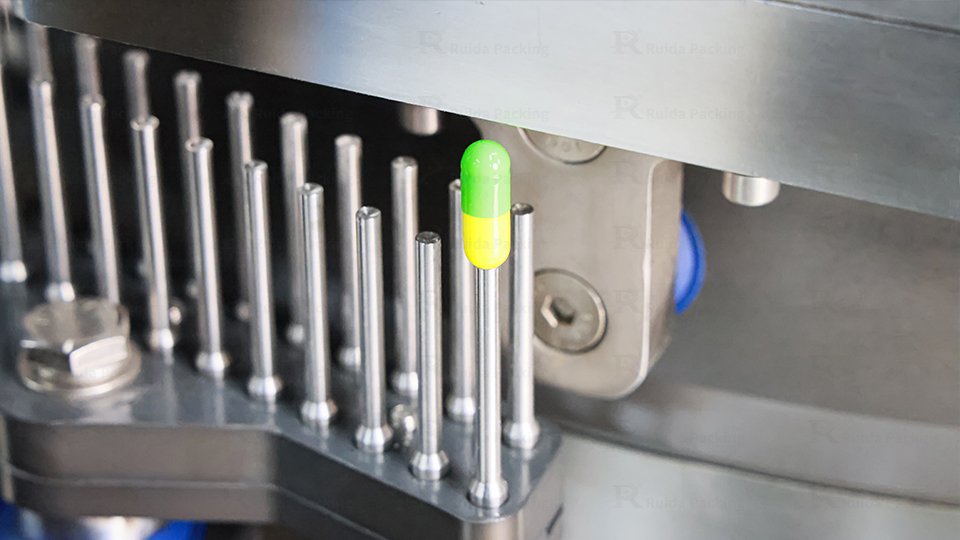
Częściowa separacja: Wieczko kapsułki i korpus nie oddzielają się całkowicie. Nakrętka zostaje tylko częściowo podniesiona, a następnie powraca do pierwotnej pozycji, co może spowodować ściśnięcie lub uszkodzenie otoczki kapsułki podczas procesu napełniania kapsułki.
Wyśmienity: Problem ten związany jest z nieodpowiednim ciśnieniem podciśnienia, dla których otoczka kapsułki pęka lub pęka podczas procesu oddzielania.
Chociaż problemy podczas napełniania kapsułek mogą czasami powodować operator, w tym artykule zwrócono uwagę na sytuacje, w których zawodzi wewnętrzny proces produkcyjny maszyny. To nasz pierwszy krok w zapobieganiu odrzuceniom masowych partii poprzez zrozumienie, dlaczego otoczki kapsułki nie można rozdzielić w wypełniaczu kapsułek w postaci tabletek.
2. Typowe powody, dla których nie można rozdzielić otoczki kapsułki
Omawiając przyczyny niepowodzeń separacji kapsułek, można instynktownie założyć, że głównym winowajcą jest po prostu niewystarczające zasysanie próżniowe. W rzeczywistości, Jednakże, niepowodzenie w oddzieleniu kapsułek rzadko jest wynikiem pojedynczej, izolowany czynnik; raczej, jest to zazwyczaj złożony wynik wynikający z wzajemnego oddziaływania zużycia mechanicznego, fluktuacje środowiskowe, i niespójności merytoryczne. Poniżej znajduje się analiza kilku kluczowych czynników wpływających na ten proces.
Maszyna “Układ oddechowy”: Awarie układu próżniowego
Przede wszystkim jest to kwestia podciśnienia. Mechanizmy oddzielania kapsułek opierają się głównie na pompie próżniowej maszyny do napełniania kapsułek, która wytwarza podciśnienie, osiągając w ten sposób zasysanie i oddzielenie wieczka kapsułki od korpusu. Jeśli siła ssania jest niewystarczająca, puste kapsułki nie rozdzielą się i zostaną natychmiast odrzucone, prowadząc do masywnych defektów torebki.
Jako główne źródło podciśnienia, wydajność pompy próżniowej bezpośrednio decyduje o stabilności operacyjnej całej maszyny. Problemy takie jak zatkane filtry, nieszczelności w wężach podciśnieniowych, lub nieodpowiednie ustawienia ciśnienia bazowego mogą bezpośrednio skutkować problemami z maszyną do napełniania kapsułek.
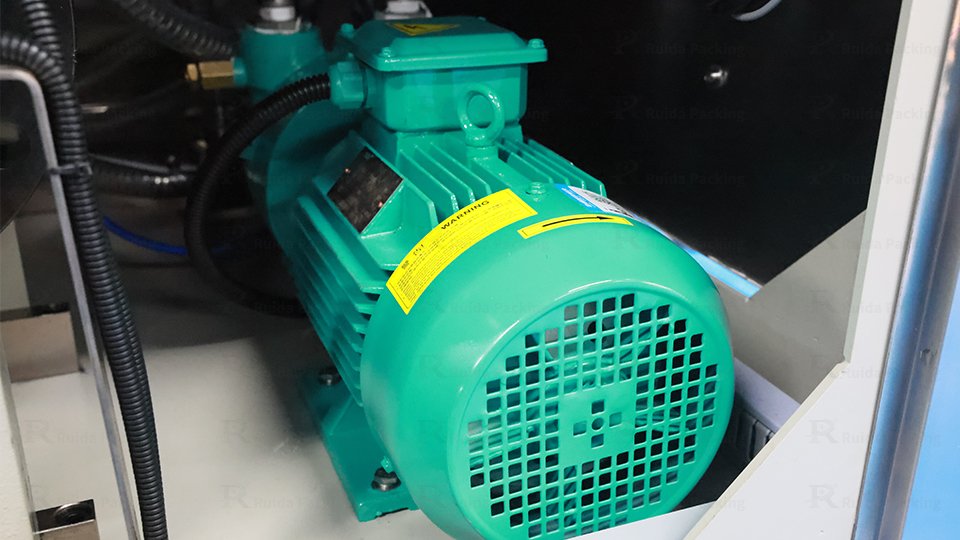
Na przykład, producent farmaceutyczny doświadczył kiedyś spadku ciśnienia do -0.02 MPa (podczas gdy normalne wymaganie wynosi ≤ -0.04 MPa) ponieważ filtr próżniowy nie był wymieniany przez dłuższy czas; awaria ta spowodowała złomowanie całej partii 150,000 puste kapsułki.
Jeśli uważasz, że Twoje własne maszyny są odporne na takie problemy, należy wziąć pod uwagę obserwacje Międzynarodowego Towarzystwa Inżynierii Farmaceutycznej (ISPE): w produkcji stałych postaci dawkowania, znaczna część przestojów mechanicznych jest bezpośrednio związana ze spadkami ciśnienia w układach pneumatycznych. Podkreśla to kluczowe znaczenie konserwacji pompy próżniowej w szerszym zakresie ogólnej konserwacji maszyny do napełniania kapsułek.
Niewidzialny sprawca: Fluktuacje środowiskowe
Doniósł nam o tym kiedyś klient z Wietnamu, pomimo użycia dokładnie tej samej partii kapsułek i surowców oraz bycia świadkiem doskonale płynnego przebiegu próbnego w Chinach, ich maszyna napotkała różne awarie po zainstalowaniu jej we własnym zakładzie w celu faktycznej produkcji. Ta kwestia była, W rzeczywistości, można bezpośrednio przypisać środowisku warsztatowemu.
Jak wiadomo, na działanie warunków atmosferycznych podatne są nie tylko materiały sproszkowane; kapsułki żelatynowe są równie wrażliwe na wilgotność powietrza.
Jeśli wilgotność w warsztacie jest zbyt wysoka, kapsułki szybko wchłoną wilgoć z atmosfery, powodując problem z zatykaniem wypełnienia kapsułki. Odwrotnie, jeśli powietrze jest zbyt suche, kapsułki stają się kruche i podatne na pękanie pod wpływem naprężeń mechanicznych. Więc, utrzymanie optymalnych warunków środowiskowych do produkcji kapsułek jest krytycznym aspektem napełniania kapsułek z twardej żelatyny, który wymaga rygorystycznego nadzoru.
Niewspółosiowość mechaniczna: „Zsynchronizowany taniec” Nie w takt
Jako instrumenty precyzyjne, maszyny do napełniania kapsułek w dużym stopniu polegają na precyzyjnej synchronizacji różnych komponentów. Nawet niewielka niewspółosiowość pomiędzy górną i dolną częścią tacy do napełniania kapsułek może spowodować fizyczne zakleszczenie korpusów i wieczek kapsułek o metalowe formy, uniemożliwiając ich gładkie rozdzielenie.
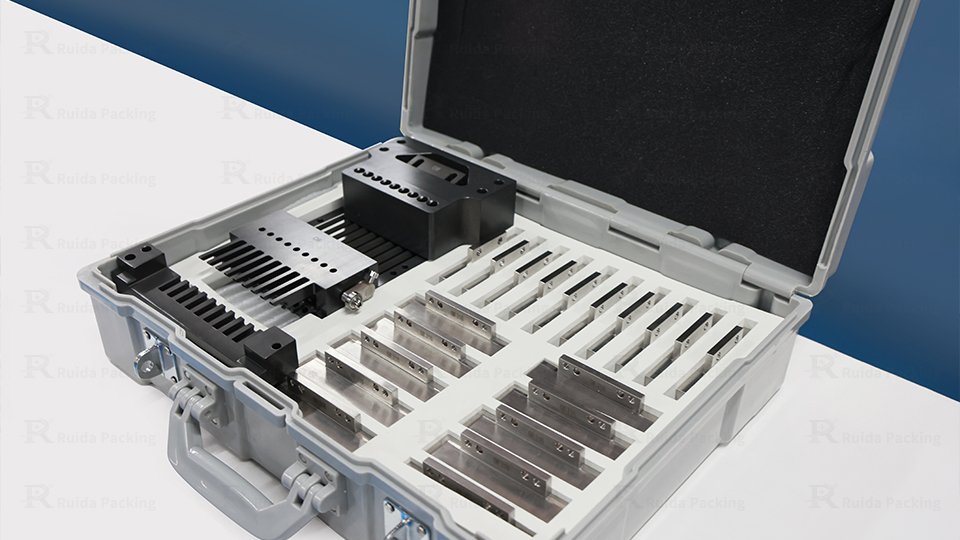
Chociaż problemy z ręcznymi maszynami do napełniania kapsułek zazwyczaj wynikają z niespójnej techniki operatora, zużycie komponentów jest główną przyczyną niewspółosiowości i braku synchronizacji pomiędzy górną i dolną sekcją podczas procesu separacji w automatycznych maszynach do napełniania kapsułek. To niewspółosiowość nie tylko utrudnia oddzielanie kapsułek, ale także bezpośrednio przyczynia się do problemu wahań masy podczas napełniania kapsułek. Jedynym sposobem rozwiązania tego problemu jest nadanie priorytetu rutynowej konserwacji i konserwacji.
Nieodpowiedni Przybory: Wady u źródła
Oczywiście, jeśli maszyna działa bez zarzutu, i jest wolny od jakichkolwiek powyższych problemów, wówczas problem musi leżeć w defektach tkwiących w samych otoczkach kapsułek. Nawet najlepsza maszyna do napełniania kapsułek nie jest w stanie zrekompensować złej jakości lub niezgodnych kapsułek. Co, Następnie, jest rozwiązaniem? Dobrze, Najprostszym problemem związanym z napełnianiem kapsułek i środkiem zaradczym jest wymiana wadliwej partii i zakup nowych otoczek kapsułek.
3. Osłonki kapsułki nie można rozdzielić: Jak rozwiązać problem
Rozwiązanie problemów związanych z napełnianiem kapsułek i środkami zaradczymi wymaga wysoce zorganizowanego procesu, podejście analityczne. Panika na hali produkcyjnej prowadzi do pochopnych dostosowań, które często pogarszają problem. Wdrażając standardowe procedury operacyjne dotyczące rozwiązywania problemów z maszyną do napełniania kapsułek, technicy mogą szybko zlokalizować usterkę.
Jak naprawić awarię separacji otoczki kapsułki w maszynie do napełniania kapsułek
Gdy otoczki kapsułki nie można rozdzielić podczas cyklu, nie panikować. Nie zaczynaj kręcić przypadkowymi pokrętłami. Po prostu zatrzymaj maszynę i wykonaj poniższe kroki w podanej kolejności.
Krok 1: Sprawdź ciśnienie podciśnienia
Najpierw sprawdź główny wakuometr. Ogólnie mówiąc, powinno być pomiędzy-0.04 I -0.06 MPa. Jeśli jest niższa od normy, powinieneś:
- Zatrzymaj maszynę do napełniania kapsułek
- Wyczyść filtr próżniowy w obawie, że jest zatkany
- Sprawdź każdą rurę podciśnieniową pod kątem drobnych wycieków
Krok 2: Sprawdź wyrównanie narzędzi
Jeśli próżnia jest w porządku, ale kapsułki nadal się nie rozdzielają, wówczas może to być problem niewspółosiowości pomiędzy zestawami części górnej i dolnej. Więc, musisz:
- Obróć maszynę ręcznie do stacji separacji
- Sprawdź, czy segmenty górny i dolny są koncentryczne
- W przeciwnym razie, regulować, aż ścieżki nasadki i korpusu zrównają się.
Krok 3: Poszukaj zużytych części
Sprawdź sprężyny, jednostki ssące, i kołki dla sygnalizacji zużycia.
Jeśli coś wygląda nawet na lekko zużyte, wymień ją natychmiast, aby uniknąć ponownego powtarzającego się uszkodzenia kapsułki.
Jak zapobiegać problemom związanym z nierozdzielną otoczką kapsułki w codziennej produkcji
Powyżej opisano środki, jakie należy podjąć w przypadku pojawienia się problemu; ale czy brak problemów oznacza, że wszystko jest jasne? W rzeczywistości, w środowisku produkcyjnym, zapobieganie jest zawsze znacznie bardziej opłacalne niż radzenie sobie z przestojami maszyn. Środki zapobiegawcze powinny, W związku z tym, można bezproblemowo zintegrować z codziennym harmonogramem konserwacji maszyny.
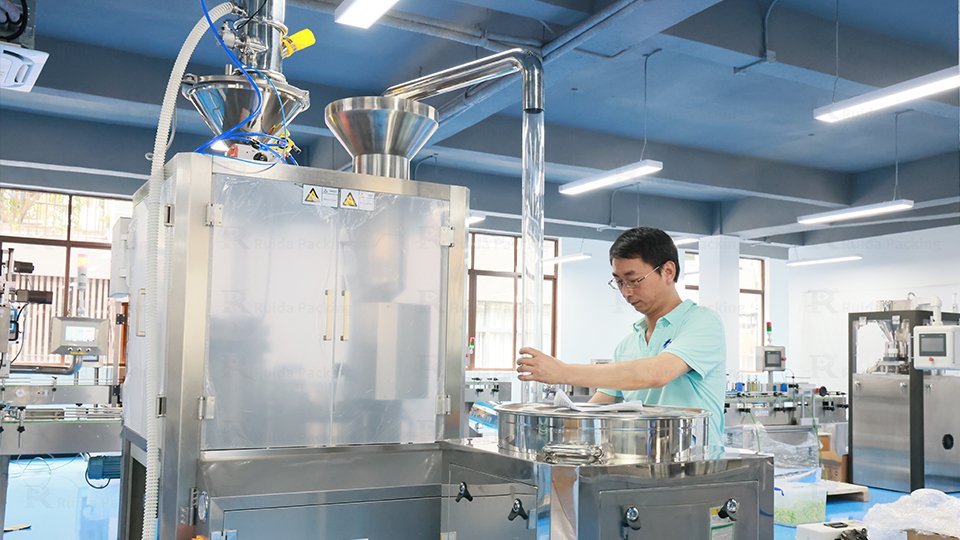
Ścisła kontrola środowiskowa
Utrzymuj ścisłą kontrolę nad temperaturą w warsztacie produkcyjnym, utrzymując temperaturę pomiędzy 20°C a 24°C, i wilgotność względna pomiędzy 40% I 50%. Nie wahaj się używać osuszaczy; zapobiega to wchłanianiu wilgoci przez żelatynę, co powoduje, że mięknie i staje się lepki, w ten sposób zasadniczo eliminując większość problemów z wypełnianiem twardych kapsułek żelatynowych.
Dokładne, codzienne czyszczenie elementów maszyny
Dość często, problemy z napełnianiem kapsułek można rozwiązać po prostu wykonując dokładne badanie, głębokie czyszczenie. Na koniec każdej zmiany produkcyjnej, wszystkie elementy maszyny mające kontakt z materiałami produktu muszą zostać zdemontowane, wyczyszczony, wysuszony, a następnie ponownie zmontowane.
Trzeci: Przed załadowaniem sprawdź jakość kapsułki
Przed wsypaniem pustych kapsułek do maszyny napełniającej, ręcznie wybierz kilka próbek, aby sprawdzić, czy można je łatwo rozdzielić. Ten prosty krok pomaga uniknąć wielu komplikacji, które w przeciwnym razie mogłyby powstać podczas późniejszego procesu napełniania twardej kapsułki żelatynowej.
Czwarty: Wdrażaj konserwację predykcyjną
Regularnie wymieniaj filtry próżniowe. Praktyka ta nie tylko zapobiega problemom związanym z niespójnymi ciężarami nadzienia, gdy ciężary zmieniają się nieregularnie, ale także zapewnia precyzję i dokładność objętości napełniania.
W istocie, środki opisane powyżej stanowią kompleksowy program konserwacji i konserwacji. Maszyna o znacznej wartości zasługuje na staranną pielęgnację i czyszczenie każdego producenta. Mimo wszystko, doskonała maszyna jest podstawą doskonałego produktu.
4. Gdzie liczy się maszyna do napełniania kapsułek: Wybór niezawodnego dostawcy maszyn
Komercyjna maszyna do napełniania kapsułek jest dla linii produkcyjnej tym, czym niezawodny dostawca maszyn dla producentów farmaceutycznych i nutraceutycznych. Pakowanie Ruidy, z ponad 20 lata R&D doświadczenie w maszynach farmaceutycznych, specjalizuje się w dostarczaniu niezawodnych maszyn i usług. Zaufany przez Fortunę 500 przedsiębiorstw farmaceutycznych, wszystkie nasze maszyny posiadają certyfikaty CE i cGMP, pewność, że Twoja produkcja spełnia światowe standardy.
Jak Ruing Wyróżnia się komercyjna maszyna do napełniania kapsułek firmy Packing
Niezależnie od tego, czy zastanawiasz się, jak napełnić kapsułki żelatynowe do użytku laboratoryjnego, czy do produkcji na dużą skalę, oferujemy bardzo wszechstronne półautomatyczna maszyna do napełniania kapsułek serii CGN i duża prędkość, w pełni automatyczna seria NJP. W porównaniu do innych podobnych maszyn, wyróżniają się nasze maszyny do napełniania kapsułek:
Pół automatyczny maszyna do napełniania kapsułek:
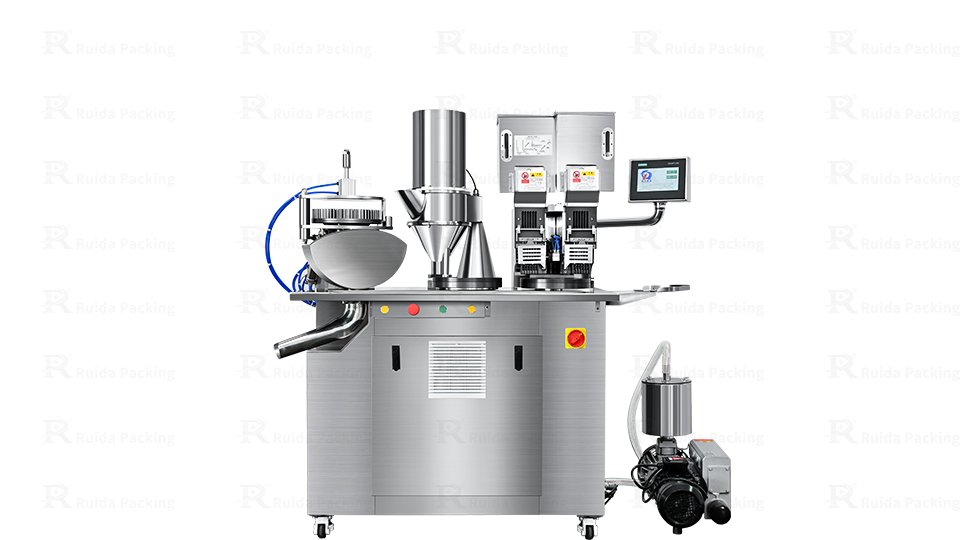
- Blokada pozioma zapobiegająca wyciekaniu proszku
- Dokładne fazowanie, zapewniając zerowe uszkodzenie kapsułek.
NJP Automatyczna maszyna do napełniania kapsułek:
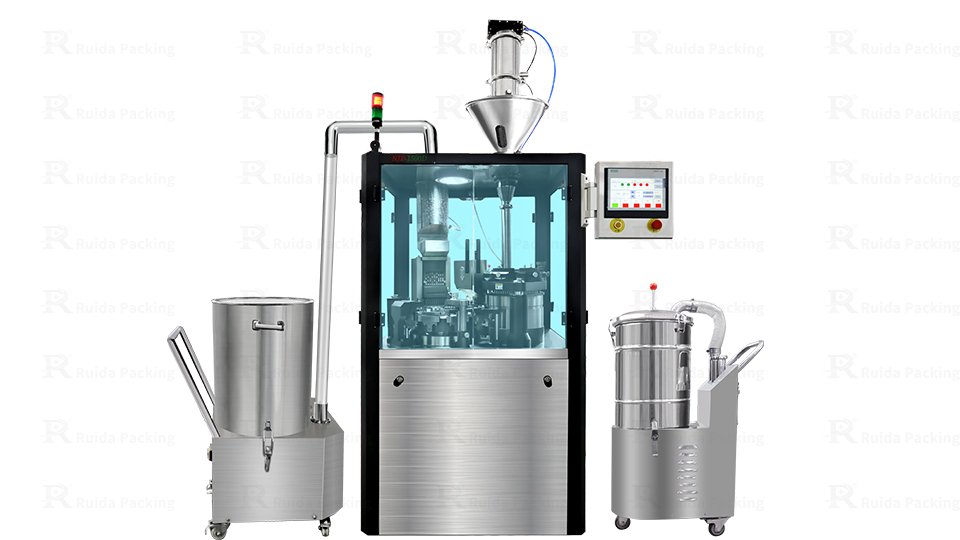
- Bardzo trwała wbudowana kamera zapewniająca stabilność
- Wysuszyć pompę próżniową, aby uniknąć zanieczyszczeń
- Sanitarna konstrukcja korpusu ze stali nierdzewnej (316 dla części kontaktowych, 304 za brak kontaktu).
Idea skoncentrowana na usługach: Co Ruing Oferty pakowania dla producentów
Oprócz dostarczania zaawansowanych maszyn, nasz kompleksowy ekosystem usług gwarantuje, że Twój obiekt nigdy nie pozostanie bez wsparcia:
- Wsparcie ekspertów: Bardzo responsywne zdalne debugowanie i profesjonalne usługi debugowania na miejscu.
- Kompletne wytyczne: Szczegółowe instrukcje obsługi, filmy instruktażowe dotyczące obsługi posprzedażnej, oraz bieżące wskazówki techniczne dotyczące rozwiązywania problemów z maszyną do napełniania kapsułek.
5. Wniosek
Pokonanie kosztownego problemu defektów kapsułek wymaga bezkompromisowej biegłości w rozwiązywaniu problemów z maszynami do napełniania kapsułek. Trudno powiedzieć, że po przeczytaniu tego fragmentu będziesz w stanie opanować tę wiedzę. nauka poprzez ręczną maszynę do napełniania kapsułek lub automatyczną konfigurację to najszybszy sposób na postęp. Cokolwiek, teraz zrozumiałeś podstawowe problemy i rozwiązania problemów z maszyną do napełniania kapsułek. Następnym razem, gdy napotkasz podobny problem, nie wpadniesz w panikę :).
6. Często zadawane pytania
Pytanie 1: Dlaczego otoczka kapsułki nie oddziela się w maszynie do napełniania kapsułek?
Gdy siła ssania maszyny jest zbyt słaba, aby wyciągnąć korpus w dół, wówczas nie można oddzielić otoczki kapsułki. Czasami dzieje się tak z powodu źle ustawionych zestawów górnego i dolnego.
Pytanie 2: Co powoduje awarię separacji kapsułek podczas produkcji?
Jest to wynikiem szeregu czynników, w tym niskiego ciśnienia podciśnienia, lepkie kapsułki, lub zużycie mechaniczne. Nawet uszkodzona otoczka kapsułki może prowadzić do uszkodzenia kapsułki.
Pytanie 3: Czy jakość kapsułki wpływa na skuteczność separacji??
Absolutnie! Sama otoczka kapsułki jest podstawą stabilnej pracy maszyny. Nawet najbardziej zaawansowana maszyna nie jest w stanie zrekompensować wadliwych otoczek kapsułek.
Pytanie 4: Czy regulacja próżni może rozwiązać problemy z separacją kapsułek??
Tak, regulacja podciśnienia jest zazwyczaj najszybszym sposobem na rozwiązanie problemu napełniania kapsułek i środków zaradczych, pod warunkiem, że elementy maszyny, środowisko produkcyjne, i same otoczki kapsułek są w dobrym stanie.
7. Odniesieniees
- Międzynarodowe Towarzystwo Inżynierii Farmaceutycznej (ISPE): OEE i przestoje w produkcji dawek stałych
https://ispe.org/pharmaceutical-engineering/overall-equipment-effectiveness-solid-dose
- Grupa Aberdeen: Prawdziwy koszt nieplanowanych przestojów w produkcji
- Journal of Pharmaceutical Sciences: Stabilność wymiarowa twardych kapsułek żelatynowych w zmiennej wilgotności