Jeśli kiedykolwiek zastanawiałeś się, dlaczego jeden lek jest dostępny w blistrze typu push-through, drugi w plastikowej butelce, i trzeci w rozrywanej saszetce, krótka odpowiedź jest taka, że różne narkotyki „nie lubią” różnych rzeczy. Niektóre szybko ulegają degradacji pod wpływem wilgoci, niektóre są wrażliwe na światło i tlen, niektóre wymagają ścisłej kontroli dawki, a niektóre są pakowane w celu ograniczenia niewłaściwego użycia lub poprawy codziennego przestrzegania zasad. W tym artykule w prostym języku angielskim wyjaśniono najpopularniejsze rodzaje opakowań farmaceutycznych — zaczynając od trzech najczęściej spotykanych przez klientów formatów (opakowania blistrowe, butelki, I saszetki), następnie rozwiń do innych formatów, z którymi się spotkasz, jak paczki ze striptizem, rurki, fiolki, ampułki, i ampułko-strzykawki.

Co tak naprawdę oznacza opakowanie farmaceutyczne
Kiedy ludzie mówią o rodzajach opakowań farmaceutycznych, zwykle mówią o opakowaniu, które dotyka leku (zwane opakowaniem podstawowym) oraz opakowanie, które chroni i oznacza je do dystrybucji (często nazywane opakowaniem wtórnym). Opakowanie podstawowe to „pierwsza linia obrony”: utrzymuje tablet w suchości, utrzymuje krem w czystości, lub utrzymuje sterylność do wstrzykiwań. Opakowanie wtórne pomaga pacjentom i farmaceutom bezpiecznie obchodzić się z lekiem – pomyślmy o kartonach, ulotki, kody kreskowe, i wskazówki świadczące o manipulacji.
Dla codziennych użytkowników, praktyczny sposób myślenia o opakowaniach podstawowych jest prosty: ma na celu utrzymanie stabilności leku podczas transportu i przechowywania, i dostarczanie przewidywalnej dawki podczas jej stosowania. Dlatego w przypadku niektórych tabletów wilgotna łazienka może mieć znaczenie, dlaczego niektóre leki są dostępne w ciemniejszych butelkach, and why some doses are separated into calendar packs or unit-dose formats. Innymi słowy, Rodzaje opakowań farmaceutycznych to nie tylko budowanie marki — to część ochrony leków i bezpiecznego stosowania.
Trzy formaty, które widzisz najczęściej: opakowania blistrowe, butelki, i saszetki
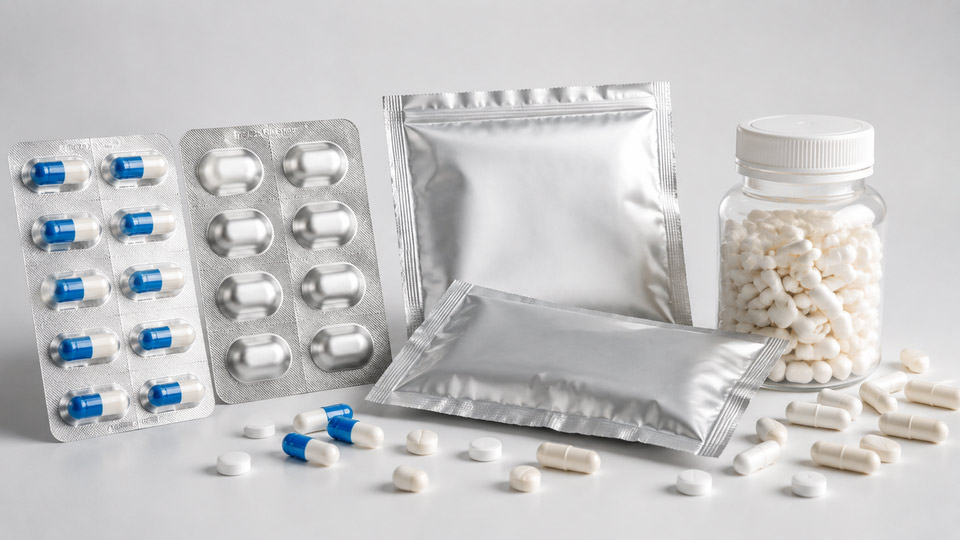
Opakowania blistrowe, butelki, i saszetki pokrywają dużą część leków doustnych i suplementów, i są to formaty, które większość ludzi natychmiast rozpoznaje. Każdy świeci z innego powodu, i każdy ma kompromisy, które pojawiają się w prawdziwym życiu – jak łatwo jest to nieść, jak dobrze chroni przed wilgocią, jak widoczne jest manipulowanie, i jak konsekwentnie ludzie przyjmują właściwą dawkę.
Opakowania blistrowe zamykają każdą dawkę w osobnej wnęce. Ten prosty pomysł wyjaśnia wiele ich zalet: jeśli dzisiaj rzucisz jedną tabletkę, reszta pozostaje zamknięta i chroniona; i jeśli kieszeń jest pusta, możesz to natychmiast zobaczyć. Butelki są wygodne w przypadku większych ilości i często można je szybciej dozować i obsługiwać, ale po otwarciu wystawiają wszystkie pozostałe dawki na środowisko za każdym razem, gdy zakrętka zostanie zdjęta. Saszetki (i ich bliski kuzyn, paczki kijów) są zasadniczo jednorazowymi saszetkami – doskonałymi do proszków, Granulki, oraz produkty w stylu drink-mix, i bardzo przyjazny w podróży, jednak dla niektórych użytkowników mogą być mniej intuicyjne i często tworzyć bardziej indywidualne odpady.
Poniżej znajduje się praktyczne porównanie tych trzech rodzajów opakowań farmaceutycznych. Nie oznacza to, że „jeden jest najlepszy”.,”, a raczej „każdy jest w czymś najlepszy”.
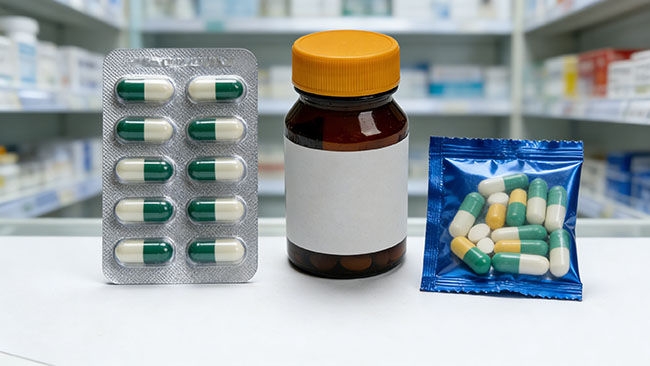
Tabela 1. Blister vs butelka vs saszetka (codzienne plusy i minusy)
| Format opakowania | Najlepsze dla | Mocne strony ochrony | Wygoda na co dzień | Wspólne kompromisy | Typowa linia produkcyjna (za paczką) |
| Opakowania typu blister | Tabletki/kapsułki wymagające oddzielenia dawki | Silne opcje barierowe; dawka pozostaje zamknięta do czasu użycia | Łatwe policzenie dawek; widoczne ślady manipulacji | Niektóre opakowania mogą być trudne do otwarcia; recykling może być trudny | Często produkowane na maszyna do pakowania w blistry w linii pakowania blistrowego |
| Butelki | Tabletki/kapsułki o większej liczbie; szerokie zastosowanie w handlu detalicznym | Dobry ze środkiem osuszającym + właściwe zamknięcie; silna logistyka | Szybkie dozowanie; znajomy | Cała zawartość widoczna po otwarciu; ryzyko pomyłki w przypadku wylania | Zazwyczaj część maszyny do liczenia tabletek oraz linii liczenia i butelkowania |
| Saszetki / paczki kijów | Proszki, Granulki, jednorazowe płyny doustne | Separacja dawka po dawce; dobra przenośność | Przyjazny w podróży; kontrola porcji | Więcej pojedynczych elementów; jakość łez ma znaczenie | Zwykle robione na maszynie pakującej w saszetki/ maszyna do pakowania w sztyfty; w przypadku niektórych produktów używana jest gotowa maszyna pakująca w torebki |
Oz najczęstszymi rodzajami opakowań farmaceutycznych, z którymi się spotkasz
Nawet jeśli najczęściej zauważasz pęcherze, butelki, i saszetki, prawdopodobnie zetknąłeś się z kilkoma innymi rodzajami opakowań farmaceutycznych, nie zastanawiając się nad nimi zbyt wiele. Formaty te istnieją, ponieważ niektóre produkty wymagają innego rodzaju ochrony, inne doświadczenia użytkownika, lub inną drogą podania.
Opakowania paskowe są często mylone z blistrami, ponieważ zawierają również leki w paskach zawierających dawkę po dawce. Różnica ma charakter strukturalny: pęcherze tworzą ubytki (często z tworzywa sztucznego lub folii), podczas gdy opakowania w postaci pasków zazwyczaj układają tabletki pomiędzy warstwami folii/folii i zamykają każdą dawkę. Opakowanie w paski może się przydać, gdy zależy Ci na szczupłości, lekki format i mocna bariera, ale nie jest to idealne rozwiązanie dla każdego kształtu tabletu i scenariusza obsługi.
Opakowania jednostkowe i kalendarzowe mają kształt przypominający blistry i zostały zaprojektowane z myślą o przyczepności i bezpieczeństwie. Szpitale i placówki opiekuńcze często stosują wydawanie dawek jednostkowych, ponieważ można śledzić każdą dawkę, oznakowane, i obsługiwane w mniejszej liczbie etapów „otwartego pojemnika”.. Pakiety kalendarzy — w których dawki są ułożone według dnia i godziny — zmniejszają zamieszanie u osób przyjmujących wiele leków, i sprawiają, że pominięte dawki są widoczne na pierwszy rzut oka.
Rurki są najczęściej stosowane w przypadku leków stosowanych miejscowo, takich jak kremy, maści, i żele. Tubka zabezpiecza produkt przed zanieczyszczeniem i ułatwia dozowanie kontrolowanej ilości, ale niesie ze sobą także własne wyzwania: przestrzeń nad głową, ryzyko zanieczyszczenia w wyniku przepływu zwrotnego, oraz potrzebę stosowania zamknięć, które nie przeciekają ani nie wysychają.
Fiolki i ampułki to podstawowe formaty leków do wstrzykiwań. Fiolki są zazwyczaj pojemnikami wielodawkowymi lub jednodawkowymi, zamkniętymi korkami i nakrętkami, podczas gdy ampułki są zwykle szczelnie zamkniętymi pojemnikami szklanymi, otwieranymi poprzez zatrzaśnięcie szyjki. Obydwa formaty istnieją, ponieważ produkty sterylne wymagają niezwykle ścisłej ochrony mikrobiologicznej i zgodności z lekiem w czasie.
Ampułko-strzykawki łączą pojemnik i urządzenie do podawania w jednym. Są szeroko stosowane tam, gdzie są łatwe w użyciu, dokładność dozowania, i zredukowane etapy przygotowawcze mają znaczenie. Ponieważ są zarówno pakietem, jak i urządzeniem, często zawierają dodatkowe elementy ochronne (osłony igieł, sztywne tace, nakładki wtórne) aby utrzymać je w czystości, bezpieczny, i stabilny.
Woreczki są coraz popularniejsze w przypadku suplementów i niektórych kategorii leków OTC. Nie zawsze są one „farmaceutyczne” w ścisłym sensie regulacyjnym, ale mieszkają w sąsiedztwie - zwłaszcza dla proszków, żelki, i produkty wieloporcjowe. Woreczki stojące mogą zmniejszyć objętość przesyłki i poprawić widoczność na półce, podczas gdy jednorazowe torebki i saszetki konkurują bezpośrednio z saszetkami pod względem przenośności.
Aby krajobraz był łatwiejszy do zobaczenia, Oto krótka mapa od rodzaju produktu do najczęściej spotykanych form opakowań.
Tabela 2. Szybka mapa: postać dawkowania → popularne formaty opakowań
| Forma dawkowania | Formaty opakowań powszechnie spotykane przez ludzi |
| Tabletki / kapsułki | Opakowania blistrowe, butelki, pakiety pasków, opakowania jednostkowe/kalendarzowe |
| Proszki / Granulki | Saszetki, paczki kijów, woreczki, czasami butelki z miarkami |
| Płyny doustne | Butelki, kubki jednodawkowe, saszetki/pałeczki do jednorazowych płynów |
| Tematy (kremy/żele) | Rury, lakierki, słoiki (rzadziej w przypadku leków regulowanych) |
| Zastrzyki | Fiolki, ampułki, napełnione strzykawki (często z tacami/opakowaniami ochronnymi) |
Przed czym chroni każde opakowanie: wilgoć, światło, tlen, i zanieczyszczenie
Większość „dlaczego” opakowań farmaceutycznych sprowadza się do kilku czynników stresogennych, które z czasem degradują leki. Najważniejsza jest wilgoć: wiele tabletek i kapsułek może zmięknąć, pękać, słabo się rozpuszczają, lub szybciej tracą moc przy wielokrotnym narażeniu na wilgotne powietrze. Dlatego zobaczysz blistry dla produktów wrażliwych na wilgoć, i dlaczego formaty butelek często łączą się ze środkiem osuszającym i zamknięciem zaprojektowanym w celu ograniczenia wnikania wilgoci. Światło to kolejny stresor. Jeśli lek jest wrażliwy na światło, opakowanie może zawierać materiały nieprzezroczyste, przyciemniane butelki, lub warstwy folii blokujące promieniowanie UV i światło widzialne.
Problemem może być również tlen, szczególnie w przypadku niektórych witamin i wrażliwych substancji aktywnych. Opakowania ograniczające narażenie na tlen — dzięki materiałom barierowym, szczelne uszczelki, lub atmosfery ochronne — pomaga spowolnić utlenianie. I wreszcie, kontrola zanieczyszczeń ma kluczowe znaczenie: niektóre produkty muszą zapobiegać bezpośredniemu kontaktowi z rękami, zmniejszyć narażenie na mikroorganizmy, lub pozostań sterylny (zastrzyki). To tam fiolki, ampułki, napełnione strzykawki, a niektóre formaty dawek jednostkowych zyskują swoje miejsce.
Bezpieczeństwo i oznakowanie: numery partii, daty ważności, i dowody manipulacji
Innym powodem, dla którego opakowania różnią się od siebie, są proste czynniki ludzkie. Ludzie popełniają błędy pod wpływem stresu, w słabym świetle, lub podczas łączenia wielu leków. Opakowanie, które sprawia, że dawki są widoczne (pęcherze), etykiety jasne (kartony), a oczywiste oznaki manipulacji mogą ograniczyć niektóre rodzaje błędów.
Wielu użytkowników po raz pierwszy zauważa bezpieczeństwo opakowania dzięki elementom zabezpieczającym przed manipulacją: zapieczętowane kartony, opaski skurczowe, uszczelnienia indukcyjne, nacięcia łez, lub blistry, które po otwarciu wykazują wyraźne uszkodzenia. Funkcje te pomagają ludziom zaufać temu, co biorą i wykryć oczywiste problemy przed użyciem. Numery partii i daty ważności również mają większe znaczenie, niż większość ludzi zdaje sobie sprawę, ponieważ pomagają w przypadku wycofań, weryfikacja apteki, i bezpieczne przechowywanie. W zależności od produktu, informacja ta może być wydrukowana na pudełku, folię blistrową, etykieta butelki, lub samą saszetkę.
W tym miejscu opakowanie wtórne po cichu wykonuje dużą pracę. Na pudełku i ulotce znajdują się instrukcje dotyczące dawkowania, ostrzeżenia, wymagania językowe, i kody identyfikowalności. W produkcji, kartony te są zazwyczaj obsługiwane i montowane na maszyna do pakowania w kartony, Jest to jeden z powodów, dla których kartony mogą wyglądać bardzo spójnie i zawierać dużo informacji, bez bałaganu.
Zrównoważony rozwój: co łatwo poddać recyklingowi (a co nie jest)
Zrównoważony rozwój jest obecnie częścią dyskusji na temat rodzajów opakowań farmaceutycznych, ale jest to również obszar, w którym oczekiwania i rzeczywistość mogą się różnić. Niektóre opakowania pod względem technicznym nadają się do recyklingu, ale nie są akceptowane w wielu systemach miejskich. Inne są trudne, ponieważ łączą wiele warstw (Na przykład, plastikowy + folia) które trudno rozdzielić. Nawet jeśli materiały w zasadzie nadają się do recyklingu, obawy związane z zanieczyszczeniem i infrastruktura zbierania określają, co dzieje się w praktyce.
To powiedziało, kierunek podróży jest jasny: większe zainteresowanie materiałami, które zmniejszają złożoność warstw mieszanych, większy nacisk, aby zmniejszyć objętość opakowania, oraz więcej eksperymentów z projektami zapewniającymi wysoki poziom ochrony leków, a jednocześnie poprawiającymi możliwości wycofania ich z eksploatacji. W przypadku leków regulowanych, chociaż, ochrona i bezpieczeństwo są na pierwszym miejscu; zmiany opakowań są zwykle ostrożne i oparte na dowodach, ponieważ stabilność i bezpieczeństwo pacjenta nie podlegają negocjacjom.
Za paczką: jak te formaty są tworzone (i gdzie mieszczą się maszyny)
Warto wiedzieć, że większość formatów opakowań przestrzega powtarzalnego hasła „chronić”., część, i etykieta” – po prostu wykonywana różnie w zależności od produktu. Opakowania blistrowe są zwykle wytwarzane poprzez formowanie wnęk, umieszczanie tabletek lub kapsułek, uszczelnienie folią przykrywającą, drukowanie kluczowych informacji, i wycięcie ostatnich kart. Linie rozlewnicze zazwyczaj obsługują podawanie/rozszyfrowywanie butelek, liczenie lub wypełnianie, opcjonalny dodatek środka osuszającego, zakrywanie, etykietowanie, i ostateczne pakowanie w karton lub wiązanie. Saszetki i sztyfty dozują proszek lub płyn, uformuj lub otwórz opakowanie, uszczelnij to, następnie odetnij lub rozładuj gotowe jednostki.
Jeśli zarządzasz marką lub prowadzisz zakład produkcyjny, w tym miejscu krzyżują się opakowania i sprzęt. Placówka może ogólnie opisać swoją konfigurację jako sprzęt do pakowania produktów farmaceutycznych, maszyny pakujące produkty farmaceutyczne, lub po prostu maszyna pakująca farmaceutyki, ale rzeczywistość to zwykle połączona linia wyspecjalizowanych stacji. w Ruidapackingu, najpopularniejsze formaty „codzienne” opisane w tym artykule są zazwyczaj obsługiwane przez dedykowaną maszynę pakującą w blistry, Maszyna zliczania kapsułek, licznik stołowy, I maszyna pakująca w saszetki w przypadku produktów przeznaczonych na pojedynczą porcję – każdy wybrany tak, aby odpowiadał potrzebom stabilności produktu i wygodzie użytkownika końcowego.
Wniosek
Opakowanie łatwo przeoczyć, dopóki nie spowoduje tarcia – kiedy blister jest trudny do otwarcia, butelka zbryla się pod wpływem wilgoci, lub saszetka słabo się rozdziera. Ale w większości przypadków, Rodzaje opakowań farmaceutycznych istnieją ze względów praktycznych: ochrona leku, kontrolowanie dawki, i pomaganie ludziom w bezpiecznym korzystaniu z niego. Gdy już wiesz, co każdy format „próbuje rozwiązać”.,” różnorodność staje się mniej zagmatwana i bardziej logiczna. Blistry podkreślają separację dawek i ochronę, butelki podkreślają wygodę przy większych ilościach, saszetki kładą nacisk na przenośność i kontrolę podczas jednorazowej porcji, a inne formaty istnieją, ponieważ niektóre produkty wymagają sterylności, integracja urządzeń, lub specjalistyczne dozowanie.
Często zadawane pytania
-
Co to jest opakowanie blistrowe?
Opakowanie blistrowe to opakowanie, w którym każda dawka znajduje się w osobnej, zamkniętej wnęce, zwykle przykryte warstwą folii. Dostęp do dawki można uzyskać, przepychając lub odrywając, w zależności od projektu.
-
Blistry vs butelki: co jest lepsze dla wilgoci?
Zależy to od konkretnych materiałów i konstrukcji zamknięcia, ale uszczelnianie dawka po dawce może zmniejszyć powtarzające się narażenie na pozostałe dawki. Butelki często wykorzystują zamknięcia i środki pochłaniające wilgoć, aby zarządzać wilgocią po otwarciu.
-
Jaka jest różnica między opakowaniami blistrowymi a opakowaniami paskowymi?
Pęcherze zazwyczaj tworzą wnękę, w której mieści się dawka. Opakowania paskowe zwykle uszczelniają dawki pomiędzy warstwami elastycznego materiału, nie tworząc sztywnej wnęki.
-
Czy opakowania blistrowe można poddać recyklingowi??
Niektóre są trudne do recyklingu, ponieważ łączą w sobie warstwy folii i plastiku. Lokalne zasady recyklingu są różne, a wiele systemów nie akceptuje opakowań z różnych materiałów.
-
Co to jest opakowanie jednodawkowe?
Opakowanie jednodawkowe dzieli lek na indywidualnie pakowane dawki, powszechnie stosowane w szpitalach i placówkach opieki w celu bezpieczniejszego obchodzenia się i śledzenia.
-
Dlaczego niektóre blistry trudno otworzyć??
Projekty często równoważą bezpieczeństwo (łącznie z zabezpieczeniem przed dziećmi), wydajność bariery, i trwałość podczas transportu. W niektórych opakowaniach bezpieczeństwo jest ważniejsze niż łatwe przepychanie.
-
Gdzie mogę znaleźć datę ważności lub numer partii?
Może być wydrukowany na kartonie, folię blistrową, etykieta butelki, lub samą saszetkę. Jeśli nie możesz go znaleźć, sprawdź zarówno opakowanie zewnętrzne, jak i opakowanie podstawowe.
Referencje
NAS. Food and Drug Administration (FDA): Etykietowanie leków, opakowanie, i koncepcje umożliwiające łatwe stwierdzenie manipulacji (wytyczne i ramy regulacyjne skierowane do konsumentów).
Światowa Organizacja Zdrowia (KTO): Dobra praktyka produkcyjna (GMP) zasady istotne dla operacji pakowania.
Międzynarodowa Rada ds. Harmonizacji (I): Wskazówki dotyczące stabilności (np., I seria Q1) to wyjaśnia, dlaczego bariera i ochrona mają znaczenie.