間違った供給システムは、優れた配合を生産上の頭痛の種に変える可能性があります.
医薬品および栄養補助食品の製造において, 供給方法は材料を供給できるかどうかを直接決定します. あらゆる粘着性, 橋渡し, 目詰まりするとカプセル生産全体が破壊されます. このガイドではオーガと空気圧送りを比較します。, それぞれの方法がどこに適しているかを説明する, 実際の材料テストがカプセル充填機の供給システムを選択する最良の方法であることが多い理由を示します.
重要なポイント
- オーガと空気圧供給の仕組み.
- それぞれの給餌方法に適した素材は何か.
- 主な違い, 利点, と制限.
- 機器の選択前に重要な材料特性.
- 最終決定の前に実際の製品テストを行う必要がある理由.
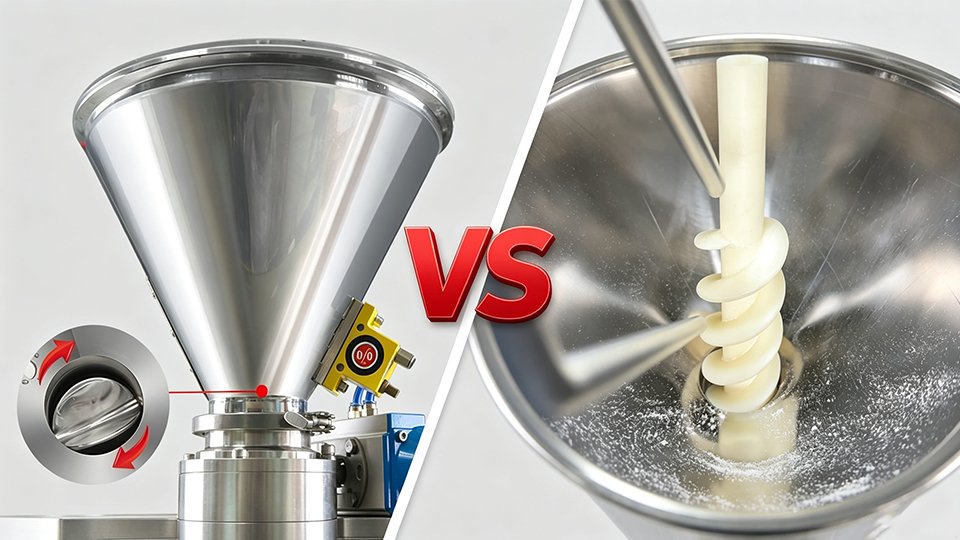
1. カプセル充填機のオージェフィードとは何ですか?
オージェ給餌の仕組み
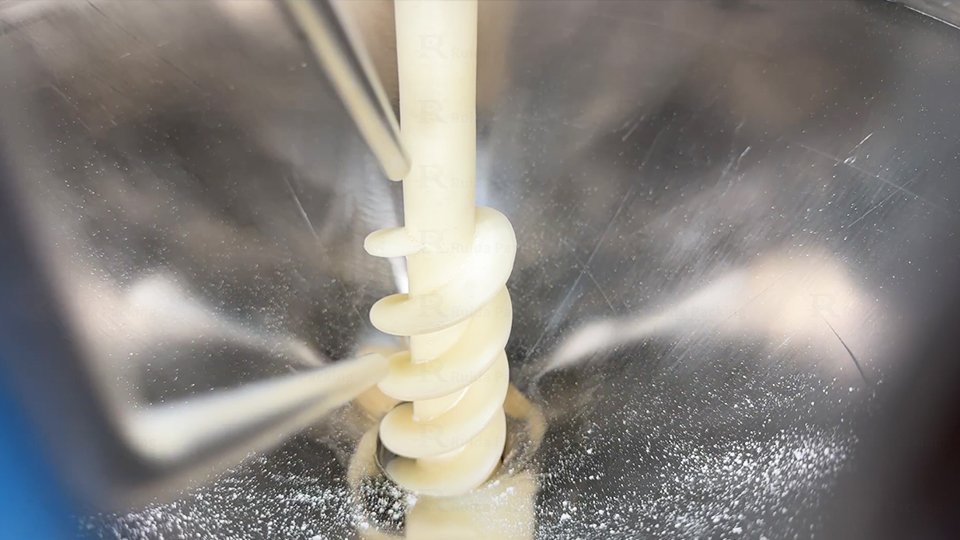
オーガ供給システムは、粉末ホッパーまたは供給機構内の回転スクリューを使用します。. モーターでスクリューの速度と送り時間を制御, ネジのピッチと形状は供給量に影響しますが、. 典型的なプロセスでは:
ホッパー→オージェスクリュー→定量供給→カプセル
スクリューは制御された小型コンベアのように機能します. それは主に体積測定として説明されています, 投与量はスクリューのピッチと速度に影響されます, ホッパー内の粉体レベルと.
実際に, このため、メーカーが重力のみに依存するのではなく、制御された再現可能な粉末供給を必要とする場合に、オーガー投与システムが特に役立ちます。.
オーガー供給に適した材料の種類?
微粉末の場合はオージェ供給が一般的に考慮されています, 特に流動性が低いまたは一貫性のない材料. 粒子が小さいほど、より強い粒子間力が発生する可能性があります, 重力に基づく放電の信頼性が低下する. 医薬品粉末に関する研究では、粒子間力がより大きくなるため、一般に粒子が小さいほど凝集力と粘着力が大きくなることが示されています。.
かさ密度が低い, 周りなど 0.3 g/mL, 光を示している可能性があります, オーガーで評価する価値のあるふわふわのパウダー. しかし, この値は決して厳密な境界として扱わないでください。. USP は、かさ密度を粒子間の空隙を含む質量対体積の比として定義しています。, つまり、パウダーパックも結果にどのように影響するのか.
利点と制限
オーガー供給システムの主な強みは制御です。. オペレーターはスクリュー速度と供給時間を調整して、安定した容積投与を実現できます。.
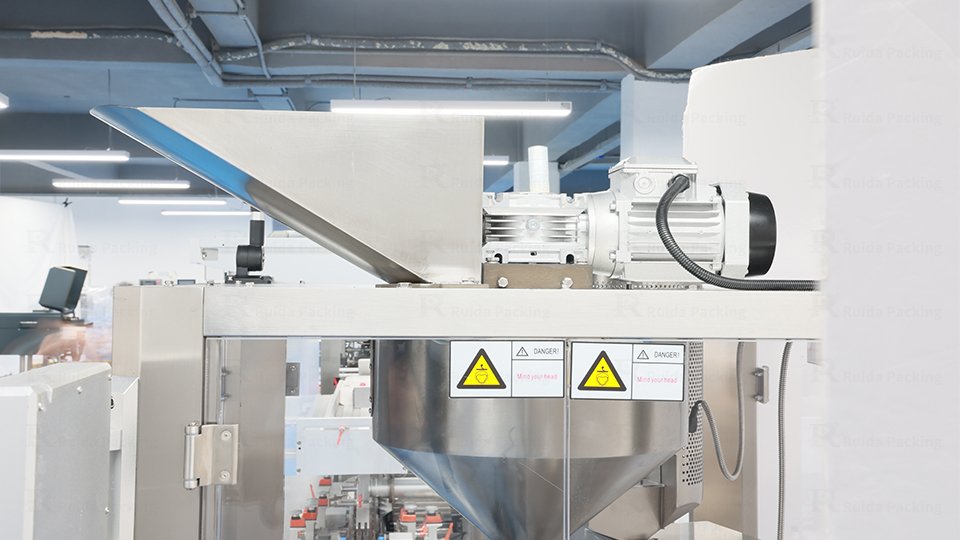
オーガー投与システムを撹拌と組み合わせて、ホッパー内のブリッジングやネズミ穴を減らすこともできます。. これは、不均一に沈殿する傾向がある微粉末を扱うときに役立ちます。.
弱点はひどいベタつき. 凝集性の高い粉体や湿気に弱い粉体がネジに付着する場合があります。, 機内のコンパクトさ, または回転を妨げます. 粘着パウダーカプセル充填中, 通常はスムーズに動作するフィーダーが、すぐにボトルネックになる可能性があります.
2. カプセル充填機の空気圧供給とは何ですか?
空気供給の仕組み
空気圧供給という用語にはいくつかの設計が含まれます. ここで説明するカプセル充填機の供給システムでは, これは、純粋な空気圧駆動機構ではなく、空気補助供給装置としてより正確に理解されています。.
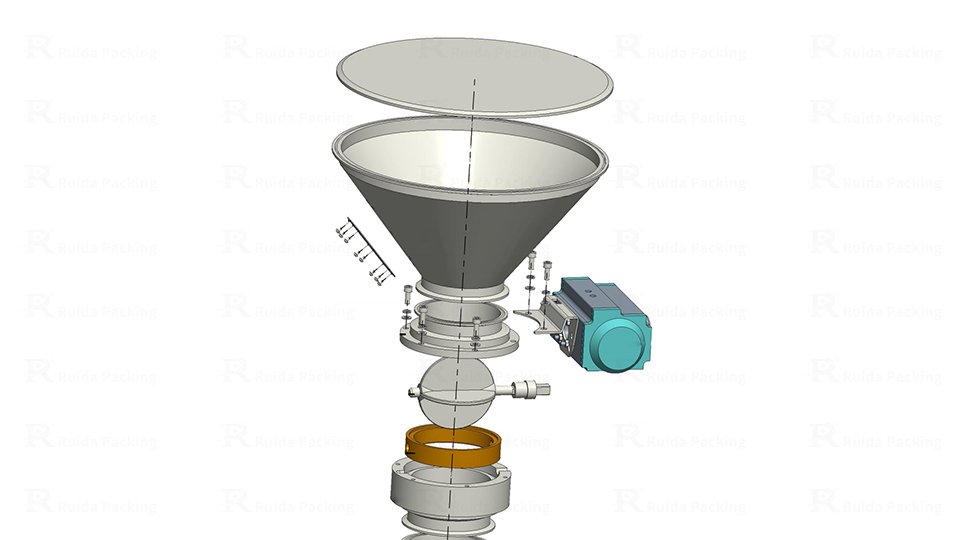
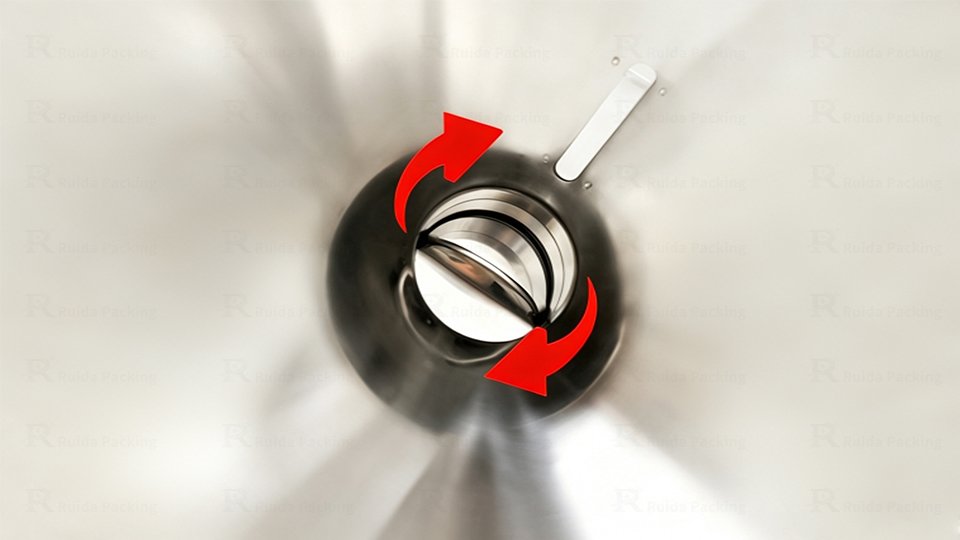
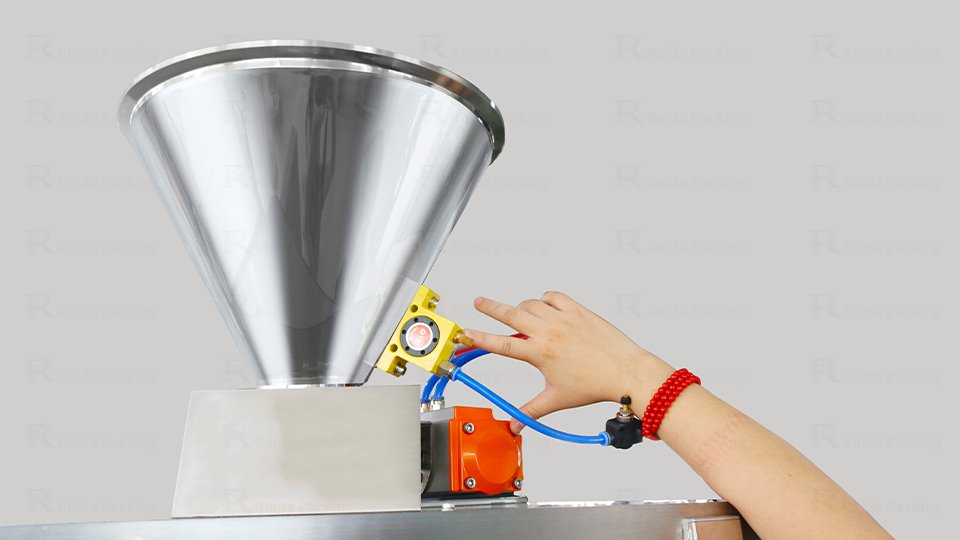
ホッパーバイブレーターは材料を動かし続けるのに役立ちます, 一方、ソレノイドバルブはロータリーバルブの前後の動きを制御して吐出量を調整します。空気圧供給の合理化を以下に示します:
ホッパー + バイブレーター→ロータリーソレノイドバルブ→カプセル充填
これは単に粉末をカプセルに吹き込むだけではありません. 振動を発生させる制御吐出機構です。, バルブの動き, と航空支援が連携して機能します.
空気圧供給に適した素材は何ですか?
空気圧供給システムは、中程度から良好な流動性を持つ材料に魅力的です, 自由流動性の粉末を含む, 顆粒, そしてペレット. 振動によく反応する、粘着性の低い材料にも適用できます。.
これは特にペレット充填と顆粒充填に関連します。, 問題は材料が動くかどうかだけではありません, しかし、不必要な機械的ストレスなしで動くかどうか. ネジは製品との継続的な接触を生み出します, 一方、バルブベースのルートは、壊れやすいペレットや顆粒に対してより穏やかな経路を提供する可能性があります。.
FDA のガイダンスでは、ハードカプセルには粉末またはビーズが充填されている可能性があると認識されています。, カプセル剤形における多粒子材料の幅広い使用をサポート.
ペレットと顆粒を検討する理由?
ペレット充填用, 材料の完全性は材料の流れとほぼ同じくらい重要です.
ネジは能動的な機械部品です, そのため、壊れやすいペレットや不規則な顆粒は、直接経路やバルブベースの経路よりも多くの接触や応力を受ける可能性があります。. 粒子サイズの違いにより、狭いスクリューチャネルを通る移動が複雑になる場合もあります.
そのため、製剤が破損しやすい場合、ペレットや顆粒用のカプセル充填機の供給システムには、機械的干渉が少ない設計が必要となることがよくあります。, 摩耗, または型崩れ. それで, ペレットと顆粒の完璧なソリューションはカップフィラーです. この充填カップは製品の詰まりを大幅に軽減し、ペレットや顆粒の完全性を維持するのに役立ちます。. オーガーと空気圧送りの比較, ペレットや顆粒の充填に適しています。.
制限: 流動性の悪い粉末
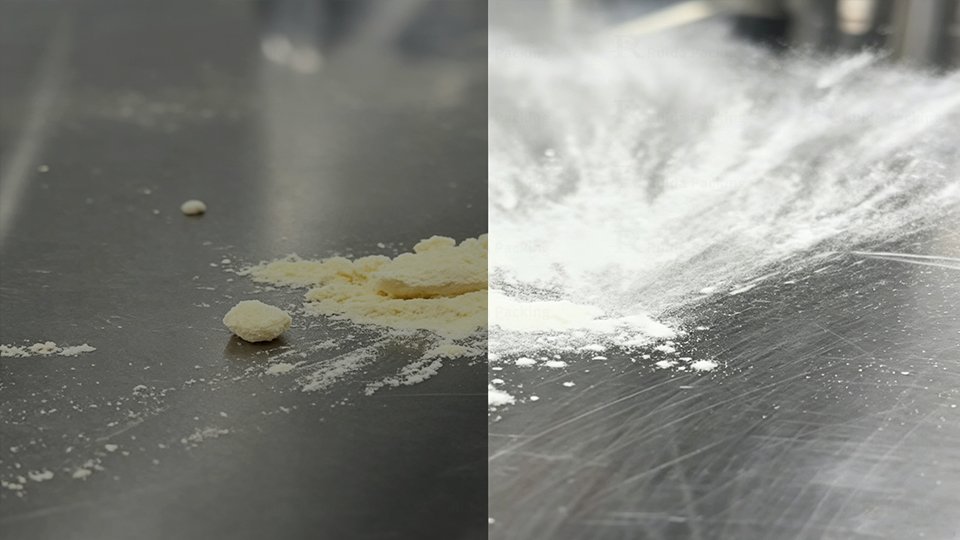
空気圧による供給が自動的に優れているわけではありません. 粉体の流動性が非常に悪い場合, ホッパー内で固まってしまう可能性があります, アーチまたは橋を形成する, そして最終的にはコンセントを塞いでしまう.
USPは、粉末の流れの挙動は多面的であり、安息角などの方法で評価できると指摘しています。, 圧縮率指数, ハウスナー比, flow through an orifice, and shear testing.
言い換えると, vibration can help a reluctant powder move, but it cannot always persuade a very cohesive powder to cooperate.
3. Auger vs Pneumatic Feeding: 重要な違い
As we have understood how auger vs pneumatic feeding work and the basic pros and cons of each other, we can make it much more intuitive with the following table.
Table 1-Differences between Auger vs Pneumatic Feeding
| 要素 | Auger Feeding | Pneumatic Feeding |
| 動作原理 | Rotating screw | Solenoid rotary valve |
| Best Suited To | Fine and low-density powders | Free-flowing powders, 顆粒, ペレット |
| 流動性 | Poor to moderate can be workable | Moderate to good preferred |
| Sticky Materials | More sensitive to sticking | Can suit mildly cohesive materials |
| Fine Powder | Often a strong option | More difficult when flow is very poor |
| Pellets And Granules | May damage the particle | Often preferable when integrity matters |
| 主なリスク | ネジの詰まり | 橋渡しと蓄積 |
オーガーと空気圧送りの重要な点は、あらゆる用途においてどちらの技術も勝てないということです。. 正しい選択はパウダーによって異なります, 必要な充填重量, カプセル形式, そして生産目標は.
教授. ディートマー・シュルツ, 粉体流のスペシャリスト, 粒度分布などの材料特性の重要性を強調, 粒子の形状, 水分, と温度. 彼の作品は単純な原則を裏付けています: カプセル充填機を比較する前に, 素材を理解する。
それから, 疑問が生じます: 材料に適したカプセル供給方法はどれですか?
4. 空気圧による栄養補給がより良い選択となるのはどのような場合ですか?
空気圧による供給は、材料がある程度よく流れるものの、完全に自由に流れるわけではない場合に興味深くなります。. わずかに凝集性のある粉末には、ソレノイド補助の排出が役立つ可能性があります。, while pellets and granules may benefit from lower mechanical contact.
例えば, when a nutraceutical formulation contains small pellets, preserving their shape may be more important than forcing the material through a screw. In such a case, auger vs pneumatic capsule filling should be treated as a material-testing question rather than a catalogue comparison.
The same logic applies to capsule filling machine feeding system for pellets and granules applications: the gentler route may be preferable when particle integrity is important.
5. Why Powder Properties Matter
Powder flow is more complicated than it looks. A powder may seem free-flowing when poured through a simple funnel but behave very differently inside a hopper, フィーダ, または カプセル充填機.
In one USP powder-flow classification, an angle of repose of about 25–30° is associated with excellent flow, while values above 66° are classified as very poor flow. These values are useful as reference points because the test method itself affects the result.
Pharmaceutical production also leaves little room for uncontrolled variation. 粉 & Bulk Solids reports that pharmaceutical dosage forms are commonly below 500 mg, making even relatively small fluctuations important in dose control.
For powder feeding for capsule filling, that means looking beyond the product name and checking how the actual material behaves.
6. How To Choose A Capsule Filling Machine Feeding System
A practical selection process can start with five questions.
What Is The Bulk Density?
Record the material’s bulk density in g/mL. A value around 0.3 g/mL can indicate a very light powder, but density alone should not determine whether you need an auger feeding system or a pneumatic feeding system.
How Well Does The Powder Flow?
Check powder flowability using suitable methods such as angle of repose, カー指数, ハウスナー比, or shear testing.
Experts explain that flow properties should be established through appropriate testing because it is difficult to predict powder behavior theoretically from every influencing variable.
What Is The Particle Size?
Record average particle size and particle size distribution. Also identify whether the material is powder, 顆粒, ペレット, bead, or a mixture.
A broad particle-size distribution can change packing and discharge behavior, so two materials with the same average particle size can still behave differently in a powder feeding system.
Is The Material Sticky Or Cohesive?
Ask a simple question: Is the material sticky or cohesive?
Moisture and hygroscopicity can influence adhesion and flow. If material begins building up on the feeder, hopper wall, or screw surface, the problem is no longer simply low flowability; it becomes a production-stability issue.
Can The Actual Material Be Tested?
This is the step that reduces uncertainty the most.
Send the capsule filling machine supplier a representative sample together with:
- かさ密度
- Powder flowability data
- Particle size and distribution
- Moisture or hygroscopicity information
- Stickiness or cohesiveness
- Target capsule size
- Required fill weight
- 生産能力
A trial on the actual machine can reveal bridging, こだわり, unstable discharge, dose variation, or pellet damage that a specification sheet cannot show.
This is why how to choose a capsule filling machine feeding system should always end with material testing rather than a theoretical guess.
7. How Ruida Packing Supports Feeding System Selection
ルイーダ梱包時, the capsule filling machine feeding system is selected around the material rather than the machine name. Customers can send product samples for trial runs so engineers can compare an auger feeding system, pneumatic dosing system, or another suitable configuration under actual conditions.
For pharmaceutical and nutraceutical production, Ruida provides 316L stainless steel product-contact parts and a complete material certification package for the relevant components. Compliant with FDA, CE, and cGMP requirements, we ensure that equipment surfaces contacting materials must not be reactive, or absorptive in a way that alters product quality.
Ruida Packing also provides a 1-year warranty for the complete machine and 2 years of free replacement of spare parts, together with remote technical support and on-site installation and commissioning services.
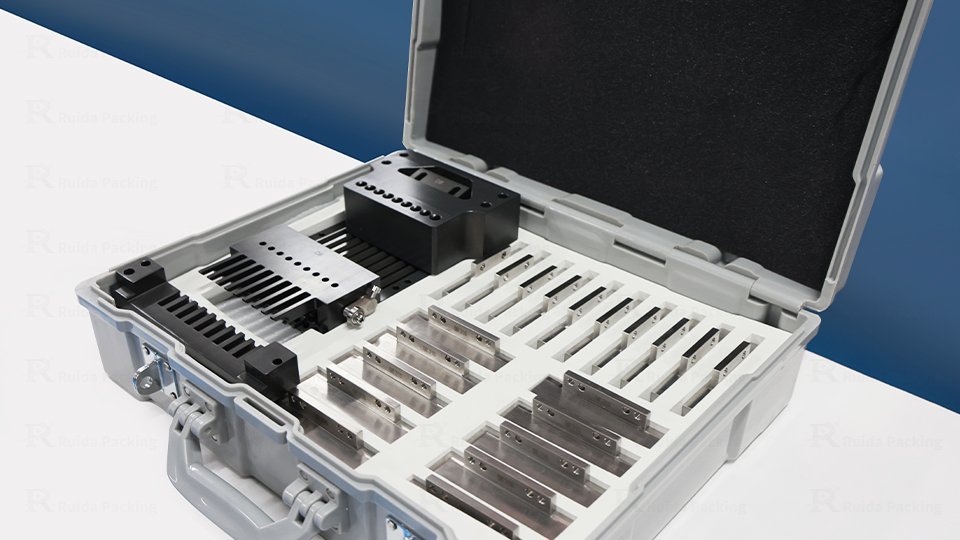
This matters because buying a capsule filler is not the end of the project. The real goal is to keep the カプセルの製造工程 stable after installation, during routine production, and when the formulation changes.
8. 結論: Choose The Feeding System Based On Your Material
You can never say which is better when comparing auger vs pneumatic feeding. 一方では, auger dosing system is often a strong candidate for fine, low-density, poorly flowing powders that need controlled volumetric dosing. 一方で, pneumatic dosing system can be attractive for reasonably free-flowing powders, 顆粒, そしてペレット, especially when lower mechanical contact is desirable.
The best capsule filling machine feeding system is the one proven with your material. かさ密度, 粉体流動性, 粒径, and stickiness are useful starting points, but the final decision should come from an actual machine trial.
9. FAQs
Q1: What Is The Difference Between Auger And Pneumatic Feeding?
Auger dosing system uses a rotating screw to meter material, while pneumatic feeding system combines hopper vibration, a solenoid rotary valve, and air-assisted discharge. In auger vs pneumatic capsule filling, augers are often considered for fine or poorly flowing powders, while pneumatic feeding systems can suit free-flowing powders, 顆粒, そしてペレット.
第2四半期: Which Feeding System Is Best For Sticky Powder Capsule Filling?
There is no definite answer. Mildly cohesive material may respond well to powder pneumatic feeding, while some sticky powders can still work with a properly designed auger. For the best feeding system for sticky powder betwen auger vs pneumatic feeding, testing the actual material is much safer than relying on a general rule.
Q3: Is Auger Feeding Suitable For Low-Density Powder?
はい. Low-density powders, including some around 0.3 g/mL, may be good candidates for auger feeding when their other properties also support it. Bulk density should always be evaluated together with powder flowability, 粒径, 水分, and cohesiveness.
Q4: Can Pneumatic Feeding Be Used For Pellets And Granules?
はい. Pneumatic dosing system can be considered for pellet filling and granule filling, especially when particle integrity matters. The final choice still depends on particle size, 形, flow behavior, 充填重量, そして機械設計.
Q5: How Do I Choose A Capsule Filling Machine Feeding System?
Start with bulk density, 粉体流動性, 粒径, 粘着性, カプセルサイズ, 充填重量, および出力要件. Then send representative samples for a trial run. The actual test usually gives a more useful answer than choosing a feeder from a material name alone.
参考文献
[1] 米国薬局方 (米国薬局), 総章 <1174> Powder Flow.
[2] 米国薬局方 (米国薬局), 総章 <616> Bulk Density of Powders.
[3] 私たち. Food And Drug Administration, 21 CFR §211.65, Equipment Construction.