Guangzhou, September 18th, 2026
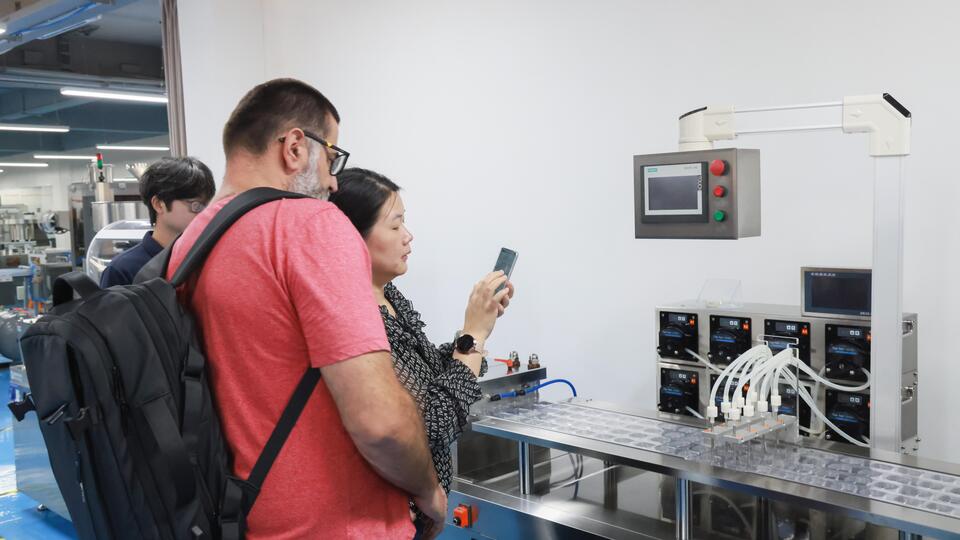
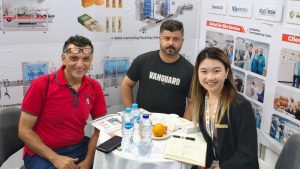
During September 15-18th, Ruida Packing has welcomed Thai client Nate for a comprehensive factory inspection of his DPH-270Max Roller blister packaging machine. Accompanied by Engineer Dai and Aries as well as sales manager Mary, Nate carefully reviewed the machine’s tooling, feeding systems, inspection and rejection functions, software configuration, and maintenance details.
Con 10 sets of molds prepared for different products, the inspection focused not only on machine performance but also on flexibility, controllo di qualità, and long term maintenance.
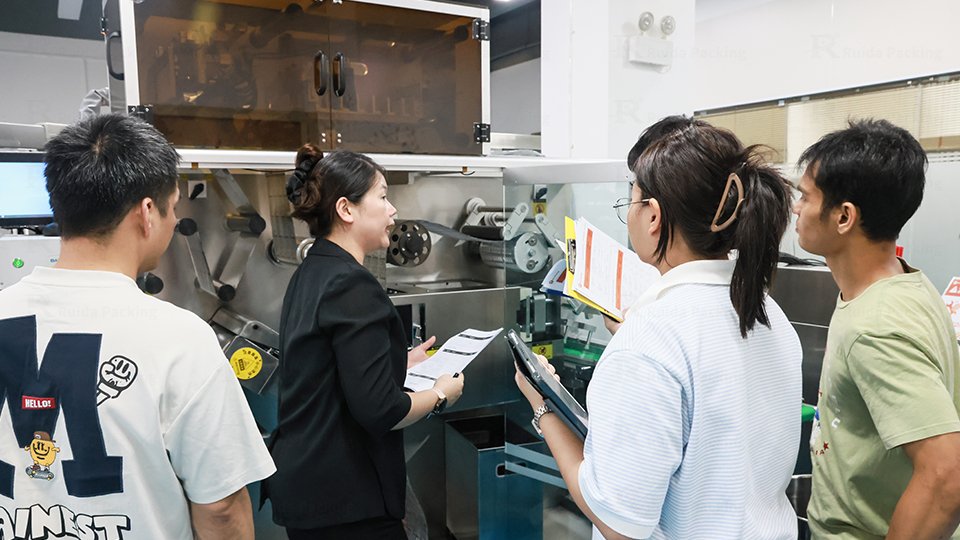
Mary sta ricevendo i clienti
Ten Mold Sets and Three Feeding Solutions
The inspection began with the machine’s tooling. Nate carefully checked all 10 mold sets for possible scratches, ammaccature, or other signs of damage and also confirmed that every mold carried its own laser marked identification number.
Transportation protection was another concern. Mary explained that each mold is wrapped several times with protective film and then surrounded with sponge material to help prevent impact damage during transportation.
Because Nate’s pharmaceutical products vary in shape and material characteristics, three different feeding solutions were supplied: a brush feeder, 316L stainless steel guide rail feeder, and acrylic guide rail feeder.
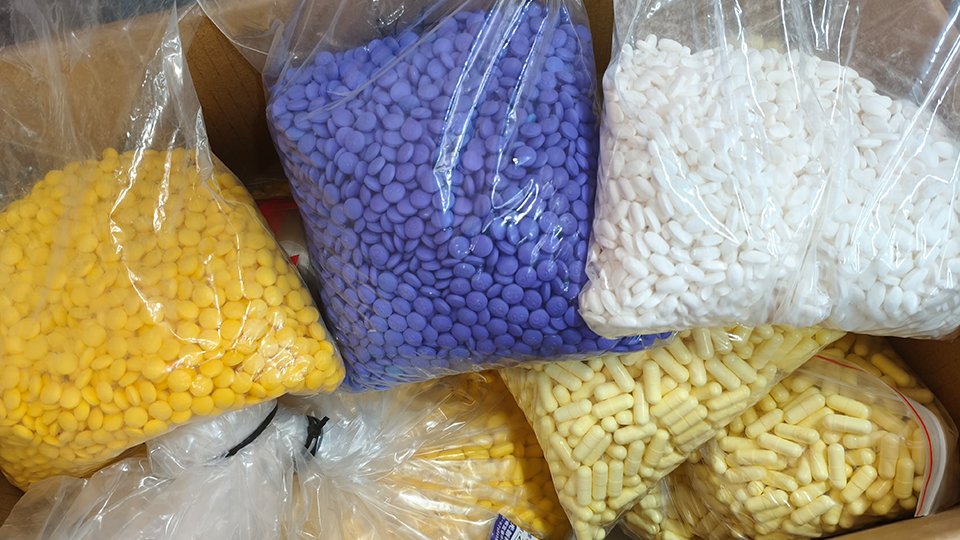
The products of the clients’
Irregular tablets, such as elongated oval shapes, are suited to the brush feeder. Slightly raised round tablets can use the acrylic feeder, while products that may react with aluminum are handled with the 316L stainless steel feeder.
Every Blister Checked, Every Defect Rejected
Nate also paid close attention to the machine’s quality inspection functions.
For the Domino thermal inkjet printer, he wanted to confirm that incorrectly coded blister plates could be accurately identified and rejected on a plate by plate basis.
The client also asked whether blister plates with visual defects could be reliably removed from the production flow. To demonstrate the function clearly, the Ruida Packing team showed Nate videos recorded during previous machine testing.
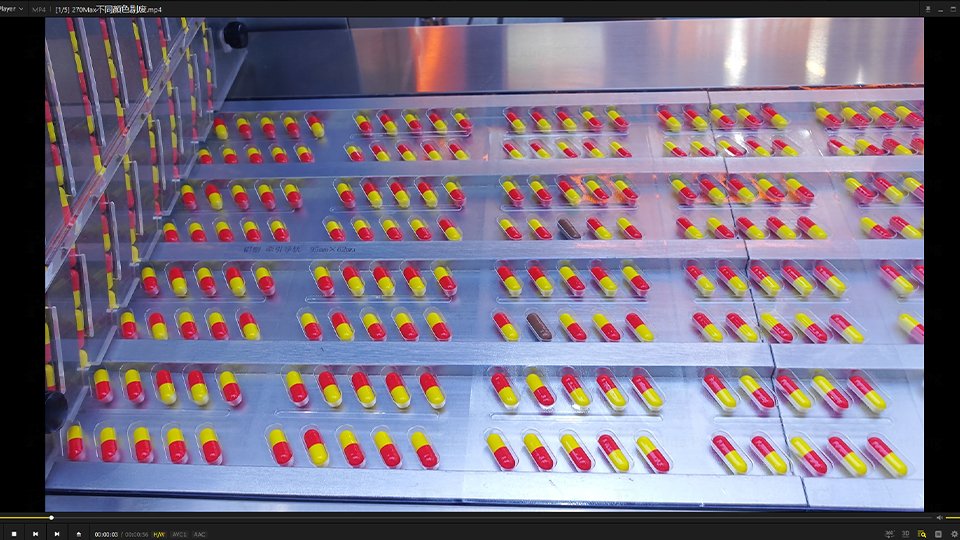
The rejection video that we have shooted before
“It’s good to watch such videos that are intuitive and persuasive enough”, Nate said, “And I can see you have done further to cover my needs.”
These inspection and rejection functions are particularly important for pharmaceutical manufacturers, where product traceability and quality control are closely monitored throughout production.
Built for Strict Pharmaceutical Production Requirements
As a pharmaceutical manufacturer, Nate also placed strong emphasis on software and production management.
The machine was required to support 21 CFR parte 11 compliance requirements, a three level password management system, and an OEE monitoring dashboard.
With multiple mold sets being used for different products, Nate also asked whether production recipes could be stored for quick future changeovers. The system supports storage of up to 500 recipes, allowing operators to save and recall different production parameters more efficiently.
The easy tear opening was also tested. Nate asked whether the tear line could be adjusted according to different packaging requirements. Aries explained that the opening pressure can be adjusted, allowing the depth of the tear line to be fine tuned.
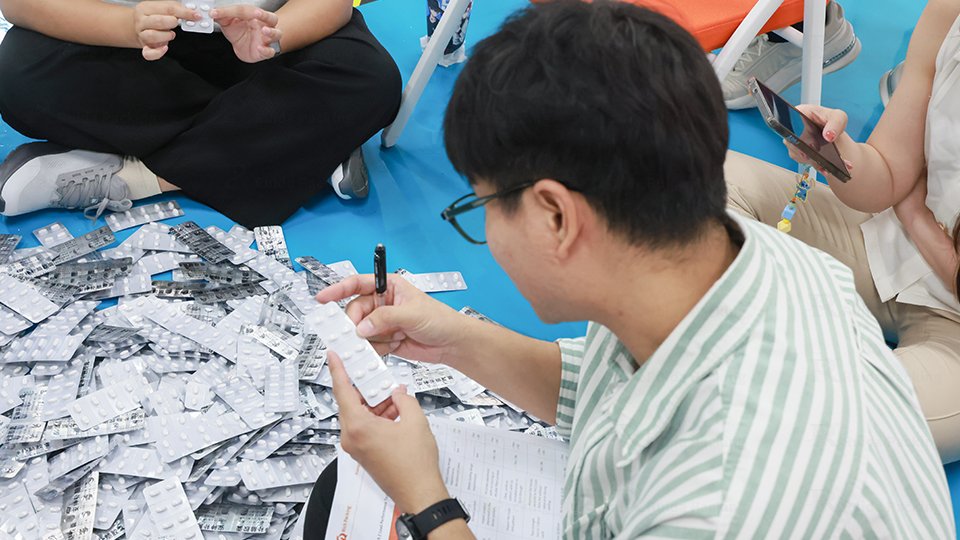
Nate is checking the easy-tear line
Small Adjustment Allows Practical Improvement
One detail raised during the inspection concerned the numbered sleeves used to identify electrical wiring inside the machine cabinet.
Nate wanted to confirm whether the cable identification matched the electrical circuit drawings, making future troubleshooting and maintenance easier.
We have to admit that we had not initially focused on this detail. After the client raised the requirement, the engineer team completed the identification work on the wiring tubes by the following day.
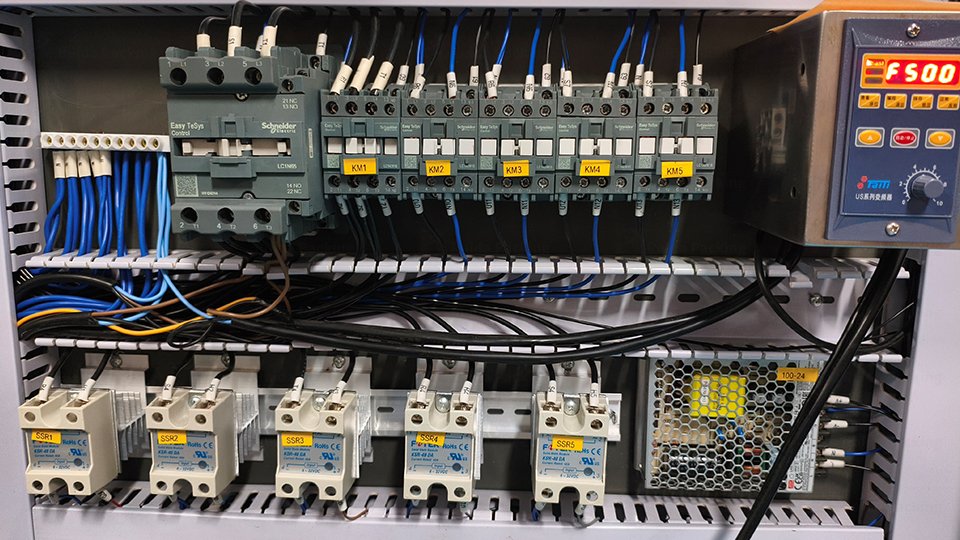
The wiring tubes are labeled
Per l'imballaggio Ruida, this small adjustment carried an important message: a successful factory inspection is not only about proving what the machine can do, but also about listening carefully to what the client needs.
From tooling protection and feeding flexibility to inspection systems, pharmaceutical compliance, recipe management, and maintenance details, Nate’s inspection provided a comprehensive review of the machine before delivery.
“The result of this acceptance test is out of my expectation. Your machine can suit my materials well, the mold material meet our needs are SUS 316, and the machine speed can cover our needs undoubtedly.” Nate commented, “Although there’s some details needed to be readjusted, the overall performance of the machine is good.”
The visit demonstrated Ruida Packing’s commitment to combining reliable equipment with practical, client focused engineering solutions for pharmaceutical manufacturers worldwide.
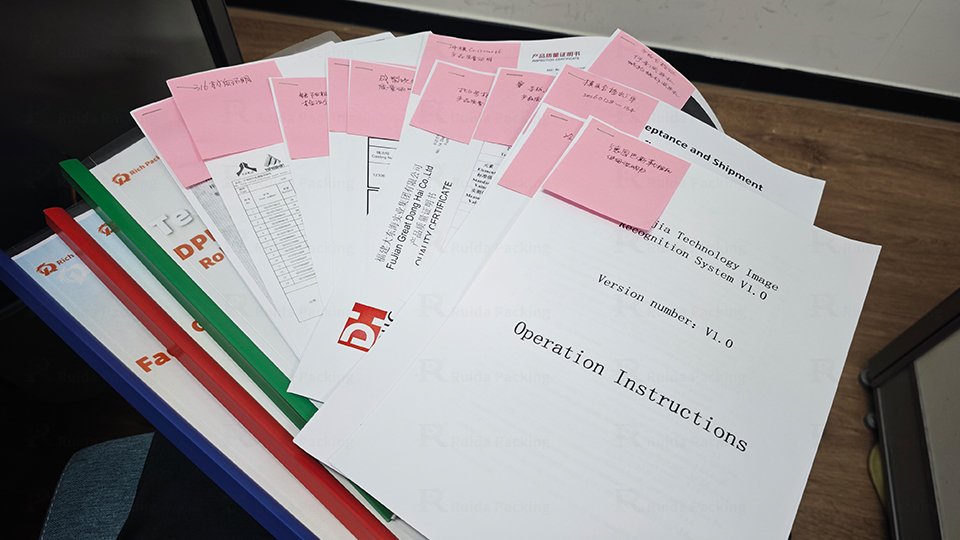
A Complete Set of 4Q Documentation