Introduction
Un comprimé à désintégration orale est conçu pour se briser sur la langue au lieu d'être avalé comme un comprimé standard.. Cette seule différence peut affecter la façon dont la tablette est fabriquée, manipulé, et protégé dans le pack final.
Pour les fabricants, le défi est l'équilibre. Ce type de tablette doit se désintégrer rapidement dans la bouche, mais il a également besoin de suffisamment de force pour passer à travers la production et l'emballage sans dommage.. C'est pourquoi cette catégorie est souvent évoquée non seulement en termes de vitesse de désintégration., mais aussi la force des comprimés, exposition à l'humidité, et protection des emballages.
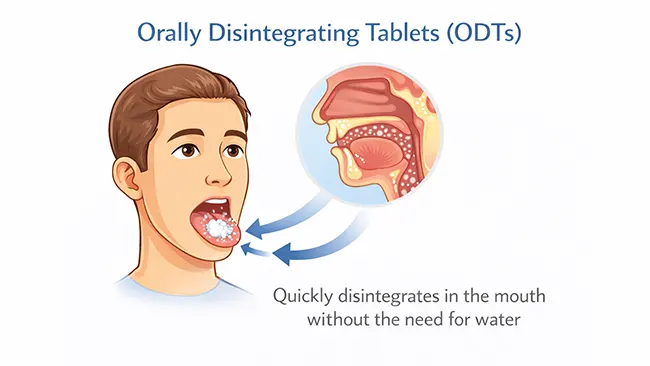
Qu'est-ce qu'un comprimé à désintégration orale?
Un comprimé à désintégration orale est un comprimé oral solide conçu pour se désintégrer rapidement après avoir été placé sur la langue.. C'est différent d'un comprimé à croquer, et il est également différent d'un comprimé standard destiné à être avalé entier avec du liquide.. Le format est construit autour d'une désintégration rapide en bouche, pas selon la voie habituelle d'avaler en premier utilisée par de nombreux comprimés conventionnels.
Plusieurs termes apparentés sont souvent utilisés pour ce type de tablette, y compris la tablette ODT, comprimé oral dispersible, et comprimé à dissolution rapide. La formulation n’est pas toujours totalement cohérente sur l’ensemble du marché, mais l'idée de base est similaire: il s'agit d'un comprimé conçu pour se briser dans la bouche plutôt que d'être avalé comme un comprimé standard.
Cette différence compte également dans la production. Un comprimé qui se brise rapidement dans la bouche doit encore passer par la compression du comprimé., transfert, manutention, et emballage final. En pratique, cela signifie que le produit est souvent jugé en fonction de plus que la seule vitesse de désintégration.. Force du comprimé, friabilité, sensibilité à l'humidité, masquage du goût, et la protection du pack font généralement partie de la même discussion.
En quoi un comprimé à désintégration orale est-il différent d'un comprimé standard?
Un comprimé standard est généralement conçu pour être avalé en premier et se désintégrer ensuite.. Un comprimé à désintégration orale devrait se briser beaucoup plus tôt, dans la bouche, et ça change la cible depuis le début. La différence n'est pas seulement une question de commodité. Cela affecte également la façon dont la tablette est construite et le niveau de protection dont elle pourrait avoir besoin plus tard dans la gamme..
Dans de nombreux projets de tablettes standards, la principale préoccupation est de savoir si le produit peut être fabriqué de manière cohérente et rester stable grâce à une manipulation et un stockage normaux.. Avec ce format, il y a un solde supplémentaire à gérer. Le produit nécessite une désintégration rapide, mais il a également besoin de suffisamment de résistance pour les étapes de production et d'emballage de routine. C’est l’une des raisons pour lesquelles cette catégorie est plus exigeante qu’il n’y paraît à première vue..
L’emballage entre également dans la discussion plus tôt. De nombreux comprimés conventionnels permettent plus de flexibilité dans le conditionnement final. Avec ce format, l'humidité et les risques de manipulation sont souvent plus importants, le choix de l'emballage devra donc peut-être être envisagé beaucoup plus tôt. Dans certains projets, la structure du comprimé elle-même ouvre la voie à une protection plus forte et à un style d'emballage qui réduit l'exposition répétée après ouverture.
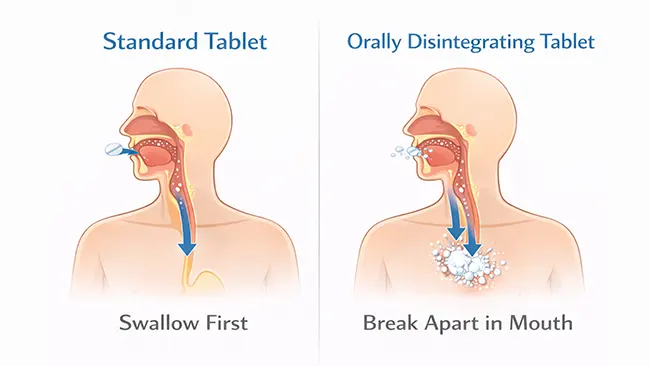
Pourquoi la fabrication de comprimés à désintégration orale est plus exigeante
La principale difficulté est simple à décrire: la désintégration rapide et la résistance du comprimé n'évoluent pas toujours dans la même direction. Un produit qui se brise facilement dans la bouche peut aussi devenir plus facile à écailler., fissure, ou usure pendant la production normale. Tous les projets ne seront pas très fragiles, mais beaucoup ont une fenêtre de traitement plus étroite que les tablettes ordinaires.
Équilibrer la désintégration rapide et la force du comprimé
C'est le compromis principal. Si la tablette devient trop molle, la gestion en aval devient plus difficile. Si ça devient trop dur, le produit peut ne plus offrir les performances de démontage rapide que le format est censé offrir. Cela ne crée pas une règle de formule fixe pour chaque projet, mais ça explique pourquoi la dureté, friabilité, et la tolérance de manipulation font souvent l'objet de plus d'attention ici avant que le pack final ne soit confirmé.
Une façon utile d'y penser est la suivante: l'objectif n'est pas seulement une désintégration rapide. L'objectif est une désintégration rapide et suffisamment de force physique pour survivre à la ligne.. C'est dans cette deuxième partie que de nombreux projets deviennent plus exigeants que ne le suggèrent les descriptions générales des produits..
Masquage du goût et limites de formulation
Le goût compte également plus dans cette catégorie que dans de nombreux projets de tablettes ordinaires. Parce que le comprimé commence à se briser dans la bouche, le goût et la sensation en bouche désagréables deviennent perceptibles plus tôt. Cela place le masquage du goût plus haut dans la liste des priorités, et ces choix de formulation peuvent influencer le comportement de la poudre, réponse à la compression de la tablette, et performances de désintégration.
Cela ne signifie pas que chaque projet nécessite un parcours compliqué. Cela signifie que la tablette est rarement jugée sur un seul critère d'évaluation.. Les équipes doivent souvent penser à l'expérience utilisateur, comportement de compression de la tablette, friabilité, et emballer la protection ensemble, car un changement dans un domaine peut en affecter un autre.
Pourquoi le contrôle des processus est plus important
Quand la marge se resserre, les petites variations comptent plus. Dérive du poids, amendes excédentaires, dommages aux bords, transfert instable, ou une manipulation brutale des comprimés peut créer des effets en aval plus importants alors que le produit a déjà moins de marge d'erreur. Une ligne qui semble correcte pour une tablette standard peut être trop agressive pour ce format.
Pour la planification des équipements, cela signifie généralement regarder au-delà du presse à comprimés automatique seul. La compression compte, mais le contrôle de la poussière aussi, transfert de tablette, inspection, et la douceur du chemin aval. Un comprimé qui quitte la presse à comprimés dans un état acceptable peut encore devenir un problème d'emballage plus tard si le reste du parcours est trop accidenté..
Pourquoi l'emballage est plus important pour un comprimé à désintégration orale
Le packaging n’est pas seulement une étape finale de présentation de ces produits. Dans de nombreux cas, cela fait partie de la protection du produit. Lorsqu'un format de comprimé présente une moindre tolérance à l'exposition à l'humidité ou à une manipulation brutale, le pack a un effet direct sur le fait que le produit conserve les performances pour lesquelles il a été conçu.
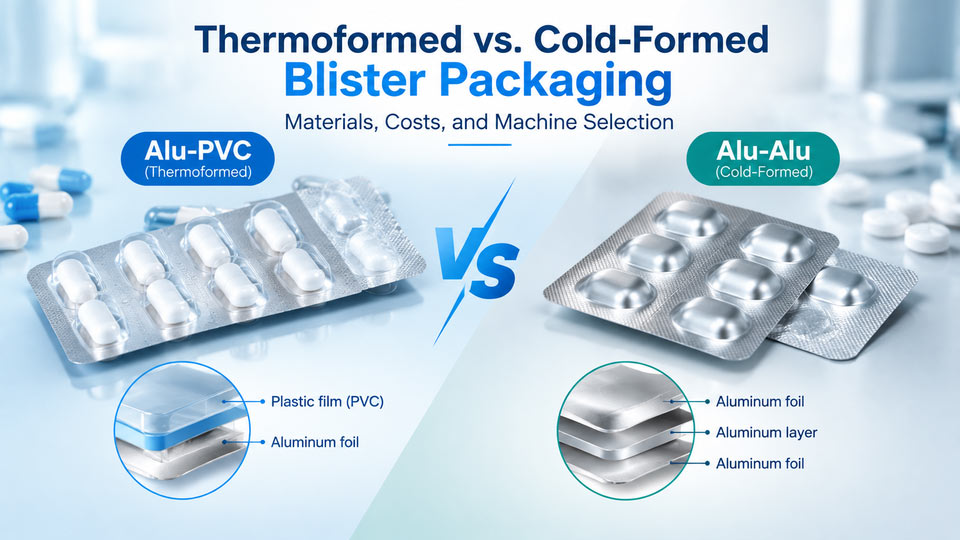
C'est pourquoi emballage sous blister est souvent discuté au début de ces projets. Un blister protège les comprimés un à un, limite les expositions répétées après ouverture, et prend en charge un itinéraire de manutention plus contrôlé. Pour les produits sensibles à l'humidité, le niveau de barrière compte autant que le style du pack. Un emballage qui semble acceptable de l'extérieur peut néanmoins être mal adapté si sa protection est trop faible pour le produit cible..
L'emballage des bouteilles n'est pas toujours mauvais. Dans certains cas, un itinéraire de bouteilles soutenu par une ligne de comptage et d'embouteillage de comprimés peut toujours avoir du sens pour le produit, marché, et objectif de stabilité. La décision nécessite simplement plus de soin que pour une tablette standard plus indulgente.. La vraie question n’est pas seulement de savoir quel pack coûte le moins cher. La meilleure question est de savoir quel pack protège suffisamment le produit pour le parcours auquel il sera réellement confronté..
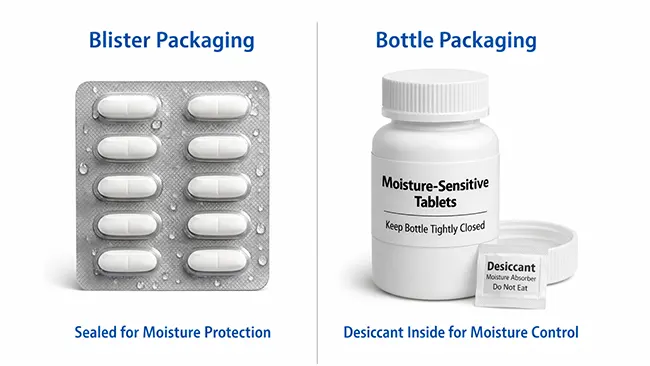
Le choix des matériaux est important pour la même raison. Les discussions sur l'emballage pour cette catégorie sont souvent liées à la qualité du scellage., performances de barrière contre l'humidité, conditions de transport, attentes en matière de stockage, et objectifs de durée de conservation. Quand ces points sont laissés trop tard, les équipes peuvent se retrouver avec une tablette qui fonctionne bien en termes de développement mais qui est confrontée à des risques inutiles sur le marché.
Tableau: Comprimé standard vs comprimé à désintégration orale dans la fabrication et l'emballage
| Aspect | Tablette standard | Comprimé à désintégration orale |
| Objectif de performance principal | Avaler d'abord, puis se désintègre plus tard | Se défait rapidement en bouche |
| Fenêtre de résistance de la tablette | Souvent plus indulgent | Souvent plus serré |
| Risque d'humidité dans la planification du projet | Souvent considéré plus tard | Souvent considéré plus tôt |
| Priorité au goût et à la sensation en bouche | Généralement inférieur | Généralement plus élevé |
| Rôle d'emballage | Souvent plus flexible | Souvent plus étroitement lié à la protection des produits |
| Focus sur la planification des lignes | Sortie et cohérence stables | Sortie stable, manipulation plus douce et protection renforcée |
Ce que signifie un comprimé à désintégration orale pour la planification des équipements et des lignes
Ce type de projet ne doit pas être jugé uniquement par la presse à comprimés. La presse à comprimés compte toujours, mais les conditions de transfert aussi, dépoussiérage, inspection, alimentation, conditionnement, et la manière globale dont le produit se déplace dans la ligne. Un comprimé qui fonctionne bien en compression peut encore créer des problèmes plus tard si le parcours en aval est trop difficile pour la structure du produit..
La planification de la ligne fonctionne généralement mieux lorsque les équipes commencent par la forme posologique elle-même.. Quel stress de manipulation les comprimés peuvent-ils tolérer? De quel degré de protection contre l'humidité l'itinéraire a-t-il besoin? Le pack final prend-il en charge la cible du produit, ou est-il choisi uniquement pour des raisons de commodité ou de coût? Il est plus facile de répondre à des questions comme celles-ci tôt qu'une fois l'itinéraire fixé.
Du point de vue de l'équipement, cela conduit souvent à un examen plus connecté des paramètres de presse à comprimés, contrôle de la poussière, transfert de tablette, machine d'emballage sous blister pour comprimés pertinence, points de contrôle, et finale carton. L'itinéraire exact dépend du produit et des exigences du marché, mais l'essentiel est simple: ces projets fonctionnent généralement mieux lorsque la compression et le conditionnement sont planifiés comme un seul système plutôt que comme deux décisions distinctes..
Cet examen plus large permet également d’éviter une inadéquation courante. Une ligne peut paraître complète sur le papier, tout en exposant le produit à trop de contraintes de manipulation ou à un mauvais environnement d'emballage. Pour ce type de tablette, Le succès de la ligne dépend souvent moins des spécifications impressionnantes d'une machine que de la stabilité et de la protection du parcours complet, depuis la décharge des comprimés jusqu'à l'emballage final..
Erreurs courantes lors de la planification d'un projet de tablette à désintégration orale
Une erreur courante est de trop se concentrer uniquement sur la vitesse de désintégration.. Un comprimé qui se désagrège rapidement mais ne peut pas passer par une production et un emballage normaux sans dommage peut néanmoins devenir un produit commercial difficile..
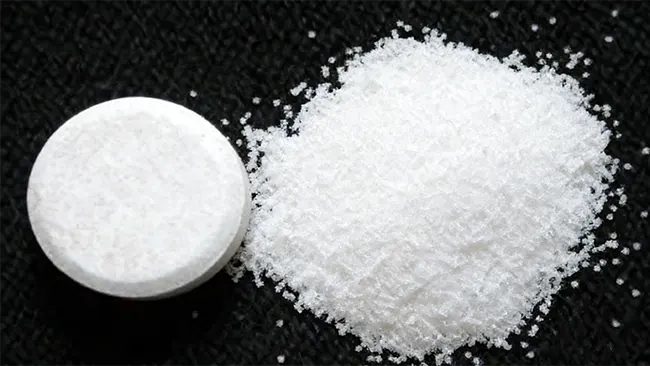
Une autre erreur consiste à considérer l’emballage comme un choix tardif.. Pour cette catégorie, le pack final affecte souvent la stabilité, manutention, et robustesse dans le monde réel, donc cela mérite généralement une attention beaucoup plus tôt.
Une troisième erreur consiste à supposer qu'un itinéraire standard pour tablette sera transféré directement avec seulement des modifications mineures.. Dans certains cas, cela peut être vrai, mais dans beaucoup d'autres, la combinaison des limites de résistance, sensibilité à l'humidité, et la protection du pack modifie les exigences pratiques plus que prévu.
Une quatrième erreur est de séparer trop nettement les discussions sur le processus et celles sur le packaging.. Lors de la formulation, compression, transfert, et l'emballage sont examinés isolément, les équipes peuvent rater le point où les petites décisions de ligne créent des ruptures évitables, instabilité, ou traiter les plaintes plus tard.
Réflexions finales sur la fabrication et l'emballage des comprimés à désintégration orale
Un comprimé à désintégration orale n'est pas simplement un comprimé standard portant une étiquette différente.. C'est un format avec un objectif de performance différent, et cet objectif affecte plus que le moment de l'utilisation. Cela peut changer la façon dont le produit est conçu, à quel point la production doit être étroitement contrôlée, et quel degré de protection le package final doit offrir.
C'est pourquoi il est préférable de considérer ces projets comme une question liée à la fabrication et à l'emballage.. Le comprimé doit encore se briser rapidement dans la bouche, mais il a également besoin de suffisamment de solidité et de protection pour survivre à la compression du comprimé jusqu'à l'emballage final.. Quand ces deux côtés sont évalués ensemble, la planification des lignes devient généralement plus claire et plus pratique.
FAQ sur les comprimés à désintégration orale
Qu'est-ce qu'un comprimé à désintégration orale?
Il s'agit d'un comprimé conçu pour se briser sur la langue au lieu d'être avalé comme un comprimé standard..
Un comprimé à désintégration orale est-il identique à un comprimé à croquer?
Non. Un comprimé à croquer est destiné à être mâché. Un comprimé à désintégration orale est conçu pour se désintégrer dans la bouche sans suivre le même chemin de mastication..
Pourquoi la fabrication de comprimés à désintégration orale est-elle plus difficile?
Le principal défi est l’équilibre. Le produit nécessite une désintégration rapide, mais il a aussi besoin de suffisamment de force pour la compression, transfert, manutention, et emballage.
Pourquoi l'emballage est-il plus important pour un comprimé à désintégration orale?
L'exposition à l'humidité et le risque de manipulation sont souvent plus importants pour ce type de produit, afin que le pack final puisse jouer un rôle plus important dans la protection.
L'emballage sous blister est-il toujours requis pour un comprimé à désintégration orale?
Pas toujours. Le bon format dépend de la cible du produit, profil de stabilité, gestion des risques, besoins du marché, et le niveau de protection requis pendant la durée de conservation.
Pourquoi la planification d'une ligne devrait-elle commencer tôt pour un projet de comprimés à désintégration orale?
Parce que la structure de la tablette, tolérance de manipulation, et la protection des emballages sont étroitement liés. Les examiner ensemble dès le début réduit généralement les problèmes en aval.
Références
- FDA, Orientation pour l'industrie: Comprimés de désintégration orale. (Administration américaine des denrées alimentaires et des médicaments)
- Ghourichai et coll., Formulation et contrôle qualité des comprimés à désintégration orale. (PMC)