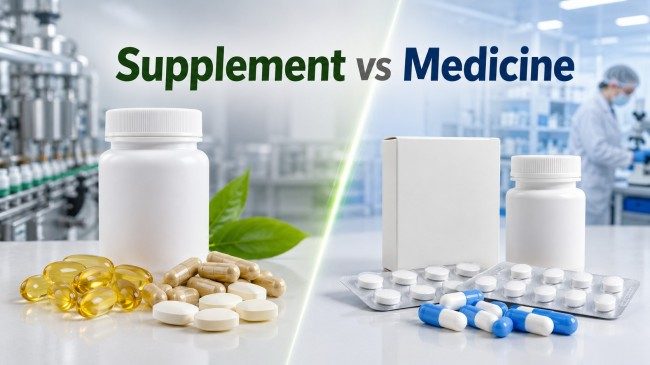
مکمل های غذایی و داروها اغلب به یک شکل وجود دارند. در یک داروخانه یا فروشگاه مکمل ها قدم بزنید و قرص ها را پیدا کنید, کپسول های سخت, نرم ژل ها, پودرها, و مایعات در هر دو دسته. ظاهر آنها به تنهایی به شما اطلاعات کمی در مورد نحوه تنظیم یا تولید محصول نهایی می دهد.
اصلی مکمل در مقابل دارو تفاوت آن چیزی است که محصول در نظر گرفته شده است. مکمل ها مواد غذایی مانند ویتامین ها را اضافه می کنند, مواد معدنی, اسیدهای آمینه, یا مواد گیاهی به رژیم غذایی. برای پیشگیری از داروها استفاده می شود, درمان, مسکن, یا بیماری ها و شرایط پزشکی را مدیریت کنید.
این تفاوت بسیار فراتر از فرمول بندی است. بر ادعای محصول تأثیر می گذارد, برچسب زدن, کنترل های تولید, تست کردن, مستندات, و گاهی اوقات بسته بندی مورد استفاده برای عرضه محصول نهایی به بازار است.
1.مکمل در مقابل دارو: آنها چه هستند?
مکمل غذایی چیست؟?
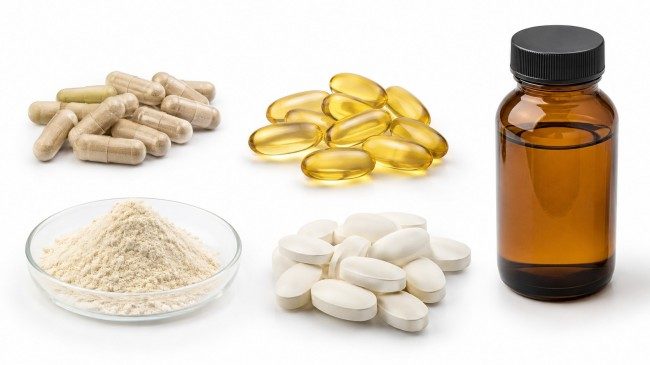
بوها مکمل غذایی برای افزودن مواد مغذی خاص یا سایر مواد غذایی به رژیم غذایی منظم یک فرد طراحی شده است. در ایالات متحده آمریکا, مواد غذایی می تواند شامل ویتامین ها باشد, مواد معدنی, اسیدهای آمینه, گیاهان و سایر مواد گیاهی, و همچنین عصاره های خاص, کنسانتره, متابولیت ها, و مواد مرتبط. این مکمل های غذایی به صورت قرص در دسترس هستند, کپسول ها, نرم ژل ها, لثه ها, پودرها, مایعات, و سایر اشکال رایج.
یک قرص مولتی ویتامین, نرم ژل روغن ماهی, کپسول گیاه شناسی, بنابراین پودر پروتئین همه می توانند مکمل های غذایی باشند حتی اگر مواد تشکیل دهنده و روش های تولید آنها بسیار متفاوت باشد.
دسته بندی با محصول نهایی و نحوه بازاریابی آن تعریف می شود, نه به عنوان قرص یا کپسول.
در ایالات متحده, FDA مکمل های غذایی را تنظیم می کند اما به طور کلی آنها را قبل از ورود به بازار تایید نمی کند. تولید کنندگان و توزیع کنندگان مسئول اطمینان از اینکه محصولات آنها ایمنی را برآورده می کنند، هستند, برچسب زدن, و الزامات ساخت که برای آنها اعمال می شود. الزامات اعلان اضافی برای محصولات خاصی که حاوی یک ماده غذایی جدید هستند اعمال می شود.
پزشکی چیست?
دارو در اینجا به محصولاتی اطلاق می شود که برای پیشگیری استفاده می شود, درمان, مسکن, یا بیماری ها و شرایط پزشکی را مدیریت کنید.
آنها هم شامل محصولات نسخه ای و هم بدون نسخه هستند. مسیر آنها به بازار بسته به محصول متفاوت است. بسیاری نیاز به یک برنامه بررسی شده توسط FDA دارند, در حالی که برخی از محصولات بدون نسخه را می توان تحت یک تک نگاری OTC قابل اجرا به جای از طریق یک برنامه کاربردی قبل از فروش فردی به بازار عرضه کرد..
این تمایز اهمیت دارد زیرا یک کپسول ویتامین و یک کپسول دارویی می توانند فرمت فیزیکی یکسانی داشته باشند در حالی که از قوانین متفاوتی برای ادعاها پیروی می کنند., تولید, کنترل کیفیت, و برچسب زدن.
مقایسه سریع تفاوت های اصلی را واضح تر می کند:
| منطقه | مکمل غذایی | دارو |
| استفاده اصلی | رژیم را با مواد غذایی تکمیل می کند | جلوگیری می کند, رفتار می کند, تسکین می دهد, یا بیماری ها و شرایط پزشکی را مدیریت می کند |
| فرم های رایج | قرص, کپسول ها, نرم ژل ها, لثه ها, پودرها, مایعات | قرص, کپسول ها, مایعات, و سایر اشکال دارویی |
| ایالات متحده. مسیر پیش از بازار | به طور کلی هیچ پیش تایید FDA وجود ندارد; برخی از مواد غذایی جدید نیاز به اطلاع قبلی دارند | مسیر بستگی به محصول دارد; می توان از برنامه های کاربردی یا یک تک نگاری OTC قابل استفاده استفاده کرد |
| ادعاها | سلامتی, محتوای مواد مغذی, و ادعاهای ساختار/عملکرد تابع قوانین خاصی هستند | ادعاها باید با استفاده و برچسب مجاز دارو مطابقت داشته باشند |
| برچسب بزنید | حقایق مکمل و سایر اطلاعات مکمل مورد نیاز | برچسب گذاری داروی خاص محصول |
| چارچوب تولید در ایالات متحده. | 21 قسمت CFR 111 | 21 قطعات CFR 210 و 211 |
| بسته بندی | حول ثبات انتخاب شده است, استفاده کنید, برچسب زدن, و هرگونه الزامات خاص محصول | حول ثبات انتخاب شده است, استفاده کنید, برچسب زدن, و الزامات ایمنی خاص محصول |
نکته کلیدی این است که فرم دوز فیزیکی می تواند با هم تداخل داشته باشد در حالی که الزامات مربوط به محصول نهایی وجود ندارد.
2.نحوه استفاده, ادعاها, و برچسب زدن متفاوت است?
واضح ترین تفاوت در کاری که یک شرکت می تواند بگوید محصول انجام می دهد ظاهر می شود.
هدف محصول ادعاها را تغییر می دهد
مکمل های غذایی می توانند چندین نوع ادعای برچسب را در ایالات متحده ایجاد کنند. FDA ادعاهای سلامتی را شناسایی می کند, ادعای محتوای مواد مغذی, و ادعاهای ساختار/عملکرد به عنوان دسته های اصلی. الزامات مختلفی برای هر کدام اعمال می شود.
به عنوان مثال, یک ادعای ساختار/عملکرد می تواند توضیح دهد که چگونه یک ماده مغذی به حمایت از ساختار یا عملکرد طبیعی بدن کمک می کند. در جایی که شرایط لازم وجود دارد, یک مکمل می تواند بگوید که یک ماده مغذی از عملکرد طبیعی بدن "حمایت می کند"..
کاری که نمی تواند انجام دهد این است که خود را به عنوان محصولی معرفی کند که درمان می کند, جلوگیری می کند, یا یک بیماری خاص را درمان می کند در حالی که همچنان به عنوان یک مکمل غذایی به بازار عرضه می شود. FDA بیان می کند که یک محصول برای درمان ارائه شده است, پیشگیری, یا درمان یک بیماری خاص خارج از دسته مکمل های غذایی است.
برچسبگذاری دارو مسیر متفاوتی را دنبال میکند، زیرا استفاده ادعا شده با شرایطی مرتبط است که تحت آن محصول میتواند به طور قانونی به بازار عرضه شود..
به همین دلیل است که دو محصول حاوی ترکیبات مشابه به طور خودکار یک دسته نیستند. نحوه فرمولاسیون محصول نهایی, ارائه شده است, و مسائل را به بازار عرضه کرد.
حقایق مکمل چیست?
این حقایق مکمل پانل یکی از ساده ترین راه ها برای تشخیص مکمل های غذایی فروخته شده در ایالات متحده است.
با استثنائات محدود, FDA از پنل Supplement Facts می خواهد تا اندازه سروینگ را فهرست کند, تعداد وعده ها در هر ظرف, مواد غذایی, و مقدار هر یک از مواد غذایی ارائه شده در یک وعده. اطلاعات ارزش روزانه در صورت نیاز گنجانده شده است.
مواد تشکیل دهنده ای که در Supplement Facts اعلام نشده اند معمولاً به طور جداگانه به عنوان فهرست می شوند سایر مواد تشکیل دهنده. اینها می توانند شامل موادی مانند ژلاتین باشند, نشاسته, تثبیت کننده ها, مواد نگهدارنده, طعم ها, و سایر ترکیبات فرمولاسیون.
برای تولید کنندگان, بنابراین توسعه برچسب قبل از اینکه بطری به دستگاه لیبلزنی برسد آغاز میشود. فرمول, اندازه خدمت, اعلام مواد تشکیل دهنده, ادعا می کند, و قالب بسته همگی بر روی اطلاعاتی که باید بر روی برچسب یا کارتن نهایی قرار گیرند تأثیر می گذارد.
برچسب دارو حاوی اطلاعات متفاوتی با توجه به نوع محصول و مسیر بازاریابی آن است. تفاوت عملی فقط در نام پانل برچسب نیست: برچسب باید با الزامات تعیین شده برای آن محصول نهایی خاص مطابقت داشته باشد.
3.تولید چگونه متفاوت است?
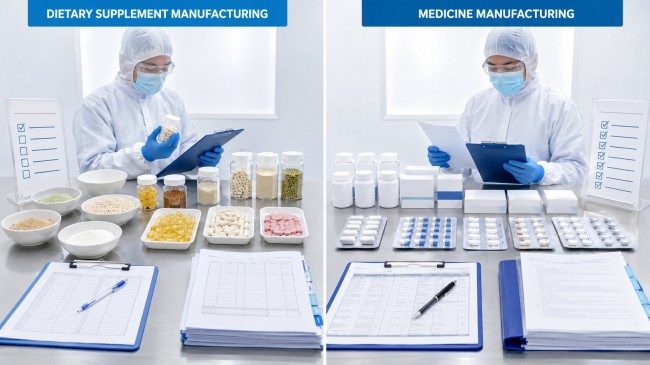
مکمل های غذایی و داروها می توانند عملیات تولید آشنا را به اشتراک بگذارند. مخلوط کردن پودر, دانه بندی, پر کردن کپسول, فشرده سازی تبلت, پوشش, بازرسی, و بسته بندی در هر دو صنعت ظاهر می شود.
چارچوب تولید حول آن عملیات جایی است که تفاوت اهمیت بیشتری پیدا می کند.
تولید مکمل های غذایی
مکمل های غذایی تولید شده برای ایالات متحده. بازار تابع الزامات CGMP در 21 قسمت CFR 111, که به تولید و همچنین بسته بندی می پردازد, برچسب زدن, و برگزاری عملیات.
الزامات به حوزه هایی مانند پرسنل می پردازد, امکانات, تجهیزات, کنترل کیفیت, مشخصات, سوابق اصلی ساخت, سوابق تولید دسته ای, عملیات آزمایشگاهی, بسته بندی, برچسب زدن, و ثبت سوابق. تجهیزات تولید باید با فرآیندی که برای آن استفاده می شود مطابقت داشته باشد و در طول عملیات در شرایط کاری مناسب و تمیز نگهداری شود.
این یعنی تولید مکمل های غذایی صرفاً ترکیب مواد و قرار دادن آنها در کپسول یا قرص نیست. تولیدکنندگان به مشخصات و کنترل هایی نیاز دارند که به اطمینان حاصل شود که محصول نهایی دارای هویت مورد انتظار است, خلوص, قدرت, ترکیب, و کیفیت.
تولید دارو
داروسازی تمام شده در ایالات متحده. تحت چارچوب CGMP در 21 قطعات CFR 210 و 211.
قسمت 211 الزامات را در سراسر سیستم تولید دارو تعیین می کند, از امکانات, تجهیزات, و کنترل مواد برای فرآیندهای تولید, تست آزمایشگاهی, بسته بندی, برچسب زدن, برنامه های ثبات, و سوابق تولید.
مقایسه مفید این نیست که یک سیستم "خوب" و دیگری "بهتر" است,” یا اینکه یکی تنظیم شده است در حالی که دیگری تنظیم نشده است. آنها چارچوب های تولید جداگانه ای هستند که برای دسته های مختلف محصول نوشته شده اند.
این تفاوت بر نحوه تعیین مشخصات تولیدکنندگان تأثیر می گذارد, تولید سند, مواد کنترلی, رسیدگی به انحرافات, دسته های تمام شده را آزاد کنید, و حفظ سوابق.
این برای تجهیزات تولید به چه معناست?
تفاوت بین تولید مکمل و دارو لزوماً به دسته های ماشین آلات کاملاً متفاوتی نیاز ندارد.
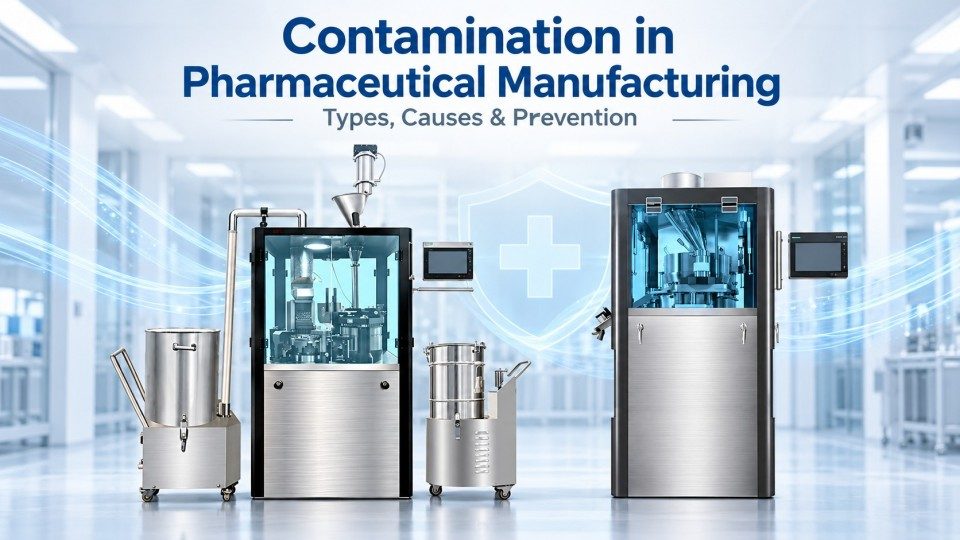
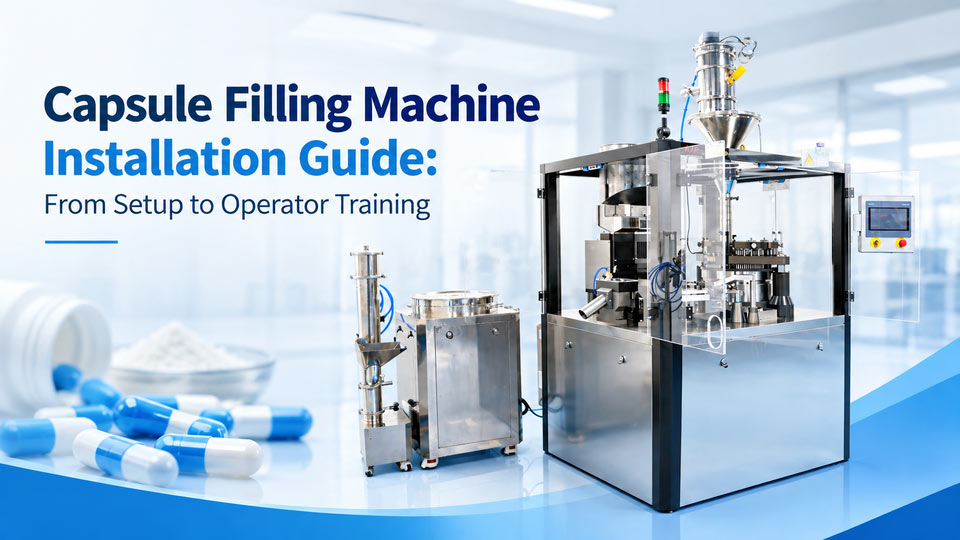
بوها دستگاه فشرده سازی قرص دوار هنوز هم برای فشرده کردن مواد آماده به قرص استفاده می شود. یک دستگاه پر کردن کپسول اتوماتیک هنوز یک فرمول را به پوسته کپسول متر می کند. این که آیا محصول نهایی یک مکمل یا دارو باشد، الزامات مربوط به فرآیند را به جای هدف مکانیکی اولیه دستگاه تغییر می دهد..
این فرمول در پیکربندی ماشین مرکزی باقی می ماند.
یک ترکیب ویتامین با جریان آزاد رفتاری متفاوت از یک پودر گیاهی چسبنده دارد. وزن پر کپسول, جریان پودر, ویژگی های فشرده سازی, تولید گرد و غبار, خروجی مورد نیاز, و نیازهای تمیز کردن همه بدون در نظر گرفتن دسته بندی محصول بر روی تنظیم تجهیزات تأثیر می گذارد.
طراحی تجهیزات می تواند از تولید کنترل شده از طریق سطوح مناسب تماس با محصول پشتیبانی کند, مناطق نظافتی در دسترس, پردازش محصور شده, نظارت بر فرآیند, و کنترل های قابل تکرار. این ویژگی ها بخشی از یک سیستم تولید بزرگتر هستند; آنها به تنهایی کل فرآیند تولید را مطابقت نمی دهند.
این نقطهای است که الزامات انتخاب تجهیزات و ساخت بدون اینکه به یک سؤال تبدیل شود، برآورده میشوند.
4.بسته بندی چگونه متفاوت است?
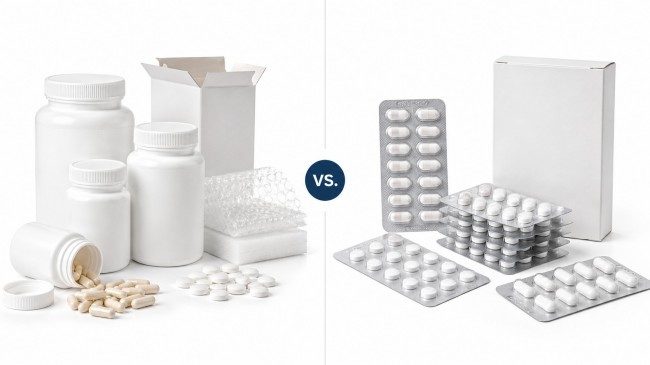
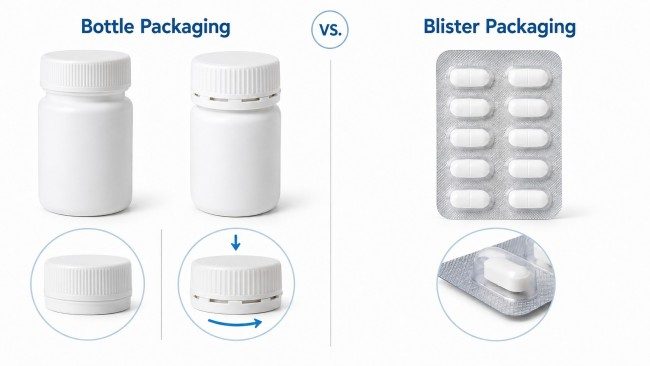
هیچ قانون جهانی وجود ندارد که مکملها در بطریها قرار بگیرند در حالی که داروها در بستههای تاولی قرار دارند.
هر دو دسته می توانند از بطری استفاده کنند, تاول ها, ساشه ها, کیسه ها, و کارتن ها. بسته بندی مناسب با ویژگی های محصول نهایی شروع می شود.
حفاظت از محصول حرف اول را می زند
رطوبت, اکسیژن, نور, درجه حرارت, و آسیب فیزیکی می تواند بر پایداری محصول تأثیر بگذارد. بنابراین، مواد بسته بندی و سیستم های بسته بندی باید سطح حفاظتی را که برای فرمولاسیون ایجاد شده است، فراهم کنند.
یک کپسول حساس به رطوبت ممکن است به یک ظرف با مانع بالا و یک ماده خشک کننده نیاز داشته باشد. فرمول قرص دیگری ممکن است در سیستم بطری سادهتر پایدار بماند. بستهبندی بلیستر میتواند واحدهای مجزا را جدا کند و بسته به مواد تشکیلدهنده و درپوش انتخابشده، ساختار مانع متفاوتی ایجاد کند..
این تصمیمات بر اساس محصول واقعی است تا کلمه مکمل یا دارو روی بسته چاپ شده است.
برای بطری ها, بوها خط بطریسازی شمارش قرص و کپسول می تواند محصولات جامد را قبل از دربندی و برچسب زدن بشمارد و پر کند. زمانی که محصول مورد نیاز است, این خط همچنین می تواند شامل درج ماده خشک کن باشد, آب بندی, و کارتن سازی.
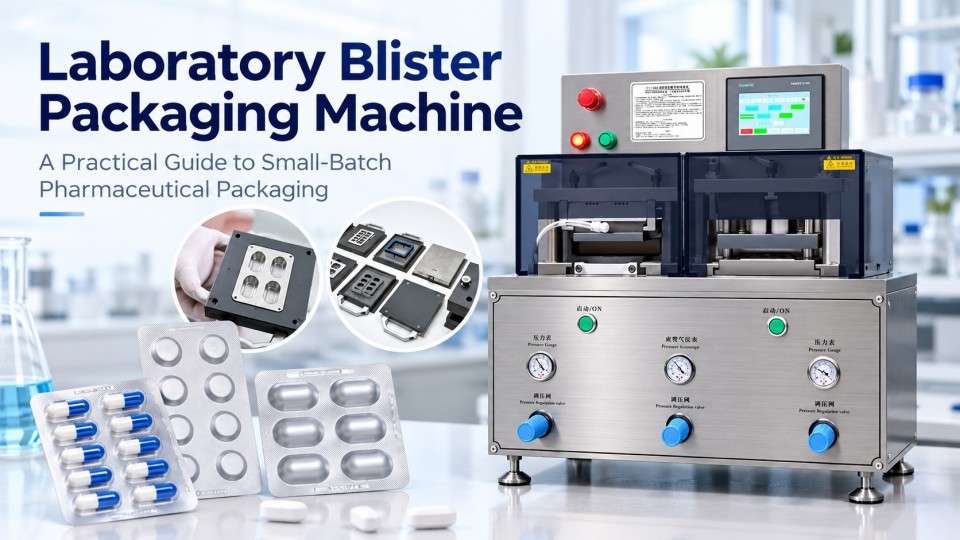
برای فرمت های دوز واحد, بوها دستگاه بسته بندی تاول زده جیب ها را تشکیل می دهد, قرص ها یا کپسول ها را بارگیری می کند, و بسته را مهر و موم می کند. ساختار تاول انتخاب شده باید با حفاظت مورد نیاز فرمولاسیون مطابقت داشته باشد.
بنابراین فناوری های بسته بندی یکسانی می توانند در هر دو بازار ظاهر شوند.
الزامات ایمنی می تواند مختص محصول باشد
جایی که بسته بندی با وضوح بیشتری شروع به تفاوت می کند در ایمنی خاص محصول و الزامات نظارتی است.
به عنوان مثال, ایالات متحده. مقررات شامل الزامات بسته بندی غیرقابل دستکاری برای برخی داروهای بدون نسخه است. قسمت 211 همچنین شامل کنترل های اختصاصی برای عملیات بسته بندی و برچسب گذاری دارویی است.
بسته بندی مقاوم در برابر کودک را نمی توان به یک قانون ساده تقلیل داد که «دارو به آن نیاز دارد و مکمل ها نه».
برخی از مکمل های غذایی نیز مشمول الزامات بسته بندی مقاوم در برابر کودک هستند. مکمل های حاوی آهن یک مثال واضح هستند. یک ایالات متحده. فراخوان کمیسیون ایمنی محصولات مصرفی در ماه آوریل اعلام شد 2026 شامل چندین مکمل غذایی حاوی آهن بود که بدون محافظت مقاوم در برابر کودکان مورد نیاز برای آن محصولات بسته بندی شده بودند.
این مثال نشان می دهد که چرا مشخصات بسته باید بر اساس محتویات محصول و بازار هدف به جای فرضیات گسترده در مورد دسته باشد..
فضای برچسب گذاری, ویژگی های دستکاری, نوع بسته شدن, حفاظت از مانع, اطلاعات زیادی, و بسته بندی ثانویه می تواند روی خط بسته بندی نهایی تأثیر بگذارد.
5.معنی این تفاوت ها برای تولیدکنندگان چیست؟?
برای تولید کننده ای که تنها یک محصول معتبر تولید می کند, تمایز می تواند ساده به نظر برسد. زمانی عملی تر می شود که یک مرکز با فرمولاسیون های متعدد یا برنامه ریزی برای گسترش از مکمل ها به محصولات دارویی برنامه ریزی کند..
چهار حوزه شایسته توجه هستند.
اول, قبل از طراحی فرآیند، دسته محصول و الزامات بازار را تأیید کنید. فرمت تبلت یا کپسول به تنهایی اطلاعات کافی برای ایجاد کنترل های مورد نیاز را ارائه نمی دهد.
دوم, تولید را حول فرمول بسازید. جریان پودر, ویژگی های مواد تشکیل دهنده, فرم دوز, اندازه دسته, خروجی مورد نیاز, و کنترل های حین فرآیند نحوه ترکیب را تعیین می کنند, فشرده سازی, پر کردن کپسول, یا سایر مراحل ساخت پیکربندی شده است.
سوم, برنامه ریزی برای تمیز کردن و تغییر در محصولات واقعی مورد استفاده. باقی مانده, آلرژن ها, مواد قوی, رنگ ها, روغن ها, و پودرهای چسبنده چالش های مختلفی برای تمیز کردن ایجاد می کنند. رویکرد تمیز کردن باید با مواد و خطرات آلودگی مرتبط باشد.
چهارم, قبل از پیکربندی خط بسته بندی کامل، بسته را نهایی کنید. اندازه بطری, شمارش در هر ظرف, بسته شدن, خشک کننده, ساختار تاول, برچسب, و کارتن تعیین می کند که کدام عملیات بسته بندی مورد نیاز است.
در پروژه های تجهیزات, بسته بندی رویدا معمولاً با فرم دوز شروع می شود, ویژگی های مواد, هدف خروجی, نیازهای تمیز کردن, و بسته نهایی قبل از توصیه پیکربندی ماشین. این امر از برخورد با هر قرص مکمل یا کپسول دارویی به گونهای که گویی نیازمندیهای تولید یکسانی دارد، اجتناب میکند.
نتیجه یک سوال مفیدتر از این است که «این یک دستگاه مکمل است یا یک دستگاه دارو؟?سوال بهتر این است که آیا تجهیزات و فرآیند برای محصول در حال تولید مناسب است یا خیر.
نتیجهگیری
این مکمل در مقابل دارو تفاوت با هدف محصول نهایی شروع می شود. آن هدف سپس ادعاها را شکل می دهد, برچسب ها, کنترل های تولید, و الزامات بازار پیرامون تولید.
قرص ها و کپسول های مشابه می توانند از تجهیزات مشابه عبور کنند, و هر دو دسته می توانند از بطری یا بسته های تاول استفاده کنند. آنچه مهم است این است که آیا فرآیند تولید و بسته بندی بر اساس فرمول واقعی طراحی شده است یا خیر, استفاده مورد نظر, و الزامات بازاری که محصول در آن فروخته خواهد شد.
سوالات متداول درباره مکمل در مقابل پزشکی
-
آیا مکمل های غذایی توسط FDA تنظیم می شوند?
بله. FDA محصولات و مواد مکمل غذایی را تنظیم می کند, تاسیسات تولیدی را بازرسی می کند, اعلان های خاص را بررسی می کند, بازار را رصد می کند, و زمانی که محصولات الزامات فدرال را نقض می کنند، می توانند اقدامات اجرایی انجام دهند. مکمل های غذایی صرفاً تحت یک چارچوب نظارتی متفاوت از داروها عمل می کنند.
-
آیا مکمل های غذایی قبل از فروش نیاز به تایید FDA دارند؟?
به طور کلی, نه. FDA مکمل های غذایی را قبل از بازاریابی به همان روشی که بسیاری از داروها را بررسی می کند تایید نمی کند. برخی از محصولات حاوی یک ماده غذایی جدید نیاز به اعلان قبلی همراه با اطلاعات ایمنی دارند.
-
آیا همان ماده در یک مکمل و یک دارو وجود دارد؟?
این ماده به تنهایی به سوال طبقه بندی پاسخ نمی دهد. کاربرد مورد نظر محصول نهایی, فرمولاسیون, ادعا می کند, برچسب زدن, و وضعیت نظارتی همه مهم است. عنصری که در یک زمینه استفاده میشود نباید نقش نظارتی یکسانی را در زمینه دیگر داشته باشد.
-
آیا مکمل ها و داروها می توانند از همان نوع تجهیزات تولیدی استفاده کنند?
اغلب, بله. تبلتهای هر دسته ممکن است به فشردهسازی تبلت نیاز داشته باشند, در حالی که کپسول های سخت ممکن است نیاز به پر کردن کپسول داشته باشند. مناسب بودن تجهیزات همچنان به فرمولاسیون بستگی دارد, فرم دوز, الزامات تمیز کردن, خروجی, کنترل های فرآیند, و سایر نیازهای تولیدی.
-
آیا تمام مکمل های غذایی به بسته بندی مقاوم در برابر کودکان نیاز دارند؟?
خیر. الزامات مقاوم در برابر کودکان به محصول و بازار بستگی دارد. برخی از مکمل ها به آن نیاز دارند; مکمل های غذایی حاوی آهن یکی از U.S. مثال.
مراجع
1. ایالات متحده. سازمان غذا و دارو - پرسش و پاسخ در مورد مکمل های غذایی
2. ایالات متحده. سازمان غذا و دارو - ادعاهای برچسب برای غذا & مکمل های غذایی
3. کد الکترونیکی مقررات فدرال - 21 قسمت CFR 111
4. ایالات متحده. کمیسیون ایمنی محصولات مصرفی - آوریل 2026 یادآوری مکمل آهن