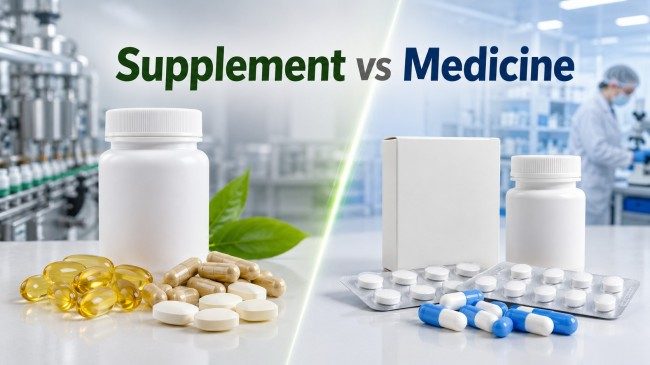
Dietary supplements and medicines often come in the same forms. Walk through a pharmacy or supplement store and you will find tablets, كبسولات صلبة, كبسولات هلامية, مساحيق, and liquids in both categories. Their appearance alone tells you very little about how the finished product is regulated or manufactured.
الرئيسي supplement vs medicine difference is what the product is intended to do. Supplements add dietary ingredients such as vitamins, المعادن, amino acids, or botanicals to the diet. Medicines are used to prevent, treat, relieve, or manage diseases and medical conditions.
That difference reaches far beyond the formulation. It affects product claims, وضع العلامات, ضوابط التصنيع, اختبار, الوثائق, وأحيانًا العبوة المستخدمة لجلب المنتج النهائي إلى السوق.
1.الملحق مقابل الطب: ما هم?
ما هو المكمل الغذائي?
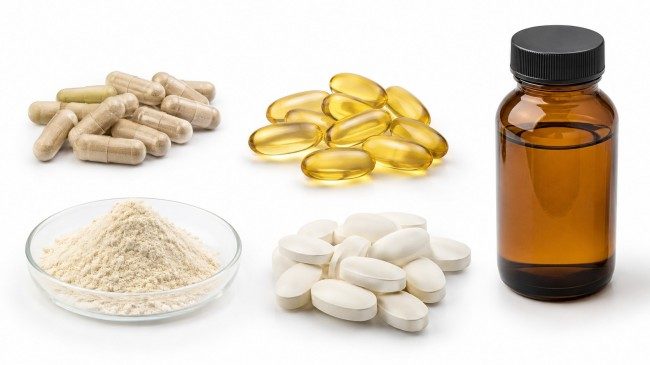
أ مكمل غذائي تم تصميمه لإضافة عناصر غذائية محددة أو مكونات غذائية أخرى إلى النظام الغذائي العادي للشخص. في الولايات المتحدة, يمكن أن تشمل المكونات الغذائية الفيتامينات, المعادن, amino acids, الأعشاب والنباتات الأخرى, وكذلك مقتطفات معينة, مركزات, المستقلبات, والمواد ذات الصلة. هذه المكملات الغذائية متوفرة على شكل أقراص, كبسولات, كبسولات هلامية, غومينز, مساحيق, السوائل, وغيرها من الأشكال الشائعة.
قرص متعدد الفيتامينات, كبسولة هلامية من زيت السمك, كبسولة نباتية, وبالتالي يمكن أن يكون مسحوق البروتين مكملات غذائية على الرغم من اختلاف مكوناتها وطرق إنتاجها تمامًا.
يتم تحديد الفئة حسب المنتج النهائي وكيفية تسويقه, ليس من خلال ما إذا كان يأتي على شكل قرص أو كبسولة.
في الولايات المتحدة, تنظم إدارة الغذاء والدواء (FDA) المكملات الغذائية ولكنها بشكل عام لا توافق عليها قبل دخولها إلى السوق. يتحمل المصنعون والموزعون مسؤولية التأكد من أن منتجاتهم تلبي معايير السلامة, وضع العلامات, ومتطلبات التصنيع التي تنطبق عليها. تنطبق متطلبات الإخطار الإضافية على بعض المنتجات التي تحتوي على مكون غذائي جديد.
ما هو الطب?
يشير الطب هنا إلى المنتجات المستخدمة للوقاية, treat, relieve, or manage diseases and medical conditions.
وهي تشمل كلا من المنتجات الطبية وغير الطبية. ويختلف طريقهم إلى السوق حسب المنتج. يتطلب الكثير منها طلبًا تمت مراجعته من قِبل إدارة الغذاء والدواء (FDA)., في حين يمكن تسويق بعض المنتجات التي لا تستلزم وصفة طبية بموجب دراسة OTC المعمول بها وليس من خلال تطبيق فردي قبل التسويق.
هذا التمييز مهم لأن كبسولة الفيتامين وكبسولة الدواء يمكن أن يكون لهما نفس الشكل المادي مع اتباع قواعد مختلفة للمطالبات, إنتاج, ضبط الجودة, ووضع العلامات.
المقارنة السريعة تجعل الاختلافات الرئيسية أكثر وضوحًا:
| منطقة | مكمل غذائي | الدواء |
| الاستخدام الرئيسي | يكمل النظام الغذائي بالمكونات الغذائية | يمنع, يعامل, يخفف, أو يدير الأمراض والحالات الطبية |
| الأشكال الشائعة | أقراص, كبسولات, كبسولات هلامية, غومينز, مساحيق, السوائل | أقراص, كبسولات, السوائل, وأشكال جرعات أخرى |
| نحن. طريق ما قبل السوق | عموما لا توجد موافقة مسبقة من إدارة الغذاء والدواء; تتطلب بعض المكونات الغذائية الجديدة إشعارًا مسبقًا | الطريق يعتمد على المنتج; يمكن استخدام التطبيقات أو دراسة OTC القابلة للتطبيق |
| المطالبات | صحة, المحتوى الغذائي, وتخضع مطالبات الهيكل/الوظيفة لقواعد محددة | يجب أن تتناسب المطالبات مع الاستخدام المسموح به ووضع العلامات على الدواء |
| ملصق | حقائق الملحق وغيرها من المعلومات التكميلية المطلوبة | وضع العلامات الطبية الخاصة بالمنتج |
| إطار التصنيع في الولايات المتحدة. | 21 جزء CFR 111 | 21 أجزاء CFR 210 و 211 |
| التعبئة والتغليف | مختارة حول الاستقرار, يستخدم, وضع العلامات, وأي متطلبات خاصة بالمنتج | مختارة حول الاستقرار, يستخدم, وضع العلامات, ومتطلبات السلامة الخاصة بالمنتج |
النقطة الأساسية هي أن شكل الجرعة المادية يمكن أن يتداخل في حين أن المتطلبات المحيطة بالمنتج النهائي لا تتداخل.
2.كيف تستخدم, المطالبات, وتختلف العلامات?
ويظهر الاختلاف الأوضح في ما يمكن أن تقوله الشركة عن المنتج.
الغرض من المنتج يغير المطالبات
يمكن للمكملات الغذائية تقديم عدة أنواع من المطالبات بالملصقات في الولايات المتحدة. تحدد إدارة الغذاء والدواء المطالبات الصحية, مطالبات المحتوى الغذائي, ومطالبات البنية/الوظيفة كفئات رئيسية. تنطبق متطلبات مختلفة على كل منهما.
على سبيل المثال, يمكن للمطالبة بالبنية/الوظيفة أن تشرح كيف تساعد العناصر الغذائية في دعم بنية الجسم الطبيعية أو وظيفته. حيث تتوفر الشروط المطلوبة, يمكن للمكمل أن يقول أن أحد العناصر الغذائية "يدعم" وظيفة الجسم الطبيعية.
ما لا يستطيع فعله هو تقديم نفسه كمنتج يعالج, يمنع, أو يعالج مرضًا معينًا مع الاستمرار في تسويقه كمكمل غذائي. تنص إدارة الغذاء والدواء الأمريكية على أن المنتج يمثل للعلاج, وقاية, أو علاج مرض معين يقع خارج فئة المكملات الغذائية.
يتبع وضع العلامات على الأدوية مسارًا مختلفًا لأن الاستخدام المزعوم يرتبط بالشروط التي يمكن بموجبها تسويق المنتج بشكل قانوني.
ولهذا السبب لا يكون المنتجان اللذان يحتويان على مكونات متشابهة من نفس الفئة تلقائيًا. كيف يتم صياغة المنتج النهائي, قدم, وتسويق الأمور.
ما هي حقائق الملحق?
ال حقائق الملحق تعد اللوحة إحدى أسهل الطرق للتعرف على المكملات الغذائية التي تباع في الولايات المتحدة.
مع استثناءات محدودة, تتطلب إدارة الغذاء والدواء (FDA) من لوحة حقائق المكملات إدراج حجم الحصة, عدد الحصص لكل حاوية, المكونات الغذائية, وكمية كل مكون غذائي مقدم في الحصة الواحدة. يتم تضمين معلومات القيمة اليومية عند الاقتضاء.
عادةً ما يتم إدراج المكونات التي لم يتم الإعلان عنها في حقائق المكملات بشكل منفصل على أنها المكونات الأخرى. يمكن أن تشمل هذه مواد مثل الجيلاتين, النشا, المثبتات, المواد الحافظة, النكهات, وغيرها من مكونات التركيبة.
للمصنعين, لذلك يبدأ تطوير الملصق قبل وقت طويل من وصول الزجاجة إلى آلة وضع العلامات. الصيغة, حجم الحصة, إعلان المكونات, المطالبات, وتنسيق الحزمة كلها تؤثر على المعلومات التي يجب أن تتناسب مع الملصق النهائي أو الكرتون.
تحتوي ملصقات الأدوية على معلومات مختلفة وفقًا لنوع المنتج ومسار تسويقه. لا يقتصر الاختلاف العملي على اسم لوحة الملصقات فحسب: يجب أن يتطابق الملصق مع المتطلبات المحددة لهذا المنتج النهائي المحدد.
3.كيف يختلف التصنيع?
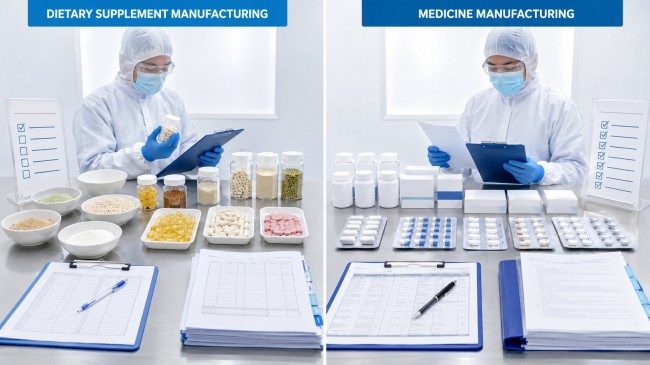
يمكن للمكملات الغذائية والأدوية مشاركة عمليات التصنيع المألوفة. مزج المسحوق, تحبيب, ملء الكبسولة, ضغط الجهاز اللوحي, طلاء, تقتيش, وتظهر التعبئة والتغليف في كلا الصناعتين.
إن إطار التصنيع حول تلك العمليات هو المكان الذي يصبح فيه الفرق أكثر أهمية.
تصنيع المكملات الغذائية
المكملات الغذائية المنتجة للولايات المتحدة. السوق تخضع لمتطلبات CGMP في 21 جزء CFR 111, التي تتناول التصنيع وكذلك التعبئة والتغليف, وضع العلامات, وعقد العمليات.
تتناول المتطلبات مجالات مثل الموظفين, مرافق, معدات, ضبط الجودة, تحديد, سجلات التصنيع الرئيسية, سجلات إنتاج دفعة, العمليات المخبرية, التعبئة والتغليف, وضع العلامات, وحفظ السجلات. يجب أن تتوافق معدات الإنتاج مع العملية التي يتم استخدامها من أجلها وأن يتم الاحتفاظ بها في حالة عمل مناسبة ونظيفة طوال فترة التشغيل.
هذا يعنى تصنيع المكملات الغذائية لا يقتصر الأمر على مجرد مزج المكونات ووضعها في كبسولات أو أقراص. يحتاج المصنعون إلى المواصفات والضوابط التي تساعد على ضمان أن المنتج النهائي يتمتع بالهوية المتوقعة, نقاء, قوة, تعبير, والجودة.
تصنيع الأدوية
الأدوية الجاهزة في الولايات المتحدة. تعمل ضمن إطار CGMP في 21 أجزاء CFR 210 و 211.
جزء 211 يحدد المتطلبات عبر نظام إنتاج الأدوية, من المرافق, معدات, ومراقبة المواد لعمليات التصنيع, الاختبارات المعملية, التعبئة والتغليف, وضع العلامات, برامج الاستقرار, وسجلات الإنتاج.
والمقارنة المفيدة ليست أن أحد النظامين "جيد" والآخر "أفضل".,"أو أن أحدهما منظم بينما الآخر ليس كذلك. إنها أطر تصنيع منفصلة مكتوبة لفئات المنتجات المختلفة.
يؤثر هذا الاختلاف على كيفية قيام الشركات المصنعة بتحديد المواصفات, إنتاج الوثيقة, مواد التحكم, التعامل مع الانحرافات, الافراج عن دفعات الانتهاء, والحفاظ على السجلات.
ماذا يعني هذا بالنسبة لمعدات الإنتاج?
لا يتطلب الفرق بين تصنيع المكملات الغذائية والأدوية بالضرورة فئات آلات مختلفة تمامًا.
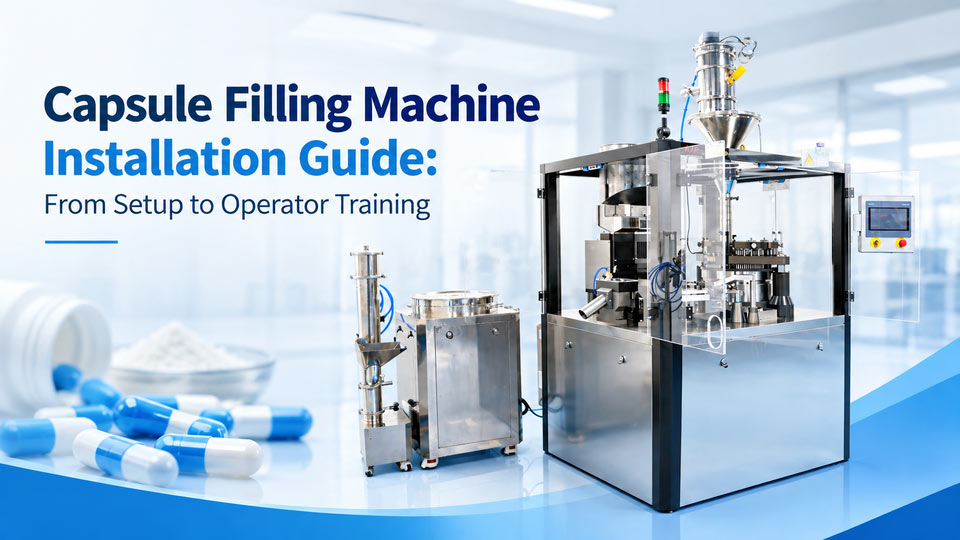
أ آلة ضغط الأقراص الدوارة لا يزال يستخدم لضغط المواد المعدة في أقراص. ان آلة تعبئة الكبسولات الأوتوماتيكية لا يزال يقيس التركيبة في أغلفة الكبسولات. ما إذا كان المنتج النهائي عبارة عن مكمل أو دواء يغير المتطلبات المتعلقة بالعملية بدلاً من الغرض الميكانيكي الأساسي للآلة.
تظل الصيغة أساسية لتكوين الماكينة.
يتصرف مزيج الفيتامينات الحر بشكل مختلف عن المسحوق النباتي اللزج. وزن ملء الكبسولة, تدفق المسحوق, خصائص الضغط, توليد الغبار, الإخراج المطلوب, واحتياجات التنظيف كلها تؤثر على إعداد المعدات بغض النظر عن فئة المنتج.
يمكن أن يدعم تصميم المعدات الإنتاج الخاضع للرقابة من خلال أسطح ملامسة مناسبة للمنتج, مناطق التنظيف التي يمكن الوصول إليها, المعالجة المغلقة, مراقبة العملية, وضوابط قابلة للتكرار. هذه الميزات هي جزء من نظام تصنيع أكبر; فهي لا تجعل عملية الإنتاج بأكملها متوافقة مع نفسها.
هذه هي النقطة التي يلتقي فيها اختيار المعدات ومتطلبات التصنيع دون أن يصبح السؤال نفسه.
4.كيف تختلف التعبئة والتغليف?
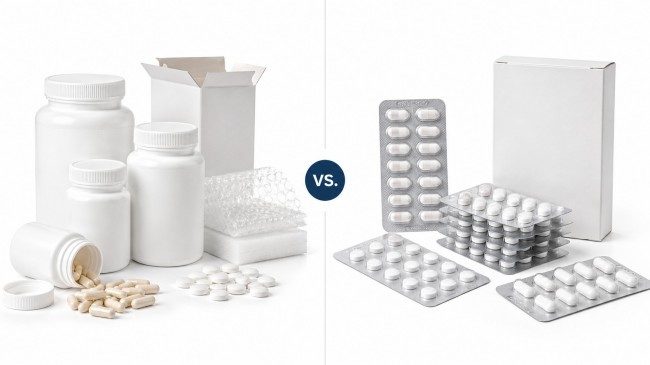
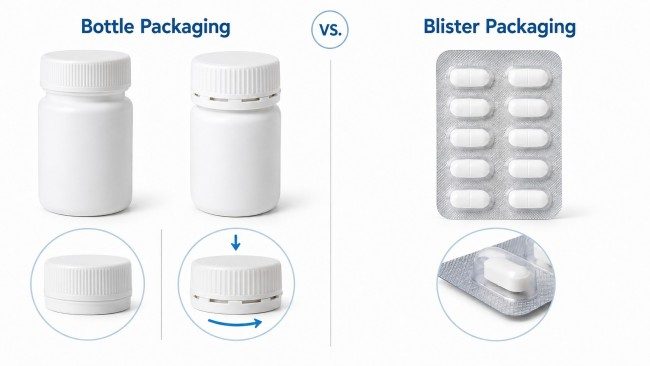
لا توجد قاعدة عالمية مفادها أن المكملات الغذائية تنتمي إلى زجاجات بينما الأدوية تنتمي إلى عبوات نفطة.
يمكن لكلتا الفئتين استخدام الزجاجات, بثور, أكياس, الحقائب, والكرتون. تبدأ العبوة الصحيحة بخصائص المنتج النهائي.
حماية المنتج تأتي أولاً
رُطُوبَة, الأكسجين, ضوء, درجة حرارة, ويمكن أن يؤثر الضرر المادي على استقرار المنتج. ولذلك تحتاج مواد التعبئة والتغليف وأنظمة الإغلاق إلى توفير مستوى الحماية المقرر للتركيبة.
قد تحتاج الكبسولة الحساسة للرطوبة إلى حاوية عالية الحاجز ومجفف. قد تظل تركيبة الأقراص الأخرى مستقرة في نظام زجاجة أبسط. يمكن أن تفصل عبوات الفقاعة الوحدات الفردية وتوفر بنية حاجز مختلفة اعتمادًا على مواد التشكيل والتغطية المختارة.
تعتمد هذه القرارات على المنتج الفعلي وليس على الكلمة ملحق أو الدواء مطبوعة على العبوة.
للزجاجات, أ خط تعبئة كبسولات عد الأقراص يمكن عد وتعبئة المنتجات الصلبة قبل وضع الغطاء ووضع العلامات عليها. عندما يطلب المنتج ذلك, يمكن أن يتضمن الخط أيضًا إدخال المجففة, ختم, والكرتون.
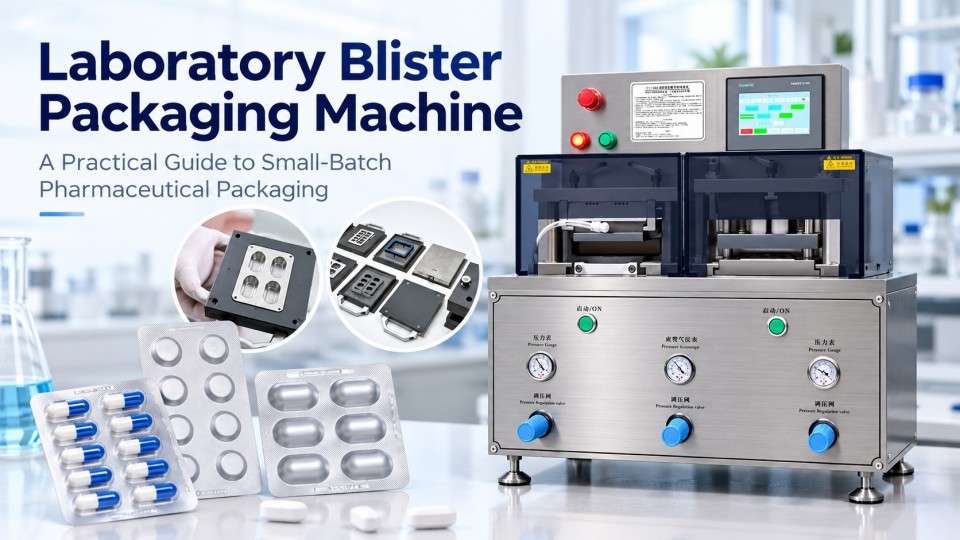
لتنسيقات جرعة الوحدة, أ آلة تغليف نفطة جيوب الأشكال, تحميل الأقراص أو الكبسولات, ويختم الحزمة. يجب أن يتطابق هيكل البثرة المحدد مع الحماية التي تحتاجها التركيبة.
وبالتالي يمكن أن تظهر نفس تقنيات التغليف في كلا السوقين.
يمكن أن تكون متطلبات السلامة خاصة بالمنتج
حيث يبدأ التغليف في الاختلاف بشكل أكثر وضوحًا في متطلبات السلامة والمتطلبات التنظيمية الخاصة بالمنتج.
على سبيل المثال, نحن. تتضمن اللوائح متطلبات التغليف الواضحة للتلاعب لبعض الأدوية التي لا تستلزم وصفة طبية. جزء 211 يحتوي أيضًا على ضوابط مخصصة لعمليات التعبئة والتغليف ووضع العلامات الدوائية.
ولا يمكن اختزال العبوات المقاومة للأطفال في قاعدة بسيطة مفادها أن "الدواء يحتاج إليه والمكملات الغذائية لا تحتاج إليه".
تخضع بعض المكملات الغذائية أيضًا لمتطلبات التعبئة والتغليف المقاومة للأطفال. المكملات الغذائية التي تحتوي على الحديد هي مثال واضح. الولايات المتحدة. أعلنت لجنة سلامة المنتجات الاستهلاكية استدعاء في أبريل 2026 تضمنت العديد من المكملات الغذائية التي تحتوي على الحديد والمعبأة دون الحماية المقاومة للأطفال المطلوبة لتلك المنتجات.
يوضح هذا المثال لماذا يجب أن تعتمد مواصفات الحزمة على محتويات المنتج والسوق المستهدف بدلاً من الافتراضات العامة حول الفئة.
مساحة وضع العلامات, ميزات العبث, نوع الإغلاق, حماية الحاجز, الكثير من المعلومات, والتعبئة الثانوية يمكن أن تؤثر جميعها على خط التعبئة النهائي.
5.ماذا تعني هذه الاختلافات بالنسبة للمصنعين؟?
بالنسبة لشركة مصنعة تنتج منتجًا واحدًا فقط, يمكن أن يبدو التمييز واضحًا. يصبح الأمر أكثر عملية عندما تتعامل نفس المنشأة مع تركيبات أو خطط متعددة للتوسع من المكملات الغذائية إلى المنتجات الصيدلانية.
أربعة مجالات تستحق الاهتمام.
أولاً, التأكد من فئة المنتج ومتطلبات السوق قبل تصميم العملية. لا يوفر تنسيق الجهاز اللوحي أو الكبسولة وحده معلومات كافية لإنشاء عناصر التحكم المطلوبة.
ثانية, بناء الإنتاج حول الصياغة. تدفق المسحوق, خصائص المكونات, شكل جرعة, حجم الدفعة, الإخراج المطلوب, وتحدد الضوابط أثناء العملية كيفية المزج, ضغط, ملء الكبسولة, أو تم تكوين خطوات التصنيع الأخرى.
ثالث, خطة التنظيف والتغيير حول المنتجات الفعلية التي يتم التعامل معها. بقايا, مسببات الحساسية, مكونات قوية, تلوينات, زيوت, والمساحيق اللزجة تخلق تحديات تنظيف مختلفة. يجب أن يتطابق أسلوب التنظيف مع المواد ومخاطر التلوث المعنية.
الرابع, قم بوضع اللمسات الأخيرة على الحزمة قبل تكوين خط التعبئة والتغليف الكامل. حجم الزجاجة, العد لكل حاوية, إنهاء, المجففة, هيكل نفطة, ملصق, والكرتون يحدد عمليات التعبئة والتغليف المطلوبة.
في مشاريع المعدات, تبدأ عملية تعبئة Ruida عادة بالشكل الصيدلاني, خصائص المواد, هدف الإخراج, احتياجات التنظيف, والحزمة النهائية قبل التوصية بتكوين الجهاز. وهذا يتجنب معالجة كل قرص مكمل أو كبسولة دوائية كما لو أن لها نفس متطلبات الإنتاج.
والنتيجة هي سؤال أكثر فائدة من "هل هذه آلة مكملات أم آلة دواء?"السؤال الأفضل هو ما إذا كانت المعدات والعمليات مناسبة للمنتج الذي يتم تصنيعه.
خاتمة
ال supplement vs medicine يبدأ الاختلاف بالغرض من المنتج النهائي. ثم يشكل هذا الغرض المطالبات, التسميات, ضوابط التصنيع, ومتطلبات السوق المحيطة بالإنتاج.
يمكن للأقراص والكبسولات المماثلة أن تمر عبر أنواع مماثلة من المعدات, and both categories can use bottles or blister packs. What matters is whether the manufacturing process and package are designed around the actual formulation, الاستخدام المقصود, and requirements of the market where the product will be sold.
FAQ About Supplement vs Medicine
-
Are Dietary Supplements Regulated by the FDA?
نعم. FDA regulates dietary supplement products and ingredients, inspects manufacturing facilities, reviews certain notifications, monitors the market, and can take enforcement action when products violate federal requirements. Dietary supplements simply operate under a different regulatory framework from medicines.
-
Do Dietary Supplements Require FDA Approval Before They Are Sold?
عمومًا, لا. FDA does not approve dietary supplements before marketing in the same way it reviews many medicines. Certain products containing a new dietary ingredient require an advance notification with supporting safety information.
-
Can the Same Ingredient Appear in a Supplement and a Medicine?
The ingredient alone does not answer the classification question. The finished product’s intended use, صياغة, المطالبات, وضع العلامات, and regulatory status all matter. An ingredient used in one context should not be assumed to have the same regulatory role in another.
-
Can Supplements and Medicines Use the Same Type of Manufacturing Equipment?
غالباً, نعم. Tablets from either category can require tablet compression, while hard capsules can require capsule filling. Equipment suitability still depends on the formulation, شكل جرعة, متطلبات التنظيف, الإخراج, ضوابط العملية, and other production needs.
-
Do All Dietary Supplements Require Child-Resistant Packaging?
لا. Child-resistant requirements depend on the product and market. بعض المكملات الغذائية تتطلب ذلك; المكملات الغذائية التي تحتوي على الحديد هي واحدة من المكملات الغذائية الأمريكية. مثال.
المراجع
1. نحن. إدارة الغذاء والدواء – أسئلة وأجوبة حول المكملات الغذائية
2. نحن. إدارة الغذاء والدواء – مطالبات الملصقات الخاصة بالأغذية & المكملات الغذائية
3. القانون الإلكتروني للوائح الفيدرالية — 21 جزء CFR 111
4. نحن. لجنة سلامة المنتجات الاستهلاكية – أبريل 2026 تذكر مكملات الحديد