Einführung
Hinter jeder unscheinbaren Kapsel verbirgt sich eine komplette Produktionslinie für Präzisionskapselfüllmaschinen.
Viele Menschen nehmen täglich Kapseln ein, ohne sich jemals zu wundern: Wie genau funktioniert diese kleine Pille?, in wenigen Sekunden verschluckt, Verwandeln Sie Rohpulver und Gelatinematerialien in ein fertiges Produkt mit präziser Dosierung, zuverlässige Abdichtung, und internationalen Pharmastandards – schließlich gelangt es in Apotheken und Haushalte auf der ganzen Welt?
In der Pharmaindustrie, Aufgrund ihrer einfachen Verabreichung sind Kapseln seit langem die gängige Darreichungsform auf den globalen Pharma- und Nutraceutical-Märkten, geringe Magen-Darm-Reizung, und stabile Wirksamkeit. Bei den Exportaufträgen haben sie einen besonders hohen Anteil. Jedoch, Viele Menschen außerhalb der Branche gehen fälschlicherweise davon aus, dass die Kapselherstellung so einfach sei wie das Einfüllen von Pulver oder Flüssigkeit in die Hülle und das Verschließen dieser.
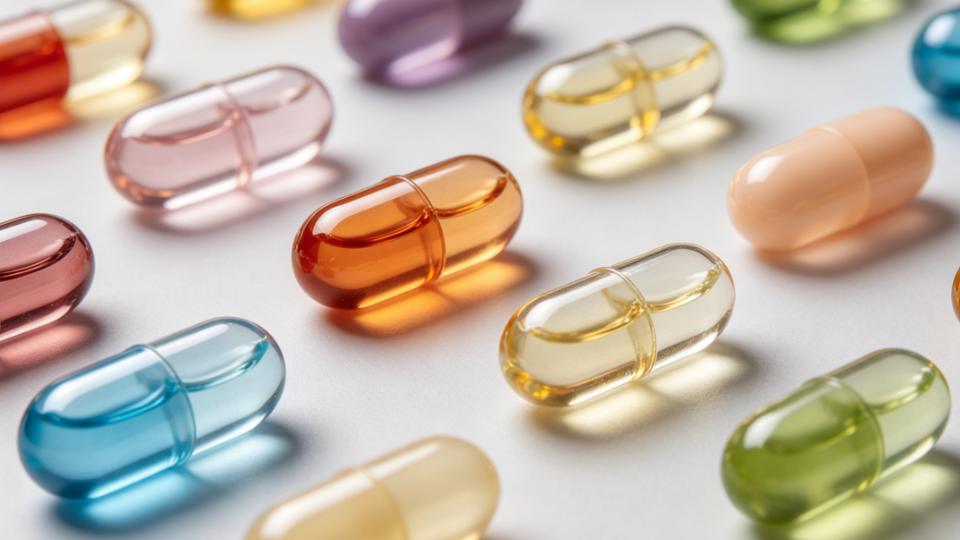
Feige 1. Fertige Produkte der automatischen Kapselfüllmaschine für Flüssigkeiten
Tatsächlich, Eine Kapsel, die den internationalen Exportstandards entspricht, durchläuft mehrere kritische Phasen vom Rohmaterial bis zum fertigen Produkt der automatischen Kapselfüllmaschine: Produktion leerer Kapseln, Materialfüllung, Online-Inspektion, automatische Verpackung, und mehr. Unzureichende Präzision oder schlechte Stabilität in einem einzelnen Schritt verringern direkt die Gesamtqualifikationsrate der Charge, und kann sogar dazu führen, dass cGMP nicht bestanden wird, CE- und andere globale Marktzugangszertifizierungen.
Heute, Wir werden den tatsächlichen Produktionsprozess verfolgen, um die genauen mechanischen Schritte zu erkunden, die jede Kapsel durchlaufen muss.
1 Leeres Kapselschalenformteil
Der erste Schritt bei der Kapselherstellung ist nicht das Abfüllen des Materials, sondern zunächst einmal eine qualifizierte leere Kapselhülle herstellen.
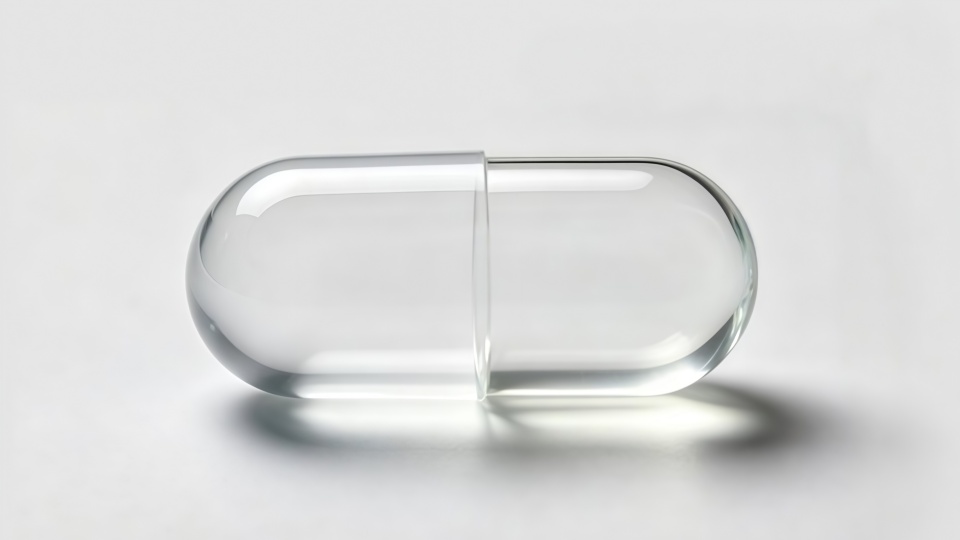
Feige 2. Transparente leere Kapselhülle
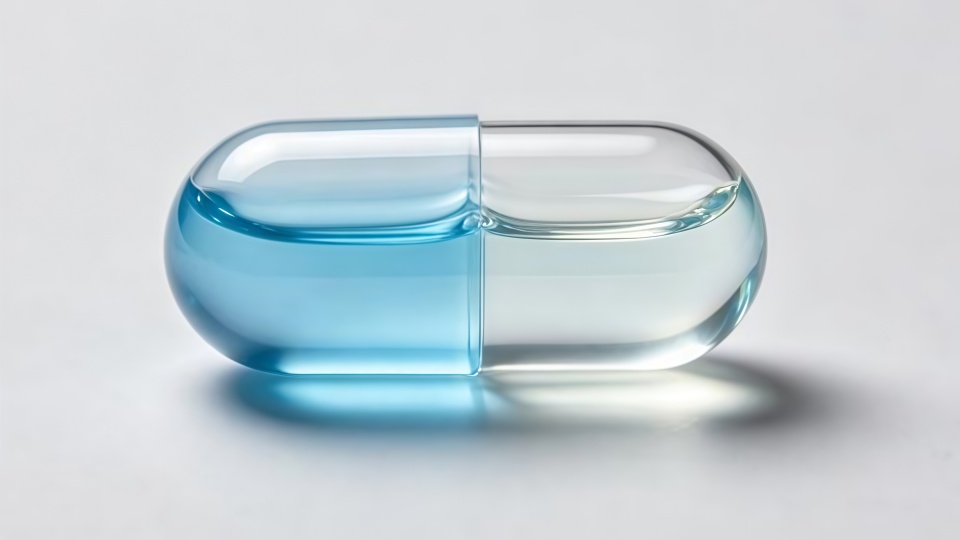
Feige 3. Flüssige Kapselfüllung
1.1 Gängige Kapseltypen
Die von uns üblicherweise verwendeten Kapseln sind hauptsächlich Gelatinekapseln und vegetarische Kapseln (HPMC-Kapseln). Zu ihren Rohstoffen zählen hauptsächlich Gelatine oder pflanzliche Zellulose, gereinigtes Wasser, Glyzerin, usw. Nach der Dosierung, Die Materialien gelangen in das Solsystem, Dort werden sie bei konstanter Temperatur vollständig vermischt und entschäumt, konstanter Druck, und geschlossene Umgebung.
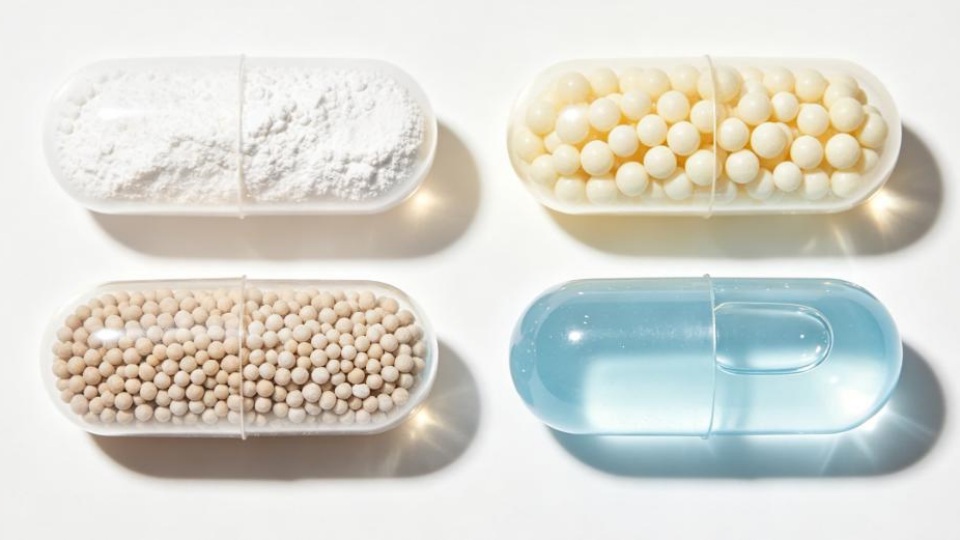
Feige 4. Automatische Kapselfüllmaschine Gängige Kapselmaterialtypen
Die Gleichmäßigkeit der Gelatinelösung bestimmt direkt, ob die Kapselhülle Blasen aufweist, Nadellöcher, oder ungleichmäßige Dicke. Die vorbereitete Lösung gelangt dann in die Kapselformmaschine, wo es durch das Eintauchen in die Form geht, Trocknung bei niedriger Temperatur, Strippen, Schneiden, und Sortieren. Endlich, leere Kapseln mit einheitlicher Größe, glatte Oberfläche, und mäßige Härte werden erzeugt.
1.2 Eigene Fertigung VS. Outsourcing von Kapselhüllen
- Große Pharmafabriken können ihre eigenen Produktionslinien für Kapselhüllen bauen, um eine vollständig integrierte Fertigung zu erreichen.
- Die meisten Unternehmen entscheiden sich dafür, qualifizierte Leerkapseln auszulagern, Die Maßgenauigkeit und Dichtheit der Schalen wirken sich jedoch direkt auf die Betriebseffizienz der nachgeschalteten Kapselfüllmaschinen aus.
Ungeeignete Patronen können leicht zu Maschinenblockaden führen, Pulveraustritt, und schlechte Verriegelung in nachfolgenden Prozessen, Dadurch werden nicht nur Rohstoffe verschwendet, sondern auch Ausfallzeiten und Arbeitskosten erhöht. Aus diesem Grund legen professionelle Pharmahersteller bei der Auswahl einer halbautomatischen Kapselfüllmaschine oder einer automatischen Kapselfüllmaschine Wert auf die Anpassungsfähigkeit der Ausrüstung an Kapseln unterschiedlicher Spezifikationen.
1.3 Standardkapselgrößen
Es gibt standardisierte Kapselgrößen, die in der pharmazeutischen und nutrazeutischen Industrie weit verbreitet sind. Verschiedene Größen variieren im Volumen, Länge, und Füllmenge, die unbedingt auf die entsprechende Ausrüstung abgestimmt sein müssen, wie Kapselfüllmaschine 000, Kapselfüllmaschinengröße 0, oder automatische Kapselfüllmaschine mit einfacher Formwechselstruktur, um einen stabilen Betrieb und eine genaue Dosierung zu gewährleisten.
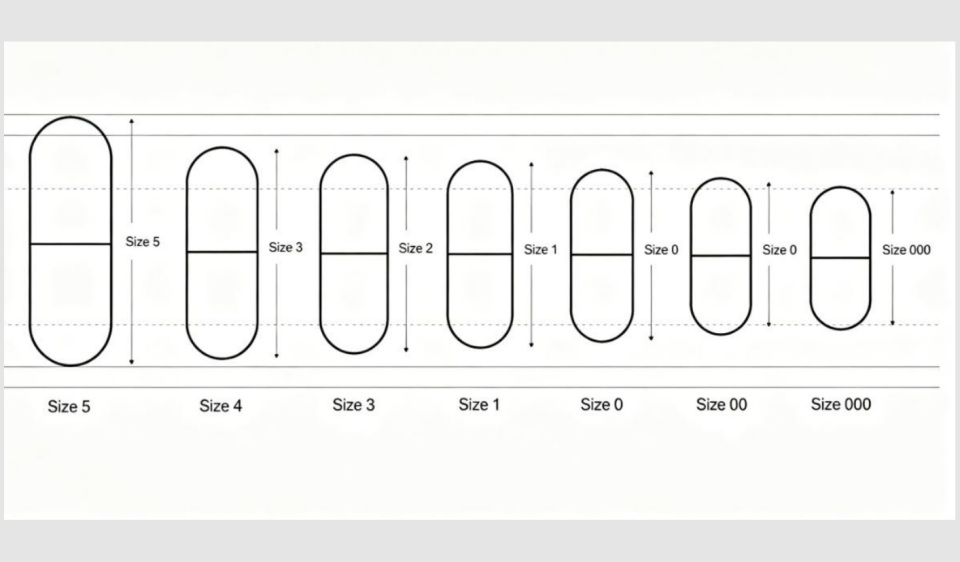
Feige 5. Standardkapselgrößen für Kapselfüllmaschinen
2 Kernprozess: Kapselfüllmaschine Bestimmen Sie Dosiergenauigkeit und Produktionseffizienz
Sobald qualifizierte leere Kapseln in die Produktionslinie gelangen, Sie erreichen den Kern des gesamten Herstellungsprozesses: Materialfüllung.
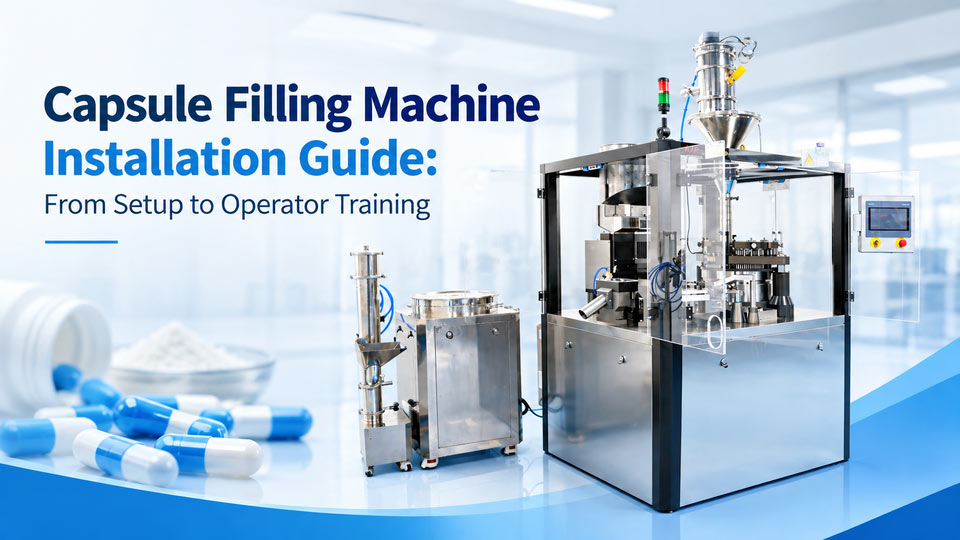
Hier entfaltet die Kapselfüllmaschine ihren Kernwert.
2.1 Arbeitsprozess von Kapselfüllmaschine
Der Arbeitsablauf beider halbautomatische Kapselfüllmaschine Und vollautomatische Kapselfüllmaschine umfasst im Allgemeinen die folgenden Schritte:
- Kapselausrichtung: Ordnen Sie unordentliche leere Kapseln automatisch an und vereinheitlichen Sie ihre Richtung.
- Kapselzuführung und -trennung: Trennen Sie die Kapselkappe vorsichtig vom Kapselkörper, ohne dass sie zerbricht oder sich verformt.
- Dosierung und Abfüllung: Pharmazeutisches oder nutrazeutisches Pulver genau abmessen, Granulat oder Pellets zerkleinern und in den Kapselkörper füllen.
- Abfallverweigerung: Entfernen Sie nicht qualifizierte Kapseln automatisch.
- Kapselverriegelung: Setzen Sie die Kappe und das Gehäuse wieder zusammen und verriegeln Sie sie sicher, um ein Austreten oder Lösen von Pulver zu verhindern.
- Entladen der Kapsel: Geben Sie die qualifizierten fertigen Kapseln aus.
2.2 Kernmerkmale einer hochwertigen Halbautomatische Kapselfüllmaschine Und Automatische Kapselfüllmaschine
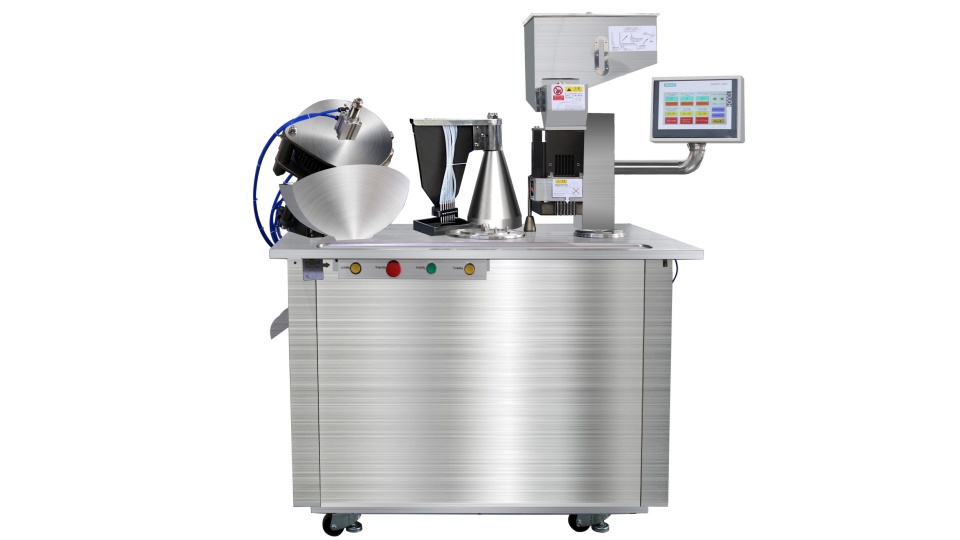
Feige 6. Ruidapacking 208 Füllmaschine für flüssige Kapseln
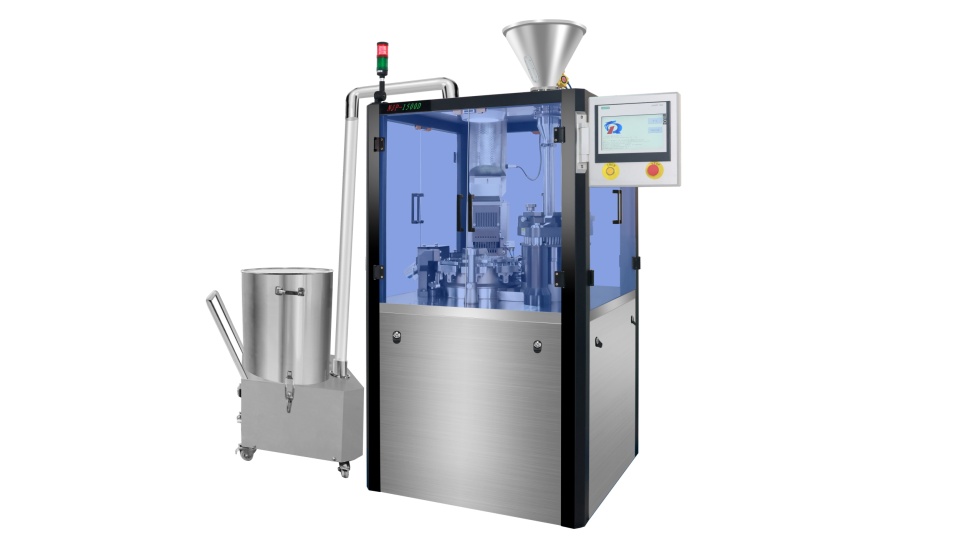
Feige 7. Ruidapacking 1500 Automatische Kapselfüllmaschine
- Füllgenauigkeit: Der Füllfehler jeder Kapsel muss innerhalb des Standardbereichs streng kontrolliert werden, um eine stabile Effizienz zu gewährleisten und Rohstoffverschwendung zu vermeiden.
- Betriebsstabilität: Kontinuierlicher Langzeitbetrieb ohne Blockierung oder häufige Ausfälle, Sicherstellung der pünktlichen Lieferung großer Bestellungen.
- Sauberkeit und Compliance: Die geschlossene Struktur und das leicht zu reinigende Design erfüllen die cGMP-Werkstattanforderungen und unterstützen internationale Zertifizierungen.
Im Vergleich zur manuellen Befüllung, Die halbautomatische Kapselfüllmaschine CGNT-209 von Ruidapacking, und die automatische Kapselfüllmaschine Ruidapacking NJP-1500D, Die automatische Hochgeschwindigkeits-Kapselfüllmaschine NJP-3800D verbessert die Effizienz um ein Dutzendfaches. Sie verhindern außerdem menschliches Versagen und Kreuzkontaminationen, Damit sind sie unverzichtbare Ausrüstung für Pharma- und Nahrungsergänzungsmittelunternehmen, die auf Exportmärkte abzielen.
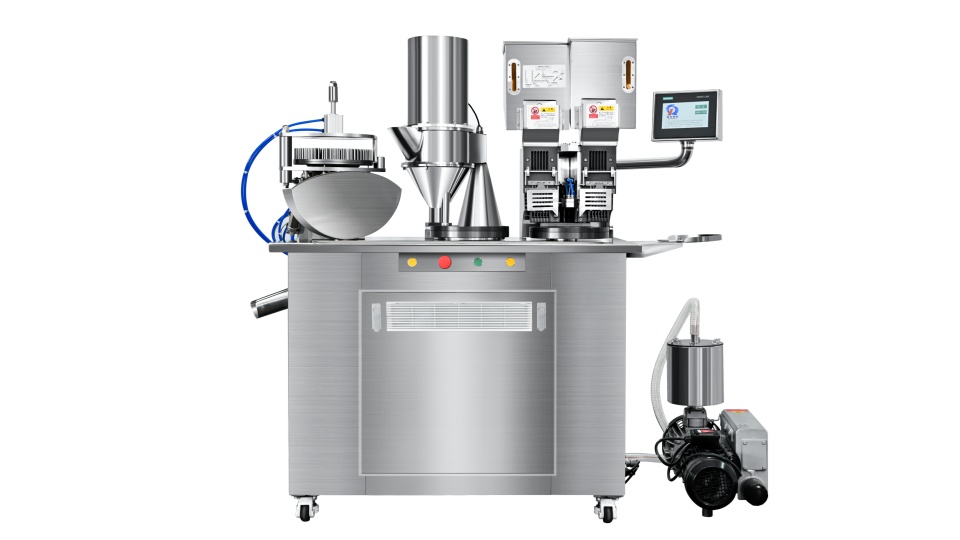
Feige 8. Ruidapacking 209 Halbautomatische Kapselfüllmaschine
3 Automatische Kapselfüllmaschine Online-Inspektionstechnologie
Der Abschluss des Füllvorgangs bedeutet nicht, dass die Kapseln direkt verpackt werden können. Bei pharmazeutischen Produkten besteht ein enger Zusammenhang mit der Sicherheit, insbesondere Exportmedikamente, die einen langen und langen Transport erfordern und strenge Qualitätsstandards erfüllen müssen.
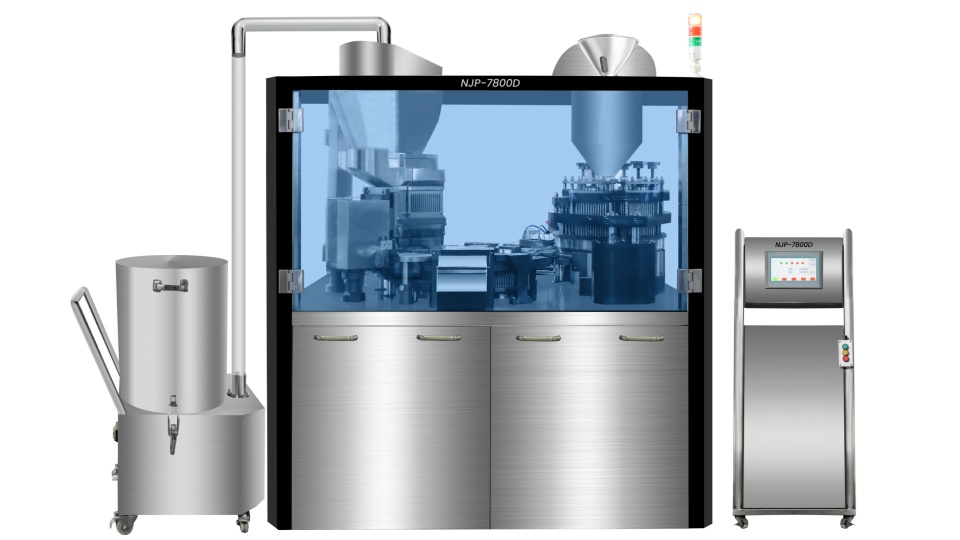
Feige 9. Ruidapacking 7800 Automatische Hochgeschwindigkeits-Kapselfüllmaschine
Um einer besten Kapselfüllmaschine näher zu kommen, auf einer vollautomatischen Produktionslinie, gefüllte Kapseln durchlaufen eine strenge Online-Inspektion. Zu den üblichen Inspektionsgegenständen gehören::
- Kapselpolieren: Entfernen Sie Staub und Verunreinigungen von der Oberfläche der Kapsel, um diese sauber und fleckenfrei zu machen. Gleichzeitig, Entfernen Sie weitere Rückstände auf der Kapselhülle, um sicherzustellen, dass die Kapsel den pharmazeutischen Hygienestandards und den Hygieneanforderungen der Industrie entspricht.
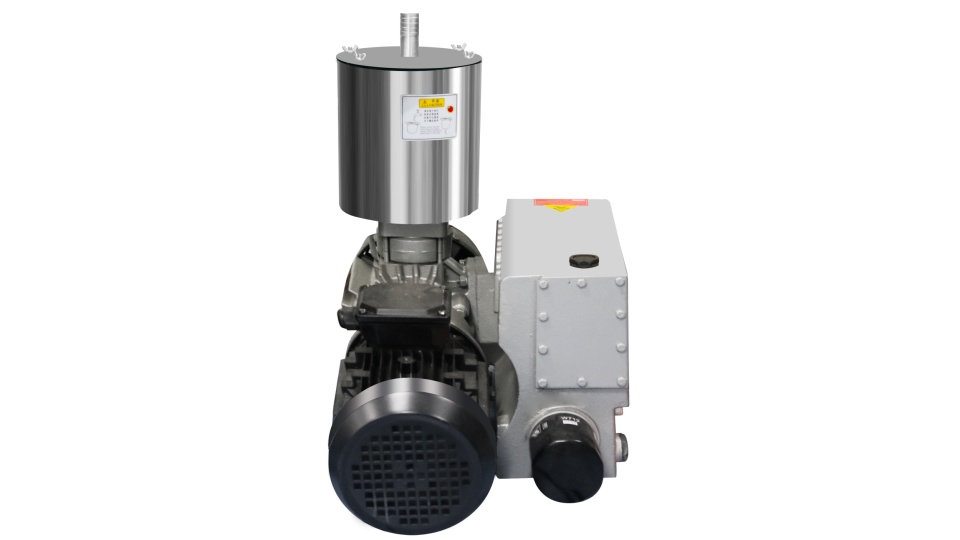
Feige 10. Ruidapacking-Vakuumpumpe
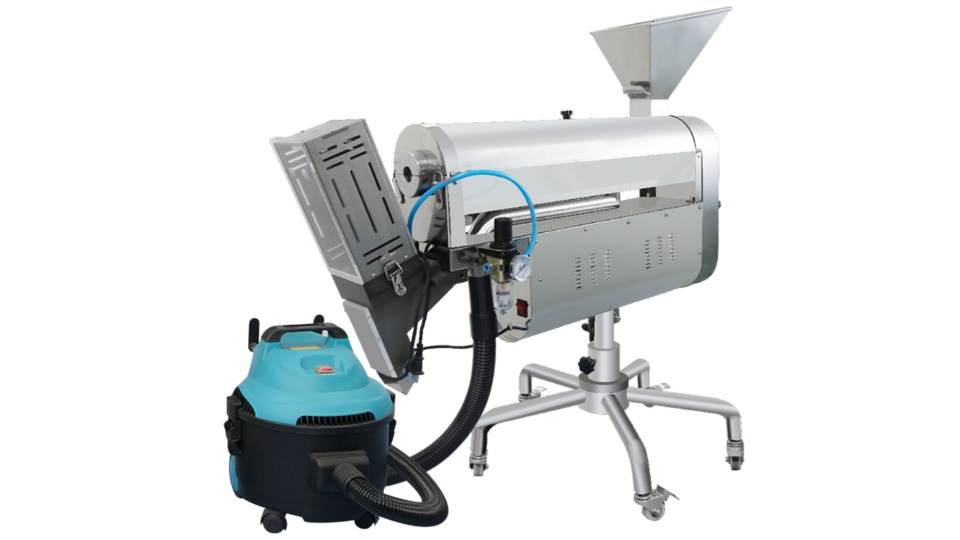
Feige 11. Ruidapacking 120 Kapselpolier- und Sortiermaschine
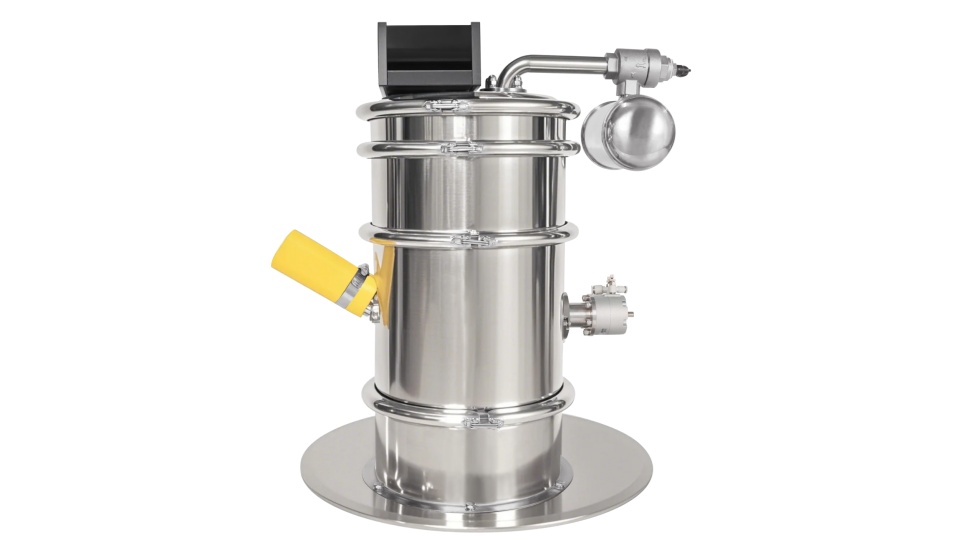
Feige 12. Pneumatischer Vakuumförderer von Ruidapacking
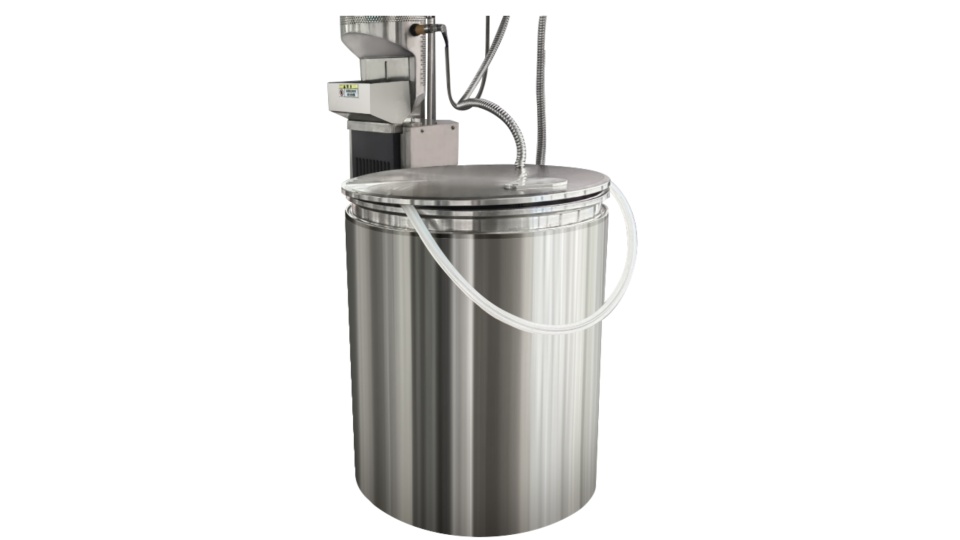
Feige 13. Isoliertes Heizfass von Ruidapacking für flüssige Kapseln
- Metalldetektion: Nutzen Sie hochpräzise Metallerkennungstechnologie, um Metallverunreinigungen genau zu identifizieren (wie z. B. Abnutzungsrückstände der Ausrüstung, Metallpartikel in Rohstoffen) in der Kapsel gemischt, Unqualifizierte Produkte umgehend entfernen, und vermeiden Sie potenzielle Sicherheitsrisiken durch Metallverunreinigungen.
- Erkennung von Gewichtsschwankungen: Ein Präzisionswiegesystem prüft jede Kapsel, Überschüssige oder ungenügende Füllungen werden automatisch eliminiert, um eine gleichbleibende Wirksamkeit sicherzustellen und Rohstoffverschwendung zu vermeiden.
- Siegel- und Schlosserkennung: Fortschrittliche Dichtungsprüftechnologie überprüft die Dichtheit des Kapselverschlusses, Verhinderung des Austretens von Pulver, lose Kappen, oder Ablösung während der Lagerung und des Transports, Einhaltung globaler Zertifizierungsstandards.
- Visuelle Inspektion: KI-gestützte Sichtprüfung identifiziert defekte Kapseln (z.B., Risse, Verformung, Kontamination) und entfernt sie umgehend, um die Produktqualität aufrechtzuerhalten.
Automatische Inspektionsgeräte weisen fehlerhafte Produkte in Echtzeit aus, Sicherstellen, dass nur qualifizierte Kapseln in die nächste Produktionsstufe gelangen.
Viele Unternehmen übersehen diesen entscheidenden Schritt, Dies führt zu Problemen bei der Zollabfertigung im Ausland oder bei Stichprobenkontrollen beim Kunden, was häufig zu Chargenrücksendungen führt, Ansprüche, und sogar zum dauerhaften Verlust internationaler Märkte.
4 Verpackungsphase: Zählen, Blisterverpackung, Kartonieren – Vollständige Schließung der Produktionslinie
Nachdem alle Inspektionen bestanden wurden, Qualifizierte Kapseln gelangen in die Verpackungsphase.
Entsprechend den Anforderungen verschiedener Exportmärkte und Dosierungsspezifikationen, Verschiedene Verpackungsanlagen werden zu einem kompletten Endverpackungssystem integriert.
4.1 Kapselzählmaschine
Ausschließlich für die Flaschenverpackung konzipiert, Es ist mit der AI Vision Counting Packing-Technologie ausgestattet, um eine hochpräzise Kapselzählung zu erreichen. Der Zählfehler pro Flasche wird im Rahmen der Industriestandards streng kontrolliert, Beseitigung von Problemen mit Über- oder Unterzählungen. Dadurch wird die vollständige Einhaltung der Dosierungsanforderungen sichergestellt und das Vertrauen ausländischer Kunden in die Produktqualität erheblich gestärkt, erfüllt perfekt die strengen Anforderungen von Exportflaschenbestellungen.
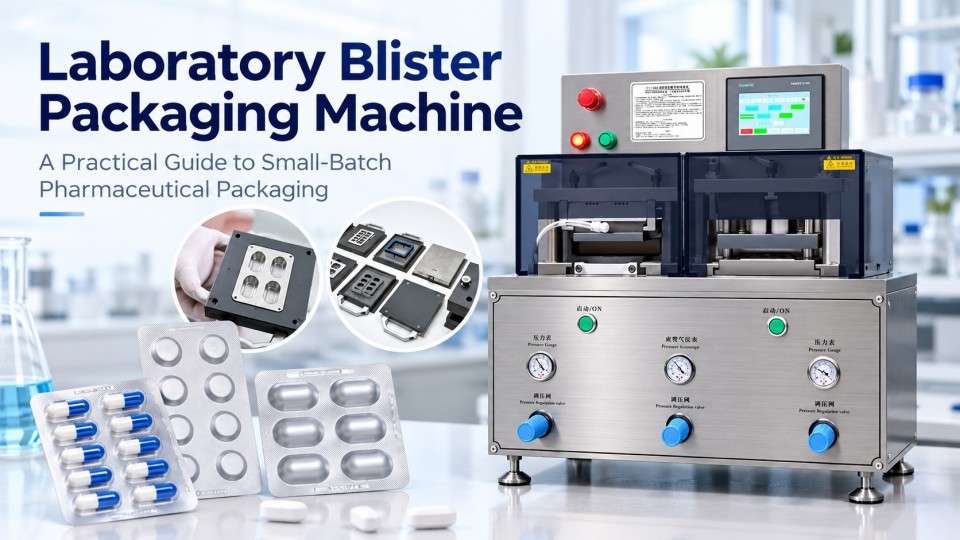
4.2 Alu-Alu-Blisterverpackungsmaschine
Hergestellt aus Edelstahl 316L und leicht zu reinigender Struktur, Es versiegelt qualifizierte Kapseln in unabhängigen Aluminium-Kunststoff-Blistern. Es bietet eine hervorragende feuchtigkeitsbeständige und umweltfreundlichere Leistung, Damit ist es eine der am weitesten verbreiteten pharmazeutischen Verpackungsformen weltweit. Besonders geeignet für den Export von OTC-Arzneimitteln, es entspricht vollständig cGMP, CE, und FDA-Zertifizierungen, Erfüllung der hohen Anforderungen an die Lagerstabilität in Überseemärkten.
4.3 Stick-Pack-Verpackungsmaschine und Beutelverpackungsmaschine
Es wird hauptsächlich für die Einzelkapsel-unabhängige Streifenverpackung verwendet. Ausgestattet mit einem Hochgeschwindigkeits-SPS-Steuerungssystem von Panasonic aus Japan, Die Maschine zeichnet sich durch einen stabilen Betrieb und eine hohe Verpackungsgeschwindigkeit aus. Es erfüllt die Exportanforderungen von Nahrungsergänzungsmitteln und tragbaren Kapselprodukten gut, und erfreut sich einer hohen Nachfrage in auf tragbare Geräte ausgerichteten Märkten wie Südostasien und Europa. Es kann flexibel an Kapseln unterschiedlicher Größe angepasst werden, Unterstützung von Unternehmen bei der Nutzung von Chancen in segmentierten Märkten im Ausland.
4.4 Vorgefertigte Beutelverpackungsmaschine
Es ist mit verschiedenen Arten vorgefertigter Beutel kompatibel und zeichnet sich durch hervorragende Flexibilität aus. Es kann eine gemischte Verpackung von Kapseln realisiert werden, Pulver und Granulat ohne häufigen Formwechsel. Es reagiert schnell auf die unterschiedlichen Verpackungsanforderungen ausländischer Kunden, mit einfacher Bedienung und hocheffizienter Einstellung, Effektive Reduzierung der Produktionskosten für Exportaufträge mit mehreren Sorten.
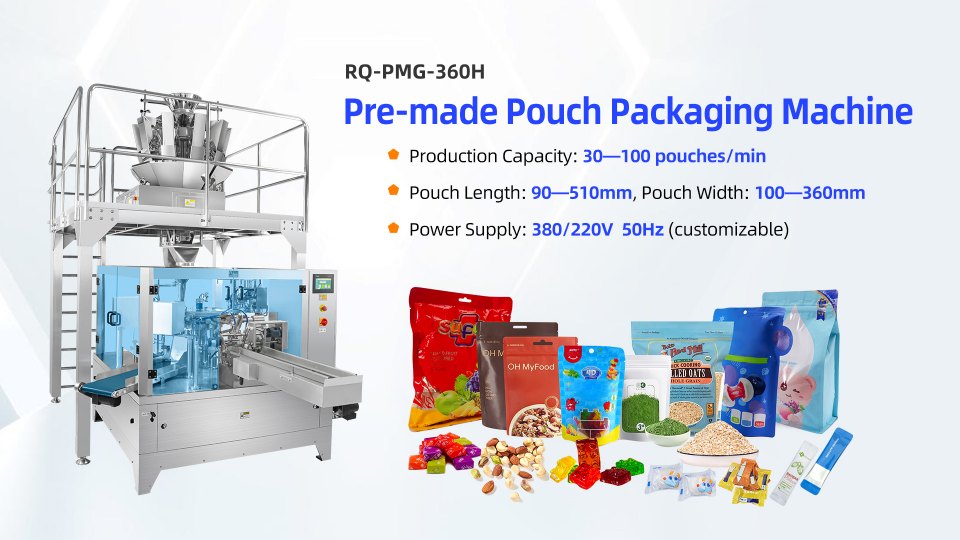
Feige 14. Ruidapacking 360 Vorgefertigte Beutelverpackungsmaschine
4.5 Kartoniermaschine
Die Kartoniermaschine integriert vollständige Prozesse einschließlich der automatischen Kartonöffnung, Bedienungsanleitung einfügen, Kartonieren von Kapseln (oder Blisterplatten / Stickpacks / Beutelpakete), Kastenversiegelung, und Tintenstrahlcodierung. Ausgestattet mit einer Audit-Trail-Funktion, Es ermöglicht ein vollständiges Produktrückverfolgbarkeitsmanagement. Nach dem Verpacken, Produkte erfüllen direkt die Exportlieferstandards ohne zusätzliche manuelle Unterstützung.
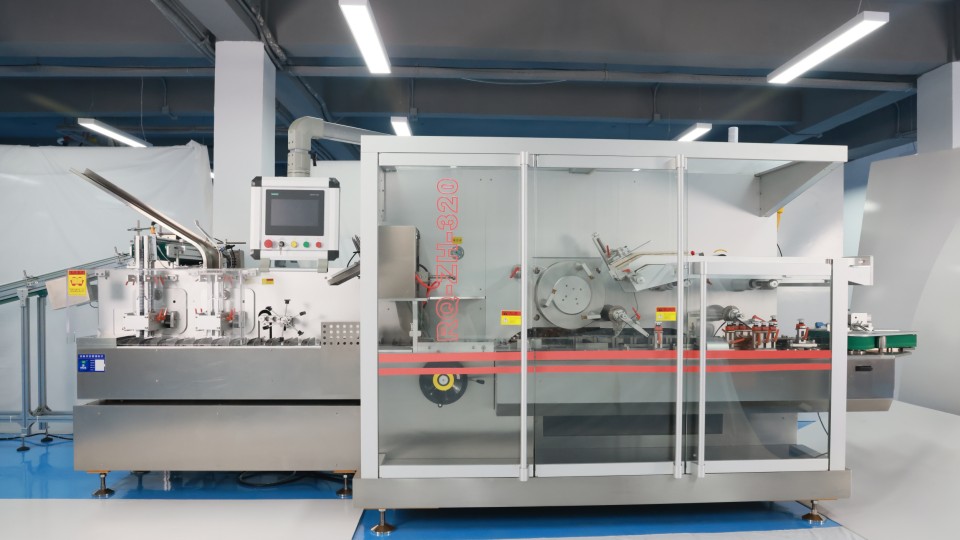
Feige 15. Ruidapacking 260 Blisterverpackungsmaschine und Kartoniermaschinenlinie
Von der genauen Zählung durch die Kapselzählmaschine, Unabhängige Versiegelung durch die Blisterverpackungsmaschine, bis hin zur flexiblen Anpassung durch die Stickpack- und Fertigbeutelmaschinen, und automatische Endbearbeitung durch die Kartoniermaschine, Die gesamte Endverpackungslinie realisiert einen unbemannten Dauerbetrieb. Es verbessert die Produktionseffizienz bei Exportaufträgen in großen Mengen erheblich, sorgt für ein einheitliches Produktbild und qualifizierte Qualität, und entspricht perfekt den Exportproduktionskapazitätsanforderungen von Pharma- und Gesundheitsproduktunternehmen, dient als Kerngarantie für die Lieferung von Bestellungen ins Ausland.
5 Vollständige Integration: Standalone-Leistung reicht nicht aus – Leitungsstabilität ist wichtig
5.1 Häufiger Fehler bei Einzelgeräten
Viele kleine und mittelständische Unternehmen begehen bei der Ausweitung der Produktion einen entscheidenden Fehler: Fokussierung nur auf einzelne Maschinen statt auf Komplettsortiment.
Zu den Konsequenzen gehören:
- Durch die Hochgeschwindigkeitsabfüllung kommt es in der Verpackungsphase zu Engpässen und Rückständen.
- Inkompatible Maschinenschnittstellen erfordern eine manuelle Handhabung.
- Langwierige Umstellungs- und Fehlerbehebungsarbeiten verzögern die Lieferung der Bestellung.
5.2 Hocheffiziente Produktionslinie
Eine wirklich effiziente exportorientierte Produktionslinie legt Wert auf eine abgestimmte Kapazität, Reibungsloser Arbeitsablauf und einfacher Werkzeugwechsel.
Als zentrale Front-End-Ausrüstung, Die Kapselfüllmaschine muss mit Back-End-Geräten, einschließlich Kapselzählmaschinen, koordinieren, Blisterverpackungsmaschinen und Kartoniermaschinen. Nur so kann eine kontinuierliche Produktion von der Rohstoffzufuhr bis zur Verpackung des fertigen Produkts realisiert werden, Reduzierung manueller Eingriffe, Reduzierung der Materialverschwendung und Verbesserung der Gesamtproduktivität.
6 Kapselfüllmaschine Auswahl der entsprechenden Ausrüstung
Für Pharmahersteller und Ausrüstungskäufer mit Schwerpunkt auf Exportmärkten, Auffällige Parameter sind nicht wichtig. Was wirklich zählt, sind:
- Stabile Massenproduktion mit geringer Ausfallrate;
- Qualifizierte Dosiergenauigkeit und kontrollierbare Ausschussrate;
- Einhaltung internationaler Zertifizierungen wie cGMP, CE, FDA für reibungslose Audits im Ausland;
- Einfacher Formwechsel, einfache Reinigung und einfache Wartung, Senkung der Betriebskosten.
Ruidapacking: Konzentriert sich seit über 30 Jahren auf den Export von Pharma- und Verpackungsmaschinen 10 Jahre
Ruidapacking ist seit mehr als 20 Jahren auf exportorientierte Pharma- und Verpackungsmaschinen spezialisiert 10 Jahre. Zu unseren Hauptprodukten gehören halbautomatische Kapselfüllmaschinen, Automatische Kapselfüllmaschine, Tabletpresse, Blisterverpackungsmaschinen, Kapselzählmaschine, Kartoniermaschinen, Stickpack-Maschine, vorgefertigte Beutelverpackungsmaschine und andere Geräteserien.
Wir verfolgen keine überzogenen Parameter, Konzentrieren Sie sich jedoch auf tatsächliche Produktionsszenarien, um eigenständige Maschinenauswahl und umfassende Planungsdienste bereitzustellen. Ob für anspruchsvolle Märkte in Europa und Amerika, oder Großserienversandszenarien in Asien, Afrika und Lateinamerika, Wir können entsprechende stabile und zuverlässige Lösungen anbieten.
Abschluss
Eine Kapsel, Erleben Sie den Kernwert der professionellen Maschinen von Ruidapacking.
Eine einzelne Kapsel ist klein, Aber dahinter steckt ein vollständiger und strenger Produktionsprozess. Von der Leerkapselformung bis zur präzisen Befüllung, bis hin zur mehrstufigen Inspektion und automatisierten Verpackung, Jeder Schritt erfordert professionelle Ausrüstung.
Für Pharmaunternehmen, Die Wahl der richtigen Produktionsausrüstung ist der Schlüssel zu einer stabilen Kapazität, zuverlässige Qualität und Kostenreduzierung. Es ist auch die zentrale Grundlage für den erfolgreichen Eintritt in ausländische Märkte und die Gewinnung globaler Marktanteile, Das ist nach mehr als genau die ursprüngliche Absicht von Ruidapacking 10 Jahre intensiver Kultivierung.