Giới thiệu
Sự khác biệt trong đóng gói vỉ vật liệu luôn là một yếu tố quan trọng được cân nhắc trong ngành đóng gói vỉ, vì chúng ảnh hưởng trực tiếp đến sự ổn định, Thời gian bảo quản và trải nghiệm sử dụng dược phẩm. Là sự lựa chọn chủ đạo trong ngành, nhôm-nhựa, nhôm-nhôm và giấy-nhựa là ba loại vật liệu đóng gói dạng vỉ được phát triển chính xác để giải quyết các vấn đề về đóng gói và vận chuyển các loại thuốc khác nhau.
những gì là Tba Common Tvâng Mụn nước Pđóng gói Tôisân khấu?
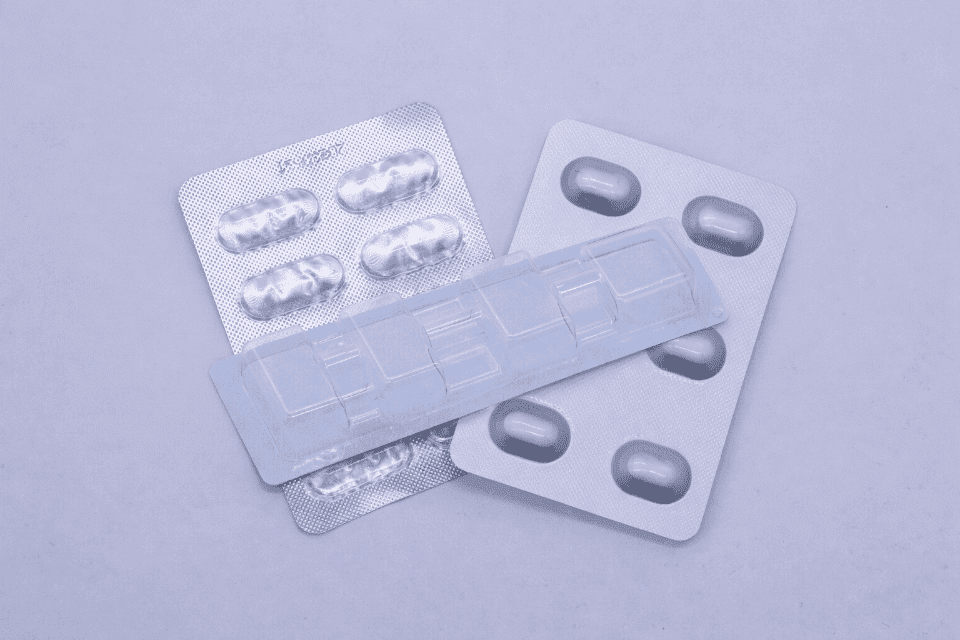
Vật liệu đóng gói vỉ nhôm-nhựa bao gồm lá nhôm cấp dược phẩm và màng nhựa cấp dược phẩm. Lá nhôm có chức năng rào cản cốt lõi, trong khi màng nhựa đảm bảo khả năng định hình và sự tiện lợi của bao bì. Vật liệu áp dụng của nó chủ yếu là viên nén và viên nang uống thông thường, cũng như đóng gói độc lập cho các thiết bị dược phẩm vừa và nhỏ. Chức năng cốt lõi là cân bằng các thuộc tính rào cản và tính kinh tế. Nó không chỉ có thể chặn ánh sáng, hầu hết oxy và độ ẩm qua lớp lá nhôm, mà còn tận dụng khả năng định hình của màng nhựa để đáp ứng nhu cầu đóng gói thông thường của hầu hết các doanh nghiệp dược phẩm.
Vật liệu đóng gói dạng vỉ nhôm-nhôm được cấu tạo từ hai lớp lá nhôm cấp dược phẩm, với độ tinh khiết vật liệu cao và hiệu suất bịt kín mạnh mẽ. Vật liệu áp dụng của nó chủ yếu là các loại thuốc dễ bị oxy hóa, hút ẩm và cảm quang, chẳng hạn như vitamin và thuốc kháng sinh. Nó tối đa hóa thời gian lưu trữ của thuốc, tránh tình trạng thuốc bị hư hỏng do tác động của môi trường bên ngoài. Vì thế, Bao bì vỉ alu-alu phù hợp cho các sản phẩm y tế cao cấp.
Vật liệu đóng gói vỉ giấy-nhựa bao gồm giấy cấp dược phẩm và màng nhựa cấp dược phẩm. Vật liệu áp dụng của nó chủ yếu là các thiết bị dược phẩm. Chức năng cốt lõi là tạo điều kiện thuận lợi cho việc khử trùng các thiết bị dược phẩm. Đế giấy có thể phân hủy và dễ tái chế, phù hợp với xu hướng phát triển xanh của ngành.
Sự khác biệt chính giữa Nhôm-Nhựa, Nhôm-Nhôm và Giấy-Nhựa
| Kích thước chính | Bao Bì Nhôm-Nhựa | Bao Bì Nhôm-Nhôm | Bao Bì Giấy-Nhựa |
| Hiệu suất rào cản | Trung bình | Tối ưu | Yếu đuối |
| Sự an toàn | Trung bình | Tối ưu | Yếu đuối |
| Trị giá | Trung bình | Cao | Thấp |
| Thân thiện với môi trường | Yếu đuối | Trung bình | Tối ưu |
Hiệu suất rào cản
Có sự khác biệt về hiệu suất rào cản của ba loại vật liệu phồng rộp. Trong số đó, vật liệu đóng gói vỉ nhôm-nhôm có hiệu suất rào cản tốt nhất, có thể chặn hoàn toàn oxy, độ ẩm và ánh sáng, vì vậy chúng có thời gian lưu trữ lâu nhất. Vật liệu đóng gói vỉ nhôm-nhựa có hiệu suất rào cản trung bình. Lớp lá nhôm của chúng có thể chặn ánh sáng, hầu hết oxy và độ ẩm. Màng nhựa có nhiệm vụ đảm bảo khả năng định hình của bao bì, có thể đáp ứng nhu cầu lưu trữ các loại thuốc thông thường. Vật liệu đóng gói vỉ giấy-nhựa có hiệu suất rào cản yếu nhất. Do tính thấm khí cao của giấy, chúng không phù hợp với các loại thuốc dễ hỏng và nhạy cảm với ánh sáng. Nhưng nhờ khả năng truyền ánh sáng của chúng, Bao bì vỉ giấy nhựa có thể khử trùng các thiết bị y tế thông qua tia gamma.
Sự an toàn
Mỗi vật liệu trong số ba vật liệu phồng rộp đều có những đặc tính an toàn riêng biệt. Vật liệu đóng gói dạng vỉ nhôm-nhôm không có thành phần nhựa tiếp xúc với thuốc. Và lá nhôm của họ đáp ứng các tiêu chuẩn cấp dược phẩm, không có rủi ro di cư, làm cho chúng phù hợp với các loại thuốc có yêu cầu an toàn cao. Màng nhựa của vật liệu đóng gói vỉ nhôm-nhựa được làm bằng vật liệu cấp dược phẩm như PVC và PE. Dưới tiền đề của sản xuất tuân thủ, không có mối nguy hiểm an toàn, nhưng độ tinh khiết của vật liệu phải được kiểm soát chặt chẽ. Giấy của vật liệu đóng gói vỉ giấy-nhựa cần được khử trùng để tránh bụi giấy rơi xuống và làm nhiễm bẩn thuốc. Vì vậy chỉ thích hợp cho việc đóng gói tiếp xúc không trực tiếp với các loại thuốc có độ nhạy cảm cao.
Trị giá
Ba loại vật liệu phồng rộp khác nhau về chi phí và các tình huống áp dụng. Vật liệu đóng gói vỉ nhôm-nhôm có giá thành cao nhất. Do quá trình tổng hợp lá nhôm hai lớp phức tạp của chúng, chúng phù hợp với các loại thuốc có giá trị cao. Vật liệu đóng gói vỉ nhôm-nhựa có giá thành trung bình và hiệu quả chi phí cao nhất. Họ có thể cân bằng hiệu suất đóng gói và ngân sách doanh nghiệp, khiến chúng trở thành lựa chọn hàng đầu cho hầu hết các doanh nghiệp thiết bị dược phẩm. Vật liệu đóng gói vỉ giấy-nhựa có chi phí thấp nhất, vừa thân thiện với môi trường vừa tiết kiệm chi phí. Đó là lý tưởng cho các dược phẩm yêu cầu sản xuất hàng loạt và có ngân sách hạn chế.
Thân thiện với môi trường
Có sự khác biệt về tính thân thiện với môi trường của ba loại vật liệu vỉ đóng gói. Giấy bạc của vật liệu đóng gói vỉ alu-alu có thể được tái sử dụng. Nhưng chi phí tái chế tương đối cao, và độ thân thiện với môi trường ở mức trung bình. Đối với vật liệu đóng gói vỉ nhôm-nhựa, do khó khăn trong việc tách lá nhôm ra khỏi màng nhựa, tái chế là bất tiện. Vì vậy độ thân thiện với môi trường tương đối yếu. Đế giấy của vật liệu đóng gói vỉ giấy-nhựa có khả năng phân hủy và dễ tái chế. Nếu màng nhựa được làm bằng vật liệu dễ phân hủy, sự thân thiện với môi trường của nó là tốt nhất, có thể đáp ứng nhu cầu chuyển đổi xanh của ngành dược phẩm.
Nhôm-Nhựa vs Nhôm-Nhôm vs Giấy-Nhựa: Chọn đúng định dạng
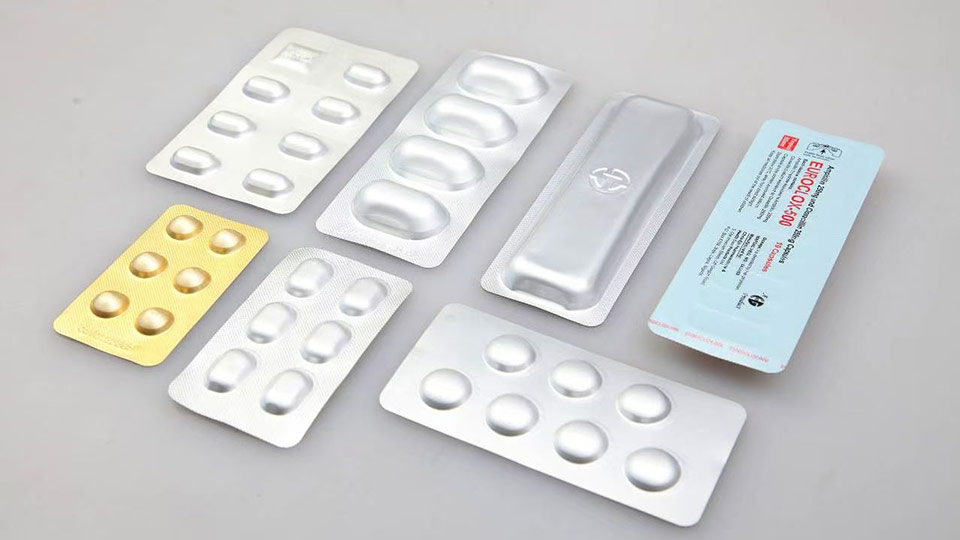
Khi nói đến bao bì vỉ dược phẩm, Việc lựa chọn vật liệu đóng gói vỉ là rất quan trọng vì nó ảnh hưởng trực tiếp đến độ ổn định của sản phẩm, hạn sử dụng, và hiệu quả chi phí. Biết nhu cầu cụ thể của sản phẩm là rất quan trọng để xác định loại bao bì nào phù hợp nhất.
| Yêu cầu cốt lõi | Tùy chọn tốt nhất | Sản phẩm phù hợp |
| Độ nhạy cao & Lưu trữ dài hạn | Nhôm-Nhôm | Viên nén/viên nang nhạy cảm với ánh sáng |
| Hiệu suất cân bằng & Trị giá | Nhôm-Nhựa | Viên nén/viên nang uống thông thường |
| Hiệu quả về chi phí & Thân thiện với môi trường | Giấy-Nhựa | Thiết bị y tế cần khử trùng |
Quyết định sử dụng nhôm-nhựa, nhôm-nhôm, hoặc bao bì vỉ giấy-nhựa phải dựa trên đặc tính riêng của dược phẩm. Ví dụ, các loại thuốc có độ nhạy cao được hưởng lợi từ hàng rào bảo vệ vượt trội của nhôm-nhôm, trong khi các loại thuốc tiêu chuẩn thường tìm thấy sự cân bằng giữa hiệu suất và chi phí trong nhôm-nhựa. Trong khi đó, giấy-nhựa cung cấp giải pháp tiết kiệm chi phí và thân thiện với môi trường cho các sản phẩm và thiết bị ổn định. Tóm lại, lựa chọn đúng là lựa chọn phù hợp nhất với yêu cầu riêng của sản phẩm của bạn.
Cách chọn đúng loại vỉ: Yếu tố lựa chọn
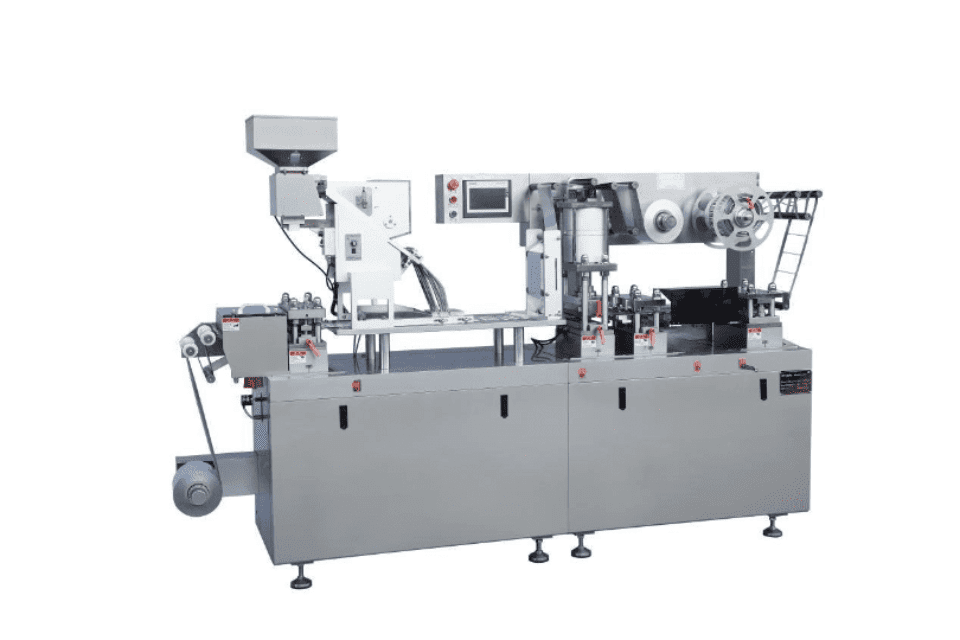
Việc chọn định dạng phồng rộp thích hợp đòi hỏi phải phân tích toàn diện nhiều yếu tố chính. Tại Rich Đóng gói, chúng tôi hiểu rằng những quyết định này ảnh hưởng trực tiếp đến chất lượng sản phẩm và hiệu quả sản xuất. Máy đóng gói vỉ DPP-180Pro của chúng tôi được thiết kế để xử lý liền mạch cả ba loại bao bì, làm cho nó trở thành sự lựa chọn lý tưởng cho dây chuyền sản xuất linh hoạt.
1. Tuân thủ đầu tiên
Tất cả các vật liệu làm vỉ phải đáp ứng các tiêu chuẩn nghiêm ngặt về dược phẩm để loại bỏ các mối nguy hiểm về an toàn có thể ảnh hưởng đến hiệu quả của thuốc. 180Pro được trang bị thiết bị tái chế rác thải nhằm nâng cao hiệu quả sản xuất, duy trì môi trường nhà xưởng sạch sẽ và tuân thủ tiêu chuẩn GMP. Bên cạnh đó, 180Pro áp dụng thiết kế nền tảng lớn. Bề mặt làm việc rộng rãi, dễ dàng vệ sinh và bảo trì.
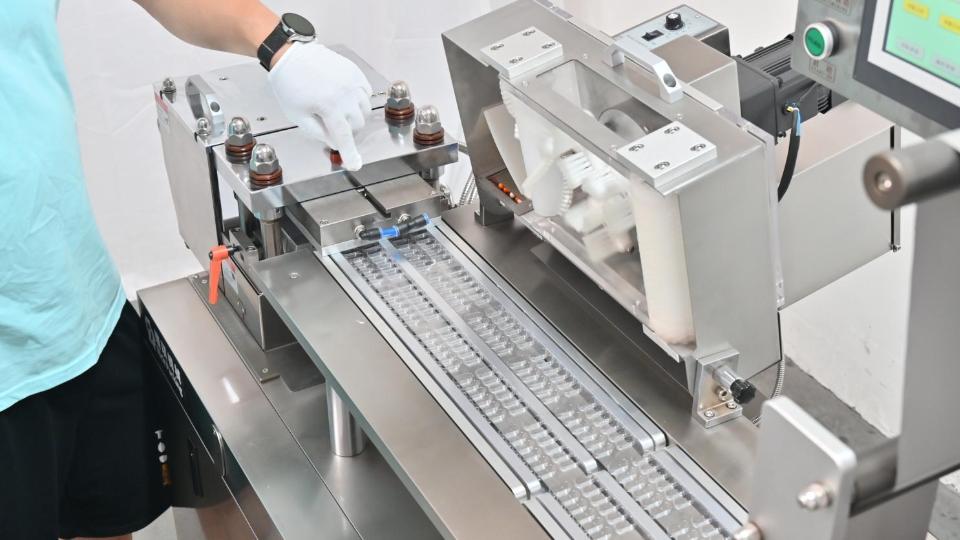
2. Căn chỉnh quy trình sản xuất
Cơ sở hạ tầng sản xuất hiện tại của bạn đóng vai trò quan trọng trong việc lựa chọn loại vỉ tối ưu.
Bao bì vỉ nhôm-nhôm đòi hỏi thiết bị chuyên dụng có độ chính xác cao để cán và dán lá nhôm hai lớp. Bao bì vỉ nhôm-nhựa hoàn toàn tương thích với dây chuyền đóng vỉ tự động, hỗ trợ tốc độ cao, sản xuất hàng loạt lớn với hiệu suất tạo hình và niêm phong đáng tin cậy. Bao bì dạng vỉ bằng giấy-nhựa thích hợp cho các thiết bị y tế cần khử trùng và hoạt động sản xuất vừa và nhỏ.
Máy đóng gói vỉ DPP-180Pro được thiết kế để phù hợp với cả ba định dạng đóng gói vỉ, loại bỏ nhu cầu sử dụng nhiều máy và hợp lý hóa quy trình sản xuất của bạn.
3. Trải nghiệm người dùng cuối & Kịch bản đầu cuối
Các môi trường sử dụng cuối khác nhau tạo ra các nhu cầu khác nhau về sự thuận tiện, tính di động và khả năng sử dụng.
Bao bì vỉ nhôm-nhôm chắc chắn và an toàn, lý tưởng để lưu trữ lâu dài các loại thuốc có giá trị cao trong môi trường lâm sàng và dược phẩm. Bao bì vỉ nhôm-nhựa nhẹ và dễ mở, hoàn hảo cho việc sử dụng bán lẻ và hộ gia đình. Bao bì vỉ giấy-nhựa có thể di chuyển và khử trùng được, làm cho nó phù hợp với các thiết bị y tế dùng một lần và các sản phẩm bán lẻ tiết kiệm chi phí.
Của chúng tôi máy phồng rộp có một loạt các ứng dụng, và có thể được sản xuất bằng nhựa PVC, Tái bút, PET và các vật liệu khác.
4. Thân thiện với môi trường
Ba loại vật liệu đóng gói vỉ khác nhau về hiệu quả môi trường. Bao bì dạng vỉ nhôm-nhôm sử dụng giấy bạc có thể tái chế, nhưng chi phí tái chế cao nên nó thân thiện với môi trường ở mức độ vừa phải. Bao bì dạng vỉ nhôm-nhựa khó tái chế vì giấy bạc và màng khó tách rời, mang lại cho nó hiệu quả môi trường tương đối yếu. Bao bì dạng vỉ giấy-nhựa có đế bằng giấy có thể phân hủy và khả năng tái chế tuyệt vời. Khi sử dụng với màng phân hủy, nó mang lại hiệu quả môi trường tốt nhất và hỗ trợ quá trình chuyển đổi xanh của ngành dược phẩm.
Ngoài bao bì thân thiện với môi trường, máy của chúng tôi được thiết kế để hoạt động ổn định, im lặng, và hoạt động lâu dài. Nó sử dụng hệ thống truyền động xích với độ ồn thấp (<75 dBA). Tất cả các khuôn đều được làm cứng cho độ bền cao, mang lại tuổi thọ sử dụng trung bình trên 3 năm.
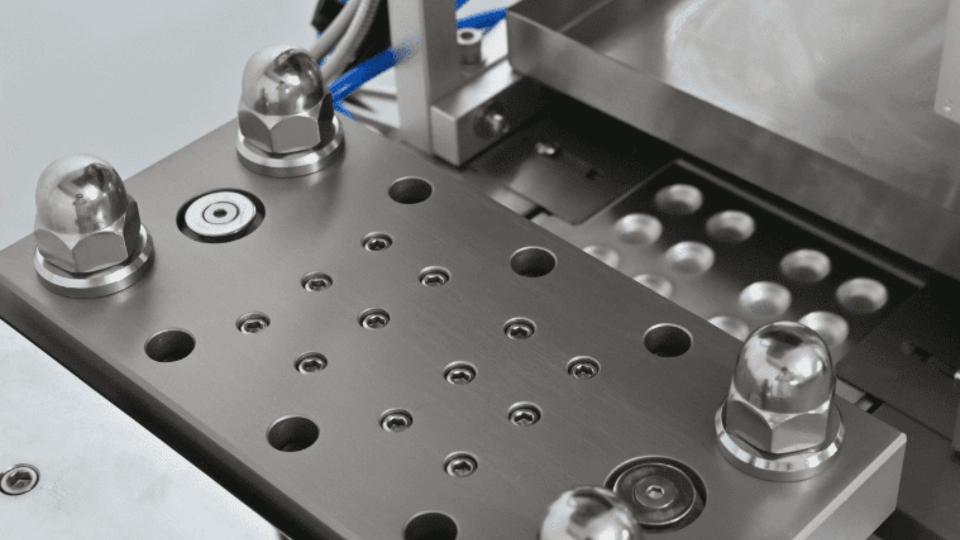
Sự lựa chọn bao bì vỉ tốt nhất giúp cân bằng việc tuân thủ, thực tiễn sản xuất, trải nghiệm người dùng, và ưu tiên về môi trường. DPP-180Pro của Rich Packing máy đóng gói vỉ cho phép bạn thích ứng với cả ba định dạng đóng gói, đảm bảo chất lượng, hiệu quả, và tính linh hoạt cho các sản phẩm dược phẩm của bạn.
Phần kết luận
Không có sự phân biệt cấp trên và cấp dưới giữa nhôm-nhôm, nhôm-nhựa, và giấy nhựa. Điểm mấu chốt nằm ở sự thích ứng. Nó phải thích ứng với đặc tính của thuốc, yêu cầu sản xuất, ngân sách doanh nghiệp, và kịch bản đầu cuối. Là doanh nghiệp chuyên về lĩnh vực bao bì vỉ, chúng tôi cam kết sâu sắc trong việc lựa chọn và ứng dụng vật liệu đóng gói. Chúng tôi rất vui được giúp mọi sản phẩm dược phẩm có được sản phẩm phù hợp hơn, an toàn hơn, và bảo vệ bao bì hiệu quả về mặt chi phí, và cùng nhau xây dựng tuyến phòng thủ có chất lượng cho ngành dược phẩm.
Câu hỏi thường gặp
1. Q: Ba vật liệu đóng gói vỉ phổ biến là gì?
MỘT: Chúng là nhôm-nhựa, nhôm-nhôm, và giấy-nhựa. Ba loại này được sử dụng rộng rãi trong bao bì thiết bị dược phẩm để đáp ứng các nhu cầu ứng dụng và bảo vệ khác nhau.
2. Q: Vật liệu nào có hiệu suất rào cản tốt nhất?
MỘT: Bao bì nhôm-nhôm mang lại hiệu quả rào cản tối ưu. Nó chặn hoàn toàn ánh sáng, ôxy, và độ ẩm, kéo dài đáng kể thời hạn sử dụng của các loại thuốc nhạy cảm.
3. Q: Cái nào thân thiện với môi trường nhất và chi phí thấp nhất?
MỘT: Bao bì giấy-nhựa là sự lựa chọn thân thiện với môi trường và tiết kiệm chi phí nhất. Đế giấy của nó có thể phân hủy và dễ tái chế, trong khi chi phí vật liệu tổng thể vẫn ở mức thấp.
4. Q: Nhựa alu dùng để làm gì tốt nhất?
MỘT: Đó là lý tưởng cho viên uống và viên nang thông thường. Nó cung cấp hiệu suất rào cản vừa phải với hiệu suất chi phí cao, thích hợp cho sản xuất hàng loạt và sử dụng hàng ngày.
5. Q: DPP-180Pro có chạy được cả 3 loại vật liệu không?
MỘT: Đúng, DPP‑180Pro hỗ trợ cả ba định dạng đóng gói. Nó mang lại sự linh hoạt trong sản xuất và giúp đơn giản hóa cấu hình dây chuyền đóng gói của bạn.