Tablet baskı makineleriyle çalışan birçok mühendis ve üretim teknisyeni için, ısrarcı bir soru sıklıkla ortaya çıkar: Tablet üretimi sırasında döner tablada neden sürekli toz kalıntısı oluyor??
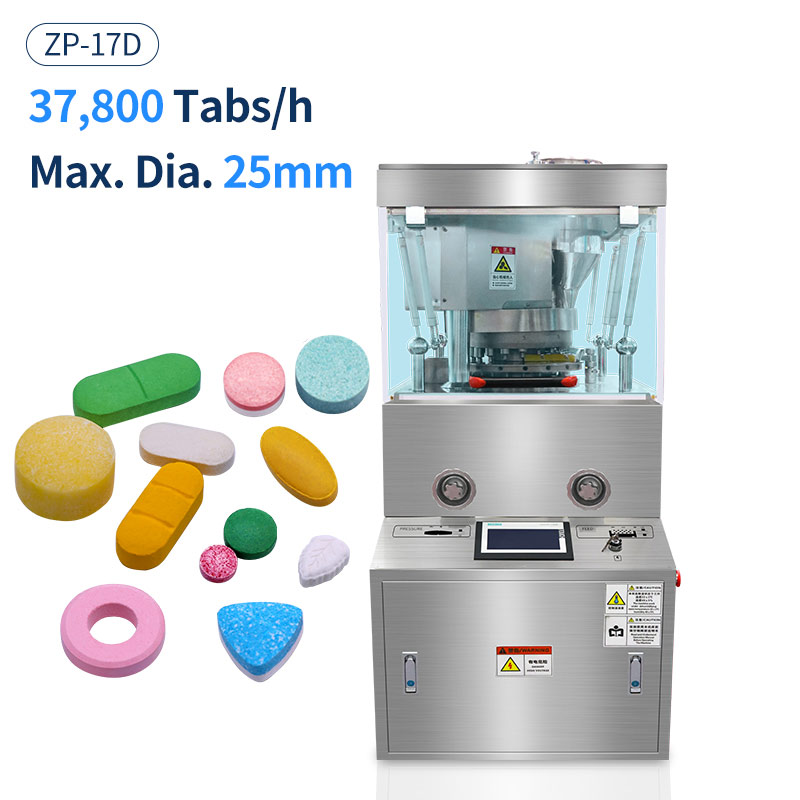
İster üst düzey akıllı bir tablet baskı makinesi olsun, orta menzilli döner tablet presi, veya küçük bir laboratuvar tablet presi, bu sorun kaçınılmaz görünüyor. Bu olgunun arkasındaki nedeni anlamak, tablet sıkıştırma sürecine daha yakından bakmayı gerektirir, makinenin yapısı, ve mekanik hassasiyet ile malzeme özellikleri arasındaki denge.
1. Toz Nereden Geliyor??
Bir sorunu çözmek için, önce kökenini anlamalıyız. Döner tablada görülen toz öncelikle besleme sisteminden gelir; bu sistem, sıkıştırma sırasında granüllerin kalıplara iletilmesinden sorumludur..
Her türlü tablet baskı makinelerinde, ister açık ızgaralı besleyiciyle ister kapalı zorlamalı besleyiciyle donatılmış olsun, her zaman az miktarda toz sızıntısı vardır. Bunun nedeni besleyicinin doğrudan döner taretin üzerinde bulunmasıdır, ve besleyici ile tabla yüzeyi arasında her zaman bir boşluk vardır.
Bu boşluk hem gerekli hem de sorunlu. Taretin sürtünme olmadan düzgün bir şekilde dönmesini sağlar, ama aynı zamanda ince toz parçacıkları için de bir kaçış yolu yaratır. Bu parçacıklar zamanla birikir, sürekli çalışma sonrasında mühendislerin fark ettiği görünür kalıntının oluşması.
2. Boşluk Neden Tamamen Giderilemiyor?
İlk bakışta, biri düşünebilir: Boşluktan toz sızıntısı meydana gelirse, neden sadece boşluğu ortadan kaldırmıyorsunuz??
Fakat, mekanik tasarımda, bu ne pratik ne de güvenli. Hem taret hem de besleyici metalik malzemelerden (tipik olarak demir ve paslanmaz çelik) yapılmıştır. Bu iki bileşen sıfır boşlukla birbirine uyuyorsa, taretin yüksek hızlı dönüşü metal-metal sürtünmesine neden olur.
Bu sürtünme ısı oluşumuna neden olabilir, yüzey aşınması, ve hatta tabletleri kirleten metal parçacıklar bile cGMP'nin doğrudan ihlalidir (Mevcut İyi Üretim Uygulamaları) standartlar. İlaç üretiminde, Demir veya çelik parçacıklarından kaynaklanan herhangi bir kirlenme kesinlikle kabul edilemez, hem ürün güvenliğini hem de kalite uyumluluğunu tehlikeye attığı için.
Diğer taraftan, boşluk çok geniş yapılırsa, toz sızıntısı önemli ölçüde artar. Bu bir değiş tokuş yaratır:
Daha küçük bir boşluk toz kalıntısını azaltır ancak sürtünme riskini artırır.
Daha büyük bir boşluk sürtünmeyi önler ancak daha fazla tozun kaçmasına izin verir.
Böylece, toz kalıntısının varlığı esasen mekanik toleransın doğal bir sonucudur; makine koruması ile üretim hijyeni arasındaki dengenin kaçınılmaz bir sonucudur.
3. Toz Saçılımında Santrifüj Kuvvetinin Rolü
Besleyici boşluğunun ötesinde, Barut kalıntısının bir diğer önemli nedeni taretin yüksek hızlı dönüşü sırasında oluşan merkezkaç kuvvetidir..
Kule döndükçe, kalıp delikleri içindeki granüller merkezkaç ivmesine maruz kalır. Sıkıca sıkıştırılmayan ince parçacıklar dışarı doğru fırlatılabilir, sıkıştırma meydana gelmeden önce kalıp boşluklarından kaçmak.
Bu olgu şu durumlarda daha belirgin hale gelir::
Makine yüksek dönüş hızlarında çalışır
Granül akışkanlığı zayıf
Veya granül nem içeriği çok düşük.
Bu uçan toz parçacıkları en sonunda taret yüzeyine yerleşir, mühendislerin sıklıkla gözlemlediği gözle görülür toz oluşumuna katkıda bulunmak.
Dahası, tozun bu dağılımı tutarsız tablet ağırlıklarına yol açabilir, her zımbanın sıkıştırabileceği malzeme biraz azaldığı için. Seri üretimde, bu, tabletlerin hedef ağırlık spesifikasyonlarından sapmasına neden olabilir, Tekdüzeliği ve kalite kontrolünü etkileyen.
4. Sorun Neden Kaçınılmazdır ve Nasıl En Aza İndirilebilir?
Pratik mühendislik perspektifinden, toz kalıntısının tamamen ortadan kaldırılması mümkün değildir. Mekanik yapı ve fiziksel yasalar, onu tablet sıkıştırmasının doğal bir parçası haline getiriyor. Fakat, uygun tasarım ve işletim ile, Sorun etkili bir şekilde en aza indirilebilir.
Üreticilerin ve mühendislerin toz kalıntılarını azaltmanın birkaç yolu var:
4.1. Bileşenlerin Hassas İşlenmesi
İşleme doğruluğunu geliştirerek, özellikle taret ve besleyici yüzeylerinin düzlüğü, boşluk optimum aralıkta kontrol edilebilir; sürtünme yaratmadan sızıntı en aza indirilir.
4.2. Gelişmiş Besleyici Tasarımı
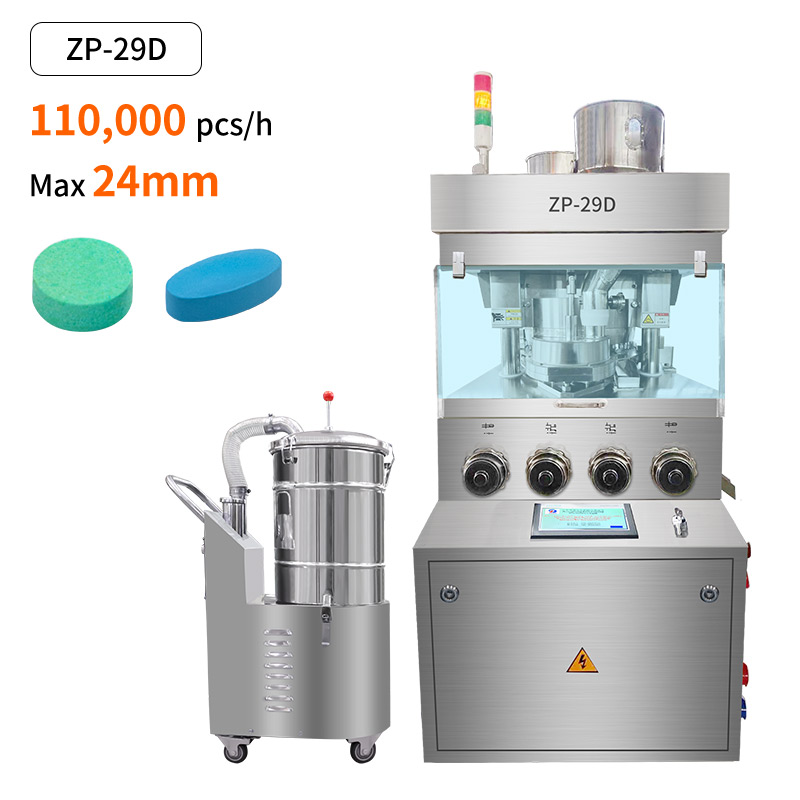
Modern tablet presleri, toz kaybını azaltan ayarlanabilir kazıyıcılara ve contalara sahip basınçlı besleyiciler kullanır. Bazı gelişmiş modellerde daha temiz bir ortam sağlamak için vakum destekli toz giderme özelliği de bulunur.
4.3. Malzeme Optimizasyonu
Yüksek kaliteli paslanmaz çelik kullanma (SS304 veya SS316) bileşenler daha düzgün yüzey teması sağlar, daha az aşınma, ve daha düşük toz yapışması — makinenin ömrünü ve temizliğini uzatır.
4.4. Kontrollü Üretim Hızı
Makineyi uygun bir dönüş hızında çalıştırmak merkezkaç saçılmayı azaltabilir. Aşırı hız genellikle toz püskürtmeyi kötüleştirir, orta hız stabiliteyi ve ürün tutarlılığını korurken.
4.5. Sıkıştırma Sonrası Temizleme ve Tozsuzlaştırma
Sıkıştırmadan hemen sonra bir tablet toz gidericinin entegre edilmesi, gevşek tozun tabletlerden ve çevresindeki ekipmandan temizlenmesine yardımcı olur, daha temiz bir çalışma alanı ve daha iyi ürün görünümü sağlamak.
5. Ürün Kalitesi ve cGMP Uyumluluğu Üzerindeki Etki
Toz kalıntısı kozmetik bir sorun gibi görünse de, farmasötik üretim standartları üzerinde daha derin etkileri vardır.
Toz birikmesi tablet ağırlığının tutarlılığını etkileyebilir, kalıp doldurma verimliliği, ve makine yağlaması. Öyleyse, Taret alanı çevresinde temizliğin sağlanması, cGMP gerekliliklerinin karşılanması ve tablet kalitesinin sağlanması açısından hayati öneme sahiptir, emniyet, ve doğruluk.
Elektrikli süpürgeyle temizleme dahil düzenli bakım, taret silme, ve kalıp yağlama — yalnızca kalıntıları azaltmakla kalmaz, aynı zamanda kritik makine parçalarının uzun süreli aşınmasını da önler.
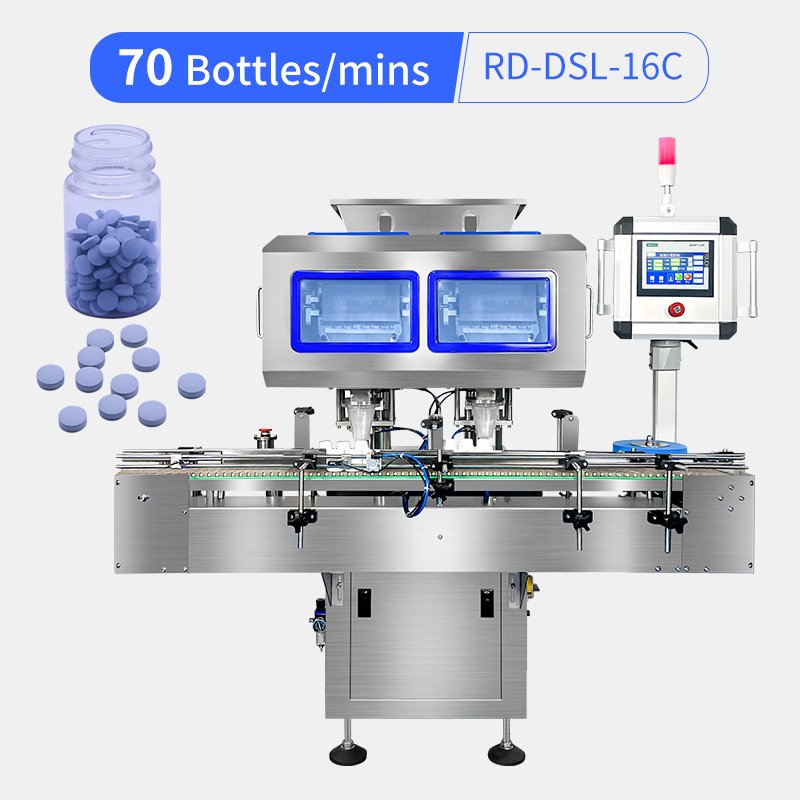
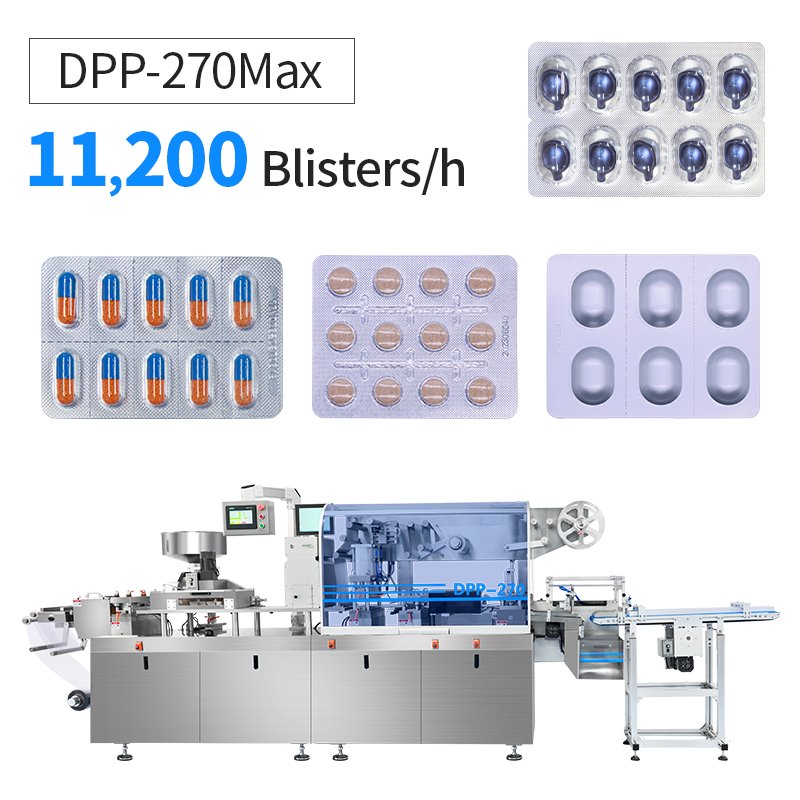
Ek olarak, tablet toz giderici gibi tamamlayıcı ekipmanların kullanılması, metal dedektörü, tablet sayma makinesi, ve kabarcıklı paketleme makinesi, üretimin her aşamasının hem güvenlik hem de görsel kalite beklentilerini karşılamasını sağlar. Bu cihazlar eksiksiz bir tablet üretim hattı oluşturur, hijyeni ve verimliliği optimize etmek.
6. R&D Perspektifi: Azaltma, Ortadan Kaldırmamak
Ruidapacking'de, bizim R'miz&D ekibi, hassas üretim yoluyla toz kalıntısını en aza indirmek için döner tablet preslerinin tasarımını sürekli olarak geliştiriyor, besleyici optimizasyonu, ve gelişmiş yüzey işlemleri.
Fakat, mühendislik açısından, bu sorun ancak azaltılabilir, yok edilmedi. Dünyanın en gelişmiş otomatik tablet baskı makinelerinde bile kaçınılmaz mekanik boşluklar ve merkezkaç dinamikleri nedeniyle bir miktar toz kalıntısı görülür..
İmkansız bir "sıfır toz" hedefini kovalamak yerine, Odak noktamız kontrollü kalıntı yönetimidir; makinenin dayanıklılığı arasında bir denge kurmak, cGMP uyumluluğu, ve tablet kalite istikrarı. HGZP-15/20D gibi modellerin sürekli iyileştirilmesinin ardındaki felsefe budur., HGZP-26/40D, ve diğer Ruidapacking tablet presleri.
7. Çözüm: Kalıntının Arkasındaki Bilim
Özetle, Döner tabla üzerinde bulunan toz kalıntısı bir kusur değil, tablet sıkıştırma işleminin doğal bir yan ürünüdür.
Esas olarak iki nedenden kaynaklanır:
1. Besleyici-taret boşluğundan toz sızıntısı, Mekanik güvenlik kısıtlamaları nedeniyle tamamen kapatılamayan.
2. Yüksek hızlı dönüş sırasında granüllerin santrifüj saçılması, ince parçacıkları kalıplardan çıkaran.
Tamamen önlenemese de, toz kalıntısı mühendislik hassasiyeti sayesinde en aza indirilebilir, malzeme seçimi, besleyici iyileştirmeleri, ve uygun operasyonel kontrol. gibi yardımcı ekipmanlarla birleştirildiğinde tablet toz giderici, metal dedektörü, Blister paketleme makinesi, ve tablet kaplama makinesi, üreticiler tüm üretim hattı boyunca hem temizliği hem de ürün bütünlüğünü sağlayabilirler.