Введение
Таблетки остаются одним из самых распространенных способов доставки лекарств и пищевых добавок во всем мире. А таблеточный пресс является основой производства таблеток, спрессовывая порошки и гранулы в однородные таблетки. Для покупателей и инженеров выбор правильного таблеточного пресса - это долгосрочное решение, которое напрямую влияет на качество продукции, объем выпуска и соответствие нормативным требованиям.
1. Что такое машина для прессования таблеток и где она используется?
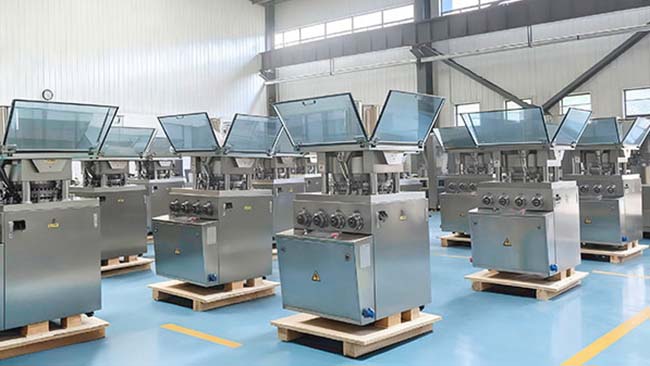
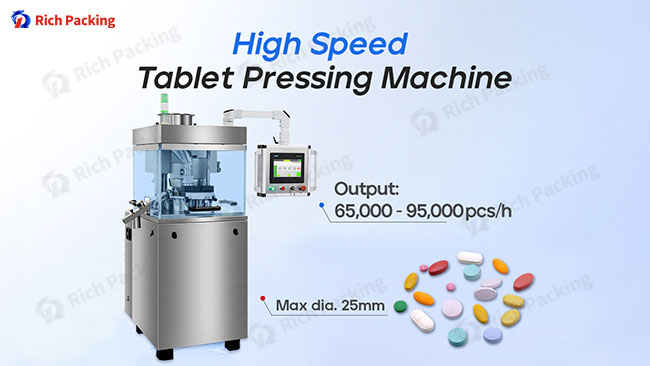
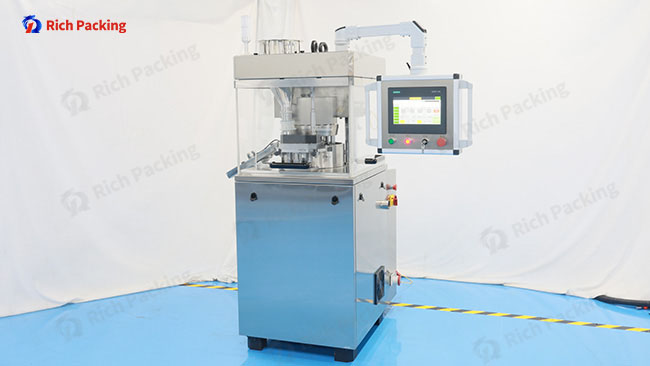
Таблеточный пресс, иногда называемый машиной для прессования таблеток или прессом для таблеток, прилагает большое механическое усилие к пуансонам через прессующее колесо, тем самым сжимая порошок или гранулы в твердые таблетки. Он обеспечивает соответствие каждой таблетки заданным параметрам веса, толщины и твердости, не допуская при этом отклонений в строгих пределах. цГМФ пределы.
Эти машины для производства таблеток используются в нескольких отраслях промышленности:
- Фармацевтические предприятия, производящие таблетки по рецепту и безрецептурные таблетки
- Бренды нутрицевтиков и витаминов диетические добавки
- Производители продуктов питания и кондитерских изделий, выпускающие мятные конфеты, бульонные кубики и шипучие таблетки
- Производители химикатов и катализаторов, моющих и дезинфицирующих средств, а также таблеток для посудомоечных машин
Такие производители, как Ruidapacking, разрабатывают ротационные таблеточные прессы специально для фармацевтической и нутрицевтической промышленности, используя материалы, ориентированные на требования cGMP.
2. Процесс производства таблеток: От порошка до готовых таблеток
Прежде чем таблетки попадут на таблеточный пресс, они проходят несколько критически важных этапов. Понимание этого процесса помогает покупателям подобрать машину в соответствии с реальными производственными потребностями.
Разработка рецептуры и приготовление порошка
Разработка продукта начинается с разработки рецептуры, в которой активные ингредиенты сочетаются с вспомогательными веществами, такими как наполнители, связующие, смазывающие и дезинтегрирующие вещества. Порошки просеивают, чтобы добиться подходящего распределения частиц по размерам. Многие продукты требуют влажной или сухой грануляции для улучшения текучести и сжимаемости.
Сжатие и последующая обработка
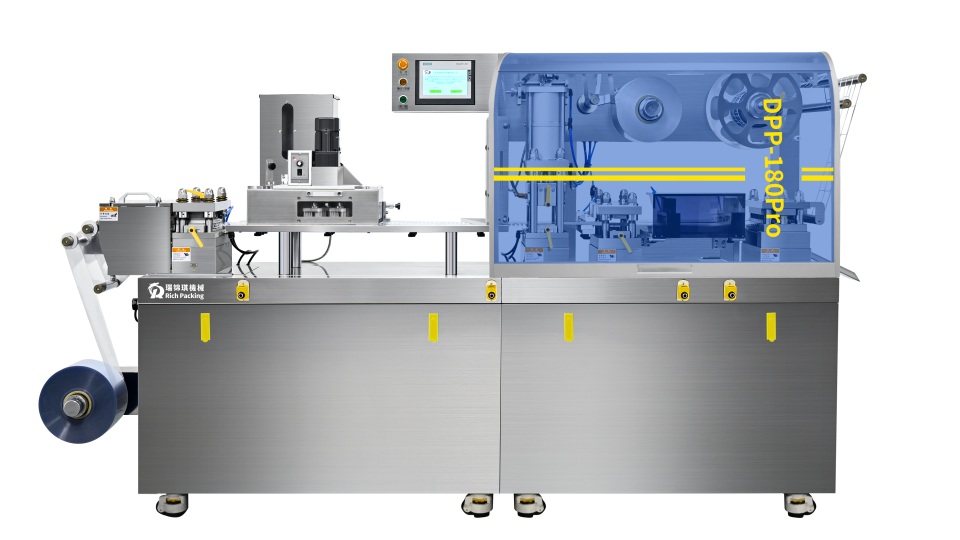
В процессе прессования смесь подается в бункер машины для прессования таблеток вакуумным питателем порошка, поступает во вращающиеся матрицы и уплотняется между верхними и нижними пуансонами. После извлечения из матриц таблетки переносятся в удалитель пыли для таблеток. Системы, расположенные ниже по течению, такие как линии подсчета таблеток, Машины для упаковки блистеров и картонные машины дополняют линию по производству твердых доз и определяют необходимую скорость пресса для таблеток.
3. Основные компоненты планшетного пресса
Хотя модели различаются в зависимости от поставщика и уровня производительности, большинство современных машин для прессования таблеток имеют несколько основных узлов.
Бункер и система подачи
Бункер хранит смесь над таблеточным компрессором и обеспечивает постоянную подачу в питатель. Гравитационная подача может быть достаточной для свободно текущих гранул, в то время как для многих фармацевтических порошков требуется принудительная подача с лопастями или колесом-мешалкой для стабильного заполнения фильеры при высокой скорости.
Перфораторы, штампы и стандарты оснастки
Штампы определяют полость, в которой формируется каждая таблетка, а верхний и нижний пуансоны перемещаются по вертикали для сжатия и выталкивания продукта. Инструментарий обычно изготавливается по стандартам TSM (США) или ЕС и классифицируется на типы B, BB или D, каждый из которых имеет определенные размеры головки и наконечника. Выбор правильного стандарта оснастки влияет на размерный ряд планшетов, гибкость и доступность запасной оснастки.
Турель и станции
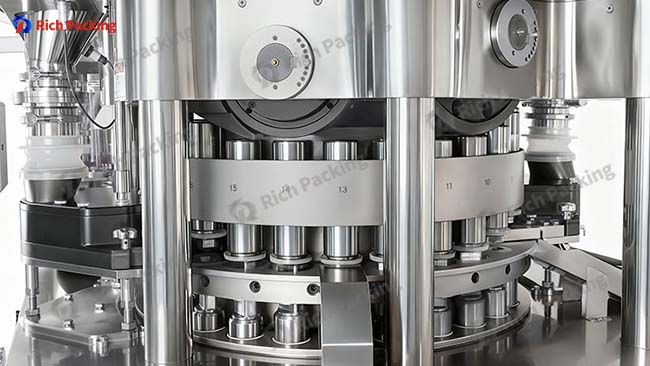
В ротационных таблеточных прессах штампы устанавливаются в круглую башню. Каждая позиция штампа называется станцией. Количество станций, умноженное на скорость вращения револьверной головки, определяет теоретическую производительность. Высокоточная обработка и прочные материалы позволяют снизить износ и сохранить точное соответствие между пуансонами и штампами в течение многих лет эксплуатации.
Кулачковые дорожки, прижимные ролики и система выталкивания
Фиксированные кулачковые дорожки направляют движение пуансонов вверх-вниз по револьверной головке. Предварительное сжатие и основное сжатие Ролики прикладывают усилия, формирующие таблетку. В зоне выброса нижние пуансоны поднимаются, выталкивая готовые таблетки из штампа, а отводящий нож сметает их в разгрузочный лоток.
Система управления, HMI и функции безопасности
Современные системы управления контролируют скорость движения башни, сила сжатия, глубину заполнения и количество брака. Операторы используют HMI с сенсорным экраном для настройки рецептов и аварийных сигналов. Двери с блокировкой, аварийные остановки и защита от перегрузки помогают защитить персонал и оборудование. В регулируемых средах могут потребоваться функции обеспечения целостности данных и опции, соответствующие требованиям 21 CFR Part 11.
4. Типы машин для прессования таблеток и принцип их работы
Различные масштабы производства и области применения требуют использования различных типов машин для прессования таблеток. Две наиболее распространенные категории - это ротационные и высокоскоростные ротационные машины.
Ротационные таблеточные прессы
В ротационных таблеточных прессах используется несколько станций, расположенных вокруг турели. При вращении башни каждая станция последовательно проходит зоны наполнения, предварительного сжатия, основного сжатия и выталкивания. Такая конструкция обеспечивает непрерывную работу и гораздо более высокую производительность при сохранении стабильного качества таблеток.
Высокоскоростные роторные таблеточные прессы
Высокоскоростные таблеточные прессы оптимизированы для очень больших объемов производства. Они могут иметь двустороннее сжатие, большее количество станций на турели, более прочные рамы и более совершенные механизмы подачи. Дополнительные датчики и функции управления позволяют стабильно работать на высоких скоростях, контролируя силу сжатия. Такие машины обычно используются на крупных фармацевтических заводах, в контрактных производственных организациях и на заводах по производству биологически активных добавок в больших объемах для производства их флагманских продуктов.
Специальные конфигурации таблеточных прессов
В некоторых случаях требуются многослойные таблетки, многоцветные таблетки или конструкции "таблетка в таблетке". В таких случаях часто используются специализированные ротационные таблеточные прессы с несколькими стадиями наполнения и сжатия или адаптированные системы подачи. Существуют также специальные решения для шипучих таблеток, моющих средств, солевых блоков и других продуктов с необычными размерами или физическими свойствами.
5. Технические характеристики планшетного пресса для чтения: Что действительно важно
Сравнивая каталоги или предложения, легко сосредоточиться только на заглавных цифрах, таких как максимальная производительность. Более полное представление о том, как технические характеристики воплощаются в реальную производительность на вашем предприятии.
Ниже приведено простое сравнение распространенных типов таблеточных прессов и их типичных функций:
| Аспект | Роторный планшет нажмите | Высокий скорость вращения планшет нажмите |
| Типичное использование | Средние и большие партии | Очень крупное, непрерывное производство |
| Уровень выходного сигнала | От среднего до высокого | Очень высокий |
| Гибкость | Хороший баланс гибкости и скорости | Лучше всего подходит для стабильных, крупносерийных SKU |
| Уровень инвестиций | Середина | Самый высокий |
Мощность и количество станций
Теоретическая производительность зависит от количества станций и скорости вращения турели, но реальная производительность зависит от времени выдержки, поведения материала и допустимого уровня брака. Покупателям следует изучить реальный диапазон производительности при целевом весе планшета, а не абсолютный максимум.
Сила сжатия и глубина заполнения
Максимальное основное усилие сжатия указывает на способность машины формировать твердые или сложные таблетки без укупорки или ламинирования. Возможность предварительного сжатия помогает деаэрировать гранулы и снизить нагрузку на оснастку. Регулируемая глубина заполнения контролирует объем порошка, поступающего в каждую матрицу, и, следовательно, диапазон веса таблеток.
Диапазон размеров планшетов, оснастка и время переналадки
В спецификациях обычно указываются минимальный и максимальный диаметр и толщина таблеток, а также совместимые типы оснастки. Если один таблеточный пресс должен обрабатывать множество различных продуктов, быстрая смена оснастки, питателей и деталей, контактирующих с продуктом, становится критически важной для ежедневной эффективности.
Площадь, коммунальные услуги и шум
Габариты, требования к электропитанию, потребление сжатого воздуха и уровень шума влияют на то, насколько легко планшетный пресс впишется в существующие помещения и службы. Компактные платформы с приемлемым уровнем шума легче интегрировать в старые помещения и многопрофильные комплексы.
6. Десять факторов, которые необходимо проверить перед покупкой
Прежде чем приступить к закупке нового планшетного пресса, инженеры и специалисты по закупкам могут воспользоваться структурированным контрольным списком, чтобы снизить риски и избежать неожиданностей после установки.
- Нормативно-правовое регулирование и цГМФ подходит
Материалы, отделка поверхностей, средства борьбы с пылью и документация должны соответствовать требованиям стандартов cGMP, FDA или ЕС. Попросите поставщиков уточнить, на каких стандартах основаны их проектные предположения. - Мощность сейчас и в будущем
Оцените текущий спрос и реалистичный сценарий роста на ближайшие три-пять лет. Выберите платформу, которая сможет покрыть этот диапазон, не работая постоянно на пределе своих возможностей. - Ассортимент продукции и рецептур
Уточните, какие продукты будут обрабатываться на таблеточном прессе: фармацевтические таблетки, таблетки для нутрицевтиков, ветеринарные или другие виды применения. Проверьте, сможет ли предлагаемая конфигурация справиться с вашими самыми сложными рецептурами. - Реалистичная производительность ваших продуктов
По возможности проведите испытания на аналогичных или идентичных составах. Обратите внимание на производительность, процент брака, изменение веса и твердости, а также на легкость очистки разных продуктов. - Очистка и переналадка
Оцените, насколько быстро операторы могут снимать и устанавливать на место контактирующие с продуктом детали, оснастку и питатели. Системы с простыми, не требующими инструментов соединениями и четкими точками доступа могут сэкономить много часов в месяц. - Мониторинг процессов и данные
Проверьте, какие измерения доступны: профили силы сжатия, количество брака, сигналы тревоги, отчеты о партиях. В регулируемых средах проверьте, можно ли включить электронные записи и подписи. - Интеграция в существующую линию
Подумайте о том, как таблеточный пресс будет связан с грануляцией и смешиванием, обеспыливателями, металлодетекторами и последующими счетчиками таблеток или блистерными машинами. Механическая посадка, высота пола и сигналы управления - все это имеет значение. - Обслуживание, поддержка и обучение
Проверьте время реагирования, наличие удаленной поддержки и то, предлагает ли поставщик обучение операторов и специалистов по техническому обслуживанию на месте. Отзывчивый партнер может значительно сократить время незапланированных простоев. - Общая стоимость владения
Сравните не только первоначальные инвестиции, но и энергопотребление, расход запасных частей, ожидаемое техническое обслуживание и производительность в течение нескольких лет. Если машина работает быстрее и надежнее, то несколько большие первоначальные затраты могут оказаться более выгодными.
7. Распространенные проблемы при надавливании на планшет и как их избежать
Даже на хорошо спроектированном таблеточном прессе могут появиться дефекты таблеток, если рецептура, оснастка или настройки не являются оптимальными. Проектирование оборудования и процессов с учетом этих рисков помогает сохранить производительность и сократить количество отходов.
Типичные вопросы включают:
- Укупорка и ламинирование
- Залипание или ковыряние в кончиках пуансонов
- Изменение веса
- Трещины, сколы или неровные края планшета
Многие из этих проблем связаны с характеристиками порошка, уровнем влажности, температурой, смазкой, состоянием пуансона или неправильными настройками предварительного и основного сжатия. Эффективная практика включает в себя регулярный осмотр и полировку пуансонов, надлежащее использование смазочных материалов и систематическую настройку глубины заполнения и силы сжатия при смене продукта.
8. Как планшетный пресс вписывается в производственную линию
Таблетировочный пресс не работает сам по себе. Его производительность в значительной степени зависит от оборудования, расположенного выше и ниже по потоку, а также от планировки предприятия. Стабильная подача материала из грануляторов и блендеров, надежное обеспыливание и обнаружение металла, а также плавная передача на счетное или блистерное оборудование - все это влияет на реальную производительность.
Поэтому многие покупатели сегодня предпочитают работать с поставщиками, которые могут поддерживать всю линию по производству твердых доз. Такие компании, как Fette, IMA и Ruidapacking, могут предложить скоординированные решения, сочетающие таблеточные прессы с линиями подсчета таблеток, платформами для блистерной упаковки и картонажными машинами, помогая клиентам подобрать мощности и точки сопряжения с самого начала проекта.
9. ВОПРОСЫ И ОТВЕТЫс
Может ли одна машина обрабатывать как фармацевтические, так и нутрицевтические таблетки?
Да, многие таблеточные машины могут работать и с тем, и с другим, при условии, что оснастка, материалы и процедуры очистки поддерживают вашу политику перекрестного загрязнения. Очень важно четко разделять аллергены и сильнодействующие вещества.
Как определить необходимую мощность?
Начните с годового спроса на каждый продукт, пересчитайте его в таблетки в час, затем добавьте коэффициент безопасности на рост и время простоя. Проверьте, сможет ли одна машина реально покрыть сочетание различных продуктов и длительность кампании, или же два небольших пресса для таблеток будут более гибкими.
Как часто следует заменять пуансоны и штампы?
Срок службы оснастки зависит от материала, покрытия, абразивности продукта и практики очистки. Мониторинг дефектов таблеток, изменения веса и видимого износа покажет, когда требуется восстановление или замена. Многие заводы составляют графики профилактического обслуживания на основе подсчета таблеток.
Какие документы поставщик должен предоставить для проведения аудита?
Типичные требования включают сертификаты на материалы, спецификации обработки поверхностей, детали смазки, электрические схемы, оценки рисков и протоколы FAT, IQ и OQ. Электронные руководства и каталоги запасных частей облегчают текущее обслуживание.
Заключение
Выбор, установка и эксплуатация таблеточного пресса - это стратегическое решение для любого производителя твердых доз. Понимание полногопроцесс производства таблеток, Покупатели и инженеры могут подобрать оборудование, соответствующее реальным потребностям, ознакомиться с основными типами таблеточных прессов, значением ключевых технических характеристик и практическим контрольным списком перед покупкой. Сотрудничество с опытным партнером, обеспечивающим надежные машины и поддержку на уровне линии, может превратить эту ключевую единицу оборудования в стабильный, масштабируемый актив для многолетнего производства.
Ссылки
·PharmaGuideline - “Процесс производства таблеток: Обзор”
https://www.pharmaguideline.com/2021/10/tablet-manufacturing-process-overview.html
·Sigma-Aldrich (Merck) - “Технологии производства таблеток для формулирования твердых лекарственных препаратов”
https://www.sigmaaldrich.com/US/en/technical-documents/technical-article/pharmaceutical-and-biopharmaceutical-manufacturing/solid-formulation-strategies/tablet-manufacturing-technologies-solid-drug-formulation