В прецизионном мире производства твердых дозировок, Выбор оборудования никогда не является вопросом “универсальный размер” решение. При этом основная цель остается прежней — прессование сыпучих или порошкообразных материалов в однородную массу., твердая форма — механические требования для производства стандартной таблетки 500 мг по сравнению с ветеринарным болюсом диаметром 60 мм совершенно разные..
В этой статье рассматриваются нюансы различий между ветеринарными шариковыми таблеточными прессами и обычным таблеточным прессом., ориентируясь на динамику давления, инструментостроение, механические принципы, и их особые роли на мировом рынке.
1. Разрыв в силе: Сила сжатия и динамика давления
Самая непосредственная и поразительная разница между этими двумя категориями — это тоннаж.. Давление — основа сжатия таблеток, но для планшетов большого формата, это совсем другой зверь.
Обычные таблеточные прессы
Стандартные машины обычно работают в диапазоне 40 кН до 100 кН (килоньютоны). Этого более чем достаточно для соединения обычных фармацевтических вспомогательных веществ в небольшие, глотательные таблетки. Потому что площадь поверхности стандартной таблетки (обычно от 6 до 12 мм) относительно небольшой, давление на квадратный миллиметр велико даже при меньшей общей силе.
Широкоформатные таблеточные прессы (The 400 кН Стандарт)
Когда вы переходите на такие продукты, как ветеринарные мячи (болюсы) или промышленные химические блоки, площадь поверхности увеличивается в геометрической прогрессии. Таблетка диаметром 60 мм имеет площадь поверхности во много раз больше, чем таблетка диаметром 10 мм.. По формуле $$P = F/A$$ (Давление = Сила / Область), для достижения той же плотности материала в большем диаметре, Силы должны быть резко увеличены.
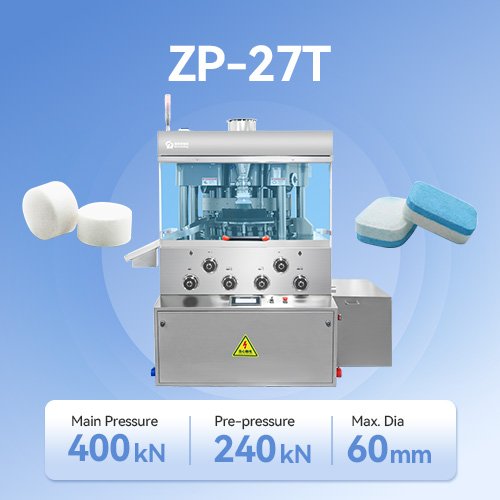
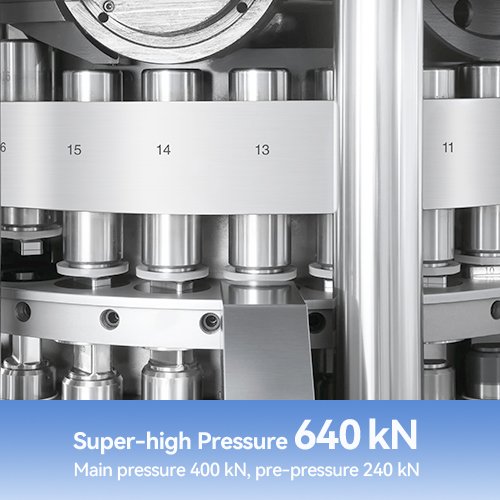
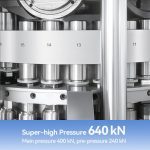
Вот почему специализированные машины, как 400 Ветеринарный таблеточный пресс кН, использовать массивную 400 основное давление кН и 240 кН предварительное давление. Без этой многотоннажности, большие таблетки будут страдать от низкой плотности, плохая структурная целостность, и высокая рыхлость (склонность к разрушению).
2. Инструментальная обработка и разработка пресс-форм: Точность против. Долговечность
Инструменты – пуансоны и штампы – это то, где “физика таблеточного пресса” соответствует материалу.
Металлургия материалов и напряжение
В обычном таблеточном прессе, оснастка часто стандартизирована (B-инструмент или D-инструмент). Хотя и точный, эти пуансоны не подвергаются экстремальным механическим нагрузкам, возникающим при тяжелых условиях эксплуатации.. Широкоформатный таблеточный пресс требует специализированной металлургии.. Удары должны выдерживать 40 тонны давления многократно без усталости или деформации.
Инновации съемных пуансонов
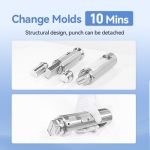
Ключевым отличием современного мощного таблеточного пресса является съемная система пуансонов.. В высокоскоростной таблеточный пресс, пуансон часто представляет собой цельную деталь. Однако, для ветеринарного пресса 60 мм:
Обслуживание: Замена массивного, тяжелый цельный пуансон громоздкий и дорогой.
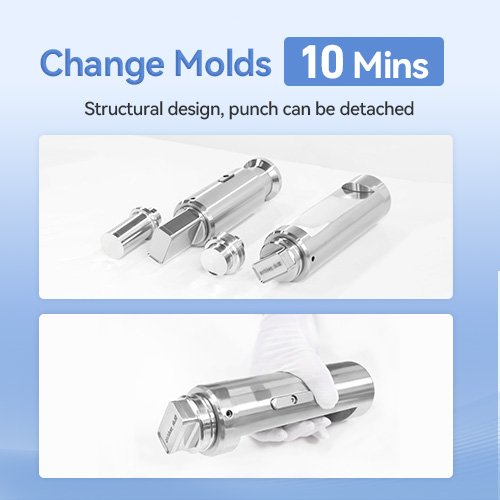
Универсальность: Со съемной головой, производители могут переключаться между различными формами планшетов (овал, круглый, или геометрический) за счет замены только кончиков пуансона, а не всего узла. Это существенно снижает “Общая стоимость владения” (ТШО) для объекта.
3. Принципы работы: Нюансы цикла сжатия
Хотя обе машины для изготовления таблеток следуют “Наполнять, Компресс, Извлечь” цикл, темп и механика этого цикла различаются в зависимости от объема материала.
Деаэрация и предварительное сжатие
Большие объемы порошка задерживают значительное количество воздуха.. Если сжать слишком быстро, этот захваченный воздух вызывает “укупорка” (верхняя часть планшета отламывается).
Автоматический таблеточный пресс использует небольшой валик предварительного сжатия, чтобы слегка постучать порошок..
Таблеточный пресс большого размера требует надежной ступени предварительного давления. (часто до 240 кН). Этот этап “массаж” воздух из порошка перед финалом 400 кН удар, обеспечение прочного, безвоздушное соединение.
Время пребывания
“Время задержки” это время, в течение которого удар остается на максимальной глубине. Большим таблеткам требуется более длительное время выдержки, чтобы частицы могли подвергнуться пластической деформации и эффективно склеиться.. Поэтому, Приводные системы и кулачковые направляющие широкоформатного таблеточного пресса предназначены для облегчения более медленной обработки., более продуманный ход сжатия по сравнению с быстрой скоростью пресса для витаминных таблеток.
Сила выброса: Забытый фактор
Вытолкнуть таблетку диаметром 60 мм из штампа гораздо сложнее, чем вытолкнуть маленькую таблетку.. Трение о стенку штампа огромно.. Таблеточный пресс большого формата оснащен прочными выталкивающими кулачками и усиленными нижними пуансонами, позволяющими выдерживать такие нагрузки без разрушения., распространенная точка отказа при попытке “перегружать работой” машина для сжатия таблеток для работы с большими диаметрами.
4. Сценарии применения: Где каждый сияет
Приложение определяет машину. Покупатели должны посмотреть на свой конечный продукт, чтобы определить подходящий механический путь..
Применение роторного таблеточного пресса
Фармацевтические препараты: Таблетки для облегчения боли, антибиотики, и хроническая помощь.
Нутрицевтики: Мультивитамины и травяные добавки.
Кондитерские изделия: Мятные конфеты и конфеты.
400 Применение таблеточного пресса кН
Ветеринарная медицина: Высокодозированные болюсы для крупного рогатого скота, лошади, и овцы. Эти “ветеринарные мячи” часто приходится выживать в суровых условиях рубца.
Очистка воды: Таблетки хлора или брома для бассейнов и промышленных градирен..
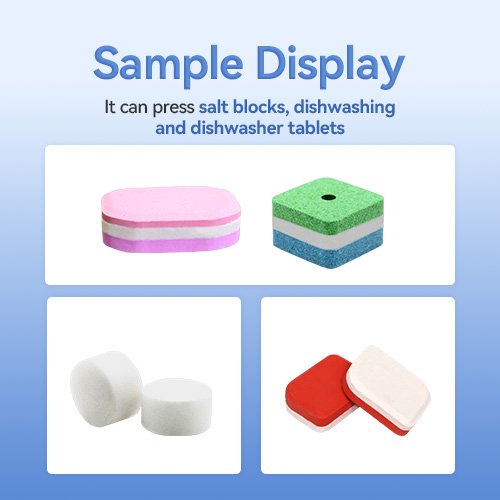
Промышленная химия: Таблетки моющего средства для посудомоечной машины, соляные блоки, и таблетки топливного катализатора.
Металлургия: Прессование металлических порошков в “предварительная форма” шайбы для дальнейшей обработки.
5. Руководство по выбору: Как выбрать подходящую машину
Для специалиста или закупщика фармацевтического завода, процесс отбора должен включать строгую “Спецификация требований пользователя” (УРС) проверять.
5.1. Оцените максимальный диаметр
Если ваш продукт превышает 25 мм в диаметре, вы выходите за пределы стандартных машин. Попытка напечатать таблетку диаметром 40 или 50 мм на стандартном прессе приведет к преждевременному механическому выходу из строя и нестабильному качеству таблетки..
5.2. Учитывайте материал “Сжимаемость”
Некоторые материалы, особенно те, которые используются в ветеринарной медицине или промышленных химикатах, являются “упрямый.” Им требуется чистая сила, чтобы сблизиться. В этих случаях, даже если планшет среднего размера, а 400 Давление в кН мощной машины для изготовления таблеток обеспечивает запас прочности, который гарантирует, что производство никогда не остановится из-за плохого склеивания..
5.3. Перенастройка и гибкость
Выпускает ли ваша производственная линия один и тот же продукт круглый год?? Если у вас есть производство таблеток различной формы, съемный пуансон, присутствующий в специализированных машинах Ruidapacking, является непреложным требованием.. Это превращает 4-часовую переналадку в 10-минутную задачу..
5.4. Нормативно-правовое регулирование и соблюдение требований (цГМФ)
Независимо от размера, оба таблеточных пресса должны соответствовать требованиям cGMP. (Текущая передовая производственная практика) стандарты. Это значит нержавеющая сталь (СУС304/316) контактные части, предотвращение утечек масла, и конструкция, позволяющая полностью мыть.
6. Заключение: Инжиниринг для будущего производства
Разрыв между автоматическим таблеточным прессом и 400 Таблеточный пресс kN – это не только вопрос размера; это вопрос инженерного замысла.
Ротационный таблеточный пресс оптимизирован по скорости и объему., доставка миллионов малых доз с ритмической точностью.
Двухслойный таблеточный пресс оптимизирован для обеспечения целостности и мощности., освоение сложной физики крупномасштабного сжатия таблеток для производства таблеток, с которыми стандартная таблетировочная машина просто не может справиться.
Для поставщика, предложение обоих концов спектра позволяет найти по-настоящему индивидуальное решение. Независимо от того, строите ли вы стандартную линию розлива фармацевтических препаратов или мощное предприятие по производству ветеринарных болюсов., машина — основа вашего качества. Выбрав таблеточный пресс, соответствующий необходимому давлению., потребности в инструментах, и сценарий применения, производители гарантируют, что каждый планшет — будь то 6 мм или 60 мм — является свидетельством профессионального совершенства..