導入
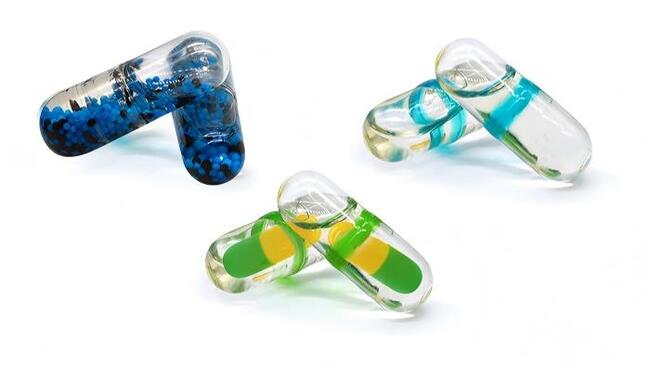
私たちが服用するほとんどのカプセルには乾燥粉末または顆粒が含まれています. しかし, 一部の医薬品には液体カプセルが使用されています, 有効成分がハードカプセルシェル内の液体製剤に溶解または懸濁されている場合. このタイプの液体カプセルを薬局や健康製品で見たことがあるかもしれません。.
なぜ製薬会社が従来の粉末カプセルではなく液体カプセルを選択するのか疑問に思ったことはありますか? 違いは配合設計に関係します, 患者の経験, 製造工程, そして生産コスト. この記事では、医薬品の液体カプセルと粉末カプセルについて説明します。, 忍耐強い, ものづくりの視点, それらのメリットも含めて, 違い, とアプリケーション.
1.液体カプセルとは?
液体カプセルは、医薬品の有効成分が入った剤形の一種です。 (API) 液体製剤としてハードカプセルシェルに充填されています. 専門用語は液体ハードカプセルです (LFHC), 外殻は依然としてゼラチンまたは植物ベースの材料で作られた2ピースのハードカプセルであるため、.
粉末カプセルとは異なります, 乾燥粉末または顆粒を含むもの, 液体カプセルには、非水液体担体に溶解または均一に懸濁された有効成分が含まれています。. これらの担体には油が含まれる場合があります, 脂質, または特定の製剤ニーズに合わせて設計された医薬品界面活性剤.
製造コンセプトは小型の密閉液体容器に例えられます。. カプセルシェルが液体製剤を保護します, 一方、内部担体は投与前の有効成分の分布を維持するのに役立ちます。.
生産中, 液体製剤は空のカプセル本体に正確に投与されます. カプセルのキャップと本体は密封され、漏れを防ぎ、取り扱いや保管中に内容物を保護します。.
液体は粉末とは異なる挙動をするため、, 液体カプセルの製造には充填量の正確な制御が必要です, 粘度, 温度, およびシール条件. あ 液体カプセル専用充填機 精密ポンプと制御された充填システムを使用して、医薬品生産における投与量の一貫性を維持します.
2.製薬の視点: 配合ロジックと製造技術
このセクションでは、1 つの重要な質問に答えます: 製造工程が複雑になっても製薬会社はなぜ液体カプセルを選ぶのか?
その理由は、従来の粉末カプセルは製剤開発中にいくつかの技術的障壁に直面しているためです。. 特定の薬物化合物について, 粉末充填では溶解性や吸収性の問題は解決できません.
2.1 難水溶性薬物の吸収障壁を解決する
新しい概念の説明 — BCS 分類 (バイオ医薬品分類システム):
バイオ医薬品分類システム (BCS) 薬物の溶解性と透過性を評価するために国際的に使用されている標準です. BCS クラス II およびクラス IV 薬物は、水溶性が極めて低い化合物を指します。.
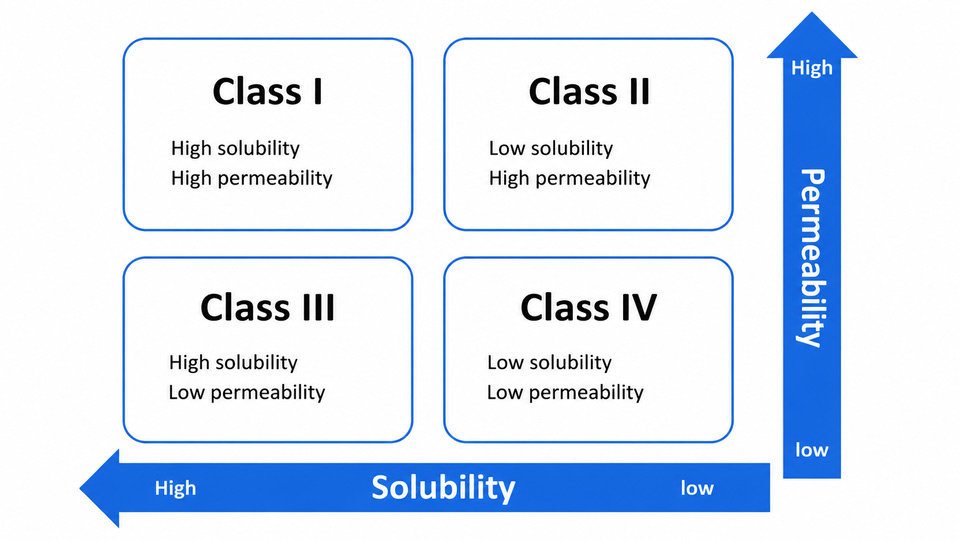
BCS 分類: 4 つの薬物クラス
粉末製剤の課題:
これらの化合物は、水の中に入れられた砂粒子のように動作します。. 底に沈殿し、効果的に溶解しません. 患者が粉末カプセルを服用した後, 胃液はこれらの薬物粒子を簡単には溶解できません.
有効成分は固体粒子の形で残り、腸膜を効果的に通過できません。. 大量の薬物が吸収されずに体外に排出される可能性がある.
バイオアベイラビリティとは、投与された薬物量が血流に入り、治療効果を生み出す割合を指します。. 一部の難溶性薬剤の場合, バイオアベイラビリティは以下のように低い可能性があります 20% に 30%.
液体カプセルがこの問題をどのように解決するか:
液体カプセル製造時, エンジニアはまず、これらの難水溶性薬物分子を溶解するか、特別に選択された液体担体に均一に分散させます。.
これらの担体には、中鎖トリグリセリドなどの食用油が含まれる場合があります。 (MCTオイル) または界面活性剤. 界面活性剤は、液体製剤内の油溶性分子を取り囲んで安定させることができる物質です。.
この段階では, 薬物は投与前にすでに分子レベルの分散状態に調製されている. 従来の粉末製剤との比較, 液体カプセルにより、薬物は吸収を制限する胃溶解ステップを回避できます。.
薬物分子は脂質担体と一緒に吸収されます. 適切な配合について, バイオアベイラビリティは次のように増加する可能性があります 80% に 90%.
2.2 すべてのカプセルに一貫した薬物含有量を確保
粉末ベースの製剤の課題:
製薬会社が液体カプセル製剤を開発するもう 1 つの理由は、医薬品製造中の内容均一性の問題を解決することです。.
この課題は、有効成分レベルが極めて低い高効力薬の場合により深刻になります。. 例えば, メーカーは混合のみを必要とする場合があります 1 API のグラム 999 一貫した粉末製剤を製造するための賦形剤のグラム数.
粉末混合物中で均一な分布を達成することは困難です. このプロセスは、小麦粉の入った容器にインクを 1 滴混ぜるのと似ています。. すべての小さな部分に正確に同量の有効成分が含まれていることを確認するのは困難です.
保管中および輸送中, 粉末混合物も分離する可能性があります. 重い粒子は下に移動する可能性があります, 一方、軽い粒子は上に移動する可能性があります. この粒子の分離により、同じ製造バッチ内のカプセル間に差異が生じる可能性があります。.
粉末充填カプセルの場合, これらの変動は投与量の一貫性に影響を与える可能性があります. 一部のカプセルにはより多くの有効成分が含まれている場合があります, 他のものには目標量よりも少ない量が含まれている可能性があります.
液体カプセルがこの問題をどのように解決するか:
液体カプセルの配合原理が異なります. 液体カプセル製造において, 有効成分は液体キャリア内に溶解または均一に分散できます。.
このプロセスはインクを水に混ぜるのと似ています. 溶液が均一に調製されたら, 液体の各部分には、一定の濃度の有効成分が含まれています。.
充填中, 液体カプセル充填機は、精密投与システムを使用して、制御された量の液体製剤を各カプセルシェルに移送します。. 各カプセルには計量された液体量が入っているため、, メーカーは生産バッチ全体を通じてより一貫した薬物含有量を維持できる.
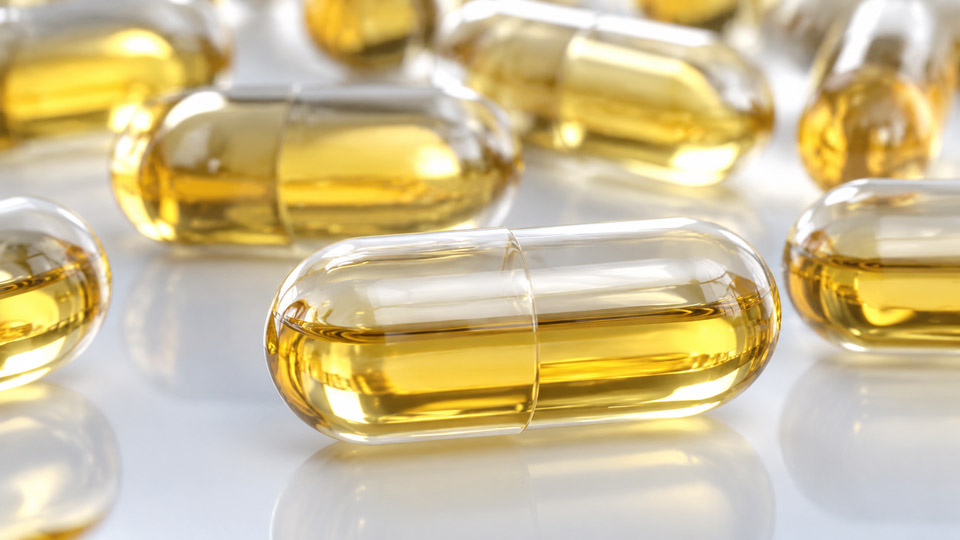
より高い精度と安定性を備えた液体カプセル充填
2.3 保護バリアによる敏感な薬物分子の保護
粉末充填カプセルと従来の錠剤製剤における課題:
一部の医薬品有効成分 (API) 湿気に非常に敏感です, 酸素, そして気温の変化. これらの敏感な薬物分子は、不適切な環境条件にさらされると劣化する可能性があります。.
特定の熱に弱い薬物も融点が非常に低いものがあります。. 気温が少し上がると, これらの薬物化合物は柔らかくなる可能性があります, 溶ける, または身体構造の変化を経験する.
従来の粉末充填カプセルの製造時, 薬物粒子は乾燥粉末状態で存在し、非常に大きな表面積が空気にさらされています。.
粉末粒子の表面積が大きいため、水分や酸素との直接接触が増加します。, 安定性の低い薬物化合物が水を吸収しやすくなる, 劣化させる, または酸化変色する.
伝統的な中で 錠剤の製造, 圧縮プロセスにより別のリスクが生じる.
タブレット圧縮中, 粉体間の機械的圧力と摩擦, パンチ, と工具は瞬間的に熱を発生します.
熱に弱い薬剤の場合, この一時的な温度上昇により、パンチ表面に粉末が付着する可能性があります。, タブレットの固着として知られています.
結晶構造の変化を引き起こす可能性もあります, 薬物の安定性に影響を及ぼし、医薬品有効成分の期待される性能を低下させる可能性があります。.
液体カプセルが敏感な薬物分子を保護する仕組み:
液体カプセルは、大容量の疎水性液体キャリア内で薬剤化合物を取り囲むことにより保護環境を提供します。.
液体カプセル製造時, 有効医薬品成分は油ベースの液体製剤内に溶解または分散されています。.
疎水性キャリアは隔離バリアのように機能します, 敏感な薬物分子と外部の水分または酸素との直接接触を減らす.
粉末入りカプセルとの比較, この液体カプセル製剤アプローチは、環境暴露に敏感な不安定な化合物を保護するのに役立ちます.
液体カプセル技術のもう 1 つの重要な利点は、穏やかな充填プロセスです。.
専用の液体カプセル充填機により、常温・低圧条件下で液体カプセルの充填工程を完了.
タブレットの圧縮とは異なります, 液体カプセルの充填には強い機械力や高圧圧縮は必要ありません。.
これにより、摩擦によって発生する熱が回避され、カプセル製造中に熱に弱い薬剤の分子構造を維持するのに役立ちます。.
製薬メーカー向け, 保護液配合と制御液体カプセル製造技術の組み合わせにより、開発に適したソリューションが提供されます。 経口剤形 敏感な薬物分子を含む.
2.4 リンパ経路を使用して初回通過代謝を低減する
粉末ベースの製剤の課題:
従来の粉末充填カプセルの場合, 一部の脂溶性薬物化合物は、投与後の通常の胃腸吸収経路に依存する必要があります。.
吸収後, the blood carrying the drug does not immediately circulate throughout the body. その代わり, it first passes through the liver for metabolic processing. The liver works like a biological “inspection and detoxification station,” where enzymes identify and break down many substances before they enter the main bloodstream.
During this stage, a portion of the active ingredient may be metabolized before reaching systemic circulation.
For some lipid-soluble drugs, this process can reduce bioavailability. Manufacturers may need to increase the dosage to achieve the required therapeutic effect, which can increase drug exposure and formulation difficulty.
液体カプセルがこの問題をどのように解決するか:
The formulation principle of a liquid capsule can provide an alternative absorption approach for suitable lipid-soluble compounds.
液体カプセル製造時, engineers can dissolve or disperse drug molecules inside selected lipid-based carriers. When specific long-chain oils are used as carriers, the drug can be incorporated into structures called chylomicrons.
These chylomicrons act as transport particles inside the body. After intestinal absorption, they can enter the lymphatic system instead of directly entering the portal vein.
This lymphatic pathway works like an alternative transport route. It allows certain drug molecules to enter systemic circulation while reducing direct exposure to liver metabolism during the first absorption stage.
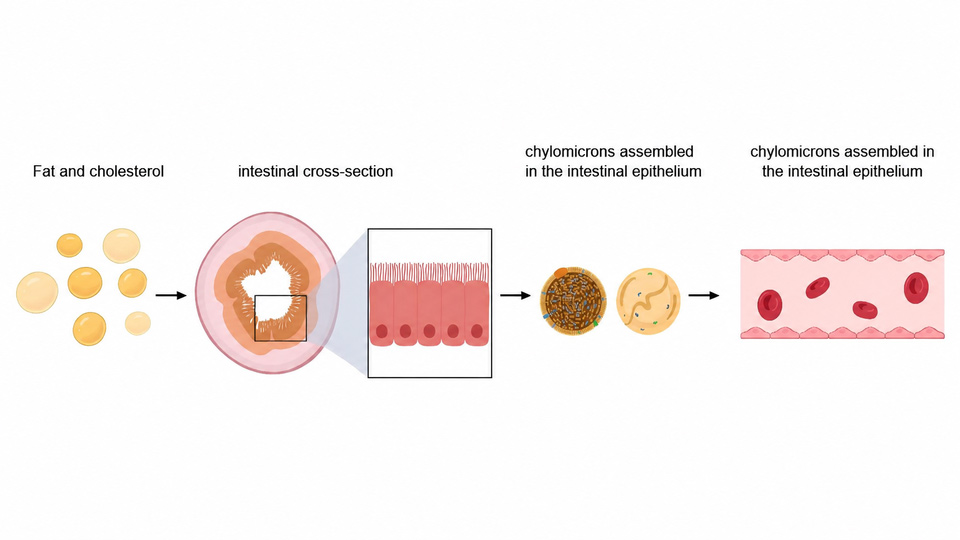
One pathway for efficient intestinal lymphatic transport: the chylomicron pathway
3.Patient Perspective: Clinical Applications and Physiological Benefits
This section answers a question many patients have: after swallowing this capsule, what differences can be expected compared with traditional capsules?
The difference between a liquid capsule and powder-filled capsules is not only the material inside the shell. The internal formulation changes how the drug moves through the body, how patients experience swallowing, and how the active ingredient is delivered.
The benefits of liquid capsules come from the combination of liquid formulation design and controlled drug delivery. Compared with traditional solid oral dosage forms, a liquid capsule provides another option for patients who have difficulties with swallowing, digestion, or drug absorption.
3.1 Reducing Bitter Taste and Drug Reflux Sensation
Challenges of Powder-Filled Capsules:
Some patients experience an unpleasant bitter taste after taking traditional powder-filled capsules. After the capsule shell dissolves in the stomach, the dry powder formulation can quickly disperse in gastric fluid.
If reflux occurs during digestion, small amounts of dissolved drug material may move upward with stomach contents. This can create a strong medicinal taste and discomfort for patients.
Some active ingredients have naturally bitter flavors or strong odors. For these compounds, controlling taste exposure becomes an important consideration during oral capsule formulation development.
How Liquid Capsules Address This Problem:
A liquid capsule seals the active ingredient inside a liquid carrier. The drug substance is dissolved or uniformly dispersed before administration.
粉末入りカプセルとの比較, this liquid formulation reduces direct contact between bitter drug particles and the mouth environment.
This is one of the practical benefits of liquid capsules in selected pharmaceutical applications. The difference between liquid capsule vs powder-filled capsules is not only the filling material but also how the formulation controls patient experience.
For manufacturers using a capsule filling machine, liquid filling requires additional control of viscosity, シール条件, and material compatibility compared with dry powder filling processes.
3.2 Reducing Local Stomach Irritation Through Drug Dilution
New Concept Explanation — Local Concentration Gradient:
The local concentration gradient refers to the amount of drug molecules present in a specific area of the stomach lining.
A higher local drug concentration may create stronger chemical stimulation on sensitive tissues. Controlling this concentration is an important factor in developing certain oral dosage forms.
Challenges of Powder-Filled Capsules:
After powder capsules dissolve in the stomach, the dry powder can form concentrated areas before being fully dispersed.
For some drugs, these temporary high-concentration areas may directly contact the stomach lining. Patients with sensitive gastrointestinal conditions may experience discomfort caused by local irritation.
This situation is similar to placing a concentrated substance on a small area instead of distributing it evenly across a larger surface.
How Liquid Capsules Address This Problem:
A liquid capsule disperses the active ingredient in advance within a large-volume lipid carrier before administration.
This liquid formulation allows the drug substance to enter the stomach in a more evenly distributed state instead of forming concentrated powder clusters.
After entering the stomach, the oil-based liquid spreads across the surface of the stomach contents like a thin protective layer. This layer helps distribute the drug more evenly and reduces the drug concentration per unit area.
Compared with traditional powder-filled capsules, this process reduces sudden exposure to high local drug concentrations on the stomach lining.
For patients who need long-term use of stomach-irritating medicines, such as aspirin or ibuprofen, this lipid layer may act as a gentle physical buffer between the drug and the stomach environment.
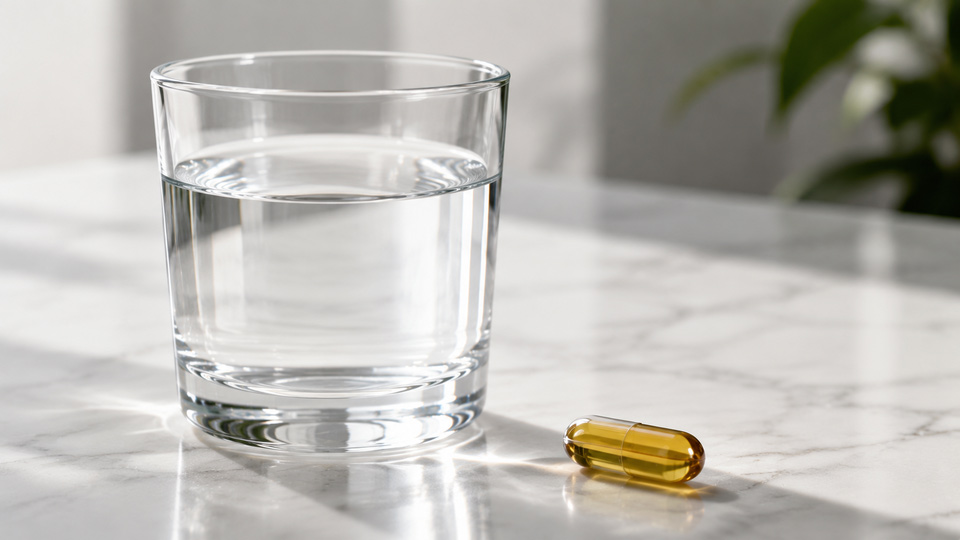
Liquid Capsules Help Reduce Stomach Irritation
3.3 Reducing Dependence on Weak Stomach Motility
New Concept Explanation — Stomach Motility:
Stomach motility refers to the ability of stomach muscles to contract, mix contents, and move material toward the intestine during digestion.
Challenges of Powder-Filled Capsules:
Traditional powder-filled capsules contain solid drug particles that require dispersion after the capsule shell dissolves in the stomach.
The stomach uses muscular contractions to mix gastric fluid with the solid contents and release the active ingredient from the formulation.
For patients with reduced stomach motility, such as some elderly people or individuals with diabetic gastroparesis, solid dosage forms may stay in the stomach longer before fully dispersing.
This delayed breakdown may slow the release process and increase discomfort caused by bloating, nausea, or a feeling of fullness.
How Liquid Capsules Address This Problem:
A liquid capsule contains the active ingredient inside a prepared liquid formulation before administration.
After the capsule shell dissolves, the liquid content can directly mix with stomach contents without requiring the same mechanical breakdown process as powder-filled capsules.
Because the drug is already dissolved or uniformly dispersed in the liquid carrier, the digestive system does not need to break down dry particles before the formulation begins to distribute.
This is one of the practical benefits of liquid capsules for patients who may have reduced digestive motility or difficulty processing solid oral dosage forms.
3.4 Drug Absorption Without Heavy Dependence on Digestive Enzymes
New Concept Explanation — Pancreatic Lipase and Bile Acids:
Pancreatic lipase and bile acids are digestive substances responsible for emulsifying and breaking down fats in the human body.
They help convert lipid materials and fat-soluble drug compounds into small absorbable structures. Without enough lipase or bile acids, some lipid-based ingredients cannot be properly processed before absorption.
The Limitation of Traditional Fat-Soluble Powder Formulations:
For some fat-soluble drugs in powder-filled capsules, the active ingredient must first dissolve, disperse, and form small absorbable structures such as micelles.
When patients have reduced pancreatic function or bile flow problems, these processes may not work effectively. Fat-soluble drug particles may remain in a form that the intestine cannot easily absorb.
The active ingredient may pass through the digestive tract without reaching the bloodstream at the expected level.
How Liquid Capsules Address This Problem:
A liquid capsule uses a prepared liquid formulation where the active ingredient is dissolved or dispersed in a suitable lipid carrier.
For certain liquid capsule formulations, medium-chain triglycerides (MCT) can be selected as the carrier oil. MCT contains medium-chain fatty acids with a different chemical structure from long-chain fats.
This type of lipid-based formulation has less dependence on pancreatic lipase and bile acids during absorption.
The MCT carrier can be absorbed through the intestinal wall and transported into the body through blood circulation and lymphatic pathways.
3.5 Reducing the Influence of Meal Timing and Food Composition
Challenges of Traditional Fat-Soluble Powder Formulations:
Many fat-soluble drugs need to be taken with food because dietary fat helps support drug absorption.
従来の粉末充填カプセルの場合, the amount of fat in a patient’s meal can affect how much of the active ingredient enters the bloodstream.
If a patient takes the medication with a low-fat breakfast, such as toast or cereal, there may be limited dietary fat available to support the absorption process.
しかし, taking the same medication after a high-fat meal, such as fried food or a meal containing heavy cream-based ingredients, may create a different absorption condition.
This fluctuation in drug concentration can become a concern for patients who require stable management of conditions such as diabetes or hypertension.
How Liquid Capsules Address This Problem:
A liquid capsule contains the active ingredient together with a precisely measured oil-based carrier inside the capsule.
Instead of relying on the amount of fat from each individual meal, the liquid formulation already provides a controlled lipid environment for the drug.
This works like a standardized liquid meal that delivers a fixed amount of oil together with the active ingredient.
Whether the patient takes the liquid capsule with food or on an empty stomach, the built-in lipid carrier reduces the influence of unpredictable dietary fat intake.
This type of lipid-based formulation provides a more controlled environment for certain fat-soluble compounds compared with traditional powder-filled capsules.
4. How Are Powder-Filled Capsules and Liquid Hard Capsules Manufactured Differently?
After understanding the benefits of liquid capsules for drug formulation and patient applications, it is necessary to answer a fundamental manufacturing question: How are powder-filled capsules and liquid hard capsules produced in pharmaceutical factories?
The difference between liquid capsules vs powder-filled capsules is not simply the type of material filled inside the capsule. It involves completely different dosing principles, equipment structures, and production processes.
Understanding these differences helps explain the technical requirements and cost structure behind liquid capsule manufacturing.
4.1 Powder-Filled Capsule Production: Dosage Control Through Volume Measurement
The core principle of traditional powder-filled capsule production is volumetric dosing.
During the powder capsule filling process, の カプセル充填機 uses a dosing disc with multiple cavities. The dosing disc rotates inside the powder bed, allowing powder material to naturally enter the cavities through gravity.
A scraper removes excess powder from the surface of the dosing disc. それから, the filling punch pushes the compressed powder column from the cavity into the capsule body.
During this capsule filling process, the filling weight of each capsule depends on two factors:
- The fixed volume of the dosing cavity;
- The bulk density of the powder material.
Although the cavity volume remains unchanged, powder bulk density can vary due to batch differences, environmental humidity, and static electricity.
したがって, the filling accuracy of traditional powder-filled capsules is usually controlled within approximately ±3% to ±5%.
The main processes of a powder capsule production line include:
- Empty capsule orientation and alignment;
- Capsule body and cap separation;
- Powder material filling;
- カプセルロック;
- Finished capsule inspection and output.
This is a dry filling process. It does not involve liquid handling or capsule sealing.
Because powder materials do not leak through the capsule joint under normal conditions, mechanical locking between the capsule cap and body is usually sufficient.
4.2Liquid Hard Capsule Production: Dosage Control Through Active Liquid Metering and Additional Sealing
The production process of liquid hard capsules is completely different.
Unlike powder materials, liquids cannot be filled into a dosing cavity and leveled by scraping.
したがって, liquid capsule manufacturing requires an active dosing system.
A dedicated liquid capsule filling machine uses a high-precision dosing pump, usually a ceramic plunger pump, to accurately draw liquid formulation and inject it into each capsule body.
The ceramic dosing pump is driven by a servo motor.
By precisely controlling the movement distance of the piston, the system controls the filling volume of each capsule.
This active liquid dosing technology allows liquid capsule filling accuracy to reach approximately ±1% to ±2% under stable production conditions.
A liquid capsule production line includes the basic processes used in powder capsule manufacturing:
- カプセルの向き;
- カプセルの分離;
- Liquid filling;
- カプセルロック;
- 欠陥のあるカプセルの拒絶;
- Finished product output.
しかし, liquid capsule production equipment requires two additional processes that are not needed in traditional powder filling:
カプセルの封止
Liquid-filled capsules require a dedicated sealing process.
A special sealing solution is applied to the joint between the capsule cap and capsule body.
After controlled heating and curing, the sealing material forms a dense sealing layer around the capsule connection.
Because liquid formulations can leak through microscopic gaps between the capsule cap and body, mechanical locking alone cannot provide sufficient protection.
The sealing process is therefore a critical part of liquid hard capsule manufacturing.
Anti-Dripping System With Liquid Back-Suction Function
During liquid filling, a small amount of liquid formulation may remain on the tip of the filling needle after injection.
Without proper control, the residual liquid can drip onto the capsule surface or equipment platform, causing contamination and material loss.
この問題を解決するには, advanced liquid capsule filling machines use a back-suction mechanism.
After filling is completed, the servo-driven dosing pump moves slightly in reverse.
This reverse movement creates a suction effect that pulls the remaining liquid back into the filling pipeline and prevents dripping.
4.3Direct Comparison Between Powder-Filled Capsules and Liquid Hard Capsules
| 比較 | Powder-Filled Capsules | Liquid Hard Capsules |
| Dosing Method | Volumetric dosing through dosing disc cavities | Active dosing through precision metering pump |
| 充填精度 | ±3% to ±5% | ±1% to ±2% |
| カプセルの封止 | Not required, mechanical locking is sufficient | Required, sealing solution closes the capsule joint |
| Anti-Dripping System | Not applicable | Required to prevent residual liquid contamination |
| 物質の形 | Dry powder or granules | Oil-based liquid, 解決, サスペンション, または半固形製剤 |
| Production Environment Risk | Powder dust generation and potential cross-contamination risk | Closed liquid transfer with significantly lower powder exposure risk |
Due to these differences, liquid hard capsule manufacturing cannot simply use traditional powder capsule equipment.
It requires a dedicated liquid capsule filling production line with specialized components, 含む:
- High-precision ceramic dosing pumps;
- Servo drive systems;
- Temperature-controlled capsule sealing systems;
- Anti-dripping back-suction mechanisms.
Leading capsule filling machine manufacturers, including Ruida Packing, ボッシュ, がある, and Capsugel, have developed specialized liquid capsule filling solutions based on these manufacturing requirements.
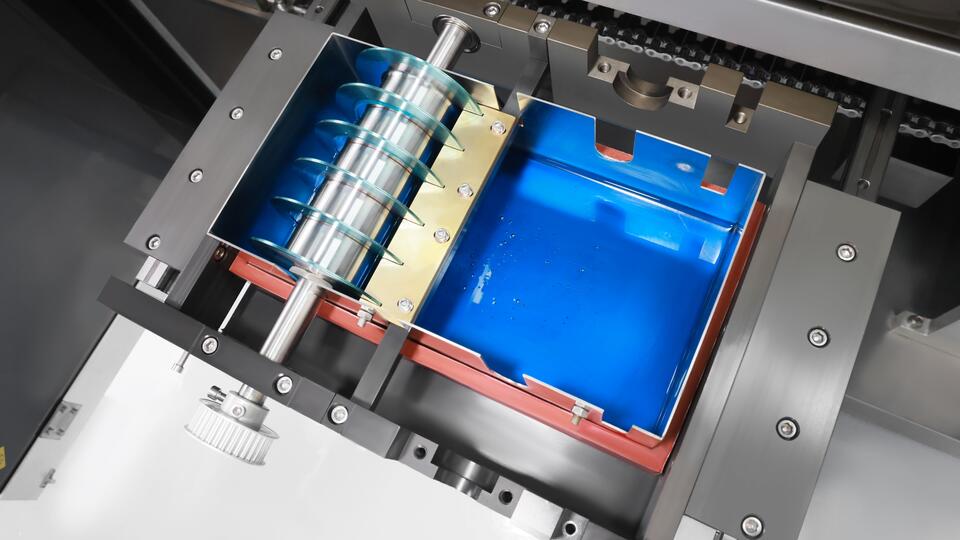
Ruida packing temperature-controlled sealing system
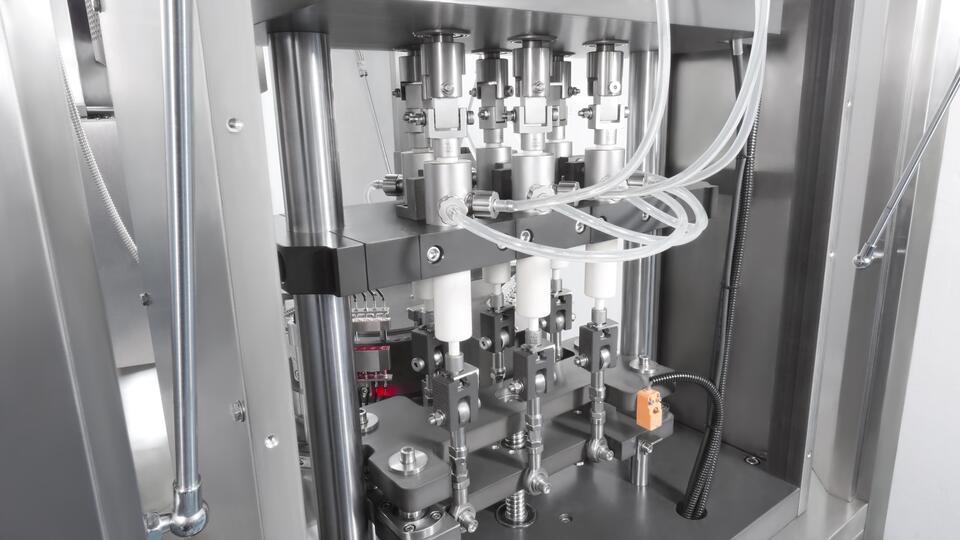
Ruida Packing High-Precision Ceramic Pump
結論は
Liquid-filled capsules are not simply a packaging upgrade. They are based on precision industrial manufacturing, with the goal of improving patient tolerance and drug absorption efficiency. Through this approach, liquid capsule manufacturing creates a dosage form platform that combines stronger drug delivery performance, fewer formulation-related side effects, and improved administration experience.
For patients or families who are recommended this dosage form by healthcare professionals due to gastrointestinal discomfort, swallowing difficulties, or insufficient response to traditional dosage forms, the physiological benefits of this formulation approach have a clear underlying rationale.
よくある質問
1.What are liquid capsules?
Liquid capsules are oral dosage forms that contain a liquid formulation inside a hard capsule shell instead of dry powder or granules.
液体カプセル製造時, the active pharmaceutical ingredient (API) is dissolved or dispersed in a selected liquid carrier, such as lipid-based carriers or MCT oil, before being filled into the capsule shell.
2.What is the difference between liquid capsules and powder-filled capsules?
The main difference between liquid capsules vs powder-filled capsules is the physical form of the drug formulation inside the capsule.
Powder-filled capsules contain dry powder or granules, while liquid capsules contain a pre-dissolved or dispersed liquid formulation. This difference affects drug dissolution behavior, formulation stability, and production processes.
3.Why are some drugs developed as liquid capsules?
Some active pharmaceutical ingredients have poor water solubility, unstable properties, or require precise low-dose delivery.
A liquid capsule allows pharmaceutical developers to dissolve or disperse these drug compounds in a liquid carrier before administration. This approach helps address formulation challenges related to poorly soluble drugs and drug absorption.
4.Why do liquid capsules cost more than powder-filled capsules?
The production cost of liquid capsules can be higher because the process requires additional formulation materials, sealing procedures, and specialized equipment.
A dedicated liquid capsule filling machine requires precise dosing systems, sealing functions, and leakage prevention mechanisms to maintain filling accuracy and product quality during liquid capsule manufacturing.
5.What equipment is used for liquid capsule manufacturing?
Industrial liquid capsule manufacturing requires a dedicated liquid capsule filling machine designed for liquid dosing and capsule sealing.
Compared with traditional powder filling, liquid filling requires additional control of liquid viscosity, 充填量, シール条件, and material compatibility to ensure consistent production performance.
参考文献
1. FDA — Guidance for Industry: ANDAs for Certain Highly Soluble Drug Products
私たち. 食品医薬品局 (FDA)
https://www.fda.gov/
2. FDA — Guidance Documents for Drug Development and Manufacturing
私たち. 食品医薬品局 (FDA)
https://www.fda.gov/drugs/guidance-compliance-regulatory-information
3. I Q8(R2): 医薬品開発
国際調和評議会 (私)
https://www.ich.org/page/quality-guidelines
4. ICH Q9: Quality Risk Management
国際調和評議会 (私)
https://www.ich.org/page/quality-guidelines
5.Oral Drug Delivery via Intestinal Lymphatic Transport Utilizing Lipid-Based Lyotropic Liquid Crystals – PMC