Permintaan global akan blok garam industri mendorong inovasi dalam teknologi mesin press tablet — dan mesin press tablet ZP-27T yang baru dikembangkan oleh Ruidapacking adalah jawaban yang disesuaikan dengan pasar yang berkembang pesat ini. Menurut Penelitian Grand View, pasar garam industri global dinilai secara kasar $10 miliar masuk 2023, dengan proyeksi tingkat pertumbuhan tahunan gabungan sebesar 3,5%–4,5%. 2024 Dan 2030.
Sebagai penggunaan dalam pengolahan air, penghilangan lapisan es dan proses industri lainnya semakin cepat, pembeli memesan lebih banyak mesin press tablet garam. Namun alat pengepres tablet konvensional sering kali menghasilkan balok garam rapuh yang retak atau hancur saat dikeluarkan. ZP-27T dirancang dari awal untuk mengatasi kelemahan tersebut — menghasilkan kekerasan, konsistensi dan efisiensi operasional sesuai permintaan pengguna akhir.
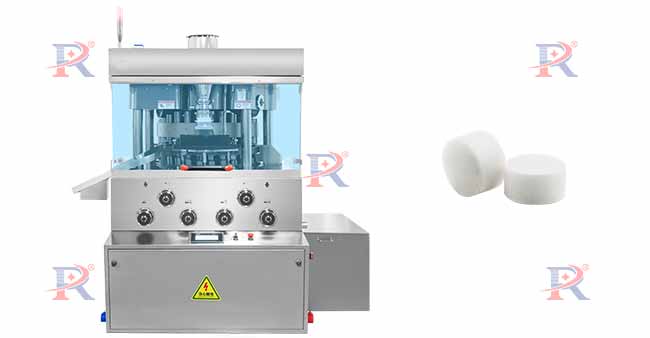
Mengapa Salt Block Menantang Tablet Press
Garam, berdasarkan sifatnya, rapuh dan seringkali lebih rentan patah dibandingkan banyak tablet farmasi atau nutraceutical. Ketika balok garam yang dipadatkan meninggalkan cetakan, obligasi internalnya masih stabil; pada menit pertama setelah ejeksi, guncangan motivasi atau tekanan yang tidak mencukupi sering kali menyebabkan kerusakan. Banyak mesin press tablet putar otomatis standar di pasaran tidak pernah dirancang untuk karakteristik material ini: maks. tekanan utama 100 buku, yang baik untuk tablet biasa tetapi tidak cukup untuk blok garam skala industri. Dalam produksi di dunia nyata, keterbatasan ini berarti hilangnya produk, tingkat limbah yang lebih tinggi, dan interupsi ketika operator jalur mengejar pecahan dan membersihkan peralatan.
Keunggulan Inti Mesin Kompres Tablet ZP-27T
Menyadari tantangan-tantangan ini, our engineering team focused on three differentiators that together enable the ZP-27T to produce market-standard tablet garam reliably: tekanan yang lebih besar, sistem pemberian makan paksa yang presisi, dan pukulan yang dapat dilepas dengan cepat.
1. Tekanan Lebih Besar
Tekanan utama 400 kN dengan tekanan awal sebesar 200 buku. Sebagai perbandingan, banyak tablet otomatis yang dijual di pasaran 100 buku. Peningkatan dramatis dalam tekanan utama memastikan bahwa ikatan antar-partikel dalam blok garam mencapai kekuatan yang jauh lebih besar pada saat ejeksi – jendela kritis di mana sebagian besar kerusakan terjadi.. Pra-kompresi yang lebih tinggi menstabilkan lapisan bubuk sebelum pemadatan akhir, sedangkan kompresi utama yang kuat memberikan kepadatan dan integritas mekanis yang memadai sehingga balok tahan terhadap penanganan dan pengangkutan ke hilir.
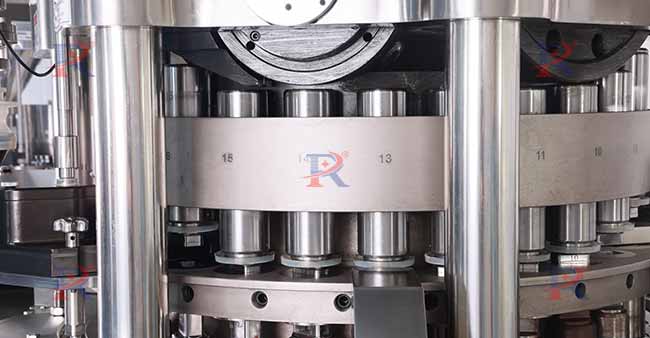
Kami juga membahas faktor mekanis sekunder namun penting: geometri ejeksi. Blok garam sangat rentan terhadap kerusakan pada titik di mana blok tersebut meninggalkan cetakan. Untuk alasan itu, kami merancang sudut pelepasan yang lebih dangkal pada ZP-27T dan mengintegrasikan antarmuka konveyor langsung. Pengurangan kemiringan meminimalkan guncangan saat lontaran, dan konveyor segera memindahkan blok yang sudah jadi ke hilir mesin pembungkus aliran dan mesin pengepakan kantong premade untuk pengemasan cepat. Diambil bersama-sama, desain tekanan dan pelepasan sangat mengurangi fragmentasi di menit-menit pertama dan menjaga jalur produksi tetap berjalan.
2. Pemberian Makan Paksa yang Berorientasi Penuh untuk Konsistensi
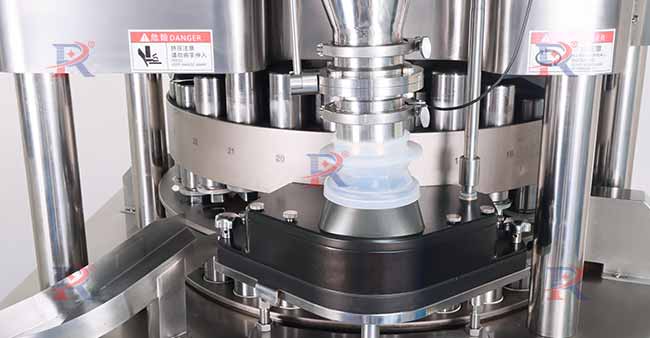
Kedalaman pengisian yang seragam pada setiap cetakan sangat penting untuk menghasilkan ukuran dan kepadatan tablet yang konsisten. Untuk menghilangkan masalah pengisian kurang yang menyebabkan sudut lemah atau bobot bervariasi, ZP-27T menggunakan sistem pemaksaan impeler tiga tahap. Rotor “tiga lapis” ini memastikan bahwa setiap kantong bagian tengah menerima sedikit pengisian berlebih; pengikis presisi kemudian memotong material berlebih dan mengembalikannya ke pengumpan untuk digunakan kembali. Hasilnya ada dua: setiap cetakan mendapat massa bahan mentah yang sama, dan limbah diminimalkan karena kelebihan bubuk dapat dipulihkan secara efisien dan bukan menjadi debu di lantai yang harus dibersihkan secara manual.
3. Pukulan yang Dapat Dilepas yang Mempercepat Perubahan Cetakan dan Mengurangi Waktu Henti
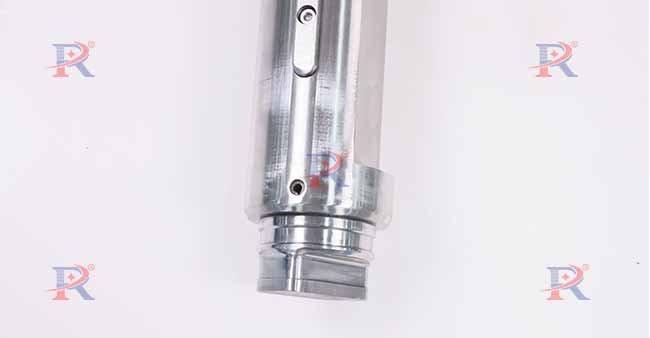
Blok garam industri tersedia dalam berbagai ukuran dan bentuk tergantung pada aplikasi dan preferensi pelanggan. Perkakas tradisional untuk balok garam berukuran besar bisa jadi sangat berat, dan menukar pukulan atas dan bawah untuk penghentian yang lama. ZP-27T mengatasi hal ini dengan desain inovatif yang dapat dilepas: meskipun sepasang pukulan memiliki berat yang kira-kira 20 kg, bagian depan dirancang agar dapat dilepas dengan cepat dan aman. Pergantian cetakan yang dulunya memakan waktu lama kini dapat diselesaikan dalam hitungan menit, bukan jam. Desain ini secara dramatis mengurangi waktu produksi yang hilang selama perlengkapan ulang, meningkatkan keselamatan operator dengan meminimalkan pengangkatan manual, dan menjadikan ZP-27T pilihan praktis untuk fasilitas yang harus sering beralih antar format produk.
Kinerja Lapangan dan Respon Pelanggan
Karena pilihan desain didorong oleh masalah produksi yang sebenarnya, ZP-27T telah menarik perhatian pembeli domestik dan internasional. Pengguna awal melaporkan penurunan tingkat penolakan yang signifikan, meningkatkan efisiensi pengemasan hilir, dan waktu penggantian cetakan yang lebih cepat sehingga manajer pabrik dapat beradaptasi dengan perubahan pesanan tanpa waktu henti yang berkepanjangan. Keuntungan operasional ini menghasilkan laba atas investasi yang jelas: potongan yang lebih rendah, biaya tenaga kerja yang lebih rendah terkait dengan pembersihan dan pengerjaan ulang, dan kapasitas efektif yang lebih tinggi pada satu lini produksi.
Undangan ke PharmTech & Pameran Bahan
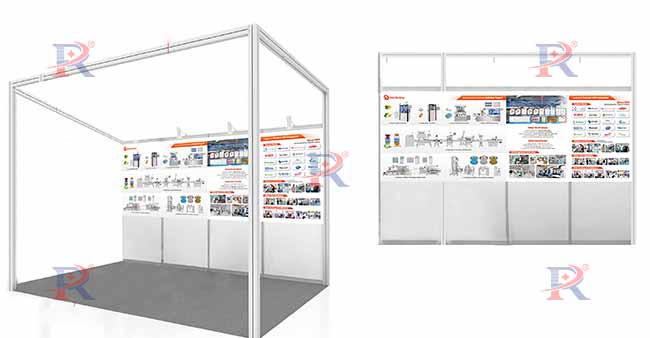
Ruidapacking akan memamerkan ZP-27T mendatang Teknologi Farmasi & Pameran Bahan di Moskow. Kami akan mengadakan pameran pada tanggal 25-28 November, 2025 di Pameran Crocus, Paviliun 2 Aula 7, Stan B7121. Calon pelanggan dan pelanggan lama diundang dengan hangat untuk mengunjungi stand kami, lihat mesin press tablet garam dari dekat, dan berbicara dengan teknisi kami tentang bagaimana ZP-27T dapat dikonfigurasi untuk memenuhi kebutuhan produksi blok garam tertentu. Demonstrasi langsung dan konsultasi teknis akan tersedia sepanjang pertunjukan.
Untuk pertanyaan atau menjadwalkan pertemuan di acara, silakan hubungi Ruidapacking melalui saluran resmi kami. Kami berharap dapat bermitra dengan pelanggan baru dan lama saat kami membantu industri mengubah permintaan pasar yang meningkat menjadi hasil produksi yang dapat diandalkan.