در چشم انداز تولید صنعتی - داروسازی فراگیر, فرآوری مواد غذایی, و مهندسی شیمی “مخلوط کردن” مرحله اغلب مهم ترین عامل تعیین کننده کیفیت محصول نهایی است. چه در حال تولید کپسول باشید, قرص ها, پودرهای پروتئین طعم دار, یا معرف های شیمیایی با خلوص بالا, همگنی ترکیب شما همه چیز را از دقت دوز گرفته تا پایداری ماندگاری دیکته می کند.
در میان فن آوری های مختلف موجود برای ترکیب مواد جامد, ماشین اختلاط V (میکسر V-Blender یا V-Type Mixer) به عنوان یک قطعه اساسی از تجهیزات متمایز است. به دلیل سادگی آن مورد علاقه است, بهره وری, و برخورد ملایم با مواد, این یک عنصر اصلی در امکاناتی است که انطباق با cGMP و یکپارچگی مواد را در اولویت قرار می دهد.
در این راهنمای جامع, ما آناتومی را بررسی خواهیم کرد, فیزیک, مزایا, و کاربردهای صنعتی V Mixing Machine, به شما بینش های مورد نیاز برای تعیین اینکه آیا این فناوری برای خط تولید شما مناسب است یا خیر، ارائه می دهد.
1. ماشین مخلوط کن V چیست؟?
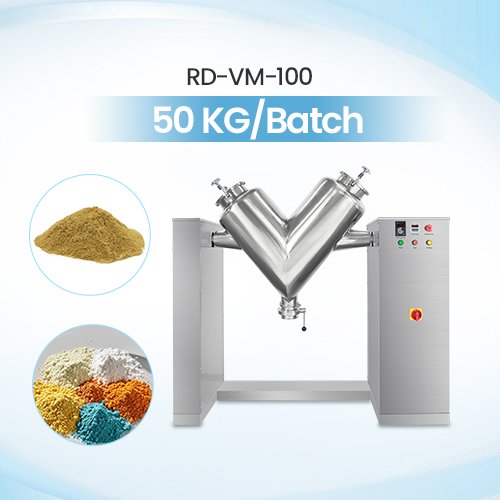
در هسته آن, ماشین مخلوط کن V یک مخلوط کن غلتشی نامتقارن است. نام آن برگرفته از “V” شکل ظرف اختلاط, که توسط دو پوسته استوانه ای توخالی که با زاویه به هم متصل شده اند تشکیل شده است (75درجه و 90 درجه).
بر خلاف میکسرهای با برش بالا که از تیغه های با سرعت بالا برای فشار دادن مواد به یکدیگر استفاده می کنند, V-Mixer به غلت مکانیکی خود کشتی متکی است. این کشتی بر روی یک قاب محکم نصب شده و توسط یک سیستم درایو می چرخد (موتور و گیربکس). همانطور که مخزن V شکل می چرخد, مواد داخل در معرض یک چرخه پیوسته شکافتن و ادغام قرار می گیرند, به طور کامل توسط جاذبه هدایت می شود.
اجزای کلیدی
مخزن V شکل: معمولا از فولاد ضد زنگ SUS304 یا SUS316L با درجه بالا ساخته می شود, برای جلوگیری از تجمع مواد به صورت آینه ای پرداخت می شود.
سیستم درایو: شامل یک موتور سنگین و یک گیربکس کاهش دهنده برای تامین گشتاور لازم برای چرخش بارهای سنگین.
شیر تخلیه: به طور معمول یک پروانه در پایین نقطه قرار دارد “V” برای تخلیه آسان.
نرده های ایمنی: برای محافظت از اپراتورها در برابر کشتی دوار ضروری است.
2. V-Mixer چگونه کار می کند
کارایی V-Mixer تصادفی نیست; این نتیجه عدم تقارن هندسی محاسبه شده است. اصل کار را می توان به سه عمل فیزیکی اصلی تقسیم کرد: انتشار, همرفت, و جابجایی گرانشی.
چرخه تقسیم و ادغام
همانطور که V-تانک می چرخد, مواد از پایین شروع می شود “نقطه” از V. همانطور که کشتی می چرخد 180 درجه, مواد بلند می شود و سپس به دو پایه استوانه ای مجزا می افتد. زمانی که کشتی نیم دور بعدی را کامل کرد, مواد دو پا به هم برمی گردند, ادغام در راس مشترک.
جابجایی گرانشی
زیرا دو پای از “V” معمولاً دارای طول مساوی هستند اما در یک زاویه به هم متصل می شوند, این ماده به طور مداوم مرکز ثقل خود را تغییر می دهد. این مانع می شود “منطقه بندی” یا “طبقه بندی”- مشکلات رایج در مخلوط کن های افقی که ذرات سنگین تر در پایین آن قرار می گیرند. در وی میکسر, ذرات دائماً پرتاب می شوند و می چرخند, اطمینان حاصل شود که حتی مواد تشکیل دهنده (مواد فعال دارویی یا API ها) به طور مساوی در سراسر فلهبری توزیع میشوند.
ترکیب ملایم (برش کم)
بسیار مهم است, هیچ همزن داخلی یا تیغه ای وجود ندارد (مگر اینکه یک نوار تقویت کننده اجباری اضافه شود). این بدان معنی است که اختلاط کم تاثیر است. برای سازندگانی که با گرانول های شکننده کار می کنند یا “شکننده” موادی که ممکن است تحت فشار مکانیکی خرد شوند, V-Mixer فراهم می کند “لمس نرم” که اندازه ذرات و مورفولوژی مواد خام را حفظ می کند.
3. مزایای ماشین مخلوط کن V
چرا غول های دارویی و غذایی جهانی به طور مداوم V-Mixer را نسبت به طرح های دیگر مانند آن انتخاب می کنند 3 میکسر بعدی یا میکسر دو مخروطی? دلایل آن ریشه در کارایی عملیاتی و بهداشت دارد.
همگنی برتر
شکل V به طور گسترده یکی از موثرترین هندسه ها برای دستیابی به ضریب تغییرات بالا در نظر گرفته می شود. (رزومه کم). مخلوط کردن پودرهای خشک و گرانول هایی با چگالی و قطرهای مختلف بهترین نتیجه را به همراه دارد.
حداقل ساییدگی مواد
زیرا دستگاه فاقد قطعات متحرک با سرعت بالا در داخل محفظه است, عملاً هیچ تولید حرارت یا آسیاب مکانیکی وجود ندارد. این برای پودرها یا گرانول های حساس به حرارت که باید برای فرآیندهای پایین دستی مانند قرص یا پر کردن کپسول دست نخورده باقی بمانند حیاتی است..
سهولت در تمیز کردن (زوایای مرده صفر)
در محیط cGMP, “قابلیت شستشو” به همان اندازه مهم است “اختلاط پذیری” سطوح داخلی V-Mixer صاف است, گرد شده, و جلا داده شد. وجود ندارد “گوشه های مرده” جایی که مواد قدیمی می توانند پنهان شوند, که خطر آلودگی متقاطع بین دسته ها را به شدت کاهش می دهد.
تعمیر و نگهداری کم و طول عمر
با قطعات داخلی کمتر و درایو مکانیکی ساده, بسیار کمی وجود دارد که می تواند اشتباه کند. جدای از روغن کاری معمولی بلبرینگ ها و بررسی تسمه های محرک, V-Mixer یک است “اسب کار” که می تواند برای چندین دهه با کمترین مداخله اجرا شود.
4. محدودیت هایی که باید در نظر بگیرید
هیچ ماشینی برای هر سناریویی عالی نیست. برای ارائه یک دید متعادل برای خریداران B2B, ما باید مکان هایی را که V-Mixer ممکن است با چالش هایی روبرو شود برجسته کنیم.
فضای مورد نیاز: زیرا V-tank در یک قوس بزرگ می چرخد, ماشین نیاز به قابل توجهی دارد “منطقه نوسان” و فاصله سقف بالا در مقایسه با میکسرهای افقی ثابت.
مواد منسجم: V-Mixer بر روی “جریان پذیری” از مواد. اگر پودر شما به شدت خیس است, چسبنده, یا منسجم, ممکن است “توده” در پاهای V به جای غلتیدن آزادانه. در چنین مواردی, یک میکسر با **نوار تقویت کننده** داخلی ضروری است.
در حال بارگذاری ارتفاع: در مدل های بزرگتر, پورت های شارژ می توانند از سطح زمین بسیار بلند باشند, اغلب به یک پلت فرم یا یک سیستم تغذیه خلاء برای کمک به اپراتور نیاز دارند.
5. سناریوهای کاربردی
تطبیق پذیری V-Mixer آن را به یک منظره رایج در صنایع مختلف تبدیل می کند. در اینجا نحوه استفاده از آن به طور معمول آمده است:
دارویی & مواد مغذی
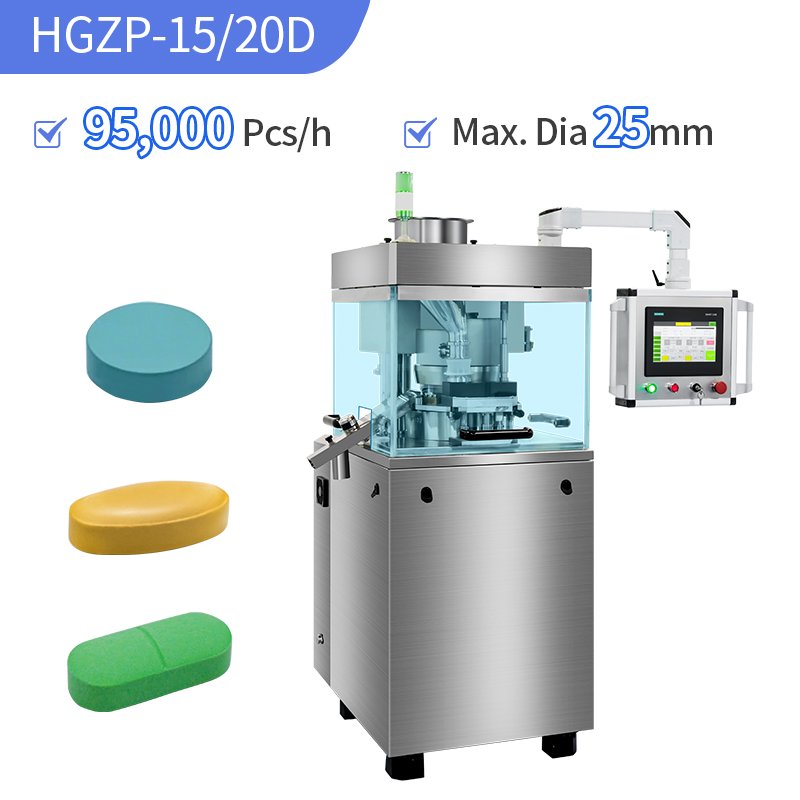
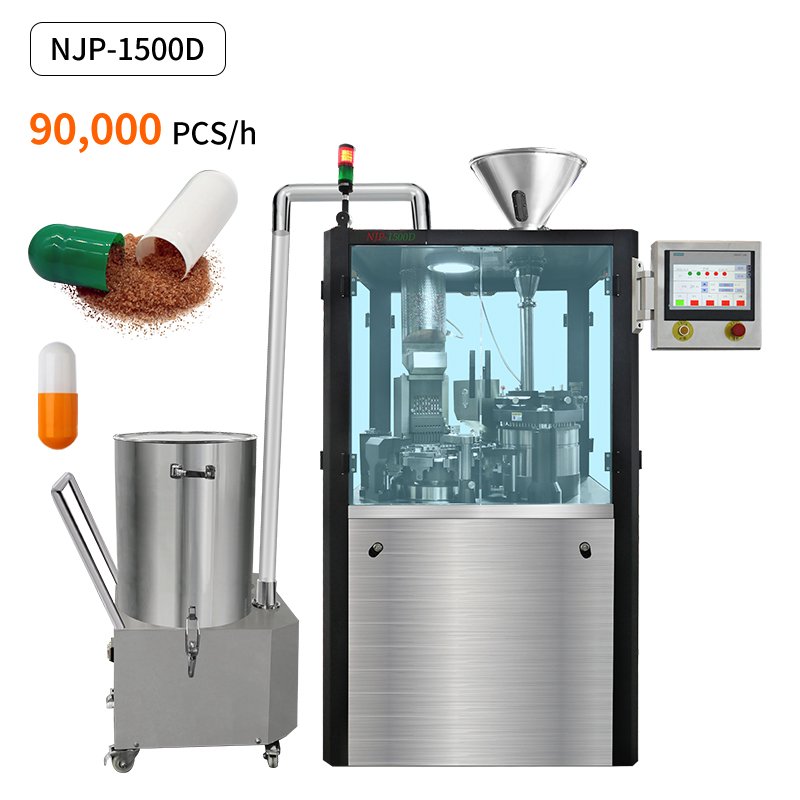
رایج ترین برنامه. برای ترکیب APIها با مواد جانبی استفاده می شود (مانند لاکتوز یا نشاسته) قبل از ارسال آنها به دستگاه پرس تبلت یا دستگاه پر کردن کپسول. این تضمین می کند که هر قرص یا کپسول دقیقاً همان دوز دارو را دارد.
غذا & نوشیدنی
برای مخلوط کردن مخلوط ادویه استفاده می شود, مخلوط نوشیدنی پودری, شیر خشک نوزاد, و مخلوط قهوه. توانایی V-Mixer برای مدیریت اندازه های مختلف ذرات (کریستال های نمک در مقابل. پودر فلفل قرمز خوب) بدون “درجه بندی” آن را برای صنعت ادویه ایده آل می کند.
لوازم آرایشی & مواد شیمیایی
در لوازم آرایشی, از آن برای ترکیب پودرهای صورت استفاده می شود, رنگدانه ها, و سایه چشم. در بخش شیمیایی, همه چیز از پودرهای سرامیکی گرفته تا کودهای تخصصی و گرانول های پلاستیکی را مدیریت می کند.
6. بهینه سازی: بیشترین بهره را از V-Mixer خود ببرید
برای دستیابی به “ترکیب کامل,” اپراتورها باید متغیرهای موثر بر عملکرد را درک کنند.
پر کردن حجم (این 40-60% قانون): یک اشتباه رایج پر کردن بیش از حد مخلوط کن است. برای اینکه عمل غلت زدن کار کند, باید فضای خالی برای افتادن مواد وجود داشته باشد. سطح پر شدن بهینه معمولاً بین است 40% و 60% از حجم کل.
سرعت چرخش: سریعتر همیشه بهتر نیست. اگر چرخش خیلی سریع باشد, نیروی گریز از مرکز مواد را به دیواره های مخزن می چسباند, جلوگیری از غلتیدن آن. اکثر V-Mixerها با یک محاسبه محاسبه شده کار می کنند “سرعت بحرانی” برای به حداکثر رساندن ریزش مواد.
زمان اختلاط: اکثر مخلوط های خشک به یکنواختی در داخل دست می یابند 5 به 15 دقایقی. اختلاط بیش از حد گاهی اوقات می تواند منجر به اختلاط زدایی شود (جداسازی) اگر ذرات وزن بسیار متفاوتی داشته باشند.
7. چگونه V-Mixer مناسب را برای امکانات خود انتخاب کنید
هنگام تهیه یک V-Mixer از تامین کننده ای مانند GEA, اینوکسپا, بسته بندی رویدا, راس, گزینه های سفارشی سازی زیر را در نظر بگیرید:
میله های تقویت کننده: اگر مواد شما تمایل به تشکیل توده های کوچک دارند, می توان یک نوار پر سرعت داخلی برای شکستن این آگلومره ها بدون آسیب رساندن به قسمت عمده مواد اضافه کرد..
شارژ خلاء: برای حفظ محیطی عاری از گرد و غبار (برای داروهای قوی ضروری است), یک سیستم خلاء می تواند “مکیدن” پودر را مستقیماً از درام وارد میکسر کنید.
سیستم اسپری مایع: برخی از V-Mixers را می توان با نازل برای تزریق مقادیر کمی مایع نصب کرد (مانند روغن ها یا طعم دهنده ها) در طول چرخه اختلاط وارد پودر می شود.
درجه مواد: در حالی که SUS304 استاندارد است, SUS316L برای مواد شیمیایی بسیار خورنده یا محصولات غذایی شور توصیه می شود.
نتیجهگیری
ماشین اختلاط V با استفاده از نیروی طبیعی گرانش در یک کشتی نامتقارن, دقت بالایی را ارائه می دهد, کم انرژی, و راه حل بهداشتی برای سخت ترین صنایع جهان.
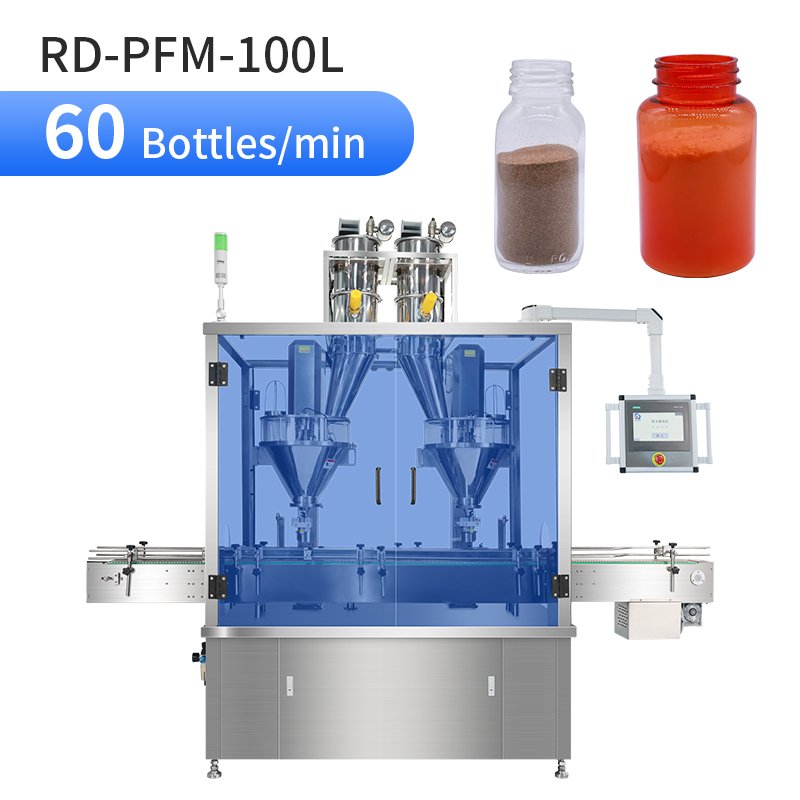
برای تولیدکنندگانی که به سمت خط تولید خودکارتر و سازگارتر حرکت می کنند, V-Mixer چیزی بیش از یک مخزن است - تضمینی برای سازگاری دسته به دسته است. این که آیا به عنوان نقطه شروع برای یک خط پر کردن پودر عمل می کند یا مرحله آماده سازی برای تولید قرص یا کپسول, V-Mixer استاندارد طلایی برای مخلوط کردن جامدات خشک است.
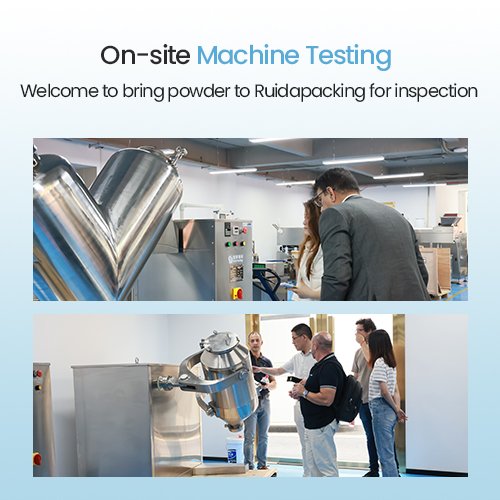
در بسته بندی رویدا, ما در ارائه V-Mixers سفارشی که به طور یکپارچه در جریان کار شما ادغام می شوند، تخصص داریم. با درک ویژگی های جریان منحصر به فرد مواد شما, ما می توانیم به شما در انتخاب تناژ ایده آل کمک کنیم, سرعت, و ویژگی هایی برای اطمینان از اینکه محصول شما با کیفیتی که مشتریان شما انتظار دارند وارد بازار می شود.