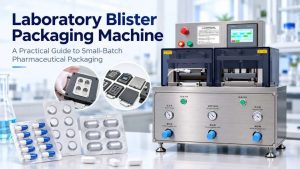
¿Qué es la máquina empacadora de blister?
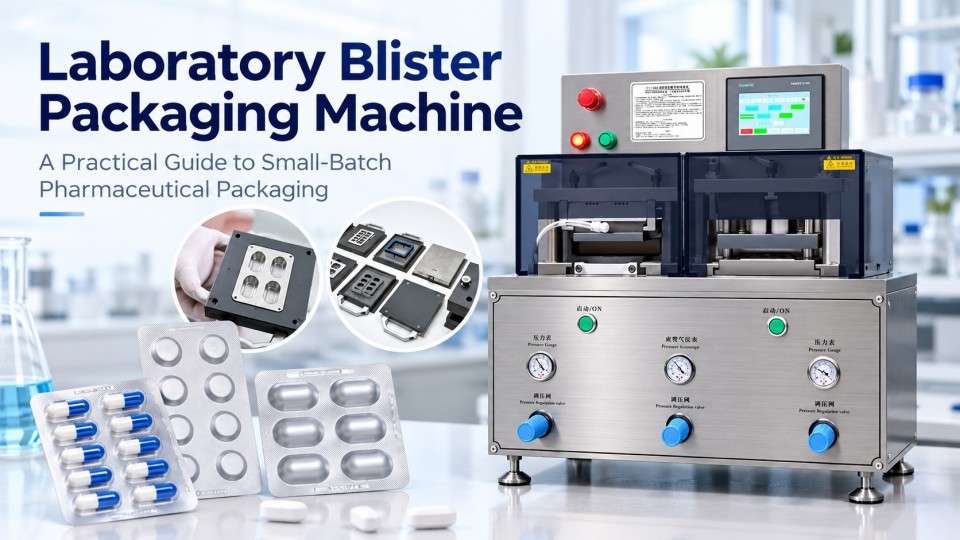
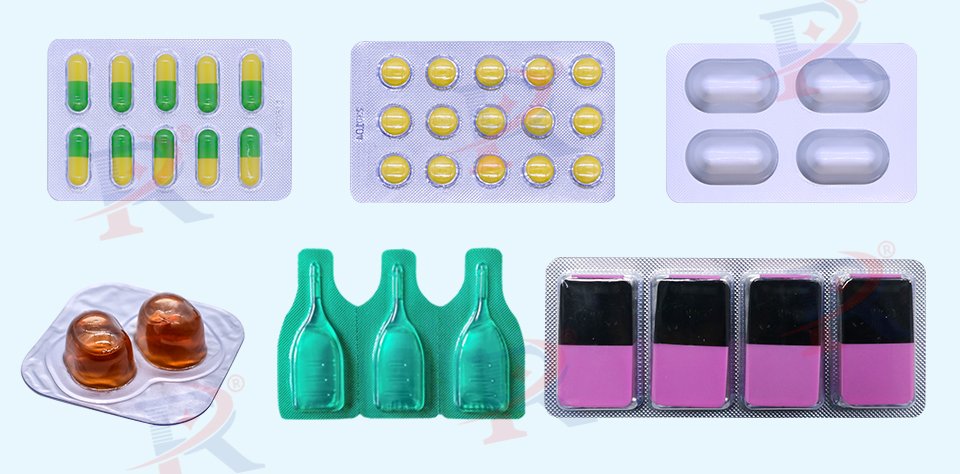
Máquina de embalaje blíster puede empacar medicamentos, miel y salsa de tomate, cigarrillo electrónico, etc.. a ampollas, máximo. El área de moldeo es 270*270mm, El máximo. la salida es 30,000 ampollas/h. Se puede conectar con la máquina prensadora de tabletas., Máquina llenadora de cápsulas y máquina estuchadora para formar una línea de producción automatizada con alta eficiencia de producción..
Tipo de máquina empacadora de blister
Según el grado de automatización se puede dividir en máquina envasadora de blister manual., Máquina envasadora de blister de placa plana, máquina blister de rodillos de alta velocidad , La función principal es cargar los materiales en el aluminio-pvc., Blísteres de alu-alu para el siguiente paso del envasado. La diferencia entre el embalaje de aluminio-pvc y el embalaje de aluminio-alu es: El material de aluminio y PVC es más barato., El embalaje de aluminio se puede proteger de la luz., Basado principalmente en sus necesidades para elegir el método de embalaje correcto..
Máquina empacadora de blister manual
Máquina envasadora de blister manual, necesitas completar manualmente una serie de acciones por ti mismo.
Preparativos preliminares: conectando electricidad, conexión de gas, aluminio pvc, lámina de aluminio
formando: Cuando la temperatura alcance la máquina, ajuste la temperatura de moldeo., presione el botón de moldeo, tirar del pvc de aluminio con la mano, moldeando un retroceso un poco
Alimentador: agregue las tabletas o cápsulas que desea envasar en el blister moldeado.
Sellado térmico: Apila el blister con las tabletas y el papel de aluminio encima y en la parte inferior., presione el botón de termosellado, La máquina sellará automáticamente el blíster con calor..
Corte: Coloque el blister de aluminio-pvc termosellado en la estación de corte., Presione el botón de punzonado y corte., y luego saldrá una ampolla de aluminio-plástico.
Máquina envasadora de blister de placa plana
Con el avance de los tiempos., Aumenta la demanda de medicamentos y productos sanitarios., La máquina blister manual debido a la baja producción ya no puede satisfacer la demanda del mercado, La máquina envasadora de blister de placa plana se ha convertido en la máquina preferida para el envasado.. El siguiente es su principio de funcionamiento.:
Preparación: preparar materias primas, usar película, conectar enfriador, conectar la electricidad, conectar gas, moldura, Temperatura de la estación de trabajo de sellado térmico calentamiento al valor establecido.
Alimentación: Los envases de aluminio y PVC generalmente eligen un alimentador de cepillo., rentable; El embalaje de aluminio elige alimentación con riel guía para evitar que se raye la lámina de aluminio.. Coloque las tabletas o cápsulas en el comedero., abrir el alimentador, Las tabletas se agregarán automáticamente al blister..
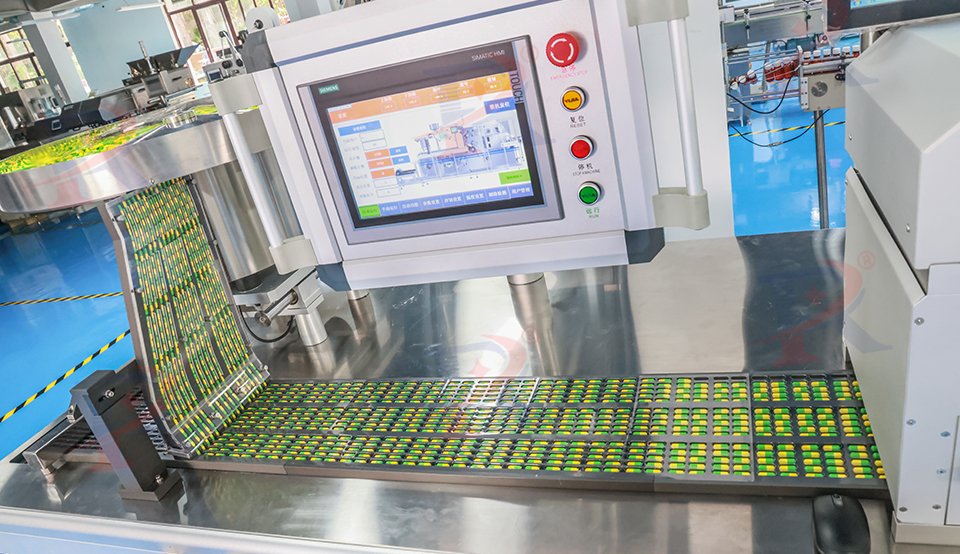
Todos los moldes se pueden personalizar., según el tamaño y la forma del material formando personalizado, termosellado, moldes para punzonar y cortar. Equipado con sistema de control PLC Siemens, producción automatizada, sin intervención manual, solo agregue material cuando no haya material.
La máquina de blister de líquido sirve principalmente para poner el líquido en el blister de aluminio y pvc., según la viscosidad del material para elegir una forma diferente de llenado, bomba de jeringa, bomba peristáltica, bomba de cerámica para su elección, Las otras estaciones son las mismas que la máquina empacadora de blister de PVC y aluminio..
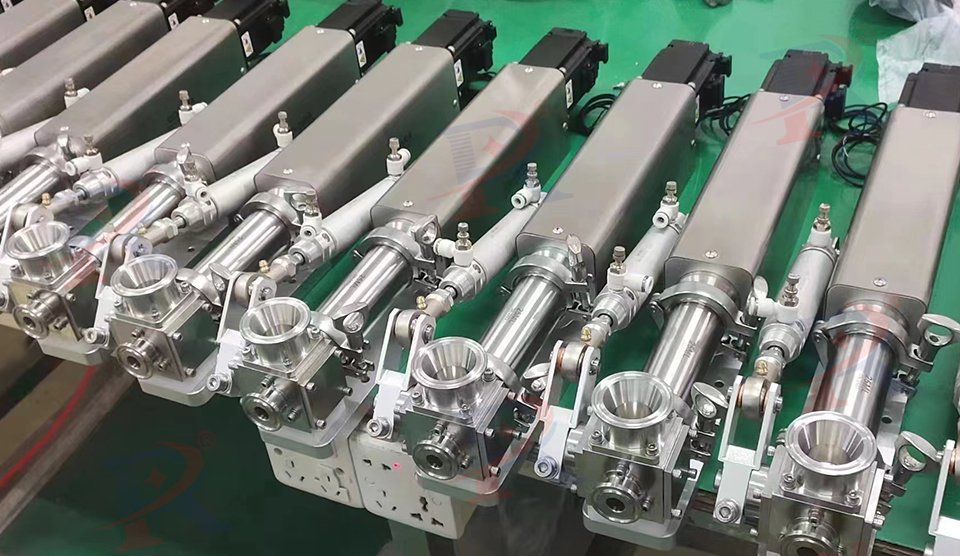
Máquina de ampolla de rodillos
La máquina envasadora de blister con rodillo es un equipo sofisticado diseñado para el envasado eficiente de tabletas., cápsulas, y otros productos médicos pequeños en blisters. El principio de funcionamiento de esta máquina implica varios pasos clave., cada uno de ellos garantiza el embalaje preciso y fiable de los productos farmacéuticos.. A continuación se ofrece un análisis en profundidad de cómo funciona una máquina empacadora de blister con rodillos.:
Alimentación por material: El proceso comienza con la alimentación de materiales de embalaje.. Típicamente, Se utilizan dos tipos de materiales.: una película base (generalmente PVC o papel de aluminio) y un material de tapa (como papel de aluminio). La película base se desenrolla de un carrete y se introduce en la máquina., donde se formarán las cavidades para los productos. El material de la tapa también se desenrolla de una bobina separada y se introduce en la máquina para su posterior sellado..
Calentamiento y conformado: La película base pasa a través de una estación de calentamiento donde se calienta a una temperatura precisa., haciéndolo flexible y listo para formar. La película calentada luego pasa a la estación de formación., donde se presiona contra un rodillo con moldes de cavidad. Se aplican técnicas de formación de vacío y/o presión., haciendo que la película calentada se ajuste a la forma de los moldes, creando bolsas o ampollas donde se colocarán los productos.
Alimentación de productos: Una vez que se forman las ampollas, la máquina mueve la película base a la estación de llenado. Aquí, Los productos farmacéuticos se introducen en las cavidades individuales..
Caza de focas: Después de colocar los productos en las ampollas., la máquina mueve la película llena a la estación de sellado. El material de la tapa se coloca sobre las ampollas llenas., y ambas capas pasan entre rodillos de sellado calentados. Los rodillos aplican calor y presión., unir el material de la tapa a la película base y sellar eficazmente los productos dentro de las ampollas. Esto crea un paquete seguro y a prueba de manipulaciones..
Enfriamiento: Luego, los blisters sellados pasan a través de una estación de enfriamiento.. Este paso asegura que las áreas selladas se enfríen y solidifiquen., manteniendo la integridad de los sellos y evitando cualquier deformación o fuga.
Perforación y Corte: Una vez enfriado, la tira continua de blister se traslada a la estación de perforación y corte. Aquí, la máquina perfora y corta la tira en blisters individuales o en láminas más grandes, dependiendo de la configuración del producto final deseado. Este paso a menudo incluye líneas de perforación para facilitar el desgarro y la separación individual de las ampollas..
Inspección y Eyección: La etapa final consiste en inspeccionar los blisters para realizar el control de calidad.. Los sistemas automatizados verifican la correcta colocación del producto., sellado adecuado, y la integridad general del paquete. Cualquier paquete defectuoso se expulsa automáticamente de la línea de producción.. Los blisters terminados se recogen para su posterior embalaje o distribución directa..
La máquina empacadora de blister con rodillos garantiza alta velocidad, eficiente, y embalaje fiable de productos farmacéuticos. Automatizando el proceso desde la alimentación del material hasta la inspección final., Estas máquinas mejoran significativamente la productividad y mantienen estrictos estándares de calidad., convirtiéndolos en un componente esencial en la fabricación farmacéutica moderna.
Ventajas de la máquina empacadora de blister
Las máquinas envasadoras de blister ofrecen numerosas ventajas, convirtiéndolos en la opción preferida en las industrias farmacéutica y de embalaje.. Estas ventajas abarcan la eficiencia, rentabilidad , y automatización e integración, entre otros beneficios.
Producción de alta velocidad: Las máquinas empacadoras de blister están diseñadas para operar a alta velocidad., permitiendo el envasado rápido de productos farmacéuticos.
Precisión y consistencia: Estas máquinas proporcionan un control preciso sobre el conformado., relleno, y procesos de sellado, lo que resulta en un embalaje consistente y preciso.
Versatilidad: Estas máquinas pueden manejar una amplia gama de materiales de embalaje y tipos de productos.. Son lo suficientemente versátiles como para envasar tabletas., cápsulas, y otros artículos pequeños, acomodar varios tamaños y formas.
Uso eficiente de materiales: Las máquinas envasadoras de blister optimizan el uso de materiales de embalaje, Reducir los residuos y reducir los costes de materiales..
Automatización e Integración: Las modernas máquinas envasadoras de blister se pueden integrar con otros equipos en la línea de producción., como máquinas estuchadoras y sistemas de inspección. Esta automatización agiliza el proceso de envasado., Reducir el trabajo manual y aumentar la eficiencia general..
Aplicación de la máquina empacadora de blister
Las máquinas envasadoras de blister son vitales en diversas industrias debido a su versatilidad y eficiencia.. Su principal aplicación se encuentra en el sector farmacéutico., pero también desempeñan papeles cruciales en otros campos.
Industria farmacéutica
Tabletas y Cápsulas: Garantizar dosis precisas y protegerlas de la humedad y la contaminación..
Ampollas y viales: Proporcionar un paquete seguro y a prueba de manipulaciones.
Industria nutracéutica
Los productos nutracéuticos, como suplementos dietéticos y vitaminas, también se envasan habitualmente utilizando máquinas envasadoras de blister de rodillos.. Las máquinas proporcionan una solución de embalaje fiable y visualmente atractiva que mejora la presentación del producto y la confianza del consumidor..
Dispositivos médicos
Pequeños dispositivos y componentes médicos., como jeringas, agujas, y tiras diagnósticas, se envasan utilizando estas máquinas. El embalaje garantiza esterilidad y facilidad de manipulación al tiempo que proporciona una barrera protectora contra factores ambientales..
Cosméticos y cuidado personal
Las máquinas empacadoras de blister con rodillos se utilizan en la industria cosmética para envasar artículos como productos para el cuidado de la piel., pequeños envases de cosméticos, y aplicaciones de un solo uso. El empaque ayuda a mantener la frescura del producto y brinda comodidad, formatos monodosis.
Alimentación y Confitería
En la industria alimentaria, Las máquinas empacadoras de blister de rodillos se utilizan para envasar pequeños artículos de confitería., goma de mascar, y otros productos comestibles. El embalaje garantiza la seguridad del producto y prolonga la vida útil al tiempo que ofrece atractivas opciones de presentación..
Las declaraciones anteriores reflejan mi comprensión limitada de la máquina empacadora de blister.. Si tiene diferentes perspectivas o ideas, bienvenido a contactar ingeniero de embalaje ruida.