Ανάμεσα στα πιο επίμονα και απογοητευτικά ζητήματα που μπορούν να σταματήσουν μια γραμμή παραγωγής είναι το πρόβλημα της κόλλησης της ακίδας σε μια αυτόματη μηχανή πλήρωσης καψουλών. Αυτό το φαινόμενο είναι ότι η σκόνη προσκολλάται στον μεταλλικό πείρο σφράγισης του σταθμού πλήρωσης, οδηγεί σε ελλιπή γεμίσματα, ανακρίβειες δοσολογίας, εμπλοκές μηχανής, και εν τέλει, μολυσμένες παρτίδες.
Η κατανόηση και η αποφυγή του κολλήματος είναι ζωτικής σημασίας για κάθε επαγγελματία που θέλει να σφίξει μια πολύ αξιόπιστη μηχανή πλήρωσης καψουλών. Αυτό το άρθρο θα εμβαθύνει στις βασικές αιτίες αυτού του κοινού προβλήματος και θα εξηγήσει πώς να παρέχετε μια καλύτερη λύση.
1. Γιατί η πούδρα κολλάει στην καρφίτσα?
Η κολλητική καρφίτσα σπάνια προκαλείται από έναν μόνο παράγοντα. Αντί, είναι συχνά μια τέλεια καταιγίδα ιδιοτήτων πρώτων υλών, συνθήκες μηχανής, και περιβαλλοντικοί παράγοντες.
1.1. Χαρακτηριστικά Σκόνης
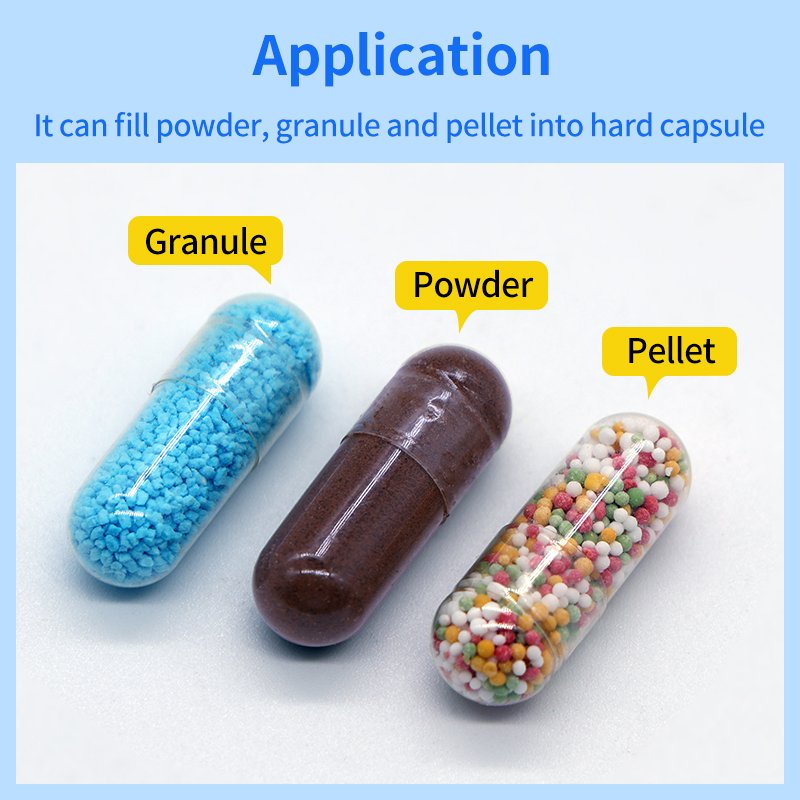
Η σύνθεση της πούδρας σας είναι ο κύριος ένοχος. Τα βασικά χαρακτηριστικά που συμβάλλουν στην προσκόλληση περιλαμβάνουν:
Περιεκτικότητα σε υγρασία: Υγροσκοπικές σκόνες (αυτά που προσελκύουν και συγκρατούν την υγρασία από το περιβάλλον) μπορεί να γίνει κολλώδες, δημιουργώντας έναν ισχυρό δεσμό με τις επιφάνειες των μεταλλικών πείρων συμπίεσης.
Μέγεθος και σχήμα σωματιδίων: Πρόστιμο, οι συνεκτικές σκόνες με ακανόνιστο σχήμα έχουν μεγαλύτερη επιφάνεια και τείνουν να συμπλέκονται, καθιστώντας τα πιο επιρρεπή στην πρόσφυση παρά στην ελεύθερη ροή, σφαιρικά σωματίδια.
Σύνθεση: Συνθέσεις με υψηλές συγκεντρώσεις λιπαρών, ελαιογραφίες, ή ορισμένα κολλώδη API (Δραστικά Φαρμακευτικά Συστατικά) μπορεί φυσικά να λειτουργήσει ως συγκολλητικά.
1.2. Υλικό κεφαλής καρφίτσας και φινίρισμα
Οι ίδιοι οι πείροι συμπίεσης παίζουν κρίσιμο ρόλο. Μια τραχιά ή κακώς φινιρισμένη επιφάνεια πείρου συμπίεσης παρέχει περισσότερο μικροσκοπικό “άγκυρες” για να πιάσει η σκόνη. Επί πλέον, Ο τύπος του μετάλλου και η επιφανειακή επεξεργασία του επηρεάζουν άμεσα τις αντικολλητικές του ιδιότητες.
1.3. Θερμοκρασία και υγρασία εργαστηρίου
Ο έλεγχος της θερμοκρασίας και της υγρασίας είναι ο πιο παραγνωρισμένος παράγοντας. Η υψηλή υγρασία μπορεί να υγράνει τη σκόνη, ενώ η υψηλή θερμοκρασία περιβάλλοντος μπορεί να μαλακώσει ορισμένα έκδοχα ή API, αυξάνοντας την κολλητότητά τους. Μια διακύμανση μόλις μερικών βαθμών ή ποσοστιαίων μονάδων στη σχετική υγρασία μπορεί να είναι η διαφορά μεταξύ μιας ομαλής λειτουργίας και των συνεχών στάσεων.
2. Μια ολοκληρωμένη προσέγγιση για την πρόληψη κολλήματος καρφίτσας
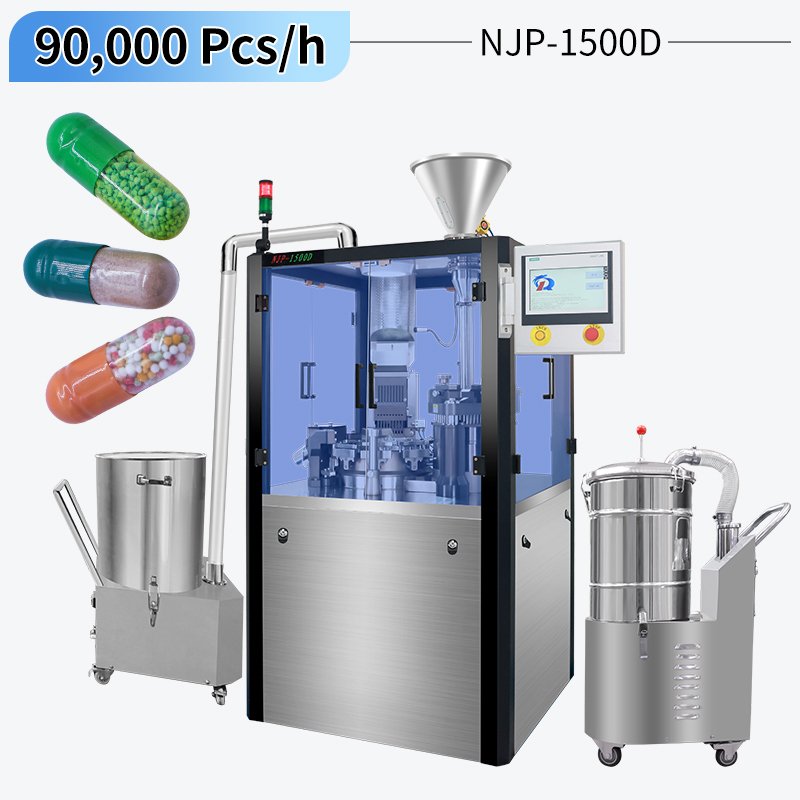
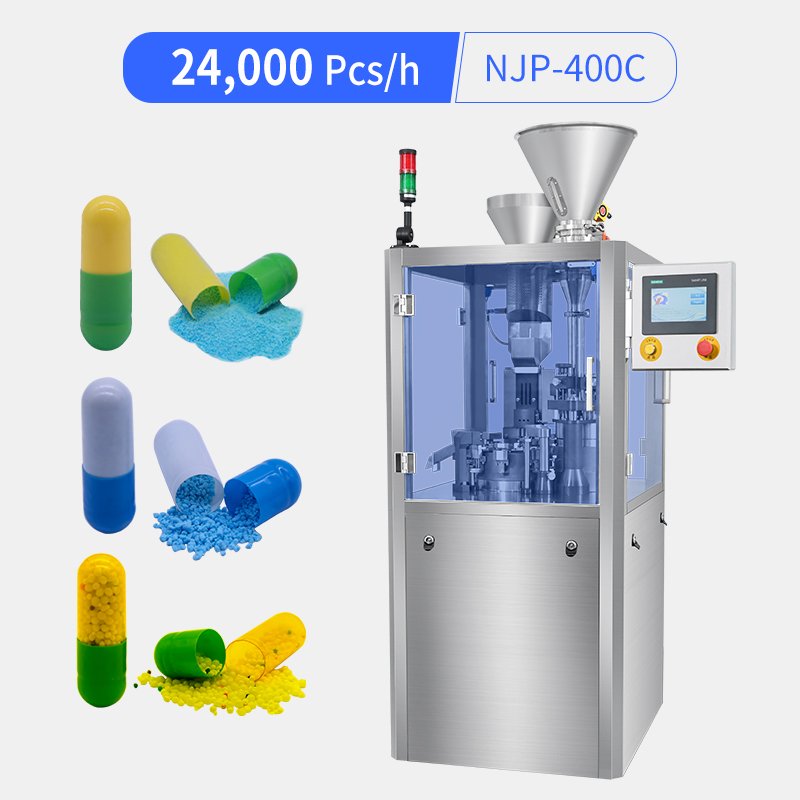
Η αυτόματη μηχανή πλήρωσης καψουλών Ruidapacking NJP-1500D δεν έχει σχεδιαστεί απλώς ως πλήρωση καψουλών υψηλής ταχύτητας, αλλά ως ολοκληρωμένη λύση για τους πονοκεφάλους της παραγωγής. Δείτε πώς αντιμετωπίζει κάθε αιτία κολλήματος κατά μέτωπο.
2.1. Μηχανική Ακρίβειας για Διαφορετικό Χειρισμό Σκόνης
Το NJP-1500D έχει σχεδιαστεί με γνώμονα την ευελιξία. Το σύστημα μέτρησής του είναι προσεκτικά βαθμονομημένο για να χειρίζεται ένα ευρύ φάσμα συνεκτικών σκονών.
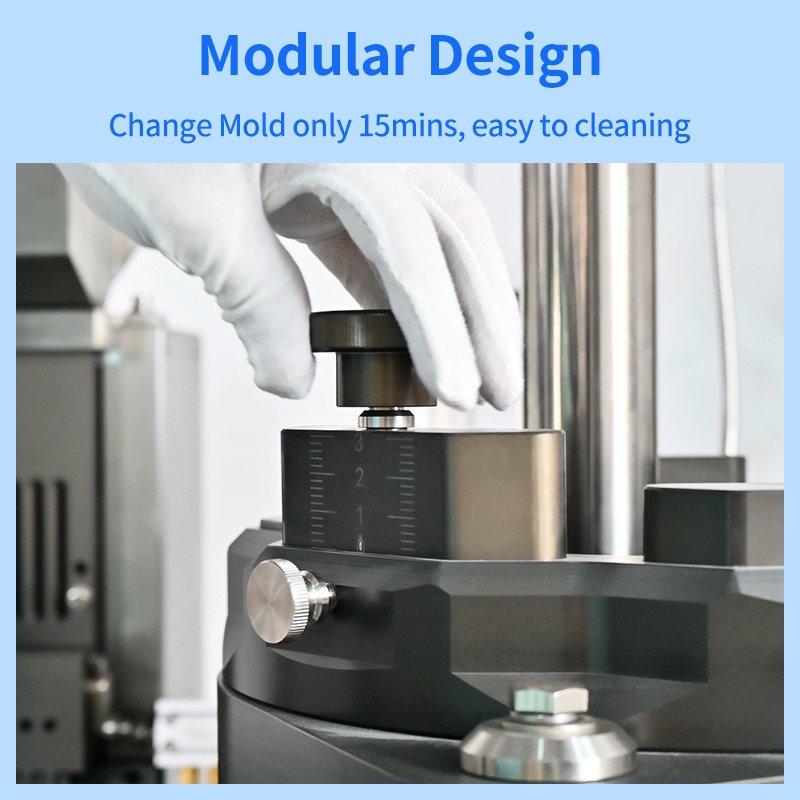
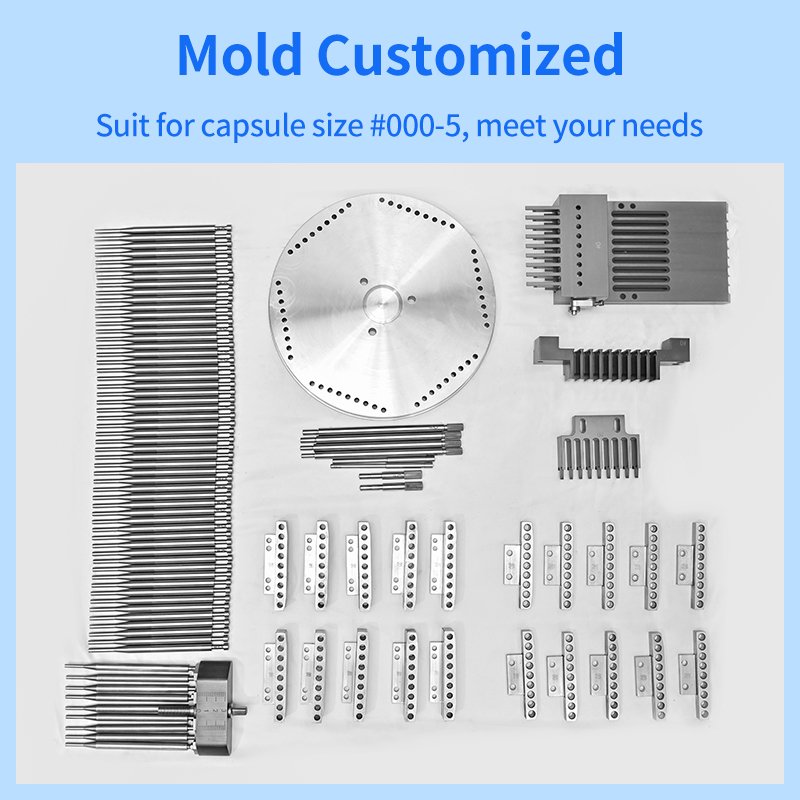
Βελτιστοποιημένοι Δίσκοι Δοσολογίας: Το μηχάνημα διαθέτει επεξεργασμένους δίσκους δοσομέτρησης και καρφίτσες συμπίεσης που εξασφαλίζουν σταθερή συμπίεση σκόνης χωρίς υπερβολική συσκευασία, που μπορεί να επιδεινώσει το κόλλημα.
Αντικολλητικοί Μηχανισμοί: Τα κρίσιμα σημεία επαφής έχουν σχεδιαστεί για να ελαχιστοποιούν τις επίπεδες επιφάνειες όπου μπορεί να συσσωρευτεί σκόνη, προώθηση μιας καθαρής απελευθέρωσης.
2.2. Ανώτερη ποιότητα κεφαλής καρφίτσες σφράγισης και προαιρετικές επιστρώσεις
Πιστεύουμε ότι η λύση ξεκινά με τα εργαλεία. Οι τυπικές ακίδες συμπίεσης που παρέχονται με το NJP-1500D είναι κατασκευασμένοι από υψηλής ποιότητας, ανθεκτικό ανοξείδωτο χάλυβα με εξαιρετικά λεία, γυαλισμένο φινίρισμα για ελαχιστοποίηση της πρόσφυσης.
Προαιρετικές επιστρώσεις: Για εξαιρετικά απαιτητικές συνθέσεις, προσφέρουμε καρφίτσες συμπίεσης με εξειδικευμένες επιστρώσεις όπως το νιτρίδιο του χρωμίου (CrN) ή επιφάνειες εμποτισμένες με τεφλόν. Αυτές οι επικαλύψεις δημιουργούν ένα εξαιρετικά σκληρό, φράγμα χαμηλής τριβής που μειώνει σημαντικά την επιφανειακή ενέργεια, εμποδίζοντας ακόμη και τις πιο κολλώδεις σκόνες να κολλήσουν.
2.3 Το πρατήριο ανεφοδιασμού χρησιμοποιεί πλήρως κλειστό σχέδιο
Ενώ δεν μπορούμε να ελέγξουμε ολόκληρο το περιβάλλον της εγκατάστασης σας, αυτός ο σχεδιασμός ελαχιστοποιεί τον χρόνο έκθεσης της σκόνης στη χοάνη τροφοδοσίας και στο σύστημα παρτίδων, μειώνοντας την έκθεσή του στην υγρασία του περιβάλλοντος πριν τη συσκευασία. Αυτό αποτρέπει τη δευτερογενή μόλυνση των πρώτων υλών και συμμορφώνεται με τα πρότυπα cGMP.
3. Βέλτιστες πρακτικές για χειριστές που χρησιμοποιούν το NJP-1500D
Για να μεγιστοποιήσετε την απόδοση της μηχανής πλήρωσης καψουλών NJP-1500D, συνιστούμε αυτές τις βέλτιστες λειτουργικές πρακτικές:
Powder Pre-conditioning: Βεβαιωθείτε ότι η σκόνη σας έχει στεγνώσει και κοσκινιστεί σωστά πριν τη φόρτωση. Αν χρειαστεί, χρησιμοποιήστε αφυγραντήρα ή κλιματιστικό την περιοχή παραγωγής για να διατηρήσετε ένα σταθερό περιβάλλον (ιδανικά 20-25°C και 40-50% RH).
Συνεπής Συντήρηση Εργαλείων: Καθιερώστε ένα τακτικό πρόγραμμα καθαρισμού και επιθεώρησης για τους πείρους σφράγισης. Ακόμη και οι επιστρώσεις μπορούν να φθαρούν με την πάροδο του χρόνου. Καθαρίστε τις διατρήσεις με κατάλληλους διαλύτες για να αφαιρέσετε τυχόν συσσώρευση φιλμ.
συμπέρασμα
Το να κολλάνε καρφίτσες συμπίεσης είναι ένα επιλύσιμο πρόβλημα. Επιλέγοντας την αυτόματη μηχανή πλήρωσης κάψουλας NJP-1500D από τη Ruidapacking, δεν αγοράζετε απλώς μια μηχανή πλήρωσης κάψουλας; επενδύετε σε ένα σύστημα σχεδιασμένο για αξιοπιστία και αποτελεσματικότητα. Η προσεγμένη μηχανική του αντιμετωπίζει τα βασικά ζητήματα της κόλλησης σε σκόνη, ελαχιστοποίηση του χρόνου διακοπής λειτουργίας, μείωση των απορριμμάτων, και διασφαλίζοντας τη σταθερή ποιότητα των προϊόντων κάψουλών σας.