مقدمة
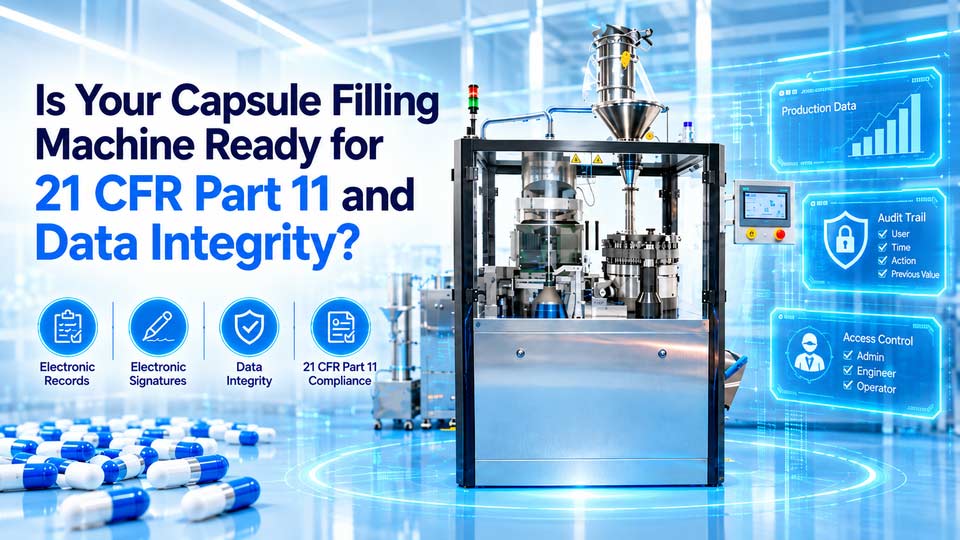
أنت تقوم باختيار أ آلة تعبئة الكبسولات لخط إنتاج الأدوية. يعرض لك المورد واجهة HMI مع وظائف تسجيل الدخول, التهم الإنتاج, إنذار, ومعلمات الآلة. ولكن يبقى سؤال واحد: هل يمكن لحشو الكبسولة هذا أن يدعم بالفعل 21 جزء CFR 11 ومتطلبات سلامة البيانات?
قد تقوم الآلة بتوليد كميات كبيرة من البيانات الإلكترونية أثناء الإنتاج. يمكن لـ HMI عرض بيانات الجهاز, ولكن هذا وحده لا يثبت أن النظام يفي بالجزء 11 متطلبات.
هذا المقال يشرح ماذا 21 جزء CFR 11 وسائل لآلات تعبئة الكبسولة, ما هي البيانات التي تولدها المعدات, ما هي الوظائف التي ينبغي تضمينها, وكيف PLC, واجهة المستخدم البشرية, ويعمل نظام تخزين البيانات معًا لدعم سلامة البيانات.
الوجبات السريعة الرئيسية
- 21 جزء CFR 11: تتطلب السجلات الإلكترونية الوصول الخاضع للرقابة, سجلات موثوقة, مسارات التدقيق, وضوابط النظام المناسبة.
- وظائف الآلة: أذونات المستخدم, إدارة المعلمات, مسارات التدقيق, السجلات الإلكترونية, الطوابع الزمنية, استرجاع البيانات, وقد تكون هناك حاجة إلى النسخ الاحتياطي.
- مصادر البيانات: تقوم آلات تعبئة الكبسولات بتوليد البيانات من مدخلات المشغل, أجهزة الاستشعار, محركات الأقراص, الشركات المحدودة العامة, وأحداث النظام.
- PLC وHMI: يتحكم PLC في بيانات الجهاز ويجمعها, بينما يدير HMI تفاعل المشغل ويعرض معلومات الإنتاج.
- بنية النظام: جزء 11 الاستعداد يعتمد على نظام البيانات الكامل, ليست آلة تعبئة الكبسولة أو PLC وحدها.
لماذا تعتبر السجلات الإلكترونية مهمة في تعبئة الكبسولة؟
من السجلات الورقية إلى بيانات الآلة
في تصنيع الأدوية, كانت سجلات الإنتاج تعتمد بشكل كبير على الإدخالات المكتوبة بخط اليد والفحوصات اليدوية. تقوم الآن آلة تعبئة الكبسولة بتوليد البيانات الإلكترونية طوال عملية الإنتاج. يمكن للمشغلين إدخال أرقام الدفعة, معلمات التعبئة, وإعدادات الوصفة من خلال HMI. يمكن لأجهزة الاستشعار وPLC أيضًا جمع ظروف الإنتاج الفعلية وحالة الماكينة.
يؤدي هذا إلى إنشاء أكثر من مجرد بيانات الآلة البسيطة. لحشو الكبسولة, التهم الإنتاج, قيم المعلمات, إنذار, ويمكن أن تصبح أحداث التشغيل جزءًا من السجلات الإلكترونية المستخدمة لتوثيق الدُفعة. وينطبق نفس المبدأ على الآخرين معدات تعبئة الكبسولة مرتبطة بأنظمة الإنتاج الرقمي.
عندما تصبح بيانات الجهاز سجل GMP
لا تصبح كل نقطة بيانات يتم إنشاؤها بواسطة آلة تعبئة الكبسولة سجلاً منظمًا تلقائيًا. وتعتمد أهميتها على كيفية استخدام البيانات في عملية تصنيع الأدوية وما ينطبق عليها متطلبات برنامج الرصد العالمي.
عندما يتم الاعتماد على السجلات الإلكترونية من آلات تعبئة الكبسولات لتوثيق الإنتاج أو الأنشطة المتعلقة بالجودة, تصبح سلامة البيانات مهمة. يجب أن يحافظ النظام على بيانات الإنتاج الدقيقة ويسمح بالوصول المناسب, مراجعة, والاسترجاع.
ولهذا السبب لا يمكن فصل سلامة البيانات في آلات تعبئة الكبسولات عن طريقة إنشاء البيانات الإلكترونية, مخزنة, وتمكنت. وهذا يثير سؤالا آخر: ما الضوابط يفعل 21 جزء CFR 11 مكان على السجلات الإلكترونية?
المتطلبات الأساسية للسجلات الإلكترونية ضمن الجزء 11?
فهم واضح للجزء 11 يجب أن تأتي المتطلبات قبل تقييم آلة تعبئة الكبسولة. جزء 11 يتناول السجلات الإلكترونية والتوقيعات الإلكترونية المستخدمة في الأنشطة الخاضعة لمتطلبات إدارة الغذاء والدواء.
فهم 21 جزء CFR 11
يعنيCFR قانون اللوائح الفيدرالية, الذي يحتوي على الولايات المتحدة. المتطلبات التنظيمية الفيدرالية. عنوان 21 يغطي المنتجات التي تنظمها إدارة الغذاء والدواء. ضمن العنوان 21, جزء 11 بعنوان "السجلات الإلكترونية; التوقيعات الإلكترونية."
من الناحية العملية, جزء 11 يضع ضوابط تهدف إلى جعل السجلات الإلكترونية موثوقة وجديرة بالثقة, مع معالجة التوقيعات الإلكترونية كبديل للتوقيعات التقليدية المكتوبة بخط اليد والسجلات الورقية.
21 جزء CFR 11 المتطلبات في لمحة
وتشمل المتطلبات الرئيسية للسجلات الإلكترونية والتوقيعات الإلكترونية:
| متطلبات | جزء 11 مرجع | متطلبات المفتاح |
|---|---|---|
| التحقق من صحة النظام | §11.10(أ) | "دقة, مصداقية, الأداء المقصود المتسق " |
| سجلات دقيقة وكاملة | §11.10(ب) | "نسخ دقيقة وكاملة" |
| حماية السجلات | §11.10(ج) | الاسترجاع طوال فترة الاحتفاظ |
| الوصول المصرح به | §11.10(د) | يقتصر الوصول على "الأفراد المصرح لهم" |
| مسارات التدقيق | §11.10(ه) | "يؤمن, تم إنشاؤها بواسطة الكمبيوتر, مسار التدقيق المختوم بالوقت " |
| الشيكات التشغيلية | §11.10(و) | ضوابط للعمليات والتسلسلات المسموح بها |
| الشيكات السلطة | §11.10(ز) | ضوابط للعمليات المصرح بها |
| فحوصات الجهاز | §11.10(ح) | التحقق من المدخلات أو التعليمات التشغيلية |
| تدريب الموظفين | §11.10(أنا) | التعليم المطلوب, تمرين, والخبرة |
| المساءلة | §11.10(ي) | المساءلة عن التوقيعات الإلكترونية |
| وثائق النظام | §11.10(ك) | التحكم في وثائق النظام وتغييراته |
| التوقيعات الإلكترونية | §§11.50, 11.70 | معلومات التوقيع والربط بالسجلات |
ما هي الوظائف التي يجب أن توفرها حشوة الكبسولة؟?
معرفة متطلبات 21 جزء CFR 11 ليست سوى نقطة البداية. الخطوة التالية هي التحقق من الوظائف التي يجب أن توفرها آلة تعبئة الكبسولة عند استخدام بيانات الإنتاج الإلكترونية في عملية منظمة.
تسجيل دخول المستخدم وإدارة الأذونات
يمكن استخدام آلة تعبئة الكبسولة من قبل العديد من الأشخاص أثناء الإنتاج. مسؤولياتهم مختلفة, لذلك يجب على النظام فصل المستخدمين حسب الدور.
قد تشمل الأدوار المشتركة:
- المشغل - يدير آلة تعبئة الكبسولة ويراقب الإنتاج.
- مهندس الصيانة - يقوم بإجراء الصيانة والتحقق من حالة المعدات.
- موظفو الجودة - يراجعون بيانات الإنتاج والسجلات ذات الصلة.
- مسؤول النظام - يدير المستخدمين, الأذونات, وإعدادات النظام.
لماذا فصل هذه الأدوار?
لأنه ليس كل شخص يجب أن يقوم بنفس الإجراءات. قد يحتاج المشغل إلى تشغيل الجهاز, بينما قد يحتاج مهندس الصيانة إلى الوصول إلى إعدادات الصيانة. قد يحتاج مسؤول النظام إلى إدارة حسابات المستخدمين.
يساعد فصل الأدوار أيضًا في إمكانية التتبع. إذا كان عدة أشخاص يستخدمون نفس الحساب, لا يمكن للنظام تحديد من قام بتغيير المعلمة أو تعديل الوصفة بوضوح.
لذا, السؤال التالي هو: كيف يمكن للنظام معرفة من قام بالفعل بإجراء ما?
يجب أن يكون لكل مستخدم حساب فردي. يحدد الحساب الشخص الذي يستخدم النظام ويسمح بربط إجراءات الجهاز بمستخدم معين.
لكن الحسابات الفردية وحدها لا تكفي. إذا كان بإمكان شخص ما تسجيل الدخول ببساطة باستخدام حساب شخص آخر, يصبح التتبع بلا معنى.
ولهذا السبب فإن إدارة كلمة المرور مهمة أيضًا. يجب أن يكون لكل مستخدم كلمة المرور الخاصة به, مع الضوابط المناسبة للوصول إلى الحساب. قد يقوم النظام أيضًا بتسجيل أحداث تسجيل الدخول والخروج.
هناك نقطة أخرى مهمة. يحدد حساب تسجيل الدخول هوية المستخدم, ولكن هذا لا يعني أن نفس الشخص يجب أن يتمتع بوصول غير مقيد إلى كل وظيفة في الآلة.
يجوز للمشغل تشغيل آلة تعبئة الكبسولة الأوتوماتيكية, ولكن قد لا يُسمح له بتغيير إعدادات النظام. قد يتمكن مهندس الصيانة من الوصول إلى وظائف الصيانة, بينما يمكن لمسؤول النظام إدارة المستخدمين والأذونات.
هذا هو المكان الذي تصبح فيه أذونات المستخدم مهمة. وهي تحدد ما يمكن لكل حساب مشاهدته, يدخل, يتغير, أو الموافقة.
لآلات تعبئة الكبسولات الدوائية, يجب أن تتوافق عناصر التحكم هذه مع متطلبات التحقق من صحة المشروع وتكامل البيانات. عند مراجعة إدارة بيانات معدات تعبئة الكبسولة, لذلك يجب على المشترين التحقق من ثلاثة أشياء:
من يمكنه تسجيل الدخول? ما الذي يمكن لكل مستخدم تغييره? هل يمكن للنظام التعرف على من قام بهذا الإجراء?
إدارة المعلمات والوصفات
تعمل آلة تعبئة الكبسولة بمجموعة من معلمات الإنتاج. يمكن أن تشمل هذه وزن الحشو, سرعة الآلة, إعدادات الجرعات, حجم الكبسولة, وقيم العملية الأخرى.
A capsule filling machine parameter management system can organize these settings and keep the required values available for production. Instead of entering every value manually, the machine can use predefined production parameters for a specific product or capsule size.
The same idea applies to recipes. A capsule filling machine recipe management function can store a complete group of production settings for a particular product. When production changes, the corresponding recipe can be selected instead of rebuilding the settings from the beginning.
But what happens when a recipe or parameter is changed after it has been used?
The system also needs to preserve information about parameter changes so that the current value can be compared with its earlier state. Relevant changes should remain traceable where required, rather than simply replacing the previous value.
This is important for capsule filler parameter control because production records may need to show which settings were used during a specific batch. It also helps connect machine settings with the corresponding electronic records.
Audit Trails and Alarm History
A production parameter can change during a batch. A useful change record should show who made the modification, when it occurred, what value was entered, و, حيثما ينطبق ذلك, which value existed before the change.
This is where an audit trail becomes important. Section 11.10(ه) ل 21 جزء CFR 11 refers to a “secure, تم إنشاؤها بواسطة الكمبيوتر, time-stamped audit trail” for applicable electronic records.
For a capsule filling machine audit trail, the record can be presented in a simple table on the HMI or connected data system:
| Date & Time | مستخدم | المعلمة | Previous Value | New Value | Action |
|---|---|---|---|---|---|
| 10:32:15 | John | Filling Weight | 300 ملغ | 320 ملغ | Changed |
| 10:45:08 | Sarah | Machine Speed | 50 دورة في الدقيقة | 45 دورة في الدقيقة | Changed |
| 11:06:42 | John | حجم الكبسولة | 0 | 00 | Changed |
Now the purpose of the audit trail becomes easier to understand. If someone asks why the filling weight was changed from 300 mg to 320 ملغ, the record can show when the change happened and which user made it.
The audit trail is different from an alarm history.
An alarm history records machine events, مثل:
| Date & Time | Alarm | Status |
|---|---|---|
| 10:28:10 | Low Vacuum Pressure | Cleared |
| 10:51:32 | Capsule Shortage | Cleared |
| 11:12:06 | Motor Overload | Cleared |
The alarm history tells you what happened to the machine. The audit trail tells you what happened to relevant electronic records or settings.
When evaluating a capsule filler, buyers should therefore check whether the system can provide a clear audit trail, including the relevant user, وقت, previous value, and new value.
This helps make electronic records easier to review and supports data integrity in capsule filling machines.
Electronic Records and Data Retrieval
A capsule filling machine can generate a large amount of data during production. This may include batch numbers, التهم الإنتاج, معلمات الآلة, alarm records, and relevant audit trail records.
But displaying this information on an HMI does not mean the data is safely stored.
If a client needs to review a batch produced three months ago, the system should be able to find the required records. This is why capsule filling machine electronic records need proper storage and retrieval methods.
على سبيل المثال, a production data screen may allow a user to select a date or batch number:
| تاريخ | رقم الدفعة. | Production Count | Filling Weight | Status |
|---|---|---|---|---|
| 2026-10-01 | B26001 | 120,500 | 300 ملغ | مكتمل |
| 2026-10-02 | B26002 | 118,900 | 300 ملغ | مكتمل |
| 2026-10-03 | B26003 | 121,300 | 320 ملغ | مكتمل |
The user can select a batch and review its available production data. This is the basic idea behind capsule filling machine data retrieval.
Data export can also be important. Depending on the system design, production records may be exported for review, reporting, or use in another system.
Data backup is another part of capsule filling equipment data management. If important production records exist only on the machine’s local computer, a hardware failure could make those records difficult to recover. An appropriate backup method can reduce this risk.
Data storage, retention, and backup arrangements should be defined according to the equipment configuration and the requirements of the specific project. It may involve an industrial PC, database, server, or another approved storage system.
The key point is simple: electronic records should not only be generated. They should also be stored, found, تمت مراجعته, and backed up when required.
When evaluating electronic records for capsule filling machines, ask:
Can I find an old batch record, review the relevant data, export it when needed, and recover it if the original data is lost?
Electronic Signatures and Record Approval
Logging into a capsule filling machine and signing an electronic record are not the same thing.
A login tells the system who is using the machine. An electronic signature shows that a person has taken responsibility for a specific electronic record or action.
على سبيل المثال, after a batch is completed, a review screen may show:
| Date & Time | مستخدم | Action | Signature Meaning |
|---|---|---|---|
| 14:20:15 | Sarah Lee | Signed | Production Record Reviewed |
| 14:22:08 | David Chen | Signed | Production Record Approved |
The record can also be linked to the corresponding batch:
Batch No.: B26003
Production Date: October 3, 2026
Record Status: Approved
This makes the purpose of the electronic signature clear. The system is not simply recording that Sarah or David logged in. It is recording that they reviewed or approved a specific electronic record.
لذلك, when evaluating capsule filling equipment, buyers should ask:
Can an electronic signature be linked to the correct record, and can the system show who signed it, when they signed it, and what the signature meant?
This helps connect electronic signatures with electronic records and overall data integrity.
Why Does the PLC Matter for Data Integrity?
What Role Does the PLC Play?
The PLC functions as the central control unit of the capsule filling machine.
The machine data flow can be simplified into several stages:
Sensors and Machine Components → PLC → HMI / Data System
The PLC receives signals from different machine components, processes this information, and sends control instructions back to the equipment.
على سبيل المثال, when a sensor detects a machine condition, the PLC can process the signal and control the corresponding operation. The HMI presents relevant information to the user, allowing production status and machine conditions to be monitored.
For capsule filling equipment, the PLC provides the basic control and data processing foundation. This architecture provides a consistent method for collecting and processing machine signals.
لكن, a PLC alone does not determine whether a system meets 21 جزء CFR 11 متطلبات. Data integrity depends on the complete system, including the PLC, واجهة المستخدم البشرية, برمجة, data storage, user management, and validation process.
This is why many pharmaceutical packaging equipment manufacturers pay close attention to the PLC platform used in their machines.
Why Do Manufacturers Choose Siemens PLC?
Many capsule filling machine manufacturers choose Siemens PLC because it provides advantages beyond basic machine control.
Compared with basic PLC platforms, Siemens PLC systems usually provide stronger system integration capabilities. They can communicate more easily with HMIs, أجهزة الاستشعار, servo drives, and higher-level factory systems, which is important for complex معدات التعبئة والتغليف الصيدلانية.
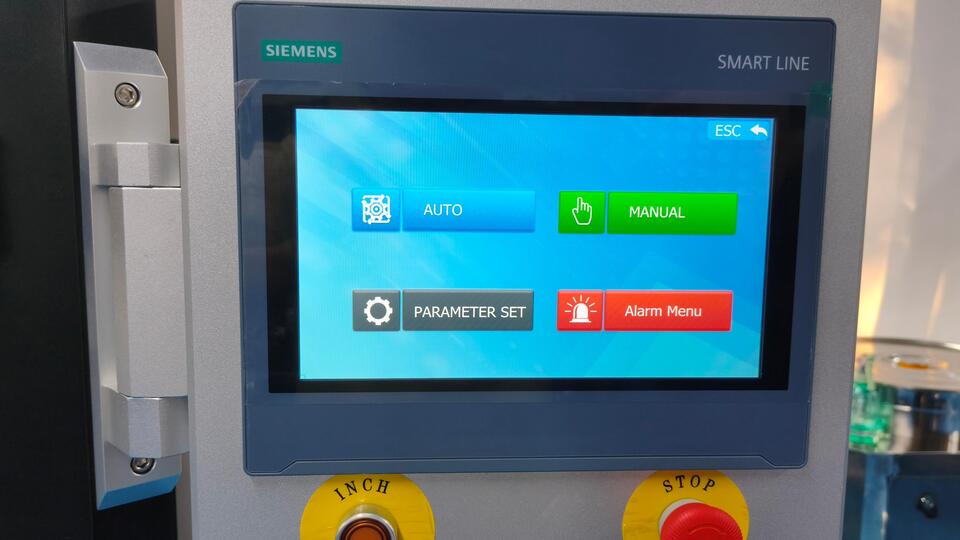
Another difference is diagnostic capability. Siemens PLC platforms provide detailed system information that can help engineers identify equipment conditions and troubleshoot problems more efficiently.
Scalability is also an important factor. As production requirements increase, a Siemens-based control system can be expanded with additional modules or connected devices without completely changing the automation architecture.
For international pharmaceutical projects, global availability is another advantage. Many engineers around the world have experience with Siemens systems, which can make technical support, صيانة, and future upgrades easier.
Because of these advantages, Siemens PLC is widely selected for industrial automation applications, including Siemens PLC for pharmaceutical equipment.
In the pharmaceutical machinery industry, manufacturers such as Fette, كورش, بوش, أولمان, روماكو, هنالك, مارشيسيني, رويدا التعبئة, and Syntegon operate in demanding production environments covering مكابس الأقراص, capsule equipment, التغليف بالبثور, التغليف بالكرتون, and other pharmaceutical processes.
لكن, the PLC brand alone does not determine 21 جزء CFR 11 readiness. A reliable data integrity system depends on the complete equipment design, including software configuration, إدارة البيانات, user control, تخزين, and validation.
خاتمة
A capsule filling machine can generate a large amount of electronic data during production. لكن, creating electronic data is only the beginning of the compliance process. The machine also needs appropriate controls for user access, تغييرات المعلمة, مسارات التدقيق, السجلات الإلكترونية, التوقيعات, تخزين, and data retrieval.
21 جزء CFR 11 should therefore be considered as a complete system requirement, rather than a single machine function. The PLC, واجهة المستخدم البشرية, application software, database, user management, and validation process all have a role in the final data integrity architecture.
When selecting a capsule filler, do not ask only whether the machine uses a Siemens PLC or has a digital HMI. Ask how the complete system handles electronic records and who can access or change them.
A practical review should cover three areas: machine functions, إدارة البيانات, و validation support. This approach helps pharmaceutical manufacturers determine whether a capsule filling machine can fit their electronic record and data integrity requirements before the equipment enters production.
التعليمات
What should be included in a Part 11-ready capsule filling machine?
The system should support appropriate user access controls, إدارة المعلمات, مسارات التدقيق, السجلات الإلكترونية, and signatures where required. Data storage, backup, retrieval, and validation should also be addressed at the project level.
What should the audit trail record on a capsule filling machine?
For relevant electronic records, the audit trail should capture changes in a secure, تم إنشاؤها بواسطة الكمبيوتر, time-stamped format. Typical information includes the user, date and time, action, previous value, and new value.
FAT Checks for Part 11-Related Functions?
FAT should verify the agreed functions before shipment, including user permissions, parameter controls, audit trail behavior, السجلات الإلكترونية, إنذار, and other specified data functions. The exact FAT scope should follow the approved URS and validation plan.
Which Compliance and Technical Documents Should the Manufacturer Provide?
The project may require documents covering functional specifications, software and hardware architecture, وصول المستخدم, مسارات التدقيق, data handling, فات/سات, and validation support. The exact documentation package should be defined by the URS and quality agreement.