Упаковка добавок меняется, потому что меняется их использование. Все больше продуктов должны вмещать одну порцию, легко путешествовать, быстро открываться и хорошо работать вне дома. Этот сдвиг объясняет, почему упаковка "клюшка шайба" становится все более распространенной в порошках для увлажнения, коллагеновых смесях, продуктах с зеленью и других портативных форматах. PMMI отмечает, что нутрицевтики переходят от жестких пластиковых и стеклянных контейнеров к портативным стик-пакетам и гибким пакетам, а Grand View Research прогнозирует постоянный рост рынка стик-упаковки до 2033 года. (pmmi.org)
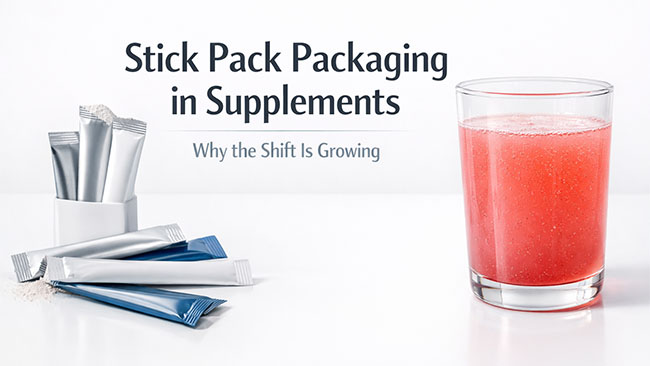
Привлекательность заключается не только во внешнем виде. Тонкую запечатанную порцию удобнее носить с собой, чем большой тюбик, проще взять на пробу, чем полноразмерный контейнер, и проще разложить по упаковкам для ежедневного использования или по картонным коробкам для розничной продажи. Для некоторых брендов добавок это также означает снижение объема перевозок, более чистые упаковки и более простой путь к вторичной упаковке. Такой формат соответствует более широкому движению в сторону удобства, контроля порций и портативного использования одной порции.
В то же время этот формат не является правильным решением для каждого продукта. Некоторые составы подходят для него очень хорошо, а другие - нет. Полезный вопрос заключается не в том, всегда ли один тип упаковки лучше другого. А в том, почему упаковка стик-пак так быстро развивается в сфере биологически активных добавок, какие продукты от этого выигрывают больше всего и какие практические факторы должны сойтись воедино, прежде чем это будет иметь смысл.
Почему упаковка в виде стик-пакета набирает обороты в производстве биологически активных добавок
Одна из причин - удобство. Стик-пакеты соответствуют тому, как многие пользователи добавок хотят использовать продукты в настоящее время. Их легко носить с собой, легко открывать, легко насыпать в воду или другой напиток. Для продуктов, рассчитанных на одну порцию, это имеет значение. Большой контейнер может хорошо работать дома, но он не всегда подходит для путешествий, работы, спорта или пробного использования.
Еще одна причина - контроль порций. Один стик дает одну порцию в герметичной упаковке. Это уменьшает количество догадок, избавляет от необходимости использовать черпак и делает процесс употребления более чистым. В случае с биологически активными добавками это может улучшить как четкость, так и рутину. Порция уже определена, количество уже установлено, и продукт легче использовать от первой до последней упаковки.
Защита продукции - еще одна часть изменений. Многие порошковые добавки нуждаются в защите от влаги, кислорода или света во время хранения и транспортировки. При правильном выборе структуры пленки упаковка стик-пак может обеспечить такую защиту, сохраняя при этом небольшой размер и простоту в обращении. Для продуктов, чувствительных к влажности или нуждающихся в чистом представлении одной дозы, такая комбинация может стать отличным решением.
За этим стоит и коммерческая причина. Маленькие упаковки позволяют уменьшить объем по сравнению с большими жесткими контейнерами, что меняет способ хранения, транспортировки, демонстрации и упаковки продукта в готовые для розничной торговли форматы. Для брендов, продающих картонные упаковки с ежедневным расчетом, дорожные упаковки или пробные наборы, такой формат может упростить как презентацию, так и логистику. В проектах с высокой производительностью это часто приводит к тому, что упаковочный маршрут от формирования стиков до последующей упаковки в картон.
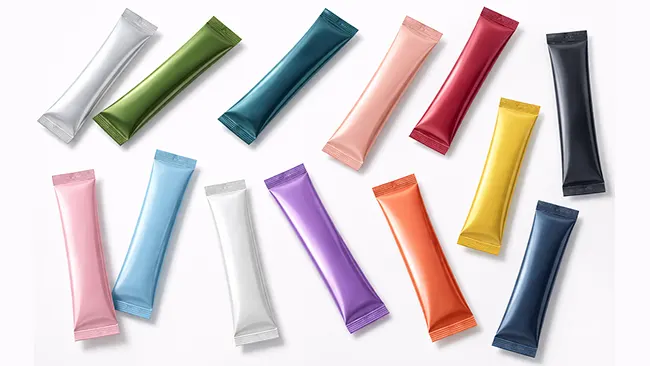
Какие добавки лучше всего подходят для стиков
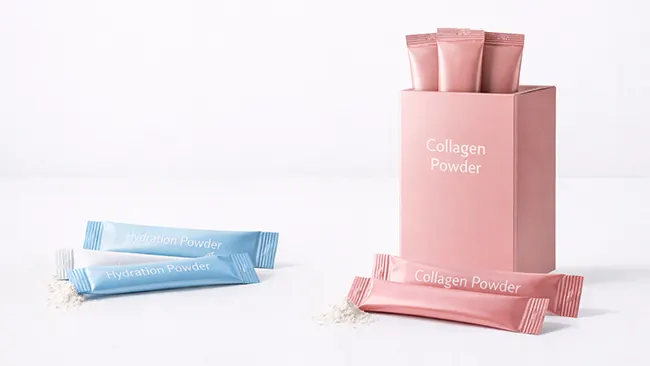
Стик-пакеты лучше всего подходят, когда продукт уже рассчитан на одну порцию. Ярким примером являются гидратационные порошки. Их обычно смешивают один раз, употребляют один раз и часто выносят за пределы дома. Поэтому для многих пользователей тонкий формат единичной дозы более естественен, чем большой жесткий контейнер.
Зеленые смеси, порошки перед тренировкой и другие смеси напитков также хорошо подходят, если размер порции находится в практичном диапазоне. В этих категориях удобство является частью ценности. Пользователь может открыть одну упаковку, высыпать содержимое и идти дальше. Это лучше, чем многократное зачерпывание, когда продукт предназначен для быстрого использования вдали от дома.
Коллагеновые порошки и ежедневные оздоровительные смеси могут также хорошо работать в форме стиков, когда доза контролируется. Вместо того чтобы просить пользователя открывать баночку, отмерять порцию и снова убирать ее в контейнер, продукт становится простой частью ежедневной рутины. Это также может помочь при отборе проб. Короткую упаковку с отмеренными порциями часто легче протестировать на рынке, чем полноразмерный контейнер.
Некоторые витаминные и функциональные порошковые продукты выигрывают по той же причине. Индивидуально запечатанные порции могут поддерживать постоянство, портативность и упаковку для коротких программ. Продукт, продаваемый в виде семи- или десятидневного запаса, естественно вписывается в этот маршрут, особенно если бренд хочет более чистого представления суточного количества.
Этот формат менее естественен, когда размер порции слишком велик, когда порошок плохо сыпется или когда продукт предполагается использовать многократно из одного контейнера. Упаковка в виде стика лучше всего подходит, когда продукт, доза и схема использования уже указывают на компактность одной порции.
Где упаковка со стик-пакетом имеет пределы
Этот формат развивается, но у него все еще есть границы. Одна из границ - размер заливки. Компактные мерные порции - вот где этот путь обычно имеет наибольший смысл. Когда порция становится слишком большой, упаковка может потерять то удобство, которое изначально делало ее привлекательной.
Еще одно ограничение - поведение порошка. Некоторые порошки-добавки плавно растекаются и равномерно наполняются. Другие слишком легко сцепляются, слипаются, расслаиваются или впитывают влагу. Когда это происходит, точность наполнения, чистоту запечатывания и внешний вид упаковки становится сложнее контролировать. Хорошая концепция все еще зависит от стабильного поведения продукта во время реального производства.
Барьерный спрос - еще одно ключевое ограничение. Узкий формат сам по себе не защищает продукт. Защита обеспечивается структурой пленки и качеством запечатывания. Упаковка может выглядеть маленькой и удобной, но при неправильном выборе материала продукт может подвергнуться воздействию влаги, кислорода или света во время хранения и транспортировки.
Коммерческий формат тоже имеет значение. Некоторые продукты по-прежнему лучше продаются в тюбиках или бутылках, потому что покупатели ожидают заметного объема, многократного использования ложечки или более ценного представления. В таких случаях упаковка в виде стика может лучше транспортироваться и выглядеть чище, но она может не лучшим образом соответствовать тому, как покупают или используют продукт.
Что нужно проверить, прежде чем выбрать этот формат
Прежде чем двигаться дальше, необходимо рассмотреть продукт как с точки зрения использования, так и с точки зрения линии. Самая распространенная ошибка - сосредоточиться только на внешнем виде на полке и игнорировать поведение порошка, фактический размер порции и конечный формат продажи. Эти детали обычно решают, будет ли упаковка работать гладко на практике.
| Что проверить | Почему это важно | Что посмотреть |
| Размер порции | Одноразовые упаковки лучше всего работают с четкой логикой порций | Грамм на палочку, ежедневное использование, удобство наливания |
| Расход порошка | Стабильность наполнения зависит от постоянного движения продукта | Плотность, текучесть, риск сегрегации, реакция на влажность |
| Потребность в барьерах | Стабильность продукта зависит от характеристик пленки и уплотнения | Чувствительность к влаге, кислороду и свету |
| Пользовательский опыт | Удобство - одна из главных причин использования формата | Легкий разрыв, чистое наливание, прозрачность на упаковке |
| Формат продаж | Упаковка должна соответствовать способу продажи продукта | Одиночки, мультипаки, картонные коробки, пробные наборы, наборы для электронной торговли |
| Дизайн линии | Выход и последующая обработка влияют на целесообразность | Подсчет полос, инспекция, выгрузка, упаковка, подсчет упаковок |
Выбор пленки особенно важен. Для порошковых добавок пленка - это не просто поверхность для печати. Она является частью системы защиты и должна соответствовать как рецептуре, так и процессу запечатывания.
Другая важная проверка - что происходит после изготовления палочки. Некоторым проектам нужны только готовые палочки, отправляемые в коллекцию. Другим нужны счетные группы, картонная упаковка для розничной торговли или мультипакеты для ежедневного использования. Если продукт должен заканчиваться в структурированной вторичной упаковке, это решение должно быть частью плана линии с самого начала.
Как работает упаковка со стиками на линии по производству добавок
На уровне линии процесс идет в четкой последовательности. Пленка подается в упаковочная машина, Полотно формируется в каналы в форме стиков, продукт дозируется и наполняется, производится герметизация, упаковки освобождаются, и готовые стики поступают на выгрузку или последующую обработку. Точная оснастка и система дозирования зависят от вида продукта, но логика производства остается неизменной.
Эта логика имеет значение, поскольку эти упаковки относятся к формату с высокой точностью повторения. Форма упаковки должна оставаться неизменной, порошок должен подаваться чисто, уплотнения должны оставаться надежными, а выгрузка должна поддерживать следующий этап, не повреждая внешний вид и не нарушая счетный поток. При увеличении объема производства эти детали приобретают еще большее значение.
Здесь также необходимо соответствие характеристик продукта и конструкции машины для упаковки в стик. Быстрая линия не исправит плохой поток порошка. Красивая компоновка не исправит нестабильную герметизацию. Практический проект зависит от того, как сочетаются рецептура, пленка, способ дозирования, условия запечатывания и последующая обработка.
От многополосной машины для упаковки в стик до линии картонирования
Для многих дополнительных проектов однополосной концепции недостаточно. При увеличении объемов производства линия часто смещается в сторону многополосная машина для упаковки стиков Таким образом, несколько палочек могут быть сформированы, заполнены и запечатаны параллельно. Это одна из причин, по которой данный способ может поддерживать большие объемы одноразовых программ, а не только короткие специализированные упаковки.
Это важно, потому что многие стики для добавок не продаются по одному. Они группируются в семидневные, десяти-, двадцати- или аналогичные розничные упаковки. Продукт для увлажнения может быть упакован в короткую дорожную коробку. Коллагеновая рутина может продаваться как ежедневная программа. Оздоровительная смесь может быть упакована в пакет для электронной коммерции или пробного использования. Если коммерческий формат выглядит именно так, организация последующей работы становится не менее важной, чем первичный этап наполнения и запечатывания.
Именно здесь начинает играть роль линия картонной упаковки палочек. Вместо того чтобы рассматривать готовые палочки как сыпучий продукт, линия может подсчитывать, выравнивать и подавать их в картонную коробку контролируемым потоком. Это может улучшить внешний вид упаковки, упростить управление точностью подсчета и поддержать упаковку, готовую к розничной продаже, без потери преимуществ компактных первичных упаковок.
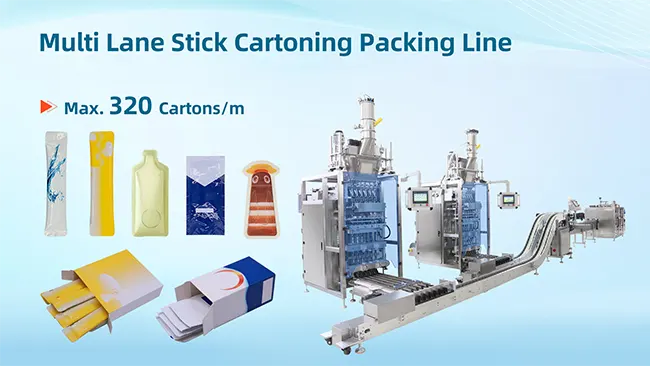
На практике это тот момент, когда проект становится чем-то большим, чем просто покупка отдельной упаковочной машины. Он становится линейным решением. Для таких поставщиков, как Руидапакинг, Но более полезный вопрос часто заключается не только в том, как сформировать и заполнить палочку, но и в том, как перейти от многорядной первичной упаковки к стабильному последующему картонированию, не нарушая ритма линии.
В каких случаях лучше выбрать упаковку со стиками
Этот путь наиболее целесообразен, когда добавка предназначена для портативного, дозированного, одноразового потребления. Он также имеет смысл, когда бренду нужны компактные упаковки для путешествий, пробников, ежедневного подсчета картонной упаковки или экономии места при транспортировке. В этих случаях формат одновременно поддерживает и удобство потребителя, и эффективность упаковки.
В меньшей степени это имеет смысл, когда размер порции слишком велик, порошок плохо ведет себя в системе розлива, требования к барьеру необычно высоки для выбранного способа нанесения пленки или продукт зависит от вида стоимости в объемной упаковке. Самые сильные проекты обычно начинаются с простого совпадения: продукт, доза, пленка, схема использования и последующий формат упаковки - все они направлены в одну сторону.
Заключение
Стремительный переход на упаковку стик-пак в биологически активных добавках не обусловлен каким-то одним преимуществом. Он обусловлен целым рядом практических преимуществ: портативность, контроль порций, компактное хранение, более легкое распространение и удобство для разовых порций. Это не означает, что каждая добавка должна перейти на такой формат. Лучше спросить, действительно ли продукт подходит для этого. Если размер порции, поведение порошка, структура пленки, потребности производства и вторичной упаковки совпадают, этот путь может быть не просто тенденцией в упаковке. Он может стать практичным путем от первого наполнения до конечной коробки.
Часто задаваемые вопросы
Что такое упаковка стик-пак в добавках?
Это тонкая гибкая упаковка на одну порцию, используемая для таких продуктов, как порошки, смеси для напитков и дозированные порции добавок.
Какие виды добавок лучше всего подходят для стик-пакетов?
Гидратационные порошки, смеси электролитов, зелень, предтренировочные комплексы, коллагеновые порошки и другие дозированные порции порошков подходят как нельзя лучше.
Лучше ли пакетики, чем бутылочки, для порошковых добавок?
Не всегда. Они часто более удобны для переноски, пробного использования и контроля порций. Бутылки все же могут быть лучше для больших порций, многократного использования ложечки или представления больших объемов.
В чем разница между упаковкой для стиков и упаковка саше?
Упаковки стиков обычно более узкие и длинные. Их часто выбирают для компактного представления одной порции и эффективной плотности упаковки, в то время как пакетики могут иметь более широкий диапазон форм и размеров.
Как многополосная машина для упаковки в стикеры помогает дополнить производство?
Он позволяет одновременно формировать, наполнять и запечатывать несколько палочек, что обеспечивает большую производительность и лучше подходит для розничной торговли или программных продуктов с добавками.
Подходит ли такой формат для каждого дополнительного продукта?
Нет. Лучше всего он работает, когда размер порции, расход порошка, необходимость барьера, формат продаж и дизайн линии поддерживают формат.
Ссылки
PMMI, Оценка рынка нутрицевтиков в 2019 году. (pmmi.org)
Grand View Research, Размер, доля и тенденции глобального рынка стиковой упаковки, 2025-2033 гг.. (Гранд Вью Исследования)