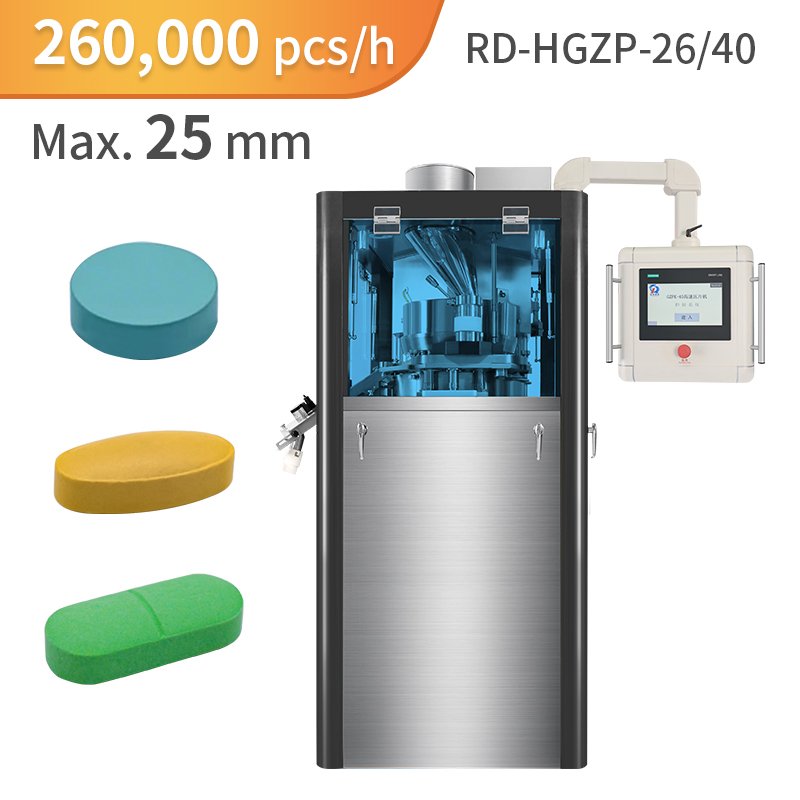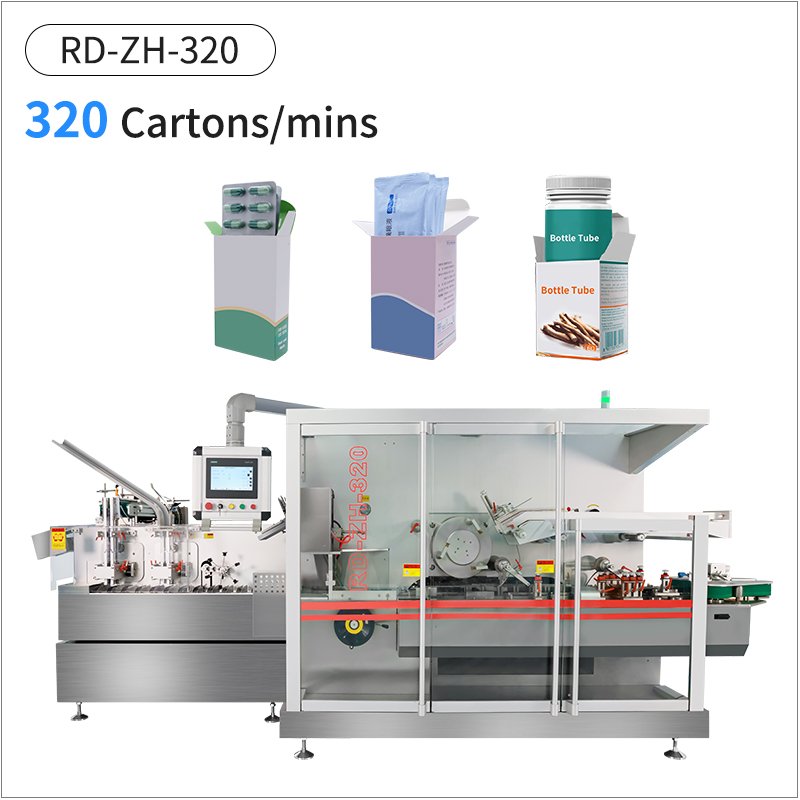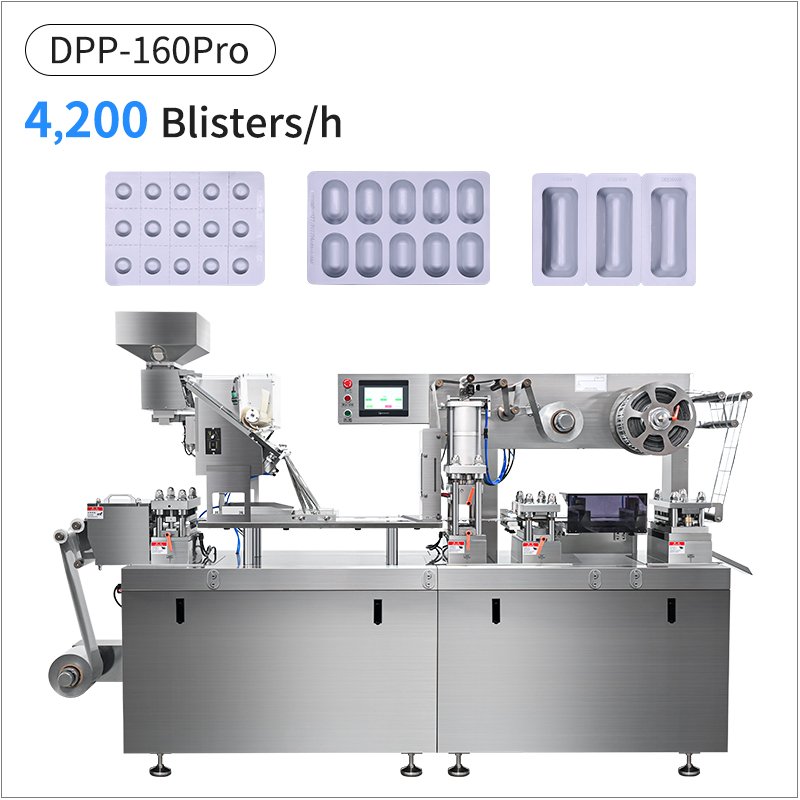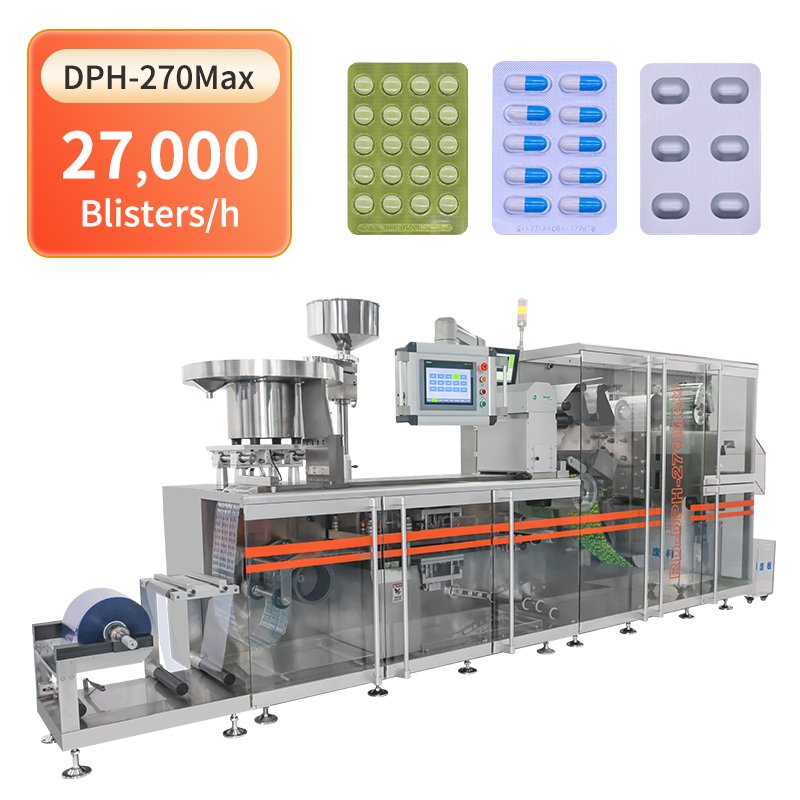

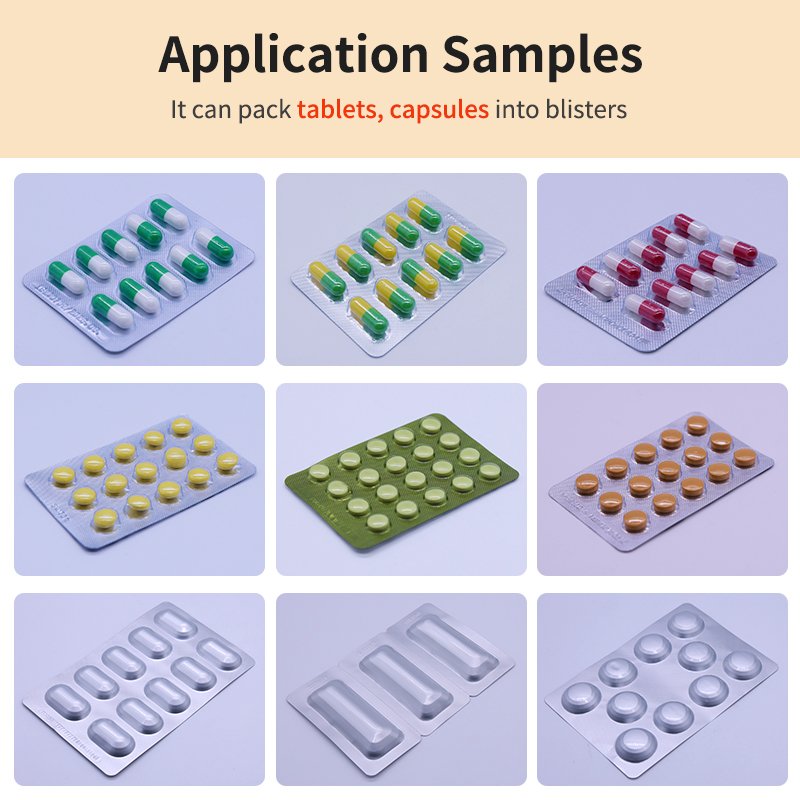
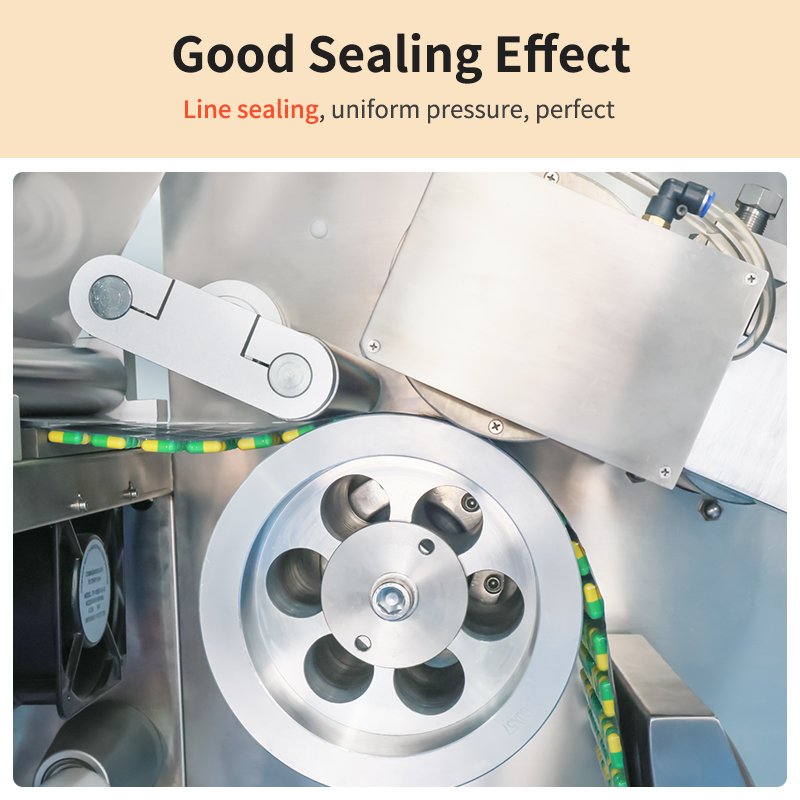
La blisteratrice a rulli ad alta velocità DPH-270 è ampiamente utilizzata nell'industria farmaceutica per il confezionamento di compresse, capsule e altri piccoli prodotti in blister. Questa macchina funziona alimentando un rotolo di film plastico, che viene poi formato in blister o tasche che contengono i prodotti.
Industria farmaceutica: utilizzata principalmente per il confezionamento di forme farmaceutiche solide orali come compresse, capsule e compresse. I blister proteggono i prodotti da umidità, luce e contaminazione, garantendone la conservazione e la sicurezza.
Dispositivi medici: Adatto al confezionamento di piccoli dispositivi medici come siringhe, aghi e strisce reattive. Il confezionamento garantisce sterilità e facilità di utilizzo per gli utenti finali.
IL macchina confezionatrice blister Offre elevata efficienza, precisione e versatilità, il che lo rende una risorsa preziosa per vari settori che necessitano di imballaggi sicuri e accattivanti.
Fino a 27.000 blister/min
Applicabile per compresse, capsule e medicinali ecc.
Consegna rapida in 15 giorni

| Capacità produttiva | 27.000 blister/h |
| Diametro e profondità massimi di sagomatura | 250*250*12mm Profondità massima 26mm (su misura) |
| Piastra standard | 80*57mm |
| Energia | 380V/220 V/50 Hz (personalizzabile) |
| Rumore | <65dBA |
Elevata efficienza: il design del rullo consente un funzionamento continuo, rendendo la macchina adatta alla produzione su larga scala ad alta velocità.
Precisione: garantisce la formatura, il riempimento e la sigillatura precisi dei blister, riducendo il rischio di spreco di prodotto.
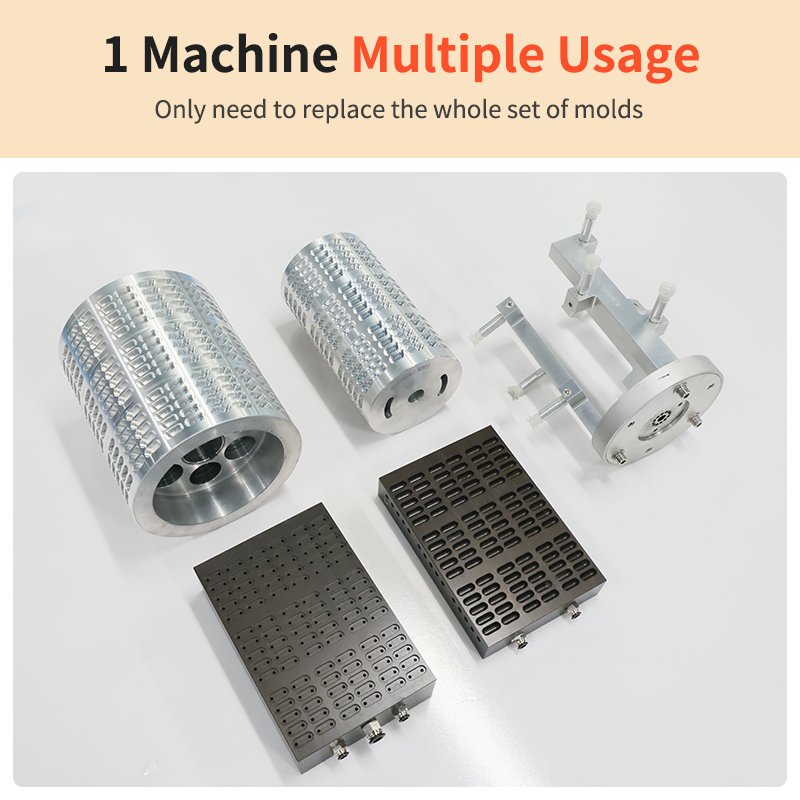
Versatilità: può gestire un'ampia gamma di tipologie di prodotti e dimensioni di blister, offrendo flessibilità per diverse esigenze di confezionamento.
Conveniente: il funzionamento efficiente della macchina può contribuire a ridurre i costi di produzione, soprattutto nelle operazioni di imballaggio ad alto volume.

Nelle industrie farmaceutiche e nutraceutiche, l’approvvigionamento di attrezzature non è mai una transazione semplice. Per un acquirente con più di 20 anni di esperienza, ogni decisione è guidata da un equilibrio di conformità, affidabilità, efficienza, e valore a lungo termine. Tra tutti i tipi di attrezzature, la macchina confezionatrice blister occupa una posizione unica: non solo protegge l'integrità del prodotto ma garantisce anche la sicurezza del paziente, conformità normativa, e redditività della produzione.
COSÌ, cosa cerca esattamente un professionista esperto degli approvvigionamenti quando seleziona una macchina confezionatrice per blister? Di seguito sono riportati i dieci fattori più importanti, organizzati per priorità, insieme alla logica e all’intuizione che guidano ogni decisione.
1. Conformità e Certificazione
La prima domanda che si pone ogni acquirente esperto è::
Questa apparecchiatura soddisfa le normative farmaceutiche globali come cGMP, FDA, EMA, o standard NMPA?
E altrettanto importante: Il produttore può fornire la documentazione completa di convalida DQ/IQ/OQ/PQ?
Nell'industria farmaceutica, la conformità non è facoltativa: è il fondamento di tutto. Una macchina che non soddisfa i requisiti normativi non può essere installata in una camera bianca o utilizzata nella produzione, non importa quanto sembri avanzato o conveniente. La mancanza di documenti di convalida adeguati potrebbe comportare il rifiuto degli audit, richiami di prodotti, o addirittura sanzioni legali.
2. Stabilità e affidabilità
Una linea di confezionamento in blister che si guasta frequentemente può distruggere i programmi e i budget di produzione.
Ecco perché gli acquirenti esperti si concentrano su domande come:
Qual è il tempo medio tra i guasti della macchina (MTBF)?
Quanto è stabile a lungo, cicli di produzione continui?
Nel mondo della farmaceutica, i tempi di inattività rappresentano la forma di spreco più costosa. Una macchina che si ferma inaspettatamente non solo ritarda la consegna ma rischia anche di danneggiare prodotti e materie prime di valore. Come dice un acquirente veterano: “Preferiremmo pagare di più per la stabilità piuttosto che risparmiare sui problemi”.
Attrezzature affidabili si traducono in risultati prevedibili, meno interruzioni per la manutenzione, e un migliore controllo dei costi complessivi di produzione.
3. Supporto tecnico e servizio post-vendita
Non importa quanto sia avanzata una macchina, avrà bisogno di manutenzione.
Un responsabile acquisti esperto valuta sempre la rete di servizi di un fornitore, disponibilità dei pezzi di ricambio, e la competenza tecnica dei suoi ingegneri. Presto, il supporto professionale minimizza le perdite di produzione e tutela la reputazione del produttore.
Nei settori in cui ogni ora di inattività è importante, la qualità del servizio post-vendita determina direttamente il valore del ciclo di vita totale della macchina.
4. Efficienza di produzione
Nel mercato competitivo di oggi, la produzione è uguale alla competitività. Gli acquirenti esaminano attentamente la velocità di funzionamento massima stabile di una macchina (cicli al minuto) e i tempi di inattività necessari per il cambio prodotto.
Una maggiore capacità produttiva significa che è possibile confezionare più prodotti nello stesso turno, riducendo il costo unitario. Ma l’efficienza non è solo una questione di velocità: riguarda la facilità con cui l’operatore può cambiare formato, regolare le impostazioni, e mantenere la linea in funzione in modo coerente.
Una moderna macchina blisteratrice dovrebbe garantire una produttività elevata senza sacrificare la qualità della sigillatura, precisione dell'allineamento, o l'integrità del prodotto. Questo è l’equilibrio che ogni acquirente veterano cerca.
5. Compatibilità e flessibilità dei materiali
Le industrie farmaceutiche e nutraceutiche sono caratterizzate da diversi materiali di imballaggio e formati di prodotto. Un acquirente esperto chiederà sempre:
La macchina è in grado di gestire il PVC, ANIMALE DOMESTICO, foglio di alluminio, o alluminio formato a freddo?
Quanto è facile cambiare gli stampi e regolare i parametri per le diverse dimensioni di compresse o forme di capsule?
La flessibilità determina quanto bene una linea di confezionamento può adattarsi ai prodotti futuri. Per aziende con diversi tablet, capsule, gel morbidi: una macchina confezionatrice blister flessibile può far risparmiare enormi tempi e costi quando si passa da un ciclo di produzione all'altro.
6. Facilità di pulizia e manutenzione
Nella confezione farmaceutica, la pulizia non è solo una questione di igiene: è un requisito normativo.
Una domanda pratica che gli acquirenti fanno è:: La macchina è dotata di pulizia rapida o senza attrezzi?
Le macchine progettate pensando alla facilità di pulizia riducono i rischi di contaminazione incrociata e abbreviano i tempi di cambio lotto.
Un pulibile, il design a bassa manutenzione riflette la comprensione del produttore delle cGMP e delle realtà della produzione farmaceutica.
7. Avanzamento tecnologico e funzionalità intelligenti
Le moderne macchine confezionatrici blister automatiche non sono più puramente meccaniche. Sono intelligenti, sistemi basati sui dati dotati di ispezione automatizzata, rilevamento dei difetti, e funzioni di tracciabilità dei dati.
Gli acquirenti veterani ora cercano funzionalità come:
Rifiuto automatico delle compresse mancanti o rotte
Monitoraggio in tempo reale della qualità della sigillatura
Connettività con sistemi MES o ERP per il tracciamento dei lotti
HMI intuitiva con supporto multilingue
Queste funzioni intelligenti non solo garantiscono un controllo di qualità più elevato, ma si allineano anche con lo spostamento globale verso l’industria 4.0 produzione. Un acquirente lungimirante sa che l’automazione intelligente oggi significa conformità normativa e vantaggio competitivo domani.
8. Fornitura di pezzi di ricambio
L’affidabilità di una macchina dipende dalla filiera del venditore. Gli acquirenti esperti prestano sempre attenzione ai seguenti due punti:
È possibile acquistare parti facilmente usurabili presso un negozio di ferramenta locale, oppure devono essere realizzati su misura dal venditore?
Quali sono i tempi di consegna e i prezzi?
Materiali di consumo critici come le piastre riscaldanti, stampi, o le guarnizioni di tenuta dovrebbero essere facilmente reperibili. Una lunga attesa per i pezzi può fermare un’intera linea di produzione. Perciò, i fornitori con magazzini di pezzi di ricambio locali e prezzi trasparenti sono molto più attraenti per i professionisti degli approvvigionamenti.
9. Reputazione dei fornitori e casi comprovati del settore
Finalmente, anche le specifiche tecniche più impressionanti significano poco senza la convalida nel mondo reale. Gli acquirenti esperti chiedono sempre:
Questo fornitore ha fornito con successo macchine a rinomate aziende farmaceutiche o nutraceutiche?
Il portafoglio di casi di studio di successo di un fornitore costituisce una prova vivente di affidabilità. Referenze positive e una solida reputazione nel settore riducono il rischio di approvvigionamento e danno fiducia che le apparecchiature funzioneranno come promesso.
Un produttore con una storia di sostegno alla fortuna 500 i marchi dimostrano non solo capacità tecnica ma anche impegno a lungo termine.
10. I prodotti di supporto sono completi?
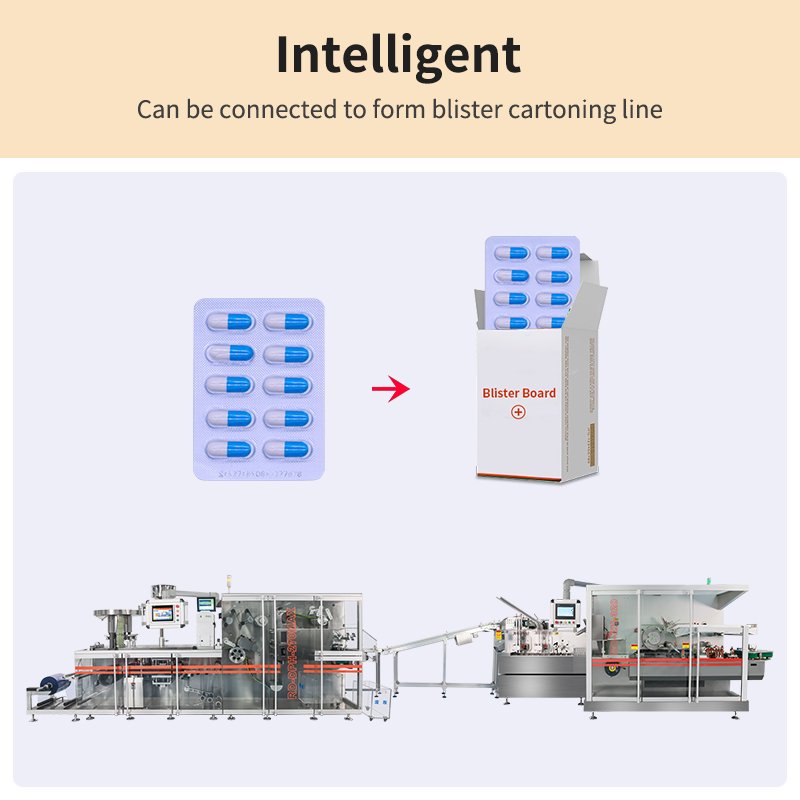
Quando acquisti una macchina confezionatrice per blister, puoi anche acquistare una macchina astucciatrice, perché non puoi presentare direttamente i blister ai consumatori. Se è possibile acquistare alcune apparecchiature di supporto a monte e a valle da un produttore, farà risparmiare molto tempo e fatica per l'approvvigionamento professionale. Per esempio, se vuole confezionare le compresse in blister, ma hai un nuovo progetto, confezionamento delle capsule, questo comporta macchina per il riempimento di capsule, astucciatrice della linea di imbottigliamento per il conteggio delle capsule, ecc.
Conclusione
Per professionisti esperti nel settore degli approvvigionamenti farmaceutici e nutraceutici, la logica dietro la scelta di una macchina blisteratrice segue una chiara gerarchia:
La conformità e la sicurezza vengono prima di tutto, senza di esse, Non importa nient'altro.
Affidabilità, efficienza, e la flessibilità guidano la produzione sostenibile.
Il servizio post-vendita e il costo totale di proprietà definiscono il valore a lungo termine.
Prezzo, interessante, spesso si colloca all'ultimo posto. In un settore altamente regolamentato e orientato alla qualità, l'opzione più economica raramente è la migliore. Ciò che conta davvero è la certezza che ogni blister che esce dalla macchina sia sicuro, coerente, e conforme, perché dietro ogni confezione c'è la fiducia del paziente.
Per produttore, comprendere queste priorità è la chiave per conquistare la fiducia degli acquirenti professionisti. Non si tratta solo di vendere una macchina, ma di garantire affidabilità, conformità, e partnership che durano da decenni.


*Rispettiamo la tua riservatezza e tutte le informazioni sono protette.