कैप्सूल फार्मास्युटिकल और न्यूट्रास्युटिकल क्षेत्रों में ठोस मौखिक खुराक रूपों का एक मौलिक और अत्यधिक बहुमुखी घटक हैं. वे सक्रिय फार्मास्युटिकल अवयवों के अप्रिय स्वाद या गंध को कुशलतापूर्वक छिपा सकते हैं (शहद की मक्खी) और रोगी अनुपालन का समर्थन करें—एक कारण कैप्सूल एक वैश्विक मानक बना हुआ है.
लेकिन कैप्सूल का चयन कोई कॉस्मेटिक विकल्प नहीं है. आपके द्वारा चुनी गई एनकैप्सुलेशन तकनीक उत्पाद स्थिरता को प्रभावित कर सकती है, जैवउपलब्धता (अवशोषण की सीमा और दर), उपचारात्मक प्रभावकारिता, और—उतना ही महत्वपूर्ण—विनिर्माण प्रक्रिया की व्यवहार्यता और दक्षता. यह तकनीकी विश्लेषण आधुनिकता को तोड़ता है कैप्सूल के प्रकार संरचना द्वारा, खोल सामग्री, और कार्यात्मक रिलीज़ डिज़ाइन, फिर उन विकल्पों को कैप्सूल फिलिंग मशीन प्रौद्योगिकी के लिए आवश्यक परिचालन क्षमताओं से जोड़ता है. विशेष रूप से खोज रहे पाठकों के लिए फार्मेसी में कैप्सूल के प्रकार, वही इंजीनियरिंग तर्क लागू होता है: "सही" कैप्सूल प्रकार वह है जिसके प्रदर्शन लक्ष्यों को बड़े पैमाने पर बार-बार निर्मित किया जा सकता है.
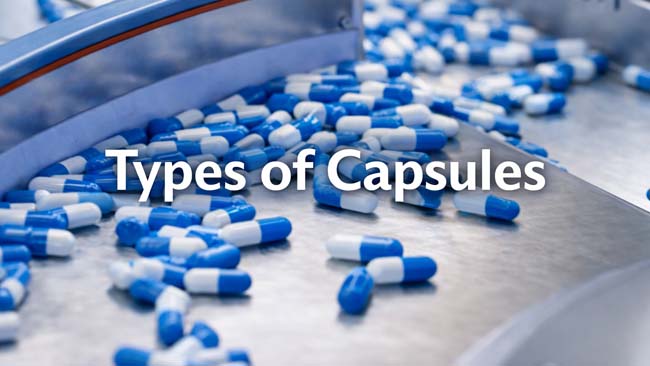
कैप्सूल के प्रकार: संरचना, भरना, और एनकैप्सुलेशन मशीनरी
अधिकांश निर्णय संरचना से शुरू होते हैं, क्योंकि संरचना यह निर्धारित करती है कि भरने और सील करने वाले उपकरण को क्या करना चाहिए. औद्योगिक दृष्टि से, कैप्सूल दो प्राथमिक संरचनात्मक परिवारों में आते हैं: कठोर कैप्सूल (दो-टुकड़ा सिस्टम) और सॉफ्टजेल कैप्सूल (अखंड, भली भांति बंद सीलें).
कठोर कैप्सूल
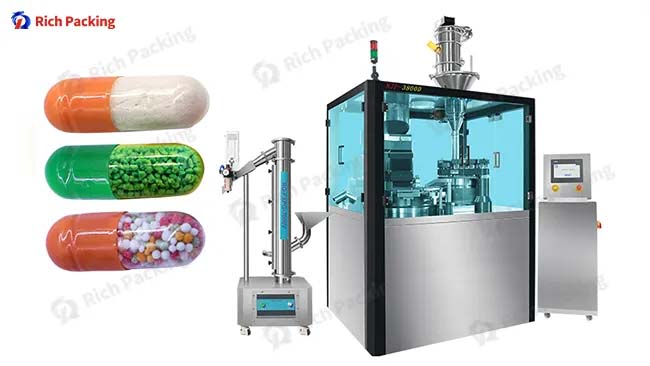
कठोर कैप्सूल में दो वियोज्य होते हैं, कठोर बेलनाकार गोले - टोपी और शरीर - भरने के बाद आपस में जुड़ने के लिए डिज़ाइन किए गए हैं. ऐतिहासिक दृष्टि से, हार्ड कैप्सूल सूखे के लिए प्राथमिक कंटेनर हैं, ठोस मौखिक खुराक प्रपत्र, पाउडर सहित, granules, छर्रों (बहुकणीय प्रणालियाँ), और माइक्रो-टैबलेट. आधुनिक प्रौद्योगिकी ने अनुप्रयोग क्षेत्र का विस्तार किया है: certain two-piece shells can also be used for liquid-filled hard capsules when the fill is non-aqueous and the closure is validated.
हार्ड कैप्सूल का औद्योगिक लाभ बहुमुखी प्रतिभा है, लेकिन वह बहुमुखी प्रतिभा इस बात पर निर्भर करती है कि कैप्सूल भरने वाली मशीन पृथक्करण को कैसे संभालती है, खुराक, और दोहराने योग्य परिशुद्धता के साथ बंद करना. उच्च-थ्रूपुट उत्पादन के लिए शेल हैंडलिंग पर कड़े नियंत्रण की आवश्यकता होती है, पाउडर प्रवाह, गोली अखंडता, और समापन बल-अन्यथा दोष वजन परिवर्तनशीलता के रूप में दिखाई देते हैं, विकृत गोले, या ख़राब लॉकिंग.
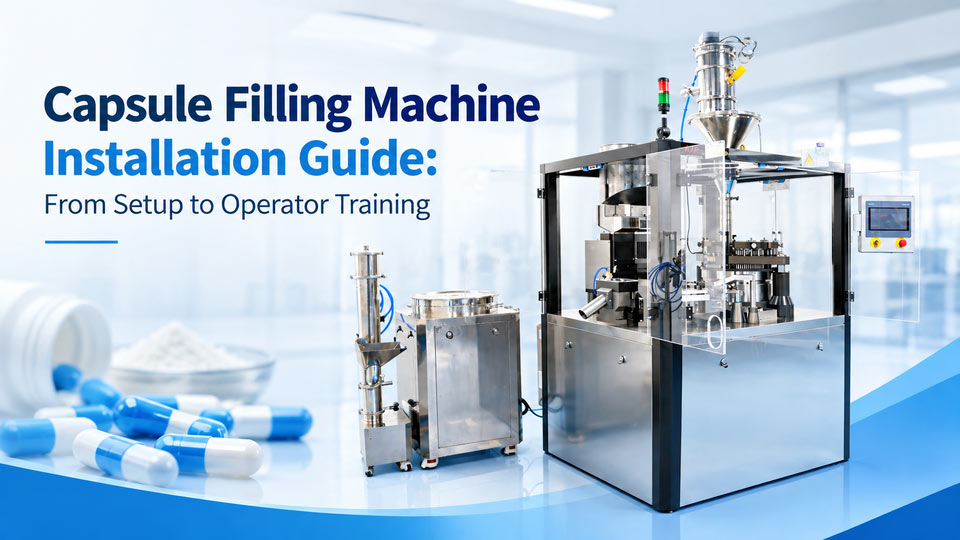
कैप्सूल भरने की मशीन चक्र (कठोर कैप्सूल)
एक उच्च-थ्रूपुट कैप्सूल भराव आमतौर पर इस अनुक्रम को निष्पादित करता है:
- कैप्सूल अभिविन्यास & खिला (चिप्स और विरूपण को कम करना)
- पृथक्करण (टोपी और शरीर को सुरक्षित रूप से पकड़ना)
- खुराक (पाउडर/गोली/तरल स्टेशन सामग्री व्यवहार से मेल खाते हैं)
- समापन & ताला (लगातार लॉक अखंडता के लिए नियंत्रित बल)
- स्राव होना (निरीक्षण और पैकेजिंग के लिए हैंडऑफ़)
सॉफ्टजेल कैप्सूल
सॉफ़्टजेल कैप्सूल (नरम जिलेटिन कैप्सूल, या "तरल जैल") एकल-इकाई हैं, निर्बाध, लोचदार गोले - अक्सर अंडाकार या गोलाकार - और भली भांति बंद करके सील किए गए. सॉफ़्टजेल तरल पदार्थ के लिए आदर्श रूप से उपयुक्त होते हैं, तेल आधारित, पायसन, या अर्धठोस भराव. सॉफ़्टजैल को बार-बार चुने जाने का एक तकनीकी कारण यह है कि सक्रिय पदार्थों को पूर्व-घुलनशील या बिखरी हुई अवस्था में प्रस्तुत करके खराब घुलनशील एपीआई के लिए जैवउपलब्धता को बढ़ाया जा सकता है।; मेलाटोनिन पर एक नैदानिक अध्ययन ने कम खुराक पर भी पाउडर फॉर्मूलेशन की तुलना में सॉफ्ट जेल कैप्सूल में जैवउपलब्धता में सुधार की सूचना दी. (PubMed)
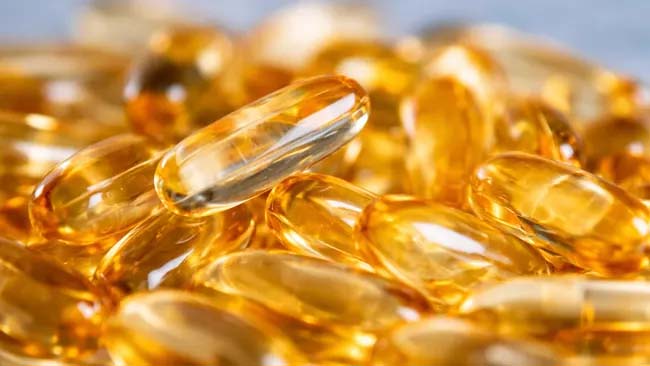
सॉफ्टजेल निर्माण हार्ड कैप्सूल फिलिंग से मौलिक रूप से अलग है. दो कठोर भागों को अलग करने और बंद करने के बजाय, सॉफ्टजेल एनकैप्सुलेशन मशीनें शेल बनाती हैं, भरण मीटर, और एक ही सतत प्रक्रिया में सील करें. शैल संरचना में आमतौर पर जिलेटिन शामिल होता है, पानी, और प्लास्टिसाइजिंग एजेंट (जैसे ग्लिसरीन या सोर्बिटोल) लोच और कठोरता को समायोजित करने के लिए - पैरामीटर जो सीधे सीम अखंडता को प्रभावित करते हैं, रिसाव का खतरा, और सुखाने का व्यवहार.
मेज़ 1 - कैप्सूल संरचना बनाम मशीन की क्षमता जो इसकी मांग करती है
| कैप्सूल परिवार | विशिष्ट भरण | मुख्य उपकरण की आवश्यकता | जहां परिशुद्धता सबसे अधिक मायने रखती है |
| कठोर कैप्सूल | पाउडर, granules, छर्रों, सूक्ष्म गोलियाँ; गैर-जलीय तरल पदार्थ का चयन करें | औद्योगिक कैप्सूल भरने की मशीन विश्वसनीय अलगाव के साथ + खुराक स्टेशन + बंद | खुराक की पुनरावृत्ति; समापन अखंडता; गोली प्रबंधन |
| सॉफ्टजेल कैप्सूल | तेल, इमल्शन, निलंबन, अर्द्ध ठोस | सॉफ़्टजेल इनकैप्सुलेशन मशीन (गठन + भरने + मुद्रण) | चिपचिपाहट/तापमान भरें; सीवन अखंडता; सुखाने पर नियंत्रण |
शैल सामग्री: जिलेटिन बनाम एचपीएमसी और स्थिरता विंडो
के अंदर कैप्सूल के प्रकार परिदृश्य, शैल सामग्री रासायनिक अनुकूलता को संचालित करती है, नमी का व्यवहार, और बाजार संरेखण. व्यवहार में, यह यह भी परिभाषित करता है कि गोले को मशीनी बनाए रखने के लिए आपकी भंडारण और हैंडलिंग विंडो कितनी संकीर्ण होनी चाहिए.
पारंपरिक जिलेटिन कैप्सूल
जिलेटिन कैप्सूल लंबे समय से स्थापित उद्योग मानक हैं. जिलेटिन के गोले पशु-व्युत्पन्न हैं (कोलेजन आधारित) और आमतौर पर एसिड का उपयोग करके संसाधित किया जाता है (टाइप करो) या क्षार (टाइप बी) तरीकों. उनके पास एक कार्यात्मक नमी सीमा भी है: जब आर्द्रता बहुत कम हो, यांत्रिक तनाव के तहत गोले भंगुर हो सकते हैं और टूट सकते हैं; जब आर्द्रता बहुत अधिक हो, गोले नरम और विकृत हो सकते हैं.
हार्ड जिलेटिन कैप्सूल के लिए व्यापक रूप से उद्धृत नियंत्रण विंडो है 15-25°C और 35-65% सापेक्ष आर्द्रता (आरएच), जो कैप्सूल की नमी को कार्यशील सीमा में रखने में मदद करता है और भंगुरता के जोखिम को कम करता है.
नमी के प्रति संवेदनशील एपीआई के लिए, मुख्य बात यह नहीं है कि जिलेटिन "खराब" है,"लेकिन जिलेटिन के गोले को पूरी आपूर्ति श्रृंखला में खोल और भराव को स्थिर रखने के लिए सख्त पर्यावरण और पैकेजिंग अनुशासन की आवश्यकता होती है.
एचपीएमसी (शाकाहारी) कैप्सूल
हायड्रोक्सीप्रोपायल मिथायलसेलुलॉज (एचपीएमसी) कैप्सूल सेलूलोज़ से प्राप्त होते हैं और शाकाहारियों के लिए व्यापक रूप से उपयोग किए जाते हैं, शाकाहारी, कोषेर, या हलाल पोजीशनिंग. तकनीकी तौर पर, एचपीएमसी कैप्सूल में अक्सर नमी की मात्रा कम होती है और कुछ अनुप्रयोगों में जिलेटिन की तुलना में अधिक मजबूत आर्द्रता लचीलापन दिखा सकते हैं.
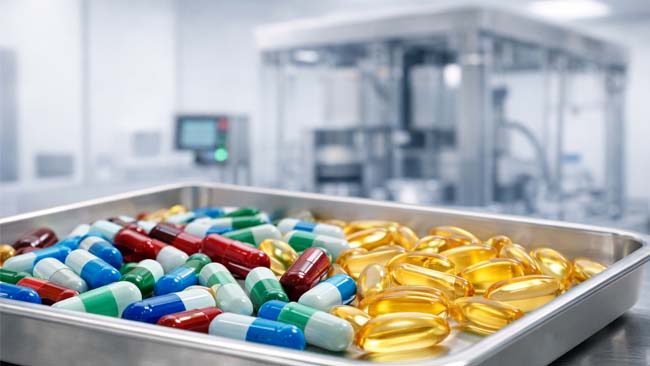
एचपीएमसी को उन अपेक्षाओं को संभालते हुए देखना आम है जो जिलेटिन की तुलना में व्यापक आरएचपीएमसीरेंज को सहन करते हैं (अक्सर आसपास तक उद्धृत किया जाता है 70% आरएचपीएमसीविशिष्ट भंडारण मान्यताओं के तहत), यही एक कारण है कि एचपीएमसी को अक्सर नमी-संवेदनशील या हीड्रोस्कोपिक भराव के लिए माना जाता है.
ने कहा कि, जब फॉर्मूलेशन अत्यधिक हीड्रोस्कोपिक या ऑक्सीजन-संवेदनशील हो तो कोई भी शेल अच्छी बैरियर पैकेजिंग का विकल्प नहीं है - शेल चयन और पैकेजिंग डिज़ाइन को एक प्रणाली के रूप में माना जाना चाहिए.
मेज़ 2 -जिलेटिन बनाम एचपीएमसी कैप्सूल: व्यावहारिक तकनीकी अंतर
| पैरामीटर | जिलेटिन कैप्सूल | एचपीएमसी (शाकाहारी) कैप्सूल |
| मूल | पशु कोलेजन; टाइप करो / टाइप बी प्रोसेसिंग | सेलूलोज़-व्युत्पन्न (पौधे के रेशे) |
| नमी का व्यवहार | कम आरएच पर भंगुर; उच्च आरएच पर नरम | कम नमी; कुछ उपयोगों में व्यापक आर्द्रता लचीलापन |
| आमतौर पर भंडारण विंडो का हवाला दिया जाता है | 15-25°C; 35-65% आरएच | 15-30°C; ~70% आरएच तक |
| सर्वोत्तम-फिट परियोजनाएँ | नियंत्रित वातावरण के अंतर्गत मानक भरता है | नमी-संवेदनशील भराव; आहार स्थिति |
| कुंजी सत्यापन | यांत्रिक अखंडता + पैकेजिंग बैरियर मैच | विघटन प्रोफ़ाइल + शैल-भरण अनुकूलता |
कार्यात्मक डिजाइन: आंतों का, निरंतर, और नियंत्रित रिलीज
की एक परिष्कृत श्रेणी कैप्सूल के प्रकार कैप्सूल को केवल एक कंटेनर के रूप में नहीं मानता है, लेकिन गैस्ट्रोइंटेस्टाइनल ट्रैक्ट के भीतर दवा की रिलीज प्रोफ़ाइल को नियंत्रित करने वाले एक इंजीनियर घटक के रूप में.
विलंबित विज्ञप्ति (आंत्र-लेपित) कैप्सूल
विलंबित-रिलीज़ फॉर्मूलेशन पेट में तत्काल रिलीज़ को रोकने के लिए डिज़ाइन किए गए हैं. सबसे आम तरीका है आंत्रिक कोटिंग: कैप्सूल या इसकी सामग्री पर लगाया जाने वाला एक पॉलिमर अवरोध जो अत्यधिक अम्लीय पेट के वातावरण में बरकरार रहता है और कम अम्लीय वातावरण में घुल जाता है (या क्षारीय) छोटी आंत का वातावरण. इस डिज़ाइन का उपयोग एसिड-संवेदनशील एपीआई को गिरावट से बचाने और कुछ दवा पदार्थों के लिए गैस्ट्रिक जलन को कम करने के लिए किया जाता है.
व्यवहार में, एंटरिक प्रदर्शन दो चीजों से परिभाषित होता है: पीएच संक्रमण के बाद एसिड में प्रतिरोध और विश्वसनीय विघटन/विघटन. वह आवश्यकता चर्चा को विनिर्माण नियंत्रण-कोटिंग एकरूपता पर वापस खींचती है, शेल-कोटिंग अनुकूलता, और नमी कंडीशनिंग सभी प्रभावित करते हैं कि क्या "विलंबित" प्रोफ़ाइल लगातार बैच दर बैच है.
सतत और नियंत्रित-रिलीज़ कैप्सूल
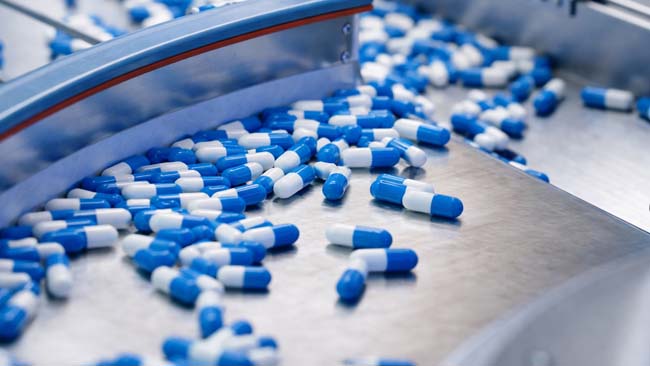
सतत-रिलीज़ और नियंत्रित-रिलीज़ कैप्सूल को लंबे समय तक सक्रिय सामग्री जारी करने के लिए इंजीनियर किया जाता है. एक सामान्य डिज़ाइन दृष्टिकोण लेपित छर्रों को भरना है (बहुकणीय इकाइयाँ) एक कैप्सूल खोल में; गोली के आकार में 0.5-1.5 मिमी श्रेणी (लगभग 500-1500 माइक्रोन).
इस बहु-कणीय दृष्टिकोण का प्राथमिक लाभ प्रोफ़ाइल स्थिरता और लचीलापन है. अंतिम रिलीज वक्र को आकार देने के लिए विभिन्न गोली आबादी को मिश्रित किया जा सकता है, जबकि कैप्सूल सुविधाजनक खुराक कंटेनर के रूप में कार्य करता है. उपकरण की दृष्टि से, ये उत्पाद परिशुद्धता बार बढ़ाते हैं. The पूरी तरह से स्वचालित कैप्सूल मशीन कोमल और अत्यधिक दोहराने योग्य होने के लिए इंजीनियर किए गए पेलेट स्टेशनों से सुसज्जित होना चाहिए. समान गोली फैलाव और खुराक स्थिरता आवश्यक है क्योंकि छोटे विचलन इच्छित रिलीज प्रोफ़ाइल को स्थानांतरित कर सकते हैं.
परिशुद्ध ड्राइवर: कैप्सूल का आकार, थोक घनत्व, और उपकरण क्षमता
औद्योगिक खुराक की सटीकता थोक निर्माण गुणों के मिलान पर निर्भर करती है कैप्सूल का आकार और भरने वाले उपकरण की यांत्रिक क्षमताओं के लिए. मानक हार्ड कैप्सूल आकार को संख्यात्मक रूप से कोडित किया जाता है 000 (सबसे बड़ा) नीचे तक 5 (सबसे छोटा). व्यावहारिक भरण भार केवल आयतन से परिभाषित नहीं होता है; यह थोक घनत्व और कण आकार वितरण पर निर्भर करता है. पाउडर भरने का वजन आकार और घनत्व के अनुसार व्यापक रूप से भिन्न होता है, और फॉर्मूलेशन के थोक घनत्व के आधार पर बड़े कैप्सूल के लिए ग्राम रेंज तक पहुंच सकता है.
क्योंकि घनत्व और प्रवाह व्यवहार खुराक परिवर्तनशीलता को संचालित करते हैं, सूत्रीकरण और उपकरण अविभाज्य हैं. एक उच्च गुणवत्ता कैप्सूल फिलर मशीन करने की क्षमता:
- स्थिर के साथ आवश्यक कैप्सूल आकार को कवर करें, दोहराने योग्य परिवर्तन
- सूत्रीकरण के अनुकूल खुराक सिद्धांतों का समर्थन करें (पाउडर, गोली, या तरल)
- औद्योगिक थ्रूपुट पर समापन स्थिरता बनाए रखें
- निरीक्षण और डाउनस्ट्रीम पैकेजिंग इंटरफेस को एकीकृत करें
भौतिक विशेषताएँ रोगी के उपयोग और सुरक्षा से भी जुड़ी होती हैं. एफडीए मार्गदर्शन इस बात पर प्रकाश डालता है कि भौतिक विशेषताओं में अंतर है (आकार और आकृति सहित) रोगी के अनुपालन और स्वीकार्यता को प्रभावित कर सकता है या दवा त्रुटियों में योगदान कर सकता है - यह पुष्ट करता है कि कैप्सूल के आयाम और उपस्थिति "सिर्फ ब्रांडिंग" क्यों नहीं हैं।
सीजीएमपी और प्रक्रिया-नियंत्रण संबंधी विचार
जब कैप्सूल प्रोग्राम बड़े पैमाने पर संघर्ष करते हैं, मूल कारण अक्सर नमी पर नियंत्रण का नुकसान होता है, यांत्रिक तनाव, या व्यवहार भरें—अकेले कैप्सूल प्रकार नहीं. दो सिद्धांत लगातार मायने रखते हैं:
- पर्यावरण नियंत्रण: मशीनीकरण को संरक्षित करने के लिए चयनित शेल सामग्री के लिए एक सहमत विंडो के भीतर तापमान और आरएच को बनाए रखना.
- सिस्टम संरेखण: शेल सुनिश्चित करना, भरना, खुराक स्टेशन, और प्राथमिक पैकेजिंग बैरियर को एक साथ काम करने के लिए डिज़ाइन किया गया है - विशेष रूप से हाइग्रोस्कोपिक एपीआई या ऑक्सीजन-संवेदनशील तेलों के लिए.
सीजीएमपी संदर्भ में, लक्ष्य साक्ष्य-आधारित दोहराव है: स्थिर खुराक प्रदर्शन, समापन अखंडता, और रिलीज़-प्रोफ़ाइल सत्यापन (जहाँ संशोधित रिलीज़ का उपयोग किया जाता है). इसीलिए उपकरण साक्ष्य भी मायने रखता है. उदाहरण के लिए, रुइडापैकिंग पर, आउटगोइंग कैप्सूल मशीनों को आम तौर पर शिपमेंट से पहले 24 घंटे के निरंतर चलने और 8 घंटे की उच्च-लोड सत्यापन विंडो के साथ सत्यापित किया जाता है - छोटे प्रदर्शनों पर भरोसा करने के बजाय प्रदर्शन स्थिरता दिखाने का एक व्यावहारिक तरीका.
निष्कर्ष
को समझने का सबसे उपयोगी तरीका कैप्सूल के प्रकार एक इंजीनियर्ड सिस्टम के रूप में है: संरचना इनकैप्सुलेशन मार्ग को परिभाषित करती है, शेल सामग्री स्थिरता व्यवहार और बाजार संरेखण निर्धारित करती है, और कार्यात्मक डिजाइन (आंतों का, निरंतर, नियंत्रित रिलीज) जठरांत्र संबंधी मार्ग में प्रदर्शन को नियंत्रित करें. हर वर्ग में, चिकित्सीय परिणाम औद्योगिक पुनरावृत्ति पर निर्भर करते हैं - इसलिए कैप्सूल तकनीक अंततः सटीक उपकरणों से जुड़ी होती है. यदि आपकी उत्पाद रणनीति के लिए एकाधिक कैप्सूल प्रारूपों की आवश्यकता है (पाउडर + छर्रों + तरल पदार्थ, या तत्काल रिलीज़ के साथ-साथ संशोधित रिलीज़), सुनिश्चित करें कि आपकी पूरी तरह से स्वचालित कैप्सूल मशीन की क्षमता की योजना जल्दी बनाई गई है, क्योंकि यह निर्धारित करता है कि पैमाने के अनुसार क्या यथार्थवादी है.
अक्सर पूछे जाने वाले प्रश्न
1) कैप्सूल के प्राथमिक संरचनात्मक प्रकार क्या हैं??
कैप्सूल को मुख्य रूप से हार्ड कैप्सूल में वर्गीकृत किया गया है (दो-टुकड़ा सिस्टम) और सॉफ़्टजैल कैप्सूल (एकल-इकाई, भली भांति बंद करके सील किए गए गोले).
2) आमतौर पर इनकैप्सुलेट करने के लिए हार्ड कैप्सूल का क्या उपयोग किया जाता है??
हार्ड कैप्सूल का उपयोग पारंपरिक रूप से पाउडर के लिए किया जाता है, granules, छर्रों, और माइक्रो-टैबलेट, और कुछ प्रौद्योगिकियाँ गैर-जलीय तरल पदार्थों को मान्य दो-टुकड़े वाले गोले में अनुमति देती हैं.
3) सॉफ्टजेल कैप्सूल किसके लिए सबसे उपयुक्त हैं??
सॉफ़्टजैल तेलों के लिए सबसे उपयुक्त हैं, इमल्शन, निलंबन, और अर्ध-ठोस भराव जहां एक भली भांति बंद सील और ऑक्सीकरण या अस्थिरता के खिलाफ सुरक्षा महत्वपूर्ण है.
4) सॉफ़्टजैल कुछ एपीआई के लिए जैवउपलब्धता में सुधार क्यों कर सकते हैं??
सॉफ़्टजैल एक एपीआई को घुलनशील या बिखरे हुए रूप में प्रस्तुत कर सकते हैं, जो खराब घुलनशील यौगिकों के अवशोषण में सुधार कर सकता है. सॉफ्ट जेल कैप्सूल में बेहतर मेलाटोनिन जैवउपलब्धता के प्रमाण मौजूद हैं.
5) जिलेटिन कैप्सूल और के बीच मुख्य अंतर क्या है? एचपीएमसी कैप्सूल?
जिलेटिन के गोले जानवरों से प्राप्त होते हैं और नमी के प्रति संवेदनशील होते हैं; एचपीएमसी शैल सेलूलोज़-व्युत्पन्न हैं, अक्सर नमी कम होती है, और कुछ अनुप्रयोगों में व्यापक आर्द्रता लचीलापन दिखा सकता है.
6) एंटरिक कोटिंग क्या है?
एक आंत्रिक लेप (एक प्रकार का फिल्म कोटिंग) एक बहुलक अवरोध है जो पेट के एसिड का प्रतिरोध करता है और आंत में घुल जाता है, विलंबित रिलीज़ को सक्षम करना.
7) नियंत्रित-रिलीज़ कैप्सूल में छर्रों का क्या महत्व है??
छर्रों में संशोधित-रिलीज़ कोटिंग होती है; उनकी अखंडता और खुराक की एकरूपता इच्छित रिलीज़ प्रोफ़ाइल को बनाए रखने के लिए आवश्यक है.
8) कैप्सूल का आकार विनिर्माण को कैसे प्रभावित करता है??
कैप्सूल आकार से चलते हैं 000 को 5, और व्यावहारिक भरण भार थोक घनत्व और कण आकार वितरण पर बहुत अधिक निर्भर करता है, जो खुराक की पुनरावृत्ति को प्रभावित करता है.
संदर्भ
एफडीए: आकार, आकार, और जेनेरिक टैबलेट और कैप्सूल के अन्य भौतिक गुण (अक्टूबर 2022). (हम. खाद्य और औषधि प्रशासन)
PubMed: सॉफ्ट जेल कैप्सूल मनुष्यों में मेलाटोनिन की जैवउपलब्धता में सुधार करते हैं (2014). (PubMed)