रुइडा पैकिंग रोटरी टैबलेट प्रेस मशीन
परिचय
बहुत से लोग इससे जुड़ते हैं रोटरी टैबलेट प्रेस उच्च मात्रा में फार्मास्युटिकल विनिर्माण के साथ. व्यवहार में, तथापि, जैसे-जैसे फार्मास्युटिकल कंपनियां नए फॉर्मूलेशन विकसित कर रही हैं, छोटे बैच का उत्पादन तेजी से आम हो गया है, नैदानिक परीक्षण सामग्री का निर्माण, सत्यापन बैच तैयार करें, और सीमित बाजार मांग के साथ विशिष्ट उत्पाद पेश करें. इन उत्पादन चरणों में ऐसे उपकरणों की आवश्यकता होती है जो लगातार उत्पाद परिवर्तन को समायोजित करने के लिए पर्याप्त लचीले रहते हुए लगातार टैबलेट गुणवत्ता प्रदान करते हैं.
एक अच्छी तरह से डिज़ाइन की गई टैबलेट प्रेस मशीन प्रक्रिया स्थिरता से समझौता किए बिना इन आवश्यकताओं को पूरा कर सकती है. त्वरित टूलींग प्रतिस्थापन जैसी सुविधाएँ, समायोज्य संपीड़न पैरामीटर, कुशल सफाई, और स्केलेबल आउटपुट एक रोटरी टैबलेट प्रेस को वर्तमान उत्पादन आवश्यकताओं और भविष्य के विस्तार दोनों का समर्थन करने की अनुमति देता है. केवल बड़े वाणिज्यिक संयंत्रों को सेवा प्रदान करने के बजाय, अपेक्षाकृत छोटे बैच आकार के साथ फार्मास्युटिकल टैबलेट उत्पादन में विश्वसनीय प्रदर्शन चाहने वाले निर्माताओं के लिए रोटरी सिस्टम एक व्यावहारिक विकल्प बन गया है.
यह आलेख बताता है कि रोटरी टैबलेट प्रेस कैसे काम करती है, वे विशेषताएँ जो इसे छोटे बैच के उत्पादन के लिए उपयुक्त बनाती हैं, उत्पादकता और जीएमपी विनिर्माण को प्रभावित करने वाले प्रमुख कारक, और दीर्घकालिक फार्मास्युटिकल विनिर्माण के लिए उपकरण का चयन करते समय क्या विचार करना चाहिए.
1. फार्मास्युटिकल उत्पादन में टैबलेट प्रेस मशीन
हालाँकि टैबलेट प्रेस मशीनें विभिन्न कॉन्फ़िगरेशन में उपलब्ध हैं, रोटरी टैबलेट प्रेस अधिकांश दवा निर्माताओं के लिए मानक विकल्प बन गया है. इसका सतत संचालन सिद्धांत, स्थिर संपीड़न प्रक्रिया, और स्केलेबल क्षमता समान उपकरण प्लेटफ़ॉर्म को फॉर्मूलेशन विकास का समर्थन करने की अनुमति देती है, पायलट उत्पादन, सत्यापन बैच, और वाणिज्यिक विनिर्माण.
टेबलेट प्रेस मशीन क्या है?
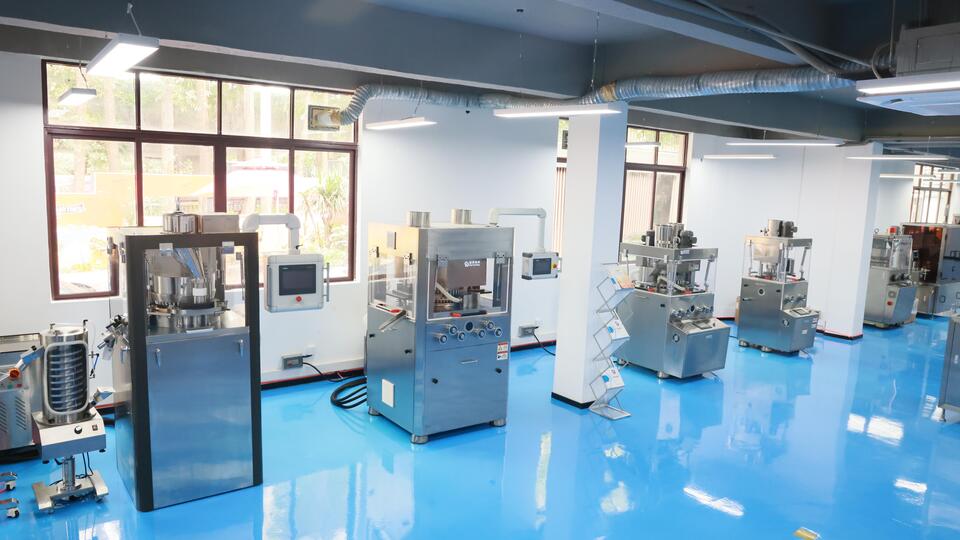
एक टैबलेट प्रेस मशीन पाउडर को संपीड़ित करके टैबलेट बनाती है, granules, या गोली ऊपरी और निचले छिद्रों के माध्यम से लागू नियंत्रित यांत्रिक दबाव के तहत मिश्रित होती है। उत्पाद की आवश्यकताओं के आधार पर, गोलियाँ गोल आकार में निर्मित की जा सकती हैं, अंडाकार, कैप्सूल के आकार का, अंगूठी के आकार का, या विभिन्न व्यासों के साथ अनुकूलित रूप, मोटाई, और उभार पैटर्न. आज के फार्मास्युटिकल टैबलेट उत्पादन में, रोटरी टैबलेट प्रेस को व्यापक रूप से अपनाया जाता है क्योंकि यह फॉर्मूलेशन की एक विस्तृत श्रृंखला में लगातार टैबलेट गुणवत्ता के साथ निरंतर संचालन को जोड़ता है.
रोटरी टैबलेट संपीड़न कैसे काम करता है
एक रोटरी टेबलेट प्रेस में, संपीड़न तब होता है जब बुर्ज भरने के लिए क्रमिक स्टेशनों के माध्यम से घूमता है, खुराक, पूर्व संपीड़न, मुख्य संपीड़न, और गोलियों को बाहर निकालना। कई पंच और डाई स्टेशन घूमने वाले बुर्ज के साथ चलते हैं, प्रत्येक स्टेशन को एक ही समय में संपीड़न चक्र के एक अलग चरण को पूरा करने की अनुमति देता है.
संपीड़न बल, बुर्ज गति, गहराई भरें, और फीडर सेटिंग्स को स्वतंत्र रूप से समायोजित किया जा सकता है. यह लचीलापन एक ही टैबलेट प्रेस मशीन को विभिन्न व्यास वाली टैबलेट बनाने में सक्षम बनाता है, मोटाई, कठोरता की आवश्यकताएँ, और समग्र परिचालन सिद्धांत को बदले बिना फॉर्मूलेशन. उत्पाद परिवर्तन के दौरान, घूंसे, मर जाता है, और अगले बैच के शुरू होने से पहले फीडिंग घटकों को उत्पादन आवश्यकताओं के अनुसार बदला जा सकता है.
2. छोटे बैच के फार्मास्युटिकल उत्पादन के लिए रोटरी टैबलेट प्रेस
हालाँकि छोटे बैच के उत्पादन में बड़े वाणिज्यिक विनिर्माण की तुलना में कम टैबलेट शामिल होते हैं, उपकरण की आवश्यकताएं अक्सर अधिक मांग वाली होती हैं. निर्माताओं को उत्पाद की गुणवत्ता को संतुलित करना चाहिए, उत्पादन लचीलापन, सफाई दक्षता, और विभिन्न फॉर्मूलेशनों में लगातार टैबलेट प्रदर्शन को बनाए रखते हुए भविष्य में विस्तार. एक अच्छी तरह से डिज़ाइन की गई टैबलेट प्रेस मशीन को दैनिक संचालन में अनावश्यक जटिलता जोड़े बिना इन आवश्यकताओं का समर्थन करना चाहिए.
छोटे बैच उत्पादन के लिए उत्पादन आवश्यकताएँ
निरंतर उच्च-मात्रा विनिर्माण के विपरीत, छोटे बैच के उत्पादन में अक्सर फॉर्मूलेशन विकास शामिल होता है, सत्यापन बैच, पायलट उत्पादन, और अपेक्षाकृत कम बाजार मांग वाले उत्पाद. उत्पादन कार्यक्रम अधिक बार बदलते हैं, और निर्माता छोटी अवधि के भीतर एक ही उपकरण पर कई अलग-अलग उत्पादों को संसाधित कर सकते हैं. प्रत्येक बदलाव के लिए टूलींग प्रतिस्थापन की आवश्यकता होती है, सफाई सत्यापन, पैरामीटर समायोजन, और अगला बैच शुरू होने से पहले उत्पादन फिर से शुरू हो जाएगा.
इन परिचालन स्थितियों के तहत, एक टैबलेट प्रेस मशीन को लगातार टैबलेट वजन बनाए रखते हुए तेजी से उत्पाद परिवर्तन की अनुमति देनी चाहिए, कठोरता, मोटाई, और दिखावट. उपकरण को सीधी सफाई प्रक्रियाओं का भी समर्थन करना चाहिए, दोहराने योग्य प्रक्रिया सेटिंग्स, और स्केलेबल उत्पादन क्षमता. ये क्षमताएं निर्माताओं को गैर-उत्पादन समय कम करने में मदद करती हैं, प्रक्रिया सत्यापन को सरल बनाएं, और फार्मास्युटिकल टैबलेट उत्पादन के दौरान स्थिर गुणवत्ता बनाए रखें.
3. छोटे बैच उत्पादन वातावरण में रोटरी टैबलेट प्रेस के प्रदर्शन का आकलन
उच्च-मात्रा विनिर्माण के विपरीत, छोटे बैच का उत्पादन अधिकतम उत्पादन की तुलना में लचीलेपन पर अधिक जोर देता है. फार्मास्युटिकल निर्माता अक्सर छोटे उत्पादन चक्रों में कई फॉर्मूलेशन संसाधित करते हैं, बार-बार उत्पाद परिवर्तन की आवश्यकता, बार-बार सफाई, और उत्पादन मापदंडों का तेजी से समायोजन. एक ही समय पर, महंगे कच्चे माल और सख्त गुणवत्ता की आवश्यकताएं असंगत टैबलेट वजन या अनावश्यक सामग्री हानि के लिए बहुत कम जगह छोड़ती हैं.
इन कारणों से, रोटरी टैबलेट प्रेस का चयन करने में उत्पादन क्षमता की तुलना करने से कहीं अधिक शामिल है. निर्माताओं को यह मूल्यांकन करना चाहिए कि मशीन विभिन्न पाउडर विशेषताओं को कितने प्रभावी ढंग से संभालती है, तीव्र टूलींग परिवर्तनों का समर्थन करता है, बैचों के बीच सफाई को सरल बनाता है, और कच्चे माल के उपयोग में सुधार होता है. इन व्यावहारिक विचारों का उत्पादन दक्षता पर सीधा प्रभाव पड़ता है, परिचालन लागत, और दीर्घकालिक विनिर्माण लचीलापन.
विभिन्न पाउडर विशेषताओं के लिए स्थिर फीडिंग
छोटे बैच के उत्पादन में सबसे बड़ी चुनौतियों में से एक यह है कि कच्चे माल के गुण अक्सर एक फॉर्मूलेशन से दूसरे फॉर्मूलेशन में बदलते रहते हैं. कुछ चूर्ण स्वतंत्र रूप से मृत गुहाओं में प्रवाहित होते हैं, जबकि अन्य एकजुट हैं, चिपचिपा, या इसमें महीन कण होते हैं जो असमान रूप से पाटने या पोषण करने की प्रवृत्ति रखते हैं. यदि आहार प्रणाली इन भिन्नताओं के अनुकूल नहीं बन पाती है, असंगत डाई फिलिंग हो सकती है, जिसके परिणामस्वरूप टैबलेट के वजन में भिन्नता होती है, अतिरिक्त ऑपरेटर हस्तक्षेप, और उत्पादन का समय बर्बाद किया.
इस कारण से, लचीली फार्मास्युटिकल विनिर्माण के लिए रोटरी टैबलेट प्रेस का चयन करते समय फीडिंग सिस्टम मूल्यांकन करने वाले पहले क्षेत्रों में से एक है. बहु-उत्पाद उत्पादन के लिए बनाई गई मशीनों में आम तौर पर फॉर्मूलेशन की एक विस्तृत श्रृंखला में स्थिर पाउडर वितरण बनाए रखने के लिए डिज़ाइन की गई विशेषताएं शामिल होती हैं, शामिल:
- विभिन्न प्रवाह क्षमता और चिपचिपाहट वाली सामग्रियों के लिए तीन-परत बल फीडर
- विभिन्न फॉर्मूलेशन विशेषताओं से मेल खाने के लिए समायोज्य फीडर गति
- पीएलसी नियंत्रण प्रणाली या हैंडव्हील के माध्यम से त्वरित भरण-गहराई समायोजन, फॉर्मूलेशन के बीच स्विच करते समय ऑपरेटरों को टैबलेट के वजन को आसानी से ठीक करने की अनुमति मिलती है
- स्थिर फीडिंग प्रदर्शन जो उत्पादन के दौरान लगातार टैबलेट वजन बनाए रखने में मदद करता है
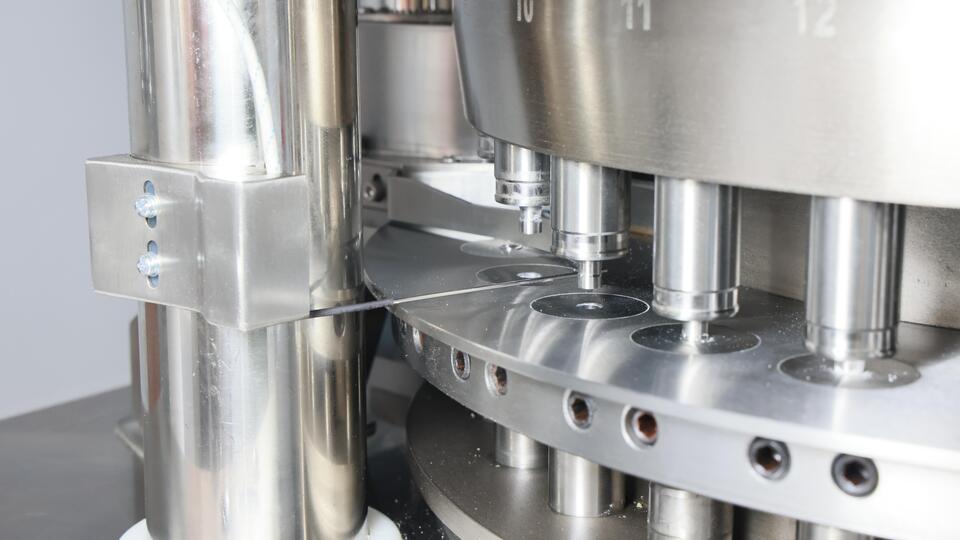
एएलटी: फोर्स फीडर
गुरुत्व आधारित प्रणालियों की तुलना में, एक बल फीडर सक्रिय रूप से पाउडर को डाई कैविटी में स्थानांतरित करता है, स्थिरता भरने पर सामग्री प्रवाह विशेषताओं के प्रभाव को कम करना. चिपचिपे फॉर्मूलेशन को संसाधित करते समय यह विशेष रूप से मूल्यवान हो जाता है, ख़राब बहने वाला पाउडर, या विभिन्न कण आकार और थोक घनत्व वाले एपीआई वाले उत्पाद. उत्पादन के दौरान बार-बार मानवीय हस्तक्षेप की आवश्यकता के बजाय, फॉर्मूलेशन में बदलाव के बाद स्थिर टैबलेट गुणवत्ता बनाए रखने के लिए ऑपरेटर पीएलसी इंटरफ़ेस के माध्यम से प्रक्रिया मापदंडों को जल्दी से समायोजित कर सकते हैं.
आज, फार्मास्युटिकल रोटरी टैबलेट प्रेस डिजाइनों में ये फीडिंग अवधारणाएं तेजी से आम हो गई हैं. रूइडा पैकिंग सहित निर्माताओं के उपकरण, स्लाइस, कोर्श, और आईएमए विभिन्न प्रकार के फार्मास्युटिकल फॉर्मूलेशन में फीडिंग स्थिरता में सुधार और विश्वसनीय उत्पादन का समर्थन करने के लिए समान इंजीनियरिंग सिद्धांतों को अपनाता है.
एकाधिक टैबलेट डिज़ाइनों के लिए तेज़ टूलींग परिवर्तन
छोटे बैच के उत्पादन में, उत्पाद विविधता अक्सर अधिक होती है, जबकि बैच का आकार अपेक्षाकृत छोटा रहता है. निर्माता अक्सर अलग-अलग टैबलेट व्यास के बीच स्विच करते हैं, आकार, मोटाई, और यहां तक कि एक ही उत्पादन अनुसूची के भीतर उभरे हुए डिज़ाइन भी. नतीजतन, टूलींग परिवर्तन समग्र उत्पादन दक्षता को प्रभावित करने वाला एक महत्वपूर्ण कारक बन जाता है.
एक उत्पादन-उन्मुख टैबलेट प्रेस को जटिल यांत्रिक पुनर्गणना की आवश्यकता के बिना तेजी से और दोहराए जाने वाले टूलींग परिवर्तनों का समर्थन करना चाहिए. मुख्य डिज़ाइन संबंधी विचारों में आम तौर पर शामिल हैं:
- मानकीकृत पंच और डाई प्रणाली (यूरोपीय संघ / टीएसएम अनुरूप)
- टूलींग सेट की त्वरित स्थापना और संरेखण
- मोल्ड प्रतिस्थापन के बाद समायोजन चरण कम हो गए
- बार-बार बैच उत्पादन के लिए स्थिर पैरामीटर प्रतिधारण
ये डिज़ाइन तत्व सीधे बदलाव के समय को कम करने और छोटे बैच उत्पादन वातावरण में परिचालन दक्षता में सुधार से जुड़े हुए हैं. मानकीकृत पंच और डाई सिस्टम बार-बार यांत्रिक समायोजन की आवश्यकता को कम करते हैं, जो विभिन्न टैबलेट बैचों के बीच टूलींग परिवर्तन प्रक्रियाओं को छोटा करने में मदद करता है. टूलींग सेट की त्वरित स्थापना और सटीक संरेखण सेटअप समय को कम करता है और उत्पादन शिफ्ट के दौरान ऑपरेटर-निर्भर विविधताओं के जोखिम को कम करता है.
मोल्ड प्रतिस्थापन के बाद आवश्यक समायोजन चरणों की संख्या को कम करके, मशीन अधिक तेजी से स्थिर उत्पादन स्थितियों में वापस आ सकती है. यह छोटे बैच के उत्पादन में विशेष रूप से महत्वपूर्ण है, जहां बार-बार उत्पाद बदलना समय के साथ बदलाव को समग्र उपकरण उपयोग को प्रभावित करने वाला एक प्रमुख कारक बनाता है.
इसके अलावा, नियंत्रण प्रणाली में स्थिर पैरामीटर प्रतिधारण पहले से मान्य सेटिंग्स को सीधे पुन: उपयोग करने की अनुमति देता है, प्रत्येक टूलींग परिवर्तन के बाद पूर्ण पुन: अंशांकन की आवश्यकता को कम करना और उत्पादन निरंतरता में और सुधार करना.
| टूलींग की आवश्यकता | मशीन डिज़ाइन फ़ीचर | उत्पादन प्रभाव |
| विभिन्न टेबलेट आकार | मानकीकृत पंच & डाई सिस्टम | बहु-उत्पाद उत्पादन सक्षम बनाता है |
| बार-बार डिज़ाइन बदलना | त्वरित-परिवर्तन टूलींग संरचना | बैचों के बीच डाउनटाइम कम कर देता है |
| उभरा हुआ लोगो भिन्नता | उच्च परिशुद्धता डाई संरेखण | टेबलेट की सुसंगत उपस्थिति सुनिश्चित करता है |
| बैच-टू-बैच पुनरावृत्ति | पीएलसी प्रणाली में पैरामीटर प्रतिधारण | बार-बार ऑर्डर के लिए तेज़ सेटअप |
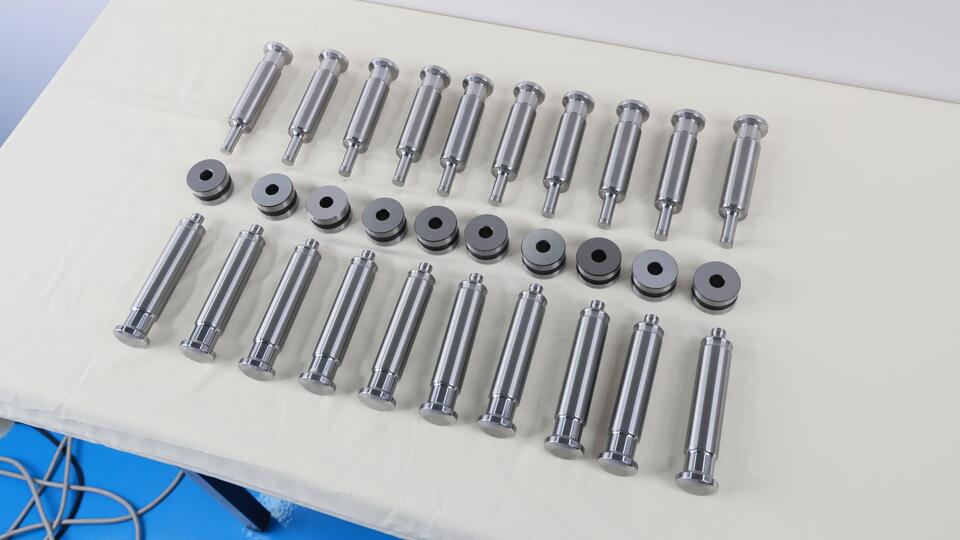
रोटरी टैबलेट प्रेस के लिए पंच और डाई टूलींग
उत्पादन बैचों के बीच आसान सफाई
छोटे बैच के फार्मास्युटिकल उत्पादन में, वास्तविक टैबलेट संपीड़न की तुलना में सफाई में अक्सर अधिक समय लगता है. चूंकि कई उत्पाद छोटे उत्पादन चक्रों के भीतर निर्मित होते हैं, क्रॉस-संदूषण और मिलन से बचने के लिए टैबलेट प्रेस को बैचों के बीच अच्छी तरह से साफ किया जाना चाहिए जीएमपी विनिर्माण आवश्यकताएँ.
मुख्य चुनौती केवल सफ़ाई का समय नहीं है, लेकिन यह भी कि मशीन को कितनी आसानी से अलग किया जा सकता है और उस तक पहुंचा जा सकता है. फीडर सिस्टम जैसे क्षेत्र, डाई टेबल, खुरचनी क्षेत्र, और उत्पाद-संपर्क सतहों पर अवशिष्ट पाउडर जमा हो जाता है, विशेष रूप से चिपचिपे या महीन फॉर्मूलेशन का प्रसंस्करण करते समय. यदि इन क्षेत्रों तक पहुंचना कठिन है, सफाई दक्षता में काफी गिरावट आती है और उत्पादन का डाउनटाइम बढ़ जाता है.
लगातार सफाई चक्रों के लिए उपयुक्त मशीन को जटिल स्वचालन के बजाय संरचनात्मक पहुंच पर ध्यान केंद्रित करना चाहिए. मुख्य डिज़ाइन सुविधाओं में शामिल हैं:
- फीडर और उत्पाद-संपर्क भागों का उपकरण-रहित पृथक्करण
- फ़ोर्स फीडर सिस्टम को शीघ्र हटाना
- पाउडर आसंजन को कम करने के लिए चिकनी सतह परिष्करण
- डाई और बुर्ज क्षेत्रों में मृत कोनों को न्यूनतम किया गया
- आसान दृश्य निरीक्षण के लिए खुली संरचना डिजाइन
ये संरचनात्मक विशेषताएं सीधे तौर पर सफाई के समय को कम करने और छोटे बैच उत्पादन वातावरण में सफाई की स्थिरता में सुधार करने से संबंधित हैं. उत्पाद-संपर्क भागों को उपकरण-रहित अलग करने से ऑपरेटरों को विशेष उपकरणों का उपयोग किए बिना फीडर और स्क्रैपर सिस्टम जैसे प्रमुख घटकों को हटाने की अनुमति मिलती है।, जो बैचों के बीच डाउनटाइम को काफी कम कर देता है.
फोर्स फीडर को तुरंत हटाने और डाई टेबल क्षेत्र तक सरलीकृत पहुंच से दुर्गम क्षेत्रों में अवशिष्ट पाउडर के संचय को कम करने में मदद मिलती है।. एक ही समय पर, चिकनी सतह की फिनिशिंग पाउडर के आसंजन को कम करती है, जिससे नियमित सफाई प्रक्रियाओं के दौरान बारीक कणों को हटाना आसान हो जाता है.
बुर्ज और उत्पाद-संपर्क क्षेत्रों में मृत कोनों को कम करके, मशीन क्रॉस-संदूषण के जोखिम को कम करती है और जीएमपी विनिर्माण आवश्यकताओं के तहत सफाई सत्यापन को सरल बनाती है. व्यवहार में, इसका मतलब यह है कि सफाई समय लेने वाली मैन्युअल प्रक्रिया के बजाय एक दोहराई जाने वाली यांत्रिक प्रक्रिया बन जाती है जिसमें आंशिक रूप से अलग करना या व्यापक स्क्रैपिंग शामिल होती है.
| सफ़ाई चुनौती | मशीन डिज़ाइन फ़ीचर | उत्पादन लाभ |
| फीडर क्षेत्र में पाउडर अवशेष | त्वरित-रिलीज़ फीडर प्रणाली | सफाई का समय कम हो गया |
| डाई टेबल में सामग्री का निर्माण | चिकनी सतह परिष्करण | अवशेषों को हटाना आसान |
| दुर्गम आंतरिक क्षेत्र | खुला संरचनात्मक डिजाइन | तेज़ जीएमपी निरीक्षण |
| क्रॉस-संदूषण का खतरा | न्यूनतम मृत कोने | बेहतर अनुपालन |
| बार-बार बैच परिवर्तन | उपकरण-रहित पृथक्करण | डाउनटाइम कम हो गया |
रोटरी टैबलेट प्रेस संचालन में सामग्री उपयोग में सुधार
छोटे बैच के फार्मास्युटिकल उत्पादन में, बड़े पैमाने पर विनिर्माण प्रक्रियाओं की तुलना में सामग्री के उपयोग का उत्पादन दक्षता और बैच स्थिरता पर अधिक प्रत्यक्ष प्रभाव पड़ता है. हालाँकि पाउडर के नुकसान की पूर्ण मात्रा सीमित दिखाई दे सकती है, बैच आकार कम होने के कारण कुल आउटपुट पर सापेक्ष प्रभाव काफी अधिक हो जाता है. सक्रिय फार्मास्युटिकल सामग्री जैसे उच्च मूल्य वाले कच्चे माल को संभालते समय यह विशेष रूप से महत्वपूर्ण है (शहद की मक्खी), जहां टैबलेट संपीड़न प्रक्रियाओं के दौरान मामूली नुकसान भी समग्र उत्पादन परिणामों को प्रभावित कर सकता है.
आधुनिक टैबलेट निर्माण प्रणालियों में, सामग्री अपशिष्ट आम तौर पर रोटरी टैबलेट प्रेस ऑपरेशन के कई चरणों से जुड़ा होता है, खिलाने सहित, भरना, और संपीड़न स्थानांतरण प्रक्रियाएं.
एक फार्मास्युटिकल टैबलेट प्रेस मशीन के भीतर, टैबलेट उत्पादन लाइन के कई प्रमुख क्षेत्रों में पाउडर का नुकसान हो सकता है, शामिल:
- अस्थिर पाउडर फीडिंग सिस्टम प्रदर्शन के कारण असंगत डाई फिलिंग
- फोर्स फीडर और डाई कैविटी के बीच स्थानांतरण के दौरान पाउडर का रिसाव
- रोटरी टैबलेट प्रेस उपकरण के संपीड़न क्षेत्र में अवशिष्ट सामग्री प्रतिधारण
- बुर्ज सिस्टम और टैबलेट संपीड़न टूलींग क्षेत्र के बीच इंटरफेस में रिसाव
- फार्मास्युटिकल संपीड़न मशीन संरचना के आंतरिक अंतराल में पाउडर का संचय जिसे उत्पादन चक्र में दोबारा शामिल नहीं किया जाता है
ये समस्याएँ छोटे पैमाने के टैबलेट उत्पादन परिवेश में अधिक स्पष्ट हैं, विशेष रूप से उन पाउडर के साथ काम करते समय जिनकी प्रवाह क्षमता अलग-अलग होती है, कण आकार वितरण, या सामंजस्य स्तर.
रोटरी टैबलेट प्रेस प्रणाली में सामग्री उपयोग दक्षता में सुधार करना, उपकरण को स्थिर पाउडर हैंडलिंग सुनिश्चित करने के लिए डिज़ाइन किया जाना चाहिए, नियंत्रित सामग्री प्रवाह, और संपूर्ण संपीड़न प्रक्रिया के दौरान आंतरिक हानि को कम किया. प्रमुख इंजीनियरिंग विचारों में शामिल हैं:
- एक सटीक पाउडर फीडिंग सिस्टम जो लगातार डाई कैविटी फिलिंग और स्थिर टैबलेट वजन भिन्नता नियंत्रण सुनिश्चित करता है
- पाउडर रिसाव और सामग्री रिसाव को कम करने के लिए बुर्ज और फीडिंग सिस्टम के बीच सख्त यांत्रिक निकासी
- स्थिर बल फीडर सिस्टम डिज़ाइन जो फार्मास्युटिकल टैबलेट संपीड़न में पाउडर वितरण एकरूपता में सुधार करता है
- पाउडर मार्गदर्शन संरचना जो अतिरिक्त सामग्री को टैबलेट फीडिंग ज़ोन और खुराक प्रणाली में वापस पुनर्निर्देशित करने में मदद करती है
- अनपेक्षित पाउडर प्रतिधारण को कम करने और सामग्री प्रवाह दक्षता में सुधार करने के लिए टैबलेट प्रेस मशीन संरचना के प्रमुख घटकों में उच्च मशीनिंग सटीकता
ये डिज़ाइन सुविधाएँ भोजन के दौरान पाउडर के व्यवहार को नियंत्रित करके सामग्री के नुकसान को कम करती हैं, स्थानांतरण, और एक रोटरी टैबलेट प्रेस प्रणाली में संपीड़न.
एक सटीक फीडिंग प्रणाली निरंतर डाई फिलिंग सुनिश्चित करती है, ओवरफिलिंग और अंडरफिलिंग को कम करना, जो पाउडर फैलने और अस्वीकृत गोलियों को कम करता है. बुर्ज और फीडर के बीच सख्त यांत्रिक निकासी पाउडर के निकलने की जगह को सीमित कर देती है, सामग्री को नियंत्रित प्रवाह पथ के भीतर रखने में मदद करना.
एक स्थिर बल फीडर एक समान पाउडर वितरण बनाए रखता है, असमान भराव को रोकना जिससे अनावश्यक बर्बादी होती है. एक पाउडर मार्गदर्शन संरचना अतिरिक्त सामग्री को वापस फीडिंग क्षेत्र में पुनर्निर्देशित करती है, इसे खो जाने के बजाय संपीड़न चक्र में फिर से प्रवेश करने की अनुमति देना.
उच्च मशीनिंग सटीकता आंतरिक अंतराल को कम करती है जहां पाउडर जमा हो सकता है, यह सुनिश्चित करना कि अधिक सामग्री उत्पादन लूप में रहे. छोटे बैच के उत्पादन में, ये तंत्र विशेष रूप से महत्वपूर्ण हैं क्योंकि छोटी हानि भी कुल सामग्री के उच्च अनुपात का प्रतिनिधित्व करती है.
4. निष्कर्ष
छोटे बैच के फार्मास्युटिकल उत्पादन में, एक रोटरी टैबलेट प्रेस का मूल्यांकन लगातार उत्पाद परिवर्तन और अलग-अलग पाउडर गुणों के तहत स्थिर प्रदर्शन बनाए रखने की क्षमता के आधार पर किया जाना चाहिए. बड़े पैमाने पर विनिर्माण की तुलना में, छोटे बैच सामग्री हानि के प्रति अधिक संवेदनशील होते हैं क्योंकि प्रत्येक बैच में सीमित कच्चा माल होता है, अक्सर उच्च-मूल्य वाले एपीआई शामिल होते हैं.
टेबलेट संपीड़न के दौरान, पाउडर की बर्बादी अस्थिर भोजन के परिणामस्वरूप हो सकती है, असंगत डाई फिलिंग, यांत्रिक निकासी, और मशीन के अंदर सामग्री का प्रतिधारण. ये समस्याएँ प्रभावी आउटपुट को कम कर सकती हैं और बैच स्थिरता को प्रभावित कर सकती हैं.
इन चुनौतियों से निपटने के लिए, एक उपयुक्त टैबलेट प्रेस को स्थिर बल फीडिंग प्रदान करनी चाहिए, सटीक यांत्रिक संरचना, नियंत्रित पाउडर स्थानांतरण, और आंतरिक अवधारण क्षेत्रों को कम कर दिया. बेहतर सफाई पहुंच और कुशल टूलींग बदलाव भी विभिन्न बैचों में स्थिर संचालन बनाए रखने में मदद करते हैं.
कुल मिलाकर, छोटे बैच के उत्पादन के लिए टैबलेट प्रेस मशीन का चयन करने के लिए सामग्री नियंत्रण पर ध्यान देने की आवश्यकता होती है, परिचालन स्थिरता, और विभिन्न फॉर्मूलेशन के लिए अनुकूलनशीलता.
अक्सर पूछे जाने वाले प्रश्न
1. छोटे बैच टैबलेट उत्पादन में पाउडर हानि अधिक महत्वपूर्ण क्यों है??
क्योंकि बैच का आकार छोटा होता है, पाउडर का मामूली नुकसान भी कुल सामग्री के उच्च अनुपात का प्रतिनिधित्व करता है. एपीआई जैसे उच्च मूल्य वाले कच्चे माल का उपयोग करते समय यह विशेष रूप से महत्वपूर्ण हो जाता है.
2. रोटरी टैबलेट प्रेस में सामग्री हानि के मुख्य कारण क्या हैं??
सामग्री की हानि मुख्यतः अस्थिर आहार के कारण होती है, असंगत डाई फिलिंग, घटकों के बीच पाउडर का रिसाव, और संपीड़न और स्थानांतरण के दौरान मशीन अंतराल के अंदर सामग्री प्रतिधारण.
3. फीडिंग सिस्टम टैबलेट की गुणवत्ता को कैसे प्रभावित करता है??
एक स्थिर फीडिंग प्रणाली प्रत्येक डाई कैविटी में लगातार पाउडर वितरण सुनिश्चित करती है, जो टैबलेट के वजन को एक समान बनाए रखने में मदद करता है और असमान भराव के कारण होने वाले बदलाव को कम करता है.
4. पाउडर अपशिष्ट को कम करने में यांत्रिक संरचना क्यों महत्वपूर्ण है??
यांत्रिक डिज़ाइन प्रभावित करता है कि मशीन के माध्यम से पाउडर कैसे चलता है. कड़ी मंजूरी, नियंत्रित स्थानांतरण पथ, और आंतरिक अंतराल कम होने से पाउडर रिसाव और अनावश्यक संचय को रोकने में मदद मिलती है.
5. फ़ोर्स फीडर डिज़ाइन उत्पादन स्थिरता में कैसे सुधार करता है??
एक बल फीडर पाउडर प्रवाह स्थिरता में सुधार करता है और सामग्री को डाई कैविटीज़ में समान रूप से वितरित करने में मदद करता है, अधिक भरने या कम भरने का जोखिम कम करना.
संदर्भ
- हम. खाद्य और औषधि प्रशासन (एफडीए). संघीय विनियम संहिता शीर्षक 21, भाग 211 - तैयार फार्मास्यूटिकल्स के लिए वर्तमान अच्छा विनिर्माण अभ्यास.
HTTPS के://www.ecfr.gov/current/title-21/chapter-I/subchapter-C/part-211 - विश्व स्वास्थ्य संगठन (कौन). WHO की अच्छी विनिर्माण प्रथाएँ (जीएमपी).
HTTPS के://www.who.int/teams/regulation-prequalification/regulation-and-safety/pharmaceuticals/good-manufacturing-practices - यूनाइटेड स्टेट्स फार्माकोपिया (खासियत). सामान्य अध्याय और फार्मास्युटिकल विनिर्माण मानक.
HTTPS के://www.usp.org - आईएसपीई (फार्मास्युटिकल इंजीनियरिंग के लिए इंटरनेशनल सोसायटी). फार्मास्युटिकल विनिर्माण के लिए अच्छी अभ्यास मार्गदर्शिकाएँ.
HTTPS के://ispe.org