
परिचय
फार्मास्युटिकल पैकेजिंग उपकरण में निवेश करना कोई नियमित खरीदारी नहीं है - यह एक लंबा चक्र है, उच्च जोखिम वाला निर्णय जो विनियामक अनुपालन को प्रभावित करता है, उत्पादन क्षमता, और एक कारखाने की दीर्घकालिक मापनीयता. एक अच्छी पैकेजिंग मशीन सहायता करेगी सीजीएमपी आडिट, विभिन्न उत्पाद विशिष्टताओं को सुचारू रूप से चलाएँ, अपने एमईएस/ईआरपी से कनेक्ट करें, और कम से कम अगले 5-10 वर्षों तक अपग्रेड योग्य बने रहें. एक ख़राब विकल्प के कारण बार-बार डाउनटाइम का सामना करना पड़ेगा, कठिन सफ़ाई, और एक बार नियम या बाजार की मांग बदलने पर महंगे रेट्रोफिट.
आज के खरीदार - चाहे वे दवा निर्माता हों, न्यूट्रास्युटिकल ब्रांड, या अनुबंध पैकर्स - आमतौर पर कई आपूर्तिकर्ताओं की तुलना करते हैं और कई कोणों से उपकरण का मूल्यांकन करते हैं, सिर्फ कीमत नहीं. नीचे हैं10 प्रमुख कारक जिसे वैश्विक खरीदार आमतौर पर खरीदने से पहले देखते हैं फार्मास्युटिकल पैकेजिंग मशीनें जैसे टैबलेट प्रेस मशीनें, कैप्सूल भरने वाली मशीनें, टेबलेट गिनती मशीनें, ब्लिस्टर पैकेजिंग मशीनें, कार्टनिंग मशीनें.
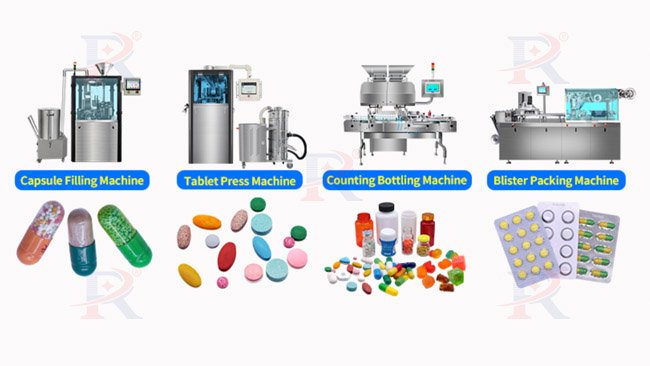
1. फार्मास्युटिकल पैकेजिंग उपकरण में जीएमपी और विनियामक अनुपालन
फार्मा जगत में, अनुपालन प्रदर्शन से पहले आता है. यदि मशीन संरचना, सामग्री, या दस्तावेज़ीकरण GMP या FDA-प्रकार का ऑडिट पास नहीं कर सकता, चाहे मशीन कितनी भी तेज क्यों न हो परियोजना आगे नहीं बढ़ेगी.
जब खरीदार जीएमपी-अनुपालक फार्मास्युटिकल पैकेजिंग उपकरण के बारे में बात करते हैं, उनका आमतौर पर मतलब होता है:
- स्वच्छ डिज़ाइन: उत्पाद-संपर्क भागों से बने स्टेनलेस स्टील 304/316एल, गोल किनारे, कोई नुकीला कोना नहीं, कोई पाउडर-प्रतिधारण अंतराल नहीं.
- साफ़-सफ़ाई: दैनिक सफाई और समय-समय पर गहरी सफाई के लिए सतहें चिकनी और सुलभ होनी चाहिए.
- स्पष्ट कार्यात्मक ज़ोनिंग: क्रॉस-संदूषण के जोखिम को कम करने के लिए उत्पाद क्षेत्र और ड्राइव/ट्रांसमिशन क्षेत्र को अन्य कार्यात्मक क्षेत्रों से अलग किया जाना चाहिए.
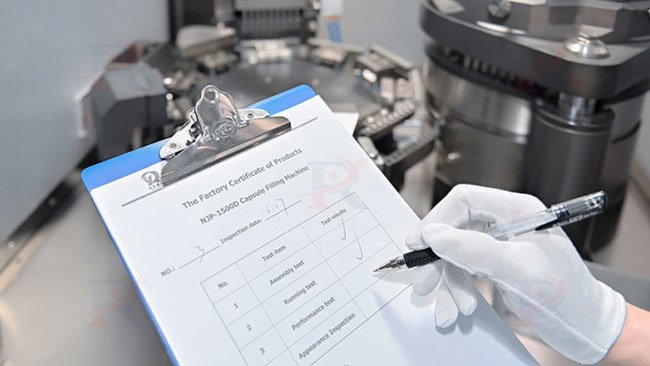
- प्रलेखन: आपूर्तिकर्ता प्रदान कर सकता हैआईक्यू (स्थापना योग्यता), OQ (परिचालन योग्यता), औरपीक्यू (प्रदर्शन योग्यता), वायर संरचना आरेख, सामग्री प्रमाण पत्र, और जहां आवश्यक हो, सीई/आईएसओ प्रमाण पत्र.
- स्थानीय नियमों के अनुरूप: हम. एफडीए 21 सीएफआर भाग 211, ईयू जीएमपी, या डब्ल्यूएचओ जीएमपी, लक्ष्य बाज़ार पर निर्भर करता है.
यह क्यों मायने रखता है?: एक पैकेजिंग लाइन जिसे पहले दिन से जीएमपी के आसपास डिज़ाइन किया गया है, उसे मान्य करना आसान होगा, बनाए रखना आसान है, और निरीक्षकों को समझाना आसान होगा. यह यह भी संकेत देता है कि निर्माता फार्मा को समझता है - न कि केवल सामान्य पैकेजिंग को.
2. स्वचालन स्तर और श्रम दक्षता
हाल के वर्षों में सबसे बड़े बदलावों में से एक ऑटो फार्मास्युटिकल पैकेजिंग उपकरण की ओर कदम है. श्रम व्यय में वृद्धि से इस बदलाव को बढ़ावा मिला है, निरंतरता की आवश्यकता, और रुझान की ओर 24/7 उत्पादन.
स्वचालन का मूल्यांकन करते समय, खरीदार पूछते हैं:
- क्या लाइन स्वचालित रूप से कंटेनरों को फीड कर सकती है?, बोतलों, या छाले?
- क्या यह कर सकता हैपहचानें और अस्वीकार करें दोषपूर्ण या अपूर्ण उत्पाद स्वचालित रूप से?
- अपस्ट्रीम मशीनें कर सकते हैं (टेबलेट गिनने की मशीन की तरह) डाउनस्ट्रीम वाले के साथ सिंक्रनाइज़ किया जाए (कैपिंग या कार्टनिंग मशीन की तरह)?
- प्रति शिफ्ट कितने ऑपरेटरों की आवश्यकता है? क्या एक व्यक्ति एचएमआई का प्रबंधन कर सकता है और लाइन की निगरानी कर सकता है?
- क्या रेसिपी-आधारित नियंत्रण हैं ताकि ऑपरेटरों को प्रत्येक पैरामीटर को मैन्युअल रूप से सेट न करना पड़े?
उच्च स्वचालन से प्रारंभिक निवेश में वृद्धि होती है, लेकिन विनियमित उद्योगों में यह मानवीय त्रुटि को कम करता है, बैच ट्रैसेबिलिटी में सुधार करता है, और स्थिर आउटपुट बनाए रखना आसान बनाता है. एकाधिक पारियों वाली फ़ैक्टरियों के लिए, स्वचालित लाइनें तेजी से भुगतान करती हैं क्योंकि श्रम को दोहराए जाने वाले कार्यों से गुणवत्ता और पर्यवेक्षण पर पुन: सौंपा जा सकता है.

3. उत्पादन गति बनाम. FLEXIBILITY
हर फ़ैक्टरी को सबसे तेज़ मशीन की ज़रूरत नहीं होती; सबसे अधिक उपयोगी मशीन की आवश्यकता है. आधुनिक फार्मा और न्यूट्रास्युटिकल निर्माता अक्सर चलते हैंछोटे बैच औरअधिक उत्पाद विविधताएँ - प्रति बोतल अलग-अलग गिनती, विभिन्न ब्लिस्टर लेआउट, विभिन्न कार्टन आकार, या एक ही पंक्ति में अलग-अलग खुराक के रूप भी.
इसलिए, खरीदार देखेंगे:
- बदलाव का समय: एक बोतल/ब्लिस्टर/कार्टन आकार से दूसरे आकार में स्विच करने में कितना समय लगता है.
- उपकरण-रहित परिवर्तन भाग: क्या भागों को हाथ से बदला जा सकता है?, या विशेष उपकरणों की आवश्यकता है?
- पैरामीटर भंडारण: क्या विभिन्न उत्पादों को "रेसिपी" के रूप में सहेजा जा सकता है ताकि ऑपरेटर उन्हें तुरंत कॉल कर सकें?
- विभिन्न उत्पाद प्रकारों के साथ संगतता: गोलियाँ, कैप्सूल, softgels, या यहाँ तक कि गमियाँ भी.
एक मशीन जो बहुत तेज चलती है लेकिन ले लेती है 2 आकार बदलने में लगने वाले घंटे उस मशीन की तुलना में कम वास्तविक उत्पादकता प्रदान करेंगे जो यथोचित तेज़ चलती है लेकिन 20-30 मिनट में बदल जाती है. इसीलिएFLEXIBILITY गति के समान ही महत्वपूर्ण माना जाता है. खरीदार जानते हैं कि बाज़ार बदलते हैं - इसलिए वे ऐसे पैकेजिंग उपकरण पसंद करते हैं जो उनके साथ बदल सकें.
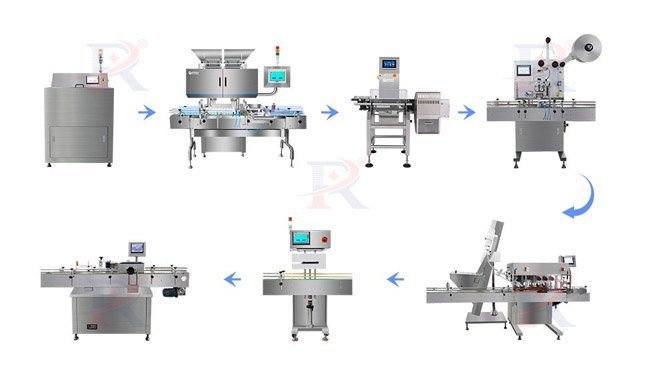
4. क्रमबद्धता, एकत्रीकरण, और पता लगाने की क्षमता
फार्मास्युटिकल उत्पाद तेजी से इसके अधीन हो रहे हैंखोज और पता नियमों. जैसे कानूनहम. डीएससीएसए औरईयू एफएमडी आवश्यकता है कि प्रत्येक बिक्री योग्य इकाई की पहचान की जा सके, सत्यापित, और आपूर्ति शृंखला में पता लगाया गया. वह आवश्यकता पैकेजिंग लाइन तक पहुंच गई है.
खरीदने से पहले, खरीदार जांच करेंगे:
- क्या मशीन लेआउट एकीकरण की अनुमति देता हैमुद्रक, दृष्टि प्रणाली, औरकोड पाठक.
- क्या रेखा कर सकती हैअस्वीकार करना अपठनीय या गलत कोड वाले आइटम.
- क्या नियंत्रण प्रणाली समर्थन करती हैडेटा विनिमय कंपनी के साथएमईएस, ईआरपी, याक्रमबद्धता सर्वर.
भले ही खरीदार के मौजूदा बाजार को क्रमांकन की आवश्यकता न हो, भविष्य में रेट्रोफ़िटिंग लागतों से बचने के लिए वे अभी भी क्रमांकन-तैयार पैकेजिंग उपकरण चाहते हैं. इन उपकरणों के लिए आरक्षित स्थान और I/O के साथ डिज़ाइन की गई मशीनों को नियम सख्त होने पर अपग्रेड करना बहुत आसान होता है.
5. सामग्री और प्रारूप संगतता
फार्मास्युटिकल और न्यूट्रास्यूटिकल कंपनियां शायद ही कभी केवल एक पैकेजिंग प्रारूप के साथ काम करती हैं. एक एकल कारखाने को ठोस गोलियों को बोतलों में और कैप्सूल को फफोले में पैक करने की आवश्यकता हो सकती है. इसीलिएसामग्री और प्रारूप अनुकूलता खरीद-पूर्व एक प्रमुख प्रश्न है.
मुख्य बातें खरीदार पुष्टि करते हैं:
- के लिएब्लिस्टर पैकेजिंग मशीनें: क्या मशीन चल सकती हैपीवीसी, पालतू, औरआलू-आलू सामग्री, और क्या यह विभिन्न फिल्मों के लिए फॉर्मिंग और सीलिंग तापमान को समायोजित कर सकता है?
- बोतल गिनती/पैकेजिंग लाइनों के लिए: क्या यह विभिन्न बोतल व्यास और ऊंचाई को संभाल सकता है, और विभिन्न प्रकार की टोपियाँ?
- के लिएस्टिक पैक मशीनें: क्या यह विभिन्न प्रवाह विशेषताओं वाले उत्पादों को संभाल सकता है (पाउडर बनाम. कणिकाओं बनाम. तरल पदार्थ) और अलग-अलग थैली के आकार?
व्यापक सामग्री सहनशीलता वाली एक मशीन खरीदार को अतिरिक्त स्टैंडअलोन इकाइयां खरीदे बिना अधिक अनुबंध प्रदान करने और नए उत्पाद लॉन्च करने की सुविधा देती है. यह अनुबंधित निर्माताओं और उन ब्रांडों के लिए विशेष रूप से आकर्षक है जो छोटे पैमाने पर बाजार का परीक्षण करते हैं.
6. सफाई, बदलाव, और सत्यापन
फार्मा में, सफ़ाई वैकल्पिक नहीं है. हर उत्पाद बदलता है, और कभी-कभी हर बैच में भी, सफ़ाई के बाद अक्सर कुछ स्तर की सफाई अवश्य की जानी चाहिएसफाई सत्यापन. यही कारण है कि खरीदार इस पर इतना जोर देते हैंसाफ़-सफ़ाई फार्मास्युटिकल पैकेजिंग उपकरण की.
इस संबंध में एक "अच्छी" मशीन कैसी दिखती है:
- उत्पाद-संपर्क भाग हो सकते हैंबिना उपकरण के हटा दिया गया.
- एक ऑपरेटर द्वारा संभाले जाने के लिए हिस्से काफी हल्के हैं.
- वहाँ हैंकोई छिपी हुई गुहा नहीं जहां पाउडर, फिल्म स्क्रैप, या गोलियाँ जमा हो सकती हैं.
- आपूर्तिकर्ता प्रदान करता हैस्पष्ट एसओपी जुदा करने के लिए, सफाई, और पुनः संयोजन.
- मशीन की संरचना अनुमति देती हैदृश्य निरीक्षण इसलिए QA सफ़ाई की पुष्टि कर सकता है.
मशीन को उतनी ही तेजी से साफ और मान्य किया जा सकता है, लाइन का डाउनटाइम उतना ही कम होगा. उन सुविधाओं के लिए जो उत्पादों की एक विस्तृत श्रृंखला चलाती हैं या संवेदनशील/नियंत्रित उत्पादों को संभालती हैं, तेजी से सफाई लाभ का प्रत्यक्ष स्रोत है - इसका मतलब है कि लाइन जल्द ही उत्पादन पर लौट सकती है.
7. मालिकाने की कुल कीमत (टीसीओ) और ROI
दो मशीनों का विक्रय मूल्य समान हो सकता है लेकिन TCO बहुत भिन्न हो सकता है. स्मार्ट खरीदार इसलिए देखते हैंपूर्ण जीवन-चक्र लागत, सिर्फ उद्धरण नहीं.
टीसीओ शामिल हैं:
- उपकरण का आधार मूल्य
- शिपिंग, इंस्टालेशन, और कमीशनिंग
- सत्यापन एवं दस्तावेज़ीकरण कार्य
- ऑपरेटरों और रखरखाव कर्मचारियों के लिए प्रशिक्षण
- की लागत और उपलब्धतास्पेयर पार्ट्स
- ऊर्जा और उपयोगिता खपत (बिजली, संपीड़ित हवा, खाली)
- नियोजित रखरखाव और अनियोजित ब्रेकडाउन
- तकनीकी सहायता के लिए प्रतिक्रिया समय
नीचे दी गई तालिका एक सरल तुलना मॉडल दिखाती है जिसका उपयोग खरीदार अक्सर विभिन्न फार्मा पैकेजिंग उपकरण आपूर्तिकर्ताओं का मूल्यांकन करते समय करते हैं:
| लागत श्रेणी | विवरण | विशिष्ट आवृत्ति / अवधि | प्रभाव ROI है |
| प्रारंभिक खरीद मूल्य | मशीन का आधार मूल्य, सामान, और वितरण | वन टाइम | अग्रिम निवेश को प्रभावित करता है लेकिन हमेशा दीर्घकालिक लागत को नहीं |
| इंस्टालेशन & चालू | साइट सेटअप, अंशांकन, मान्यकरण | वन टाइम (सेटअप के दौरान) | खराब स्थापना से बाद में रखरखाव की लागत बढ़ सकती है |
| प्रशिक्षण | ऑपरेटर और रखरखाव स्टाफ अनुदेश | पहले 1-2 महीनों के भीतर | बेहतर प्रशिक्षण = कम मानवीय त्रुटियाँ |
| स्पेयर पार्ट्स & अवयव पहनें | भागों को बदलें, सील, बीयरिंग, सेंसर | वार्षिक या अर्ध-वार्षिक | वार्षिक लागत में प्रमुख योगदानकर्ता |
| ऊर्जा & उपयोगिताओं | बिजली, संपीड़ित हवा, खाली | निरंतर | परिचालन व्यय पर प्रभाव पड़ता है; कुशल प्रणालियाँ 15-20% तक बचाती हैं |
| रखरखाव & स्र्कना | नियोजित और अनियोजित मरम्मत | त्रैमासिक या आवश्यकतानुसार | उत्पादकता और OEE को सीधे प्रभावित करता है |
| बिक्री के बाद सेवा | दूरस्थ समर्थन, तकनीशियन का दौरा, सॉफ़्टवेयर अद्यतन | निरंतर | तेज़ प्रतिक्रिया से अपटाइम और उत्पाद की गुणवत्ता में सुधार होता है |
यदि कोई मशीन थोड़ी अधिक महंगी है लेकिन अधिक विश्वसनीय रूप से चलती है, कम हवा और बिजली का उपयोग करता है, और इसके स्पेयर पार्ट्स सस्ते या लंबे समय तक चलने वाले हैं, तो इसका TCO वास्तव में बेहतर है. यही कारण है कि कई अंतरराष्ट्रीय खरीदार ऐसे आपूर्तिकर्ताओं को पसंद करते हैं जो स्पष्ट स्पेयर-पार्ट सूची प्रदान कर सकें, रखरखाव कार्यक्रम, और दूरस्थ समर्थन - यह उनके लागत अनुमानों को अधिक पूर्वानुमानित बनाता है.
8. रखरखाव, विश्वसनीयता, और डाउनटाइम रोकथाम
प्रत्येक ऑपरेशन लीड जानता है कि वास्तविक लागत क्या हैबंद रहने के समय. बार-बार रुकने वाली लाइन से डिलीवरी में देरी होगी, ओवरटाइम श्रम बढ़ाएँ, और संवेदनशील उत्पाद भी बर्बाद कर सकते हैं. इसलिए, खरीदने से पहले, ग्राहक जांचेंगे कि मशीन का रखरखाव कैसे किया जाता है और समस्याओं का निदान करना कितना आसान है.
देखने लायक प्रमुख विश्वसनीयता सुविधाएँ:
- एचएमआई दोष संदेश यह ऑपरेटर को स्पष्ट रूप से बताता है कि क्या गलत हुआ.
- एनिवारक रखरखाव अनुसूची आपूर्तिकर्ता से (दैनिक/साप्ताहिक/मासिक कार्य).
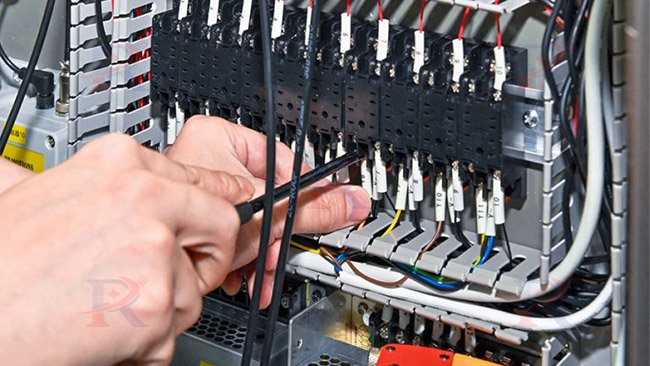
- तार्किक वायरिंग, लेबल किए गए सेंसर, और आसानी से पहुंच वाले पैनल.
- के लिए विकल्पदूरस्थ निदान या आपूर्तिकर्ता की सेवा टीम से वीडियो मार्गदर्शन.
- अच्छा स्थानीय या क्षेत्रीय भागों का समर्थन.
एक मशीन जिसे विश्वसनीयता के लिए डिज़ाइन किया गया है, उसमें अप्रत्याशित रुकावटें कम होंगी, और जब कुछ गलत होता है, इसकी मरम्मत तेजी से होगी. यह समग्र उपकरण प्रभावशीलता की रक्षा करता है(ओईई) और उत्पादन योजना को अधिक सटीक बनाता है.
9. डिजिटल एकीकरण और स्मार्ट विनिर्माण
डिजिटलीकरण पैकेजिंग तक पहुंच गया है. अब और भी फ़ैक्टरियाँ चलती हैंOEE डैशबोर्ड, इलेक्ट्रॉनिक बैच रिकॉर्ड, और केंद्रीकृत उत्पादन निगरानी. इसलिए नए उपकरण होने चाहिएडिजिटल-एकीकरण अनुकूल.
चीज़ें खरीदार सत्यापित करेंगे:
- क्या मशीन सामान्य औद्योगिक संचार प्रोटोकॉल का समर्थन करती है जैसे?ईथरनेट/आईपी, ओपीसी यूए, याModbus?
- डेटा बैच कर सकते हैं (गिनता, अस्वीकृत, एलार्म) होनानिर्यात और संग्रहीत?
- वहाँ हैंऑडिट ट्रैल्स या इवेंट लॉग जो डेटा अखंडता आवश्यकताओं का समर्थन करते हैं?
- क्या समस्या निवारण या फर्मवेयर अपडेट के लिए मशीन को दूर से एक्सेस किया जा सकता है?
जब कोई पैकेजिंग लाइन एमईएस/ईआरपी को डेटा भेज सकती है, प्रबंधकों को उत्पादन पर वास्तविक समय पर दृश्यता प्राप्त होती है, QA बेहतर ट्रैसेबिलिटी प्राप्त करता है, और रखरखाव टीमें ब्रेकडाउन होने से पहले कार्रवाई कर सकती हैं. इसीलिए "स्मार्ट पैकेजिंग उपकरण" और "उद्योग"। 4.0 तैयार मशीनें" इस क्षेत्र में लोकप्रिय खोज शब्द बन गए हैं.
10. स्थिरता और भविष्य-प्रूफ डिज़ाइन
स्थिरता एक वैश्विक क्रय मानदंड बन रही है. फार्मा में भी, जहां सुरक्षा सबसे पहले आती है, खरीदार पूछने लगे हैं कि कैसेकुशल ऊर्जा औरसामग्री कुशल एक मशीन है.
प्रमुख स्थिरता कोण:
- बिजली की खपत: ऊर्जा-बचत ड्राइव, अनुकूलित हीटिंग सिस्टम, और कम हानि वाला वैक्यूम.
- सामग्री का उपयोग: फिल्म अपशिष्ट को कम करने के लिए ब्लिस्टर मशीनों पर सटीक निर्माण और कटिंग; ओवरफिल को कम करने के लिए सटीक खुराक.
- शोर और धूल नियंत्रण: ऑपरेटरों और अनुपालन के लिए बेहतर.
- नई पर्यावरण-अनुकूल सामग्रियों को संभालने की क्षमता: चूँकि अधिक कंपनियाँ पुनर्चक्रण योग्य या मोनो-मटेरियल पैकेजिंग का परीक्षण कर रही हैं, सीलिंग तापमान/दबाव को समायोजित करने वाली लाइनों को फायदा होगा.
एक पैकेजिंग मशीन जिसे भविष्य की सामग्रियों और कम ऊर्जा को ध्यान में रखकर डिज़ाइन किया गया है वह लंबे समय तक प्रासंगिक रहेगी, जो खरीदार के निवेश की सुरक्षा करता है.
अक्सर पूछे जाने वाले प्रश्न
1. अच्छे फार्मास्युटिकल पैकेजिंग उपकरण का उपयोग कब तक किया जा सकता है??
नियमित निवारक रखरखाव और उचित परिचालन स्थितियों के साथ, अच्छी तरह से निर्मित मशीनें आम तौर पर एक दशक से अधिक समय तक स्थिर प्रदर्शन प्रदान करती हैं. कुछ घटकों को समय-समय पर प्रतिस्थापन की आवश्यकता होगी, लेकिन मुख्य फ्रेम और कोर तंत्र अधिक समय तक चल सकते हैं.
2. क्या एक लाइन वास्तव में कई उत्पादों को संभाल सकती है??
हाँ - यदि इसे इसके लिए डिज़ाइन किया गया था. मॉड्यूलर इनफ़ीड वाली लाइनें, समायोज्य गाइड, और नुस्खा-आधारित नियंत्रण बोतलों के बीच स्विच कर सकते हैं, फफोले, या न्यूनतम डाउनटाइम के साथ अलग-अलग गिनती.
3. क्या मुझे आपूर्तिकर्ता से सत्यापन दस्तावेजों की आवश्यकता है??
जीएमपी वातावरण में, हाँ. IQ/OQ/PQ और भौतिक प्रमाणपत्र होने से आपके स्वयं के योग्यता कार्य में तेजी आती है और नियामक निरीक्षण आसान हो जाता है.
4. दो अलग-अलग आपूर्तिकर्ताओं की तुलना करने का सबसे तेज़ तरीका क्या है??
पहले अनुपालन की तुलना करें (जीएमपी, एफडीए, सीई), फिर स्वचालन स्तर की तुलना करें, फिर टीसीओ की तुलना करें (स्पेयर पार्ट्स, सेवा, ऊर्जा). केवल कीमत ही विश्वसनीय संकेतक नहीं है.
5. क्या अब क्रमांकन को एकीकृत करना उचित है??
यदि आप निर्यात करने की योजना बना रहे हैं या अपने बाजार में नियमों की अपेक्षा करते हैं, क्रमांकन-तैयार उपकरण अभी खरीदना आम तौर पर बाद में पूरी लाइन को दोबारा लगाने की तुलना में सस्ता होता है.
निष्कर्ष
फार्मास्युटिकल पैकेजिंग उपकरण खरीदने से पहले, अनुभवी खरीदार शायद ही कभी केवल एक पैरामीटर को देखते हैं. वे गठबंधन करते हैंजीएमपी अनुपालन, स्वचालन स्तर, FLEXIBILITY, क्रमांकन क्षमता, सामग्री अनुकूलता, सफाई और सत्यापन की गति, टीसीओ, रखरखाव और विश्वसनीयता, डिजिटल एकीकरण, औरवहनीयता एक निर्णय ढांचे में. यह सुनिश्चित करता है कि उनके द्वारा चुना गया उपकरण न केवल आज काम करेगा, लेकिन अनुपालनशील भी रहेगा, पदोन्नत किया जा सकता, और आने वाले वर्षों में लागत प्रभावी होगी.
उन फ़ैक्टरियों के लिए जिन्हें संपूर्ण समाधान की आवश्यकता है - टैबलेट प्रेस और कैप्सूल फिलर मशीनों से लेकर टैबलेट काउंटिंग लाइन तक, ब्लिस्टर पैकेजिंग मशीनें, कार्टनिंग मशीनें, और स्टिक पैकिंग उपकरण - एक अनुभवी फार्मास्युटिकल मशीनरी आपूर्तिकर्ता को चुनने से पूरा प्रोजेक्ट तेज़ और सुरक्षित हो जाता है.
आपके GMP स्तर से मेल खाने वाली पैकेजिंग लाइन कॉन्फ़िगरेशन प्राप्त करने के लिए Ruidapacking से संपर्क करें, उत्पादन क्षमता, और भविष्य की उन्नयन योजनाएँ.