Μια μηχανή πλήρωσης κάψουλας μπορεί να επηρεάσει πολύ περισσότερο από την ωριαία απόδοση. Η επίδρασή του εμφανίζεται συχνά σε μέρη που είναι εύκολο να παραβλεφθούν κατά τη διαδικασία αγοράς: απορριφθείσες κάψουλες, χρόνος καθαρισμού, ώρες συντήρησης, μετατροπές, και απρογραμμάτιστο χρόνο διακοπής λειτουργίας.
Πολλοί κατασκευαστές φαρμακευτικών προϊόντων συγκρίνουν μηχανές με βάση την ταχύτητα και την τιμή αγοράς. Μόλις ξεκινήσει η παραγωγή, διαφορετικοί παράγοντες αρχίζουν να επηρεάζουν την κερδοφορία. Οι χειριστές ξοδεύουν χρόνο προσαρμόζοντας τα βάρη πλήρωσης, οι ομάδες συντήρησης αντικαθιστούν τα φθαρμένα εξαρτήματα, και οι επιθεωρητές QA παρακολουθούν τη διακύμανση του βάρους και τα ελαττώματα της κάψουλας. Μικρές απώλειες σε πολλαπλές βάρδιες μπορούν να συσσωρευτούν σε σημαντικό ετήσιο κόστος.
Οι εγκαταστάσεις που διαθέτουν παρόμοια προϊόντα μπορούν να επιτύχουν πολύ διαφορετικά αποτελέσματα ανάλογα με την απόδοση της μηχανής πλήρωσης κάψουλας. Ένα σωστά επιλεγμένο αυτόματη μηχανή πλήρωσης καψουλών μπορεί να υποστηρίξει υψηλότερη απόδοση, λιγότερες απορρίψεις, καλύτερη απόδοση παραγωγής, και ισχυρότερο ROI μηχανής πλήρωσης καψουλών. Οι ακόλουθες οκτώ ερωτήσεις μπορούν να βοηθήσουν τους κατασκευαστές να αξιολογήσουν τον εξοπλισμό από λειτουργική και οικονομική σκοπιά πριν κάνουν μια σημαντική επένδυση στη φαρμακευτική παραγωγή.
Γιατί το φθηνότερο μηχάνημα συχνά κοστίζει περισσότερο
Μια χαμηλότερη τιμή αγοράς μπορεί να φαίνεται ελκυστική κατά το στάδιο της προσφοράς. Οι ομάδες προμηθειών συγκρίνουν συχνά αρκετούς προμηθευτές μηχανών πλήρωσης καψουλών και επικεντρώνονται στο αρχικό κόστος, ειδικά όταν οι προδιαγραφές του μηχανήματος εμφανίζονται παρόμοιες στο χαρτί. Η διαφορά γίνεται συχνά ορατή μετά την είσοδο του εξοπλισμού στην παραγωγή.
Μια μηχανή πλήρωσης καψουλών χαμηλότερης τιμής μπορεί να απαιτεί περισσότερη παρέμβαση του χειριστή, συχνότερη αντικατάσταση εξαρτημάτων, ή μεγαλύτερες διαδικασίες καθαρισμού μεταξύ των παρτίδων. Κάθε προσαρμογή καταναλώνει ώρες εργασίας. Κάθε στάση παραγωγής μειώνει τη διαθέσιμη χωρητικότητα. Σε πολλές βάρδιες, αυτές οι απώλειες αρχίζουν να συσσωρεύονται.
Ανασκοπήσεις μηχανικής που πραγματοποιήθηκαν από κατασκευαστές και ομάδες παραγωγής σε ολόκληρο τον κλάδο, συμπεριλαμβανομένων έργων που αφορούν εταιρείες όπως η IMA, Syntegon, Ρομάκο, και Ruida Packing, αποκαλύπτουν συχνά ένα παρόμοιο μοτίβο. Οι μεγαλύτερες οικονομικές απώλειες σπάνια προέρχονται από την αρχική τιμή αγοράς. Προέρχονται από διακοπές λειτουργίας, απορριφθείσες κάψουλες, δραστηριότητες συντήρησης, κατανάλωση ανταλλακτικών, και μειωμένη απόδοση κατά τη λειτουργία ρουτίνας.
Όταν αυτά τα κόστη παρακολουθούνται για ένα ολόκληρο έτος, ο συνδυασμένος αντίκτυπος μπορεί να πλησιάσει τα $100.000 σε μια μεσαίου μεγέθους φαρμακευτική εγκατάσταση. Πολλά από αυτά τα έξοδα μπορούν να αποφευχθούν και συχνά μπορούν να αναχθούν στις αποφάσεις επιλογής εξοπλισμού που ελήφθησαν πριν από την εγκατάσταση.
Για το λόγο αυτό, έμπειρες ομάδες μηχανικών αξιολογούν μια μηχανή πλήρωσης κάψουλας χρησιμοποιώντας το συνολικό κόστος ιδιοκτησίας και όχι μόνο την τιμή αγοράς. Όταν προβάλλεται μέσα από το φακό της μηχανής πλήρωσης καψουλών ROI και μακροπρόθεσμη απόδοση επένδυσης, το μηχάνημα με τη χαμηλότερη τιμή δεν είναι πάντα η φθηνότερη επιλογή.
Τιμή αγοράς έναντι πενταετούς κόστους ιδιοκτησίας
| Κατηγορία κόστους | Μηχανή με χαμηλότερη τιμή | Μηχανή με υψηλότερη τιμή |
| Αρχικό Κόστος Αγοράς | Χαμηλότερος | Υψηλότερο |
| Ετήσια Συντήρηση | Υψηλότερο | Χαμηλότερος |
| Κατανάλωση ανταλλακτικών | Υψηλότερο | Χαμηλότερος |
| Κόστος διακοπής λειτουργίας | Υψηλότερο | Χαμηλότερος |
| Απαίτηση Εργασίας | Υψηλότερο | Χαμηλότερος |
| Συνολικό κόστος πέντε ετών | Συχνά Ανώτερη | Συχνά χαμηλότερο |
Ερώτηση 1: Μπορεί να υποστηρίξει τη μελλοντική ανάπτυξη της παραγωγής?
Κατανόηση των Απαιτήσεων Πραγματικής Χωρητικότητας
Πολλές φαρμακευτικές εταιρείες αγοράζουν μια μηχανή πλήρωσης καψουλών με βάση την τρέχουσα ζήτηση παραγωγής. Η προσέγγιση μπορεί να λειτουργήσει κατά τη διάρκεια του πρώτου έτους, αλλά οι προβλέψεις για τη ζήτηση συχνά αλλάζουν ταχύτερα από το αναμενόμενο. Μια κυκλοφορία προϊόντος μπορεί να ξεπεράσει τις προβλέψεις πωλήσεων, ο όγκος της συμβατικής κατασκευής ενδέχεται να αυξηθεί, ή μπορεί να προστεθούν πρόσθετες βάρδιες για την κάλυψη των απαιτήσεων των πελατών.
Σχεδιασμός για μελλοντική επέκταση
Πριν επιλέξετε μια μηχανή πλήρωσης κάψουλας, Οι κατασκευαστές θα πρέπει να αξιολογήσουν πού είναι πιθανό να είναι η επιχείρησή τους σε τρία έως πέντε χρόνια από τώρα. Ένα μηχάνημα που ανταποκρίνεται στην τρέχουσα ζήτηση μπορεί να αποτελέσει περιορισμό εάν αυξηθούν οι όγκοι παραγωγής, εισάγονται νέα προϊόντα, ή εξασφαλίζονται πρόσθετα έργα κατασκευής συμβολαίων. Η αντικατάσταση του εξοπλισμού λίγο μετά την εγκατάσταση απαιτεί συχνά νέες εργασίες επικύρωσης, εκπαίδευση χειριστή, και διακοπές παραγωγής.
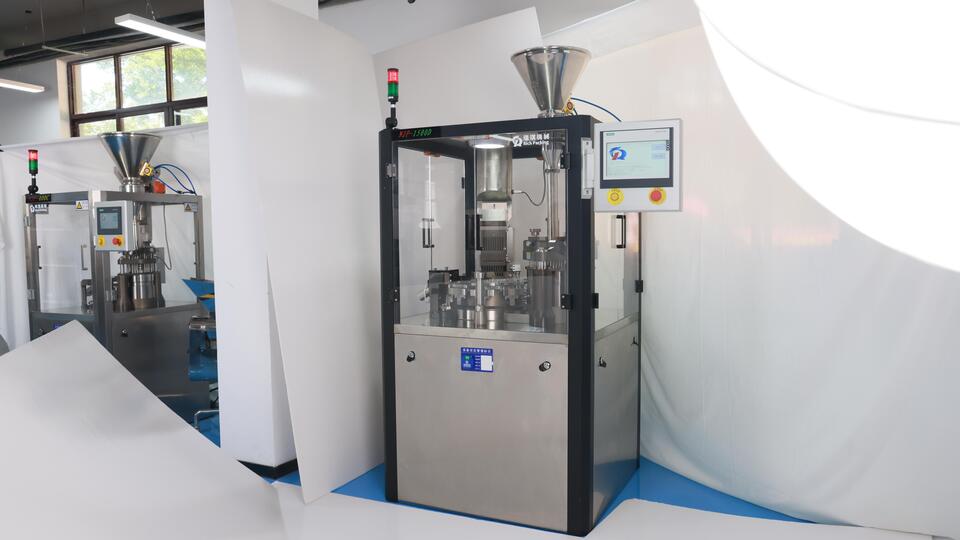
Οι εγκαταστάσεις που αναμένουν μέτρια ανάπτυξη συχνά αναζητούν μια ισορροπία μεταξύ των τρεχουσών απαιτήσεων και της μελλοντικής χωρητικότητας της μηχανής πλήρωσης καψουλών. Για παράδειγμα, μηχανήματα όπως το NJP-1200C από τη Ruida Packing, μαζί με συγκρίσιμα μοντέλα από την IMA και τη Romaco, επιλέγονται συχνά από κατασκευαστές που σχεδιάζουν σταδιακή επέκταση. Οι εταιρείες που αναμένουν μεγαλύτερες αυξήσεις παραγωγής μπορούν να αξιολογήσουν πλατφόρμες υψηλότερης απόδοσης όπως το NJP-3800D. Ο στόχος είναι να επιλεγεί εξοπλισμός κατασκευής καψουλών που μπορεί να υποστηρίξει τη μελλοντική ζήτηση χωρίς να δημιουργεί περιττό επενδυτικό κόστος σήμερα, βοηθώντας παράλληλα τις εγκαταστάσεις να βελτιώσουν την αποδοτικότητα της παραγωγής καθώς ο όγκος παραγωγής συνεχίζει να αυξάνεται.
Ερώτηση 2: Ποια είναι η πραγματική παραγωγή παραγωγής?
Ονομαστική ταχύτητα έναντι πραγματικής απόδοσης
Οι προδιαγραφές του μηχανήματος συχνά υπογραμμίζουν τη μέγιστη απόδοση που μπορεί να επιτύχει μια αυτόματη μηχανή πλήρωσης καψουλών υπό ιδανικές συνθήκες. Ενώ αυτός ο αριθμός είναι χρήσιμος για σύγκριση, Οι διευθυντές παραγωγής σπάνια βιώνουν αυτές τις συνθήκες κατά την καθημερινή λειτουργία. Χαρακτηριστικά ροής υλικού, ρυθμίσεις χειριστή, ποιότητα κάψουλας, και τα προγράμματα καθαρισμού επηρεάζουν την πραγματική απόδοση.
Κατά την αξιολόγηση ενός μηχανήματος, Οι κατασκευαστές θα πρέπει να επικεντρωθούν σε επαληθευμένα δεδομένα παραγωγής και όχι μόνο στην παραγωγική ικανότητα. Ένας προμηθευτής μπορεί να διαφημίσει μια υψηλή απόδοση μηχανής πλήρωσης καψουλών, αλλά το πιο πολύτιμο στοιχείο είναι η σταθερή παραγωγή που επιτυγχάνεται σε μια πλήρη μετατόπιση παραγωγής. Αυτό είναι ιδιαίτερα σημαντικό για εγκαταστάσεις που σχεδιάζουν πολλαπλές βάρδιες ή παραγωγή μεγάλου όγκου. Η σύγκριση πραγματικών δεδομένων λειτουργίας από υπάρχουσες εγκαταστάσεις μπορεί να παρέχει μια πιο ακριβή εικόνα της αναμενόμενης απόδοσης από τις προδιαγραφές του φυλλαδίου μόνο.
Παράγοντες που μειώνουν την παραγωγικότητα
Σε πολλές εγκαταστάσεις, η παραγωγικότητα μειώνεται από μια σειρά σύντομων διακοπών που συμβαίνουν κατά τη διάρκεια της κανονικής παραγωγής.
Ομάδες μηχανικών από κατασκευαστές όπως η Ruida Packing, μαζί με τμήματα παραγωγής που λειτουργούν εξοπλισμό από την ΙΜΑ, Syntegon, και η Ρομάκο, έχουν αναφέρει παρόμοιο μοτίβο κατά την εξέταση των εγγραφών βάρδιας. Μικρές διακοπές παραγωγής—συμπεριλαμβανομένων των προσαρμογών του χειριστή, αναπλήρωση υλικού, διορθώσεις τροφοδοσίας κάψουλας, και σύντομες στάσεις γραμμής—μπορεί να συσσωρευτεί εκπληκτικά γρήγορα.
Σε κάποιες εγκαταστάσεις, αυτές οι διακοπές ανέρχονται σε περισσότερες από 200 ώρες άσκοπου χαμένου χρόνου παραγωγής ετησίως. Ακόμη και όταν οι μεμονωμένες στάσεις διαρκούν μόνο λίγα λεπτά, ο συνδυασμένος αντίκτυπος μπορεί να μειώσει σημαντικά την ετήσια απόδοση της μηχανής πλήρωσης καψουλών.
Για το λόγο αυτό, Οι αγοραστές θα πρέπει να ζητούν από τους προμηθευτές επαληθευμένα δεδομένα παραγωγής αντί να βασίζονται αποκλειστικά στην ονομαστική ταχύτητα. Μια μηχανή πλήρωσης καψουλών υψηλής ταχύτητας που διατηρεί σταθερή απόδοση καθ' όλη τη διάρκεια μιας πλήρους βάρδιας παραγωγής παράγει συχνά πιο χρησιμοποιήσιμη απόδοση από μια ταχύτερη μηχανή που αντιμετωπίζει συχνές διακοπές.
Ερώτηση 3: Πόσο ακριβές είναι το σύστημα πλήρωσης?
Γιατί η ακρίβεια πλήρωσης έχει σημασία στην πραγματική παραγωγή
Μια μηχανή πλήρωσης καψουλών δεν αξιολογείται μόνο από την ταχύτητα ή την χωρητικότητα. Η ακρίβεια πλήρωσης επηρεάζει άμεσα την ποιότητα της παρτίδας, κανονιστική συμμόρφωση, και το κόστος παραγωγής. Όταν το βάρος της κάψουλας είναι ασταθές, ο αντίκτυπος εμφανίζεται γρήγορα στο πάτωμα παραγωγής.
Οι χειριστές συνήθως παρατηρούν το πρόβλημα πρώτοι κατά τη διάρκεια της τακτικής δειγματοληψίας. Το προσωπικό QA μπορεί να επισημάνει τη μετατόπιση βάρους εκτός του αποδεκτού εύρους, οδηγώντας σε αυξημένη συχνότητα επιθεώρησης. Σε πιο σοβαρές περιπτώσεις, Οι παρτίδες μπορούν να απορριφθούν εν μέρει ή να υποβαθμιστούν. Αυτό δημιουργεί πίεση εκ νέου επεξεργασίας, πρόσθετη υλική απώλεια, και απρογραμμάτιστες καθυστερήσεις παραγωγής. Σε εγκαταστάσεις που παράγουν API υψηλής αξίας, Ακόμη και μικρές αποκλίσεις στη διακύμανση του βάρους της κάψουλας μπορεί να μεταφραστούν σε σημαντική οικονομική απώλεια σε μία μόνο παρτίδα.
Έμμεσες απώλειες αντιμετωπίζουν και οι ομάδες παραγωγής. Οι συχνές ρυθμίσεις διακόπτουν τις σταθερές συνθήκες λειτουργίας. Κάθε παρέμβαση επιβραδύνει τη γραμμή και μειώνει την απόδοση της μηχανής πλήρωσης καψουλών που μπορεί να χρησιμοποιηθεί με την πάροδο του χρόνου. Πάνω από ένα πλήρες πρόγραμμα παραγωγής, Αυτές οι διακοπές επηρεάζουν τόσο την αποτελεσματικότητα όσο και τη συνέπεια.
Τι βελτιώνει την ακρίβεια πλήρωσης
Για τη διατήρηση σταθερής απόδοσης, οι μηχανικοί επικεντρώνονται στον σχεδιασμό του συστήματος δοσομέτρησης μέσα στη μηχανή πλήρωσης κάψουλας. Η ακρίβεια επηρεάζεται από διάφορους μηχανικούς παράγοντες και παράγοντες διαδικασίας, όχι μόνο ταχύτητα μηχανής.
Οι κοινές βελτιώσεις περιλαμβάνουν:
- Δίσκοι δοσομέτρησης ακριβείας που σταθεροποιούν τον όγκο της σκόνης
- Συστήματα διαχωρισμού καψουλών με υποβοήθηση κενού για τη μείωση της κακής ευθυγράμμισης
- Συστήματα ρύθμισης δοσολογίας ελεγχόμενα σερβομηχανικά για σταθερό βάθος πλήρωσης (προαιρετική διαμόρφωση διαθέσιμη σε ορισμένα μοντέλα μηχανών πλήρωσης καψουλών)
- Ανθεκτικά στη φθορά εξαρτήματα για μείωση της μετατόπισης κατά τη διάρκεια μεγάλων διαδρομών
Στα περισσότερα σχέδια μηχανών πλήρωσης καψουλών που χρησιμοποιούνται στη φαρμακευτική παραγωγή, Τα μηχανικά συστήματα που κινούνται με έκκεντρο παραμένουν η τυπική διαμόρφωση. Αυτά τα συστήματα συντονίζουν το χρόνο πλήρωσης της κάψουλας και το βάθος δοσομέτρησης μέσω μηχανισμών έκκεντρου και μηχανικών δομών μετάδοσης. Μια πιο λεπτομερής εξήγηση αυτής της διαμόρφωσης παρέχεται στην Ερώτηση 5.
Όταν απαιτείται υψηλότερος έλεγχος διαδικασίας, Τα σερβοκατευθυνόμενα συστήματα δοσομέτρησης μπορούν να επιλεγούν ως προαιρετική διαμόρφωση. Σε αυτά τα συστήματα, Ο ηλεκτρονικός έλεγχος αντικαθιστά μέρη της παραδοσιακής δομής του έκκεντρου και του κιβωτίου ταχυτήτων, επιτρέποντας πιο άμεση προσαρμογή των παραμέτρων δοσολογίας. Κατασκευαστές όπως η Syntegon, ΥΠΑΡΧΕΙ, και MG2 εφαρμόζουν συνήθως διαμορφώσεις που βασίζονται σε σερβομηχανισμό σε περιβάλλοντα παραγωγής υψηλού ελέγχου.
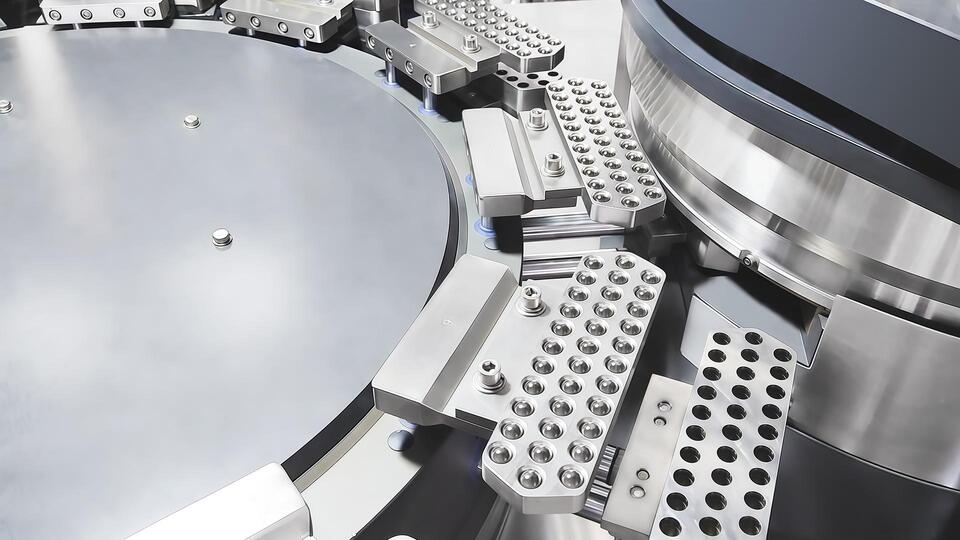
Οι σταθμοί πλήρωσης ακριβείας βελτιώνουν την ακρίβεια πλήρωσης
Ερώτηση 4: Πόσο εύκολο είναι ο καθαρισμός και η αλλαγή προϊόντος?
Αλλαγή Μεγέθη καψουλών Αποτελεσματικά
Στη φαρμακευτική παραγωγή, μια μηχανή πλήρωσης κάψουλας σπάνια αφιερώνεται σε ένα μόνο μέγεθος ή σύνθεση κάψουλας. Οι περισσότερες εγκαταστάσεις πρέπει συχνά να αλλάζουν μεγέθη κάψουλας όπως π.χ 00, 0, 1, και 2, ανάλογα με τον προγραμματισμό παρτίδων και τις παραγγελίες των πελατών.
Σε λιγότερο αποδοτικά μηχανήματα, Η μετάβαση μπορεί να γίνει σημαντικό εμπόδιο. Αποσυναρμολόγηση εξαρτημάτων δοσολογίας, χειροκίνητη ευθυγράμμιση των μηχανικών εξαρτημάτων, επαναλαμβανόμενη βαθμονόμηση, και η επαλήθευση καθαρισμού συχνά επεκτείνει σημαντικά τον χρόνο διακοπής λειτουργίας. Σε τυπικά περιβάλλοντα παραγωγής, μπορεί να χρειαστεί μια πλήρης αλλαγή μεγέθους κάψουλας και κύκλος καθαρισμού σε παλαιότερο ή λιγότερο βελτιστοποιημένο εξοπλισμό 3 να 5 ώρες, ειδικά όταν οι χειριστές χρειάζεται να προσαρμόσουν επανειλημμένα την ευθυγράμμιση της δόσης ή να ελέγξουν ξανά τη σταθερότητα του βάρους μετά την επανεκκίνηση. Αυτό μειώνει άμεσα τον διαθέσιμο χρόνο παραγωγής και περιορίζει την ημερήσια παραγωγή.
Μείωση του χρόνου διακοπής λειτουργίας κατά τις αλλαγές προϊόντων
Για την αντιμετώπιση αυτού του ζητήματος, αρκετοί κατασκευαστές φαρμακευτικού εξοπλισμού όπως η Fette Compacting, IMA Active, Ρομάκο Κιλιάν, Syntegon Pharma, και η Ruida Packing έχουν αναπτύξει αρθρωτά συστήματα σχεδιασμένα να απλοποιούν τον καθαρισμό και να συντομεύουν τους κύκλους εγκατάστασης.
Τα μοντέρνα σχέδια επικεντρώνονται στη μείωση των επαναλαμβανόμενων μηχανικών προσαρμογών, το μηχάνημα χρησιμοποιεί ένα αρθρωτό σύστημα δίσκου μέτρησης με ρυθμιζόμενη δομή τριών θέσεων, επιτρέποντας βαθμονόμηση βάθους δοσομέτρησης χωρίς πλήρη αποσυναρμολόγηση. Συνδυάζεται με υποδοχές κάψουλας ταχείας αποδέσμευσης και τυποποιημένα εξαρτήματα σύσφιξης, Οι χειριστές μπορούν να ολοκληρώσουν αλλαγές μεγέθους με λιγότερα βήματα ευθυγράμμισης και λιγότερη χειροκίνητη διόρθωση.
Σε πρακτικές συνθήκες παραγωγής, Αυτές οι βελτιώσεις σχεδιασμού μειώνουν τον χρόνο πλήρους καθαρισμού και αλλαγής σε περίπου 1,5–2 ώρες, ανάλογα με τα χαρακτηριστικά του προϊόντος και τις απαιτήσεις επικύρωσης καθαρισμού.
Μειώνοντας τα βήματα αποσυναρμολόγησης και βελτιώνοντας την επαναλαμβανόμενη ακρίβεια τοποθέτησης, αυτά τα συστήματα βοηθούν στην ελαχιστοποίηση του χρόνου αδράνειας μεταξύ των παρτίδων και βελτιώνουν τη συνολική απόδοση παραγωγής σε ένα πλήρως αυτόματο περιβάλλον μηχανής πλήρωσης καψουλών.
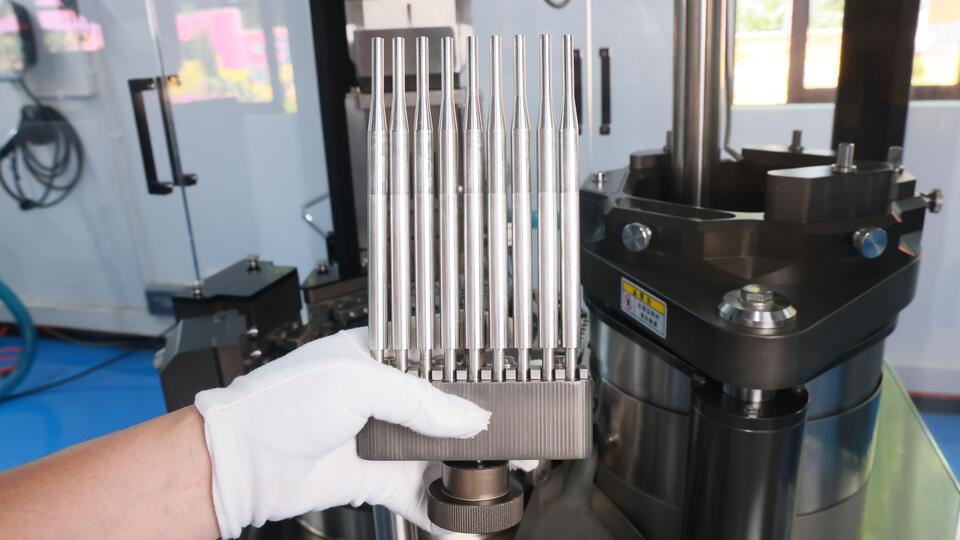
Εύκολη υποδοχή για αντικατάσταση
Ερώτηση 5: Πόσο αξιόπιστο είναι το σχέδιο του μηχανήματος?
Κοινά σημεία αποτυχίας
Στη φαρμακευτική παραγωγή, Η αστάθεια σε μια μηχανή πλήρωσης κάψουλας σπάνια προέρχεται από μια ξαφνική βλάβη. Συνήθως αναπτύσσεται σταδιακά μέσω πολλών επαναλαμβανόμενων μηχανικών και διαδικασιών ζητημάτων που παρατηρούνται σε διαφορετικές τοποθεσίες παραγωγής.
Ένα κοινό πρόβλημα είναι η είσοδος σκόνης σε κινούμενα εξαρτήματα. Κατά τη συνεχή λειτουργία, Η λεπτή σκόνη μπορεί σιγά-σιγά να εισέλθει στις περιοχές ρουλεμάν, διεπαφές έκκεντρου, και δοσολογικές τομές. Αρχικά, αυτό μπορεί να εμφανιστεί ως μικρές δονήσεις ή μικρές αλλαγές θορύβου. Με την πάροδο του χρόνου, Η συσσωρευμένη μόλυνση αυξάνει την τριβή και οδηγεί σε ασταθή κίνηση, που συμβάλλει σε υψηλότερα Χρόνος διακοπής λειτουργίας μηχανής πλήρωσης καψουλών και μειωμένες ώρες συνεχούς λειτουργίας.
Η αστάθεια της λίπανσης είναι ένα άλλο συχνό πρόβλημα. Όταν η λίπανση είναι ανομοιόμορφη ή ανεπαρκής, Η κίνηση με έκκεντρο γίνεται λιγότερο ομαλή. Οι χειριστές μπορεί να χρειαστεί να κάνουν επαναλαμβανόμενες ρυθμίσεις κατά τη διάρκεια των βάρδιων, ιδιαίτερα σε μεγάλους κύκλους παραγωγής. Αυτό αυξάνει τις μικρο-παύσεις και σταδιακά επηρεάζει τη συνολική απόδοση της μηχανής πλήρωσης καψουλών.
Η υποβάθμιση της απόδοσης της στεγανοποίησης παρατηρείται επίσης ευρέως. Μόλις μειωθεί η απόδοση στεγανοποίησης, σκόνη και υπολείμματα καθαρισμού μπορούν να εισέλθουν σε ευαίσθητες μηχανικές ζώνες, επιτάχυνση της φθοράς και αύξηση της συχνότητας συντήρησης. Σε πολλές εγκαταστάσεις, αυτά τα ζητήματα εμφανίζονται μαζί, επιδεινώνει προβλήματα σταθερότητας αντί να ενεργεί ανεξάρτητα.
Σχεδιαστικά χαρακτηριστικά που βελτιώνουν την αξιοπιστία
Για την αντιμετώπιση αυτών των μηχανισμών αστοχίας, κορυφαίοι κατασκευαστές φαρμακευτικού εξοπλισμού όπως η Fette Compacting, IMA Active, Ρομάκο Κιλιάν, Syntegon Pharma, και η Ruida Packing έχουν εισαγάγει διαφορετικές μηχανολογικές λύσεις που βασίζονται στη μακροχρόνια εμπειρία παραγωγής.
Μια σημαντική βελτίωση είναι ο σχεδιασμός της εσωτερικής κάμερας. Σε σύγκριση με τις παραδοσιακές εξωτερικές δομές έκκεντρου, το εσωτερικό έκκεντρο είναι κατεργασμένο με CNC ως ένα πιο ολοκληρωμένο και κλειστό σύστημα. Αυτή η δομή μειώνει την έκθεση των στοιχείων κίνησης, βελτιώνει τη σταθερότητα λειτουργίας κατά τη λειτουργία υψηλής ταχύτητας, και μειώνει τη μακροχρόνια μηχανική φθορά. Σε συνεχή παραγωγή, Αυτό μεταφράζεται σε λιγότερες απαιτήσεις προσαρμογής και πιο σταθερούς κύκλους λειτουργίας.
Για τον έλεγχο της εισόδου σκόνης, συστήματα όπως η πατενταρισμένη τεχνολογία αερισμού θετικής πίεσης της Ruida Packing χρησιμοποιούνται για τη δημιουργία φράγματος καθαρού αέρα σε βασικές ζώνες λειτουργίας, συμβάλλοντας στη μείωση της μόλυνσης γύρω από τις περιοχές μετάδοσης και δοσολογίας.
Για σταθερότητα λίπανσης, συστήματα αυτόματης λίπανσης με χρονική διάρκεια εξασφαλίζουν σταθερή παροχή λαδιού στους μηχανισμούς έκκεντρου χωρίς να βασίζονται σε μεγάλο βαθμό στη χειροκίνητη παρέμβαση.
Μαζί, Αυτές οι αναβαθμίσεις σχεδίασης σχηματίζουν ένα σύστημα σταθερότητας σε στρώσεις σε μια πλήρως αυτόματη μηχανή πλήρωσης καψουλών, βελτίωση της μακροπρόθεσμης αξιοπιστίας και μείωση των απρογραμμάτιστων διακοπών παραγωγής.
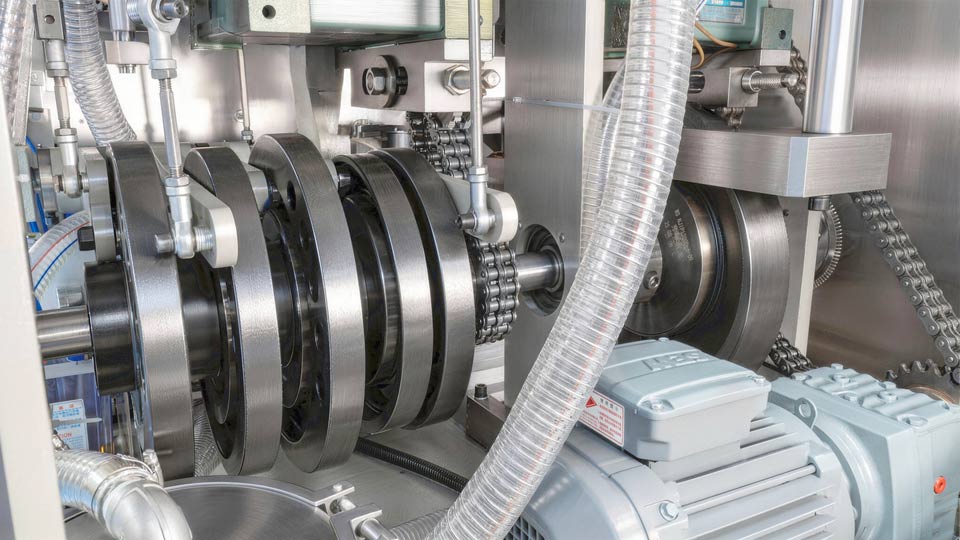
Σχεδιασμός εσωτερικού αυλακιού έκκεντρου
Ερώτηση 6: Συμμορφώνεται με τις απαιτήσεις GMP και FDA?
Τι συμβαίνει κατά τη διάρκεια των δοκιμών πίεσης συμμόρφωσης
Στη ρυθμιζόμενη φαρμακευτική παραγωγή, μια μηχανή πλήρωσης κάψουλας πρέπει να κάνει περισσότερα από το να διατηρεί σταθερή απόδοση. Πρέπει επίσης να υποστηρίζει τις προσδοκίες GMP και FDA για ιχνηλασιμότητα, καθαριότητα, και ελεγχόμενες συνθήκες παραγωγής.
Κατά τη διάρκεια των επιθεωρήσεων, Οι ελεγκτές συχνά εστιάζουν στο κατά πόσον γίνεται σωστή διαχείριση των κινδύνων μόλυνσης από σκόνη. Εάν η σκόνη συσσωρευτεί σε κρυφές περιοχές ή δεν μπορεί να αφαιρεθεί πλήρως κατά τον καθαρισμό, το μηχάνημα μπορεί να απαιτεί εκτεταμένους κύκλους επικύρωσης. Αυτό οδηγεί σε μεγαλύτερο χρόνο διακοπής λειτουργίας πριν από την απελευθέρωση της παρτίδας και αυξάνει την πίεση στον προγραμματισμό της παραγωγής.
Μια άλλη κοινή εστίαση του ελέγχου είναι η επαναληψιμότητα καθαρισμού. Εάν τα βήματα αποσυναρμολόγησης είναι πολύπλοκα ή ασυνεπή μεταξύ των χειριστών, Τα αποτελέσματα καθαρισμού ενδέχεται να διαφέρουν. Ακόμη και μικρές ασυνέπειες μπορεί να απαιτήσουν εκ νέου επικύρωση, ειδικά σε περιβάλλοντα παραγωγής πολλών παρτίδων όπου οι αλλαγές πραγματοποιούνται συχνά.
Στοιχεία σχεδίασης που υποστηρίζουν τη σταθερότητα GMP
Για να ανταποκριθεί στις προσδοκίες GMP και FDA, Ο σύγχρονος σχεδιασμός εξοπλισμού εστιάζει στην ελεγχσιμότητα και την επαναληψιμότητα και όχι μόνο στην ακατέργαστη παραγωγή.
Κατά την επικύρωση καθαρισμού, Τα υπολείμματα σκόνης βρίσκονται πιο συχνά γύρω από τις γωνίες, κενά, και δυσπρόσιτες μηχανικές διεπαφές. Για αυτόν τον λόγο, Πολλές μηχανές πλήρωσης καψουλών χρησιμοποιούν πιο λείες επιφάνειες επαφής και απλοποιημένες δομικές διατάξεις για να διευκολύνουν την αφαίρεση υπολειμμάτων κατά τη διάρκεια των διαδικασιών ρουτίνας καθαρισμού. Αυτό επιτρέπει στους χειριστές να ολοκληρώνουν τις διαδικασίες καθαρισμού με μεγαλύτερη συνέπεια και μειώνει τις διαφορές μεταξύ των βάρδιων.
Οι ομάδες επικύρωσης συχνά δίνουν μεγάλη προσοχή στο τι συμβαίνει μετά από δραστηριότητες συντήρησης ή μετάβασης. Μηχανήματα με αρθρωτά συγκροτήματα δοσομέτρησης και επαναλαμβανόμενα συστήματα εντοπισμού θέσης επιτρέπουν στους χειριστές να επανεγκαθιστούν κρίσιμα εξαρτήματα χωρίς επαναλαμβανόμενες ρυθμίσεις ευθυγράμμισης, βοηθώντας στη διατήρηση σταθερών αποτελεσμάτων επικύρωσης από παρτίδα σε παρτίδα. Αυτό μειώνει τη μεταβλητότητα που εξαρτάται από τον χειριστή και βελτιώνει την αναπαραγωγιμότητα κατά τη διάρκεια των κύκλων καθαρισμού.
Τελικά, Τα κλειστά συστήματα μετάδοσης κίνησης και η ελεγχόμενη διαχείριση αέρα συμβάλλουν στη μείωση των κινδύνων μόλυνσης του περιβάλλοντος κατά τη λειτουργία. Αυτές οι προσεγγίσεις σχεδιασμού υποστηρίζουν σταθερές συνθήκες που απαιτούνται για Συμμόρφωση GMP και βοηθούν στη διατήρηση σταθερής απόδοσης σε ένα πλήρως αυτόματο περιβάλλον μηχανής πλήρωσης καψουλών χωρίς να βασίζεστε σε μεγάλο βαθμό στη χειροκίνητη διόρθωση.
Ερώτηση 7: Ποιο είναι το πραγματικό κόστος λειτουργίας και ο αντίκτυπος στο χρόνο διακοπής λειτουργίας?
Δομή Κρυφού Κόστους στην Ημερήσια Παραγωγή
Κατά την αξιολόγηση μιας μηχανής πλήρωσης κάψουλας, Οι περισσότερες αποφάσεις προμήθειας βασίζονται στην τιμή αγοράς και στην ονομαστική παραγωγή. Ωστόσο, Ο πραγματικός οικονομικός αντίκτυπος καθορίζεται από την απόδοση του μηχανήματος κατά τη διάρκεια της συνεχούς παραγωγής με την πάροδο του χρόνου.
Οι ανασκοπήσεις παραγωγής από φαρμακευτικές εγκαταστάσεις μεσαίου όγκου συχνά αποκαλύπτουν ότι η αναποτελεσματικότητα της εργασίας, επαναλαμβανόμενες στάσεις, δραστηριότητες συντήρησης, και οι αποφεύξιμες διακοπές λειτουργίας αντιπροσωπεύουν συλλογικά δεκάδες χιλιάδες δολάρια σε ετήσιες απώλειες. Σε ορισμένες επεμβάσεις, ο συνολικός αντίκτυπος υπερβαίνει $100,000 ανά έτος. Αυτά τα κόστη δεν προκαλούνται από μία μόνο αποτυχία, αλλά από συσσωρευμένες απώλειες όπως μικρές διακοπές, εργασία συντήρησης, αντικατάσταση εξαρτήματος φθοράς, και επαναλαμβανόμενες ρυθμίσεις χειριστή.
Ο περισσότερος χαμένος χρόνος παραγωγής δεν προέρχεται από μεγάλες βλάβες. Οι αναφορές Shift εμφανίζουν συχνότερα επαναλαμβανόμενες σύντομες διακοπές—οι χειριστές εκκαθαρίζουν ένα πρόβλημα τροφοδοσίας, τεχνικοί που προσαρμόζουν τις ρυθμίσεις δοσολογίας, ή ποιοτικοί έλεγχοι που διακόπτουν προσωρινά τη γραμμή. Συνήθως αποτελείται από μικρές διακοπές: διορθώσεις τροφοδοσίας κάψουλας, σύντομες επαναβαθμονομήσεις δοσολογίας, παύσεις καθαρισμού, και μικρές μηχανικές επαναφορές. Μεμονωμένα, αυτά τα γεγονότα φαίνονται ασήμαντα, αλλά σε πολλές βάρδιες μειώνουν σημαντικά την αποτελεσματική απόδοση της μηχανής πλήρωσης καψουλών και τη συνολική χρήση του εξοπλισμού.
Με την πάροδο του χρόνου, Αυτές οι διακοπές δημιουργούν ένα χάσμα μεταξύ της θεωρητικής ικανότητας και της πραγματικής αξίας παραγωγής, ειδικά σε εγκαταστάσεις που λειτουργούν πολλές παρτίδες την ημέρα ή λειτουργούν 24ωρα ωράρια.
Πώς ο χρόνος διακοπής μεταφράζεται σε ετήσια απώλεια κέρδους
Το κόστος της διακοπής λειτουργίας γίνεται ευκολότερο κατανοητό όταν οι υπεύθυνοι παραγωγής συγκρίνουν τις χαμένες ώρες λειτουργίας με την αξία των τελικών καψουλών που θα μπορούσαν να είχαν παραχθεί κατά την ίδια περίοδο. Σε τυπικά περιβάλλοντα παραγωγής φαρμακευτικών προϊόντων, μια ώρα σταθερής λειτουργίας μπορεί να αντιπροσωπεύει περίπου $400–$800 σε αξία παραγωγής, ανάλογα με τον τύπο του προϊόντος και την αξία παρτίδας.
Με βάση τις στατιστικές του κλάδου, Ο ετήσιος χαμένος χρόνος από συνδυασμένες μικρο-στάσεις και απρογραμμάτιστες διακοπές κυμαίνεται από 180 να 250 ώρες το χρόνο. Αυτό έχει ως αποτέλεσμα:
- $80,000– Ετήσιος αντίκτυπος εσόδων 160.000 $
- Υψηλότερο κόστος εργασίας ανά παρτίδα λόγω επαναλαμβανόμενων επανεκκινήσεων
- Μειωμένη αποδοτικότητα χρήσης εξοπλισμού σε βάρδιες
Δύο μηχανές ενδέχεται να αντιμετωπίσουν παρόμοιες διακοπές κατά τη διάρκεια ενός έτους παραγωγής. Η διαφορά συχνά έγκειται στον χρόνο αποθεραπείας. Ο εξοπλισμός που επιστρέφει στην παραγωγή-στόχο γρήγορα μετά από μια διακοπή παρέχει γενικά υψηλότερη ετήσια χρησιμοποίηση. Μηχανήματα με πιο σταθερό μηχανικό σχεδιασμό και λιγότερες απαιτήσεις προσαρμογής διατηρούν υψηλότερη χρήση και μειώνουν τη σωρευτική οικονομική απώλεια.
| Κατηγορία κόστους | Λιγότερο σταθερό μηχάνημα | Μηχανή υψηλότερης σταθερότητας |
| Συντήρηση & Εργασία | $25,000– 40.000 δολάρια | $10,000– 18.000 $ |
| Απώλεια διακοπής λειτουργίας | $30,000– 60.000 δολάρια | $10,000– 20.000 $ |
| Ανταλλακτικά | $10,000– 20.000 $ | $5,000– 10.000 δολάρια |
| Απώλεια αποτελεσματικότητας | $15,000– 30.000 δολάρια | $8,000– 15.000 $ |
| Συνολικός ετήσιος αντίκτυπος | $60,000– $120.000+ | $33,000– 63.000 $ |
Ερώτηση 8: Πόσο ισχυρή είναι η υποστήριξη προμηθευτών?
Διαθεσιμότητα ανταλλακτικών
Στη φαρμακευτική παραγωγή, μια μηχανή πλήρωσης καψουλών είναι τόσο αξιόπιστη όσο η ταχύτητα και η συνέπεια της παροχής ανταλλακτικών της. Όταν ένα μικρό εξάρτημα αστοχεί—όπως μια τσιμούχα, δοσολογικό μέρος, ή στοιχείο χειρισμού κάψουλας — ολόκληρη η γραμμή παραγωγής μπορεί να σταματήσει εάν δεν είναι άμεσα διαθέσιμα ανταλλακτικά.
Στα μεγάλα συστήματα κατασκευαστών μηχανών πλήρωσης καψουλών όπως το IMA Active, Syntegon Pharma, Ρομάκο Κιλιάν, Fette Compacting, και Ruida Packing, Υπάρχει μια σαφής στροφή προς τα τυποποιημένα και παγκόσμιας προέλευσης βασικά στοιχεία. Πολλά ηλεκτρικά, πνευματικός, και τα εξαρτήματα του συστήματος ελέγχου κατασκευάζονται χρησιμοποιώντας διεθνώς αναγνωρισμένες βιομηχανικές μάρκες, που επιτρέπει στους φορείς εκμετάλλευσης να αγοράζουν ανταλλακτικά μέσω τοπικών προμηθευτών αντί να περιμένουν την παράδοση στο εξωτερικό. Αυτό συντομεύει σημαντικά τους κύκλους συντήρησης σε πραγματικά περιβάλλοντα παραγωγής.
Για μηχανική φθορά και εξαρτήματα που σχετίζονται με τη μορφή, Οι κατασκευαστές συνήθως παρέχουν δομημένα κιτ εργαλείων για να απλοποιήσουν τη μετάβαση και να μειώσουν την εξάρτηση από την προσαρμοσμένη προμήθεια. Σε πρακτική εφαρμογή, Η Ruida Packing παρέχει επίσης ένα πλήρες σετ καλουπιών αλλαγής κάψουλας με το μηχάνημα, επιτρέποντας στις ομάδες παραγωγής να αλλάζουν μεγέθη καψουλών χωρίς πρόσθετη προμήθεια κατά τα αρχικά στάδια λειτουργίας.
Αυτός ο συνδυασμός τυποποιημένων παγκόσμιων εξαρτημάτων και έτοιμα προς χρήση συστημάτων εργαλείων βοηθά τις εγκαταστάσεις να μειώσουν το χρόνο διακοπής της παραγωγής, ιδιαίτερα σε περιβάλλοντα παραγωγής πολλών προϊόντων όπου απαιτούνται συχνές αλλαγές μορφής.
Χρόνος απόκρισης τεχνικής υποστήριξης
Οι έμπειροι προμηθευτές εξοπλισμού συνδυάζουν γενικά την απομακρυσμένη αντιμετώπιση προβλημάτων, καθοδήγηση χειριστή, τεκμηρίωση συντήρησης, και υποστήριξη υπηρεσίας πεδίου σε ένα ενιαίο σύστημα απόκρισης. Το πρώτο επίπεδο είναι η απομακρυσμένη αντιμετώπιση προβλημάτων μέσω βιντεοσύσκεψης, διαδικτυακά διαγνωστικά, και επικοινωνία σε πραγματικό χρόνο με μηχανικούς. Πολλά κοινά ζητήματα μπορούν να επιλυθούν χωρίς να περιμένετε μια επιτόπια επίσκεψη, επιτρέποντας στις ομάδες παραγωγής να επανεκκινήσουν το μηχάνημα πολύ πιο γρήγορα.
Για πιο σύνθετα προβλήματα, Οι προμηθευτές θα πρέπει να είναι σε θέση να παρέχουν λεπτομερή τεκμηρίωση συντήρησης, οδηγούς αντιμετώπισης προβλημάτων, συστάσεις για ανταλλακτικά, και πρόσβαση σε έμπειρους τεχνικούς μηχανικούς. Όταν η απομακρυσμένη υποστήριξη είναι ανεπαρκής, Η επιτόπια εξυπηρέτηση γίνεται κρίσιμη. Ένας προμηθευτής με εκπαιδευμένο προσωπικό σέρβις και καθιερωμένες διαδικασίες απόκρισης μπορεί να συντομεύσει σημαντικά τον χρόνο ανάκτησης.
Η υποστήριξη εκπαίδευσης είναι εξίσου σημαντική. Οι χειριστές και οι τεχνικοί συντήρησης που λαμβάνουν κατάλληλη εκπαίδευση σε θέση λειτουργίας και λειτουργίας είναι συχνά σε θέση να εντοπίσουν πιθανά ζητήματα προτού εξελιχθούν σε διακοπές παραγωγής. Αυτό μειώνει την εξάρτηση από κλήσεις υπηρεσίας έκτακτης ανάγκης και βελτιώνει τη μακροπρόθεσμη χρήση του εξοπλισμού.
Κατά την αξιολόγηση κατασκευαστή μηχανής πλήρωσης καψουλών, Οι αγοραστές θα πρέπει να κοιτάξουν πέρα από τις προδιαγραφές του μηχανήματος και να αξιολογήσουν την ικανότητα του προμηθευτή να παρέχει γρήγορη τεχνική βοήθεια, συνεχής εκπαίδευση, και δομημένη υποστήριξη μετά την πώληση. Σε πολλές εγκαταστάσεις, Αυτές οι υπηρεσίες διαδραματίζουν σημαντικό ρόλο στη διατήρηση της σταθερής παραγωγής και στην προστασία της ετήσιας κερδοφορίας.
Σύναψη
Μια μηχανή πλήρωσης κάψουλας μπορεί να λειτουργήσει για 10 να 15 έτη, αλλά η απόφαση αγοράς λαμβάνεται συχνά σε λίγες μόνο εβδομάδες. Η αγορά είναι τελικά μια απόφαση σχετικά με την παραγωγική ικανότητα, κίνδυνος, και της κερδοφορίας.
Το κενό μεταξύ δύο μηχανών μπορεί να μην είναι εμφανές κατά τη διάρκεια μιας δοκιμής αποδοχής από το εργοστάσιο. Και τα δύο μπορεί να φτάσουν την απαιτούμενη έξοδο. Και οι δύο μπορούν να περάσουν την πρόκριση. Και τα δύο μπορεί να ταιριάζουν στον προϋπολογισμό. Η διαφορά εμφανίζεται συχνά μήνες αργότερα στο πάτωμα παραγωγής.
Ένα μηχάνημα ξοδεύει λιγότερο χρόνο σε αλλαγές. Οι χειριστές κάνουν λιγότερες προσαρμογές. Οι ομάδες συντήρησης αντικαθιστούν λιγότερα φθαρμένα εξαρτήματα. Τα προγράμματα παραγωγής παραμένουν προβλέψιμα. Ο άλλος χάνει σταδιακά ώρες μέσα από στάσεις, καθυστερήσεις καθαρισμού, ελλείψεις ανταλλακτικών, και επαναλαμβανόμενες παρεμβάσεις.
Καμία από αυτές τις απώλειες δεν είναι δραματική από μόνη της. Ωστόσο, σε χιλιάδες ώρες λειτουργίας, καθορίζουν εάν μια γραμμή παραγωγής αποδίδει την αναμενόμενη απόδοση της.
Οι ομάδες προμηθειών συγκρίνουν συχνά την παραγωγή, ταχύτητα, και τιμή αγοράς. Ο πιο αποκαλυπτικός υπολογισμός είναι ο χρόνος παραγωγής, εργασία, και μπορεί να χαθούν έσοδα όταν ο εξοπλισμός λειτουργεί υπό καθημερινές εργοστασιακές συνθήκες και όχι σε ρυθμίσεις επίδειξης. Αυτή η διάκριση συχνά διαχωρίζει μια επιτυχημένη επένδυση κεφαλαίου από ένα ακριβό μάθημα.
Συχνές ερωτήσεις
Πόσο καιρό πρέπει να διαρκέσει μια μηχανή πλήρωσης κάψουλας?
Μια καλά συντηρημένη μηχανή πλήρωσης κάψουλας μπορεί να παραμείνει στην παραγωγή για 10-15 χρόνια ή περισσότερο. Η πραγματική διάρκεια ζωής εξαρτάται από τις πρακτικές συντήρησης, όγκος παραγωγής, συνθήκες λειτουργίας, και τη διαθεσιμότητα ανταλλακτικών.
Πόσος χρόνος διακοπής θεωρείται φυσιολογικός για μια μηχανή πλήρωσης καψουλών?
Τα κριτήρια αναφοράς του κλάδου ποικίλλουν ανάλογα με την εγκατάσταση και τον τύπο προϊόντος. Ωστόσο, Πολλοί κατασκευαστές στοχεύουν στη διαθεσιμότητα εξοπλισμού παραπάνω 90%. Συχνές μικρο-στάσεις, μακροχρόνιες αλλαγές, και η καθυστερημένη συντήρηση μπορεί να μειώσει σημαντικά τον πραγματικό χρόνο παραγωγής.
Πόσος χρόνος χρειάζεται μια αλλαγή μεγέθους κάψουλας?
Η απάντηση εξαρτάται από το σχεδιασμό της μηχανής. Τα παλαιότερα συστήματα ενδέχεται να απαιτούν 3-5 ώρες για τον καθαρισμό και τις αλλαγές μορφής. Οι μηχανές με αρθρωτά εργαλεία και εξαρτήματα γρήγορης αλλαγής μπορούν συχνά να ολοκληρώσουν τη διαδικασία σε περίπου 1,5–2 ώρες.
Είναι η ταχύτητα της μηχανής ο πιο σημαντικός παράγοντας κατά την αγορά μιας μηχανής πλήρωσης κάψουλας?
Όχι απαραίτητα. Η ονομαστική ταχύτητα αντιπροσωπεύει τη θεωρητική έξοδο υπό ιδανικές συνθήκες. Η μακροπρόθεσμη κερδοφορία συχνά επηρεάζεται από την ακρίβεια πλήρωσης, αποτελεσματικότητα μετάβασης, απαιτήσεις συντήρησης, αξιοπιστία, και τεχνική υποστήριξη.
Τι προκαλεί το υψηλότερο κρυφό κόστος μετά την εγκατάσταση?
Το πιο συνηθισμένο κρυφό κόστος περιλαμβάνει απρογραμμάτιστο χρόνο διακοπής λειτουργίας, διακοπές παραγωγής, αντικατάσταση εξαρτήματος φθοράς, εργασία καθαρισμού, και καθυστερημένη τεχνική υποστήριξη. Αυτά τα κόστη συχνά υπερβαίνουν τη διαφορά στην αρχική τιμή αγοράς μεταξύ ανταγωνιστικών μηχανών.
Αναφορές
[1] ΜΑΣ. Υπηρεσία τροφίμων και φαρμάκων (FDA). Τρέχουσα ορθή παραγωγική πρακτική (CGMP) Κανονισμοί.
https://www.fda.gov/drugs/pharmaceutical-quality-resources/current-good-manufacturing-practice-cgmp-regulations
[2] Οδηγός PIC/S για την ορθή παρασκευαστική πρακτική για φαρμακευτικά προϊόντα.
https://picscheme.org
[3] Παγκόσμιος Οργανισμός Υγείας (ΠΟΥ).
Ορθές πρακτικές παραγωγής του ΠΟΥ για φαρμακευτικά προϊόντα.
https://www.who.int
[4] OEE.com.
Συνολική Αποτελεσματικότητα Εξοπλισμού (ΟΕΕ) Πρότυπα και Υπολογισμοί.
https://www.oee.com
[5] Φαρμακευτική Τεχνολογία.
Εκθέσεις Φαρμακευτικής Βιομηχανίας και Βιομηχανίας Εξοπλισμού.
https://www.pharmaceutical-technology.com
[6] Κόσμος συσκευασίας.
Μηχανήματα Συσκευασίας και Πόροι Αποδοτικότητας Παραγωγής.
https://www.packworld.com