مقدمة
يمكن لآلة تعبئة الفقاعة أن تبدو "سهلة" على الورق: تغذية الفيلم الأساسي, تشكيل التجاويف, ملء المنتج, الختم مع احباط الغطاء, الترميز, وأخيرا قطع البثور. لكن إخراج البثرة المستقر يعتمد على بقاء التفاصيل الصغيرة تحت السيطرة، مما يؤدي إلى الاتساق, تتبع الويب, استقرار الختم, والطريقة التي يتصرف بها الجهاز بعد تغيير التنسيق.
هذا الدليل يبقي المنطق بسيطًا. سوف تتعلم ما تفعله المعدات, كيف تتم العملية خطوة بخطوة, ماذا تعني "الأنواع" الشائعة حقًا, و 9 الميزات التي تغير النتائج يوما بعد يوم. سترى أيضًا ما يدفع التكلفة (دون أن تضيع في الأرقام), وطريقة واضحة لاختيار الإعداد الذي يناسب منتجك, فريقك, وإيقاع الإنتاج الخاص بك.
ما هي آلة التعبئة والتغليف نفطة?
أ آلة تعبئة الفقاعات تشكل تجاويف في المادة الأساسية (بولي كلوريد الفينيل/ألو/بيت), يقوم بتحميل المنتجات في تلك التجاويف, يغلق مادة الغطاء فوق الجزء العلوي(ألو/ورقة), ثم يقطع الويب إلى تنسيق الحزمة النهائية (أوراق). تضيف العديد من الخطوط أيضًا وظيفة الترميز والفحص البصري (مثل الفحص البصري باسلر) على طول الطريق, لذلك تتم إزالة العيوب قبل التعبئة النهائية.
سوف تسمع أيضًا مصطلحات آلة تعبئة الفقاعة, يتم استخدام آلة تعبئة الفقاعة وآلة ختم الفقاعة بنفس الطريقة. في معظم محادثات المشتري, يشيرون إلى نفس الوظيفة الأساسية: تشكيل, تغذية, ختم, والقطع - يتكرر بشكل موثوق, التحول بعد التحول.
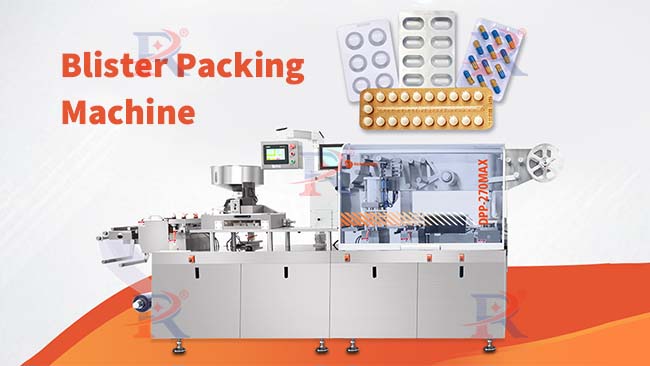
ما هي حزمة نفطة? (تعريف سريع)
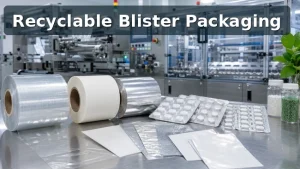
حزمة البثرة هي تنسيق حزمة الجرعة الواحدة النهائية: يتم إغلاق المنتج بين أ تجويف شكلت ("النفطة") و أ طبقة الغطاء (احباط في كثير من الأحيان). يتكون التجويف عادة من فيلم قابل للتشكيل الحراري (تشمل الهياكل الشائعة الأفلام القائمة على PVC, في بعض الأحيان مع الطلاء الحاجز أو التصفيحات), في حين أن طبقة الغطاء غالبًا ما تكون عبارة عن رقائق الألومنيوم مع طبقة مانعة للتسرب بالحرارة ترتبط بشفة التجويف.
يهيمن طريقان للتعبئة. التشكيل الحراري يشكل فيلمًا بلاستيكيًا ساخنًا في الجيوب ويستخدم على نطاق واسع لكفاءته ورؤية المنتج. تشكيل الباردة (غالبًا ما يطلق عليه Alu-Alu) يقوم ميكانيكيًا بتشكيل طبقة من الألمنيوم في الجيوب ويتم اختياره عندما تحتاج إلى حماية عالية جدًا (الرطوبة / الأكسجين / الضوء), قبول المقايضات بانخفاض الرؤية. هذا هو السبب في أن تنسيق البثرة "الصحيح" ليس مجرد قرار يتعلق بالتعبئة - فهو يحدد بشكل مباشر نوع الجهاز وفترة الأداء التي يمكنك توقعها. للحصول على فهم أعمق للتغليف نفطة, يرجى الرجوع إلى هذه المقالة: ما هي حزمة نفطة
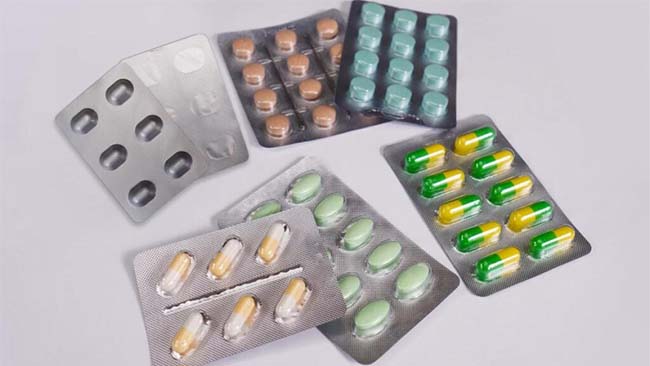
كيف تعمل آلة تعبئة الفقاعة?
يمكن فهم معظم الخطوط من خلال خمس مراحل. عندما ينجرف الإنتاج أو الجودة, عادة ما يكون السبب الجذري في إحدى هذه الخطوات.
خطوة 1: تشكيل (خلق التجاويف)
يتم تغذية الشبكة الأساسية إلى محطة التشكيل. في التشكيل الحراري, تعمل الحرارة على تليين الفيلم وتقوم الأدوات بتشكيله في تجاويف باستخدام الفراغ و/أو الضغط. في التشكيل البارد, تقوم الأدوات بسحب صفائح الألمنيوم إلى تجاويف دون نفس سلوك التسخين, وتصبح الحدود الهندسية والمادية أكثر حساسية.
خطوة 2: تغذية / تحميل (وضع المنتج)
يتم وضع المنتج في كل تجويف باستخدام نظام تغذية يتناسب مع شكل المنتج وهشاشته (أقراص, كبسولات, أو وحدات أخرى). الهدف ليس فقط "عدم وجود قطع مفقودة".,"ولكن أيضًا الحد الأدنى من الكسر والحد الأدنى من الغبار.
نمط الفشل الشائع: يتراكم غبار المسحوق أو الشظايا على الأسطح المانعة للتسرب, تحويل مشكلة التغذية إلى مشكلة الختم.
خطوة 3: ختم
يتم إدخال مادة الغطاء وربطها بشفة التجويف باستخدام الحرارة والضغط المتحكم فيهما. الاتساق يهم أكثر من درجة حرارة العنوان. إذا كان تتبع الويب أو التسجيل غير مستقر, قد يهبط الختم عن الحافة حتى عندما تبدو الإعدادات "صحيحة".
نمط الفشل الشائع: تسربات أو أختام ضعيفة بسبب الطاقة/الضغط غير المستقر, اختلال, أو التلوث.
خطوة 4: قطع / ثقب / تسريح (صنع الحزمة النهائية)
يتم قطع الشبكة المختومة إلى صفائح نفطة. يمكن إضافة ثقب لراحة المسيل للدموع. يجب أن يكون التفريغ مستقرًا حتى لا تتكدس العبوات, أبلى, أو تشوه.
نمط الفشل الشائع: نتوءات, نوعية ثقب سيئة, أو الاختناقات الميكانيكية التي تؤدي إلى عدم استقرار التوقف والبدء.
خطوة 5: تقتيش & الرفض (اختياري ولكنه شائع)
تضيف بعض الخطوط فحصًا للمنتج المفقود, قضايا الترميز, أو عيوب بصرية, رفض الحزم السيئة تلقائيًا. يمكن أن يؤدي ذلك إلى تقليل النفايات النهائية والمساعدة في استقرار الجودة، إذا تم دمجها وضبطها بشكل صحيح.
أنواع ماكينات تعبئة الفقاعات
معظم "قوائم النوع" تصبح طويلة. ما يهم هو التجمع الذي يغير القدرة على التعبئة والتغليف, استقرار, وتكلفة التشغيل.
بواسطة طريقة التشكيل: التشكيل الحراري مقابل التشكيل البارد
التشكيل الحراري (غالبا ما تستخدم لحزم Alu-PVC) شائع للكفاءة, الرؤية, وتطبيقات واسعة. تشكيل الباردة (ألو ألو) يتم اختياره عندما يكون أداء الحاجز هو الأولوية ويتطلب المنتج ذلك.
حسب الهيكل & حركة: الأسطوانة مقابل اللوحة المسطحة (والهجينة)
آلات التعبئة والتغليف نفطة نوع الأسطوانة استخدم الختم القائم على الأسطوانة وغالبًا ما يرتبط بحركة مستمرة عالية السرعة. تستخدم آلات الألواح المسطحة أدوات الألواح وغالبًا ما يتم اختيارها لمرونة التجويف, تحكم دقيق, والحقائق العملية المتعلقة بتغيير التنسيق - خاصة عندما تتغير الإعدادات بشكل متكرر. تحاول الهجينة تحقيق التوازن بين الاثنين.
حسب مستوى الأتمتة: يدوي, شبه تلقائي, أوتوماتيكي بالكامل
يمكن أن تكون التكوينات اليدوية أو شبه الأوتوماتيكية منطقية بالنسبة للكميات الصغيرة, التحولات المتكررة, أو البيئات التي يكون فيها تحكم المشغل جزءًا من سير العمل. الأنظمة الأوتوماتيكية بالكامل هي المعيار التجاري, إنتاج مستدام وجودة قابلة للتكرار - خاصة عند التخطيط للتكامل بين المنبع والمصب.
طاولة: طريقة سريعة للتفكير في "الأنواع"
| يكتب | أفضل ملاءمة | المقايضات |
| التشكيل الحراري (ألو PVC) | كفاءة عالية, الرؤية, استخدام واسع | يعتمد الحاجز على بنية الفيلم |
| تشكيل الباردة (ألو ألو) | أقصى حاجز للمنتجات الحساسة | انخفاض الرؤية, سرعة أقل عادة, ارتفاع تكلفة المواد / الأدوات |
| نوع الأسطوانة | تركز على الإنتاجية, الحركة المستمرة | احتياجات رقابة أكثر صرامة; يمكن أن تكون التحولات أكثر مشاركة |
| نوع اللوحة المسطحة | صيغ مرنة, تشكيل/ختم يمكن السيطرة عليه | غالبًا ما تكون سرعة الذروة أقل من تصميمات الأسطوانة |
| خط أوتوماتيكي بالكامل | إخراج مستقر مع اختلاف يدوي أقل | تعقيد أعلى; مسألة التكامل والتدريب |
ال 9 الميزات التي يجب معرفتها (ما يغيرونه في الإنتاج الحقيقي)
هذه الميزات مهمة لأنها تحدد ما إذا كان الخط سيبقى مستقرًا عندما تتغير الظروف: منتجات مختلفة, تحولات مختلفة, مواد مختلفة, والتوقف الفعلي.
1) الإخراج الحقيقي مقابل السرعة المقدرة
السرعة المقدرة هي السقف, ليس ضمانا. يعتمد الإنتاج الحقيقي على المواد المستخدمة, حجم البثرة, كم مرة يتوقف الخط, مقدار الخردة التي يتم إنشاؤها أثناء بدء التشغيل وبعد التغييرات, ومدى ثبات عملية الختم والتتبع خلال نوبة العمل الكاملة. يمكن للآلة الأبطأ التي تعمل بثبات أن تنتج حزمًا قابلة للبيع يوميًا أكثر من الآلة الأسرع التي تحتاج إلى تدخل مستمر.
2) تناسب المواد (تشكيل الويب + غطاء)
"متوافق" لا يعني دائمًا "مستقر". يتمحور ملاءمة المواد حول ما إذا كان الجهاز قادرًا على تشكيل تجاويف متسقة وإغلاقها بشكل موثوق عبر نطاق الأفلام الحقيقي لديك, نوع احباط, والظروف المحيطة. إذا كانت نافذة العملية ضيقة, يمكن أن يتحول التباين البسيط في دفعات المواد إلى عيوب وتوقف عن العمل.
3) جودة التشكيل (عمق, التوحيد, خطر التخفيف)
جودة التشكيل تؤثر على كل شيء. تعمل الجيوب العميقة والهندسة الحادة على زيادة الضغط والترقق عند الزوايا, والتي يمكن أن تسبب الشقوق أو التشوهات التجميلية. إذا لم تكن التجاويف موحدة عبر الويب, تنخفض موثوقية التغذية ويصبح الختم غير متناسق. التحكم الجيد في التشكيل يجعل تشغيل الخط بأكمله أسهل.
4) استقرار الختم (الترابط المستمر, ليس فقط "درجة الحرارة")
الختم ليس مقبضًا واحدًا. يعتمد الختم المستقر على توصيل الحرارة المتكرر, ضغط موحد, أسطح مانعة للتسرب نظيفة, والتسجيل الصحيح حتى يسقط الختم على الحافة. من الأخطاء الشائعة دفع درجة الحرارة إلى أعلى من أجل "إصلاح التسريبات".,"والتي يمكن أن تخفي السبب الحقيقي (اختلال, تلوث, أو التعامل مع الويب غير المستقر) وإدخال مشاكل جديدة مثل التشويه أو تلف الرقائق.
5) التعامل مع الويب & تسجيل (توتر, تتبع, تنسيق)
التعامل مع الويب هو المحرك الصامت للجودة. عندما التوتر وتتبع الانجراف, ترى أعراض مثل التجاعيد, اختلال الطباعة, والأختام تهبط خارج المركز. حتى أفضل محطة ختم لا يمكنها تعويض الشبكة التي تتجول. إذا كنت تريد حزم متسقة, إعطاء الأولوية للتتبع المستقر وسلوك التسجيل القابل للتكرار.
6) دقة التغذية & التعامل اللطيف (مفتقد, الكسر, تراب)
نادرًا ما تظل مشكلات التغذية "مجرد تغذية". أقراص مكسورة, حواف متكسرة, ويؤدي تراكم الغبار إلى حدوث تلوث ينتقل إلى الختم. الوحدات المفقودة تؤدي إلى الرفض, ويؤدي هؤلاء المرفوضون إلى إنشاء سلوك التوقف والبدء الذي يزعزع استقرار الحرارة والتحكم في الويب. يجب أن تتوافق التغذية مع المنتج الأكثر صعوبة, ليس الأسهل.
7) التحول & تصميم التنظيف (التكرار والوصول)
التغيير هو أكثر من مجرد تبديل الأدوات. إنه تنظيف أيضًا, خيوط, فحوصات الاستشعار, والوقت المستغرق للعودة إلى الحزم المستقرة. إن التصميم الذي يسهل الوصول إليه وإعداده بشكل متكرر يقلل من تقلبات المشغل ويجعل الخط قابلاً للتنبؤ به. انتبه أيضًا إلى مصائد الغبار - وهي الأماكن التي يتجمع فيها المسحوق والشظايا وتتسبب لاحقًا في حدوث عيوب في الختم.
8) تقتيش & استعداد الرفض (عندما يهم)
لا يحتاج كل خط إلى فحص الرؤية الكامل في اليوم الأول, لكن العديد من الخطوط تستفيد من التخطيط لها. يؤدي الفحص إلى تقليل تكلفة العيوب عن طريق اكتشاف المشكلات مبكرًا. إذا كنت تخطط لإضافة التفتيش في وقت لاحق, الاستعداد مهم: التركيب الجسدي, اندماج, ويجب أن تكون معالجة الرفض ممكنة دون إعادة تصميم كاملة.
9) توثيق & جاهزية الامتثال (عقلية عملية)
حتى خارج الصيدلة الصارمة, التوثيق الجيد يقلل من وقت التشغيل ويحسن التكرار بعد الصيانة. والسؤال العملي هو ما إذا كان المورد يدعم التشغيل المستقر طوال دورة حياة المعدات أم لا - إرشادات الإعداد الواضحة, إعدادات قابلة للتكرار, والدعم المنظم لاختبار القبول والتدريب.
مختصر, مثال غير البيع: العديد من الشركات المصنعة مثل أولمان, روماكو, و رويداباكينج, ضع محاليل الفقاعة كجزء من خط إنتاج الفقاعة بالإضافة إلى التغليف الكرتوني النهائي - لأن التكامل المستقر غالبًا ما يكون مهمًا بقدر أهمية محطة الفقاعة نفسها.
مزايا وعيوب التعبئة والتغليف نفطة
تظل عبوات الفقاعة شائعة لأنها تحمي المنتجات, يقدم أدلة التلاعب, ويوفر تنسيق جرعة وحدة نظيفة يدعم المعالجة والتوزيع. ويمكنه أيضًا تحسين عرض المنتج وتقليل الاتصال المتبادل بين الجرعات.
الجوانب السلبية حقيقية أيضًا. يمكن أن تكون استدامة المواد وإعادة التدوير معقدة اعتمادًا على الهياكل المستخدمة. الاستثمار في المعدات مفيد, ويمكن أن تكون حالات فشل الختم "صامتة" (قد تبدو العبوات جيدة ولكن أداءها ضعيف في سلوك الحاجز أو التقشير). ولهذا السبب ركزت الأقسام السابقة على استقرار الثبات والتحكم في الويب بدلاً من السرعة فقط.
كيفية اختيار آلة تعبئة الفقاعة المناسبة
ابدأ بهدف الحزمة الخاصة بك. إذا كان أداء الحاجز أمر بالغ الأهمية, هذا عادة ما يدفعك نحو آلة تشكيل البثرة على البارد(آلة نفطة ألو ألو). إذا كانت التكلفة والرؤية هي الأولوية وكانت احتياجات العوائق معتدلة, التشكيل الحراري(آلة نفطة Alu-PVC) غالبًا ما يكون هو الطريق العملي.
التالي, تطابق الهيكل مع واقع التشغيل الخاص بك. إذا كانت تغييرات التنسيق متكررة, لا تقلل من شأن التطبيق العملي للوحة المسطحة وسهولة التغيير. إذا كانت الإنتاجية المستدامة هي الأولوية وكان تنسيقك مستقرًا, قد تكون التصميمات الدوارة/المستمرة مناسبة بشكل أفضل.
ثم اختبر "أصعب منتجاتك" من الناحية النظرية: الجهاز اللوحي الأكثر هشاشة, المنتج الأكثر غبارًا, الشكل الأكثر حرجًا, أو التجويف الأكثر تطلبا. إذا كان النظام يستطيع تشغيل هذا المنتج بشكل موثوق, كل شيء آخر يصبح أسهل.
أخيراً, فكر في مصطلحات الخط. إذا كانت خطتك تتضمن التغليف بالكرتون, قم بتقييم عملية التسليم من البثرة إلى الكرتون مبكرًا حتى لا يتعطل خطك لاحقًا.
تثبيت, صيانة, وتكامل الخط
تقرحات مستقرة تعتمد على الإعداد المستقر. تركز الإجراءات الروتينية الجيدة على النظافة حول مناطق التغذية والإغلاق, سلوك الاحماء المستمر, والفحوصات الدورية للمحاذاة, يرتدي, وتتبع الاستقرار. العديد من "مشاكل الجودة" هي في الواقع مشاكل انحراف في الإعداد.
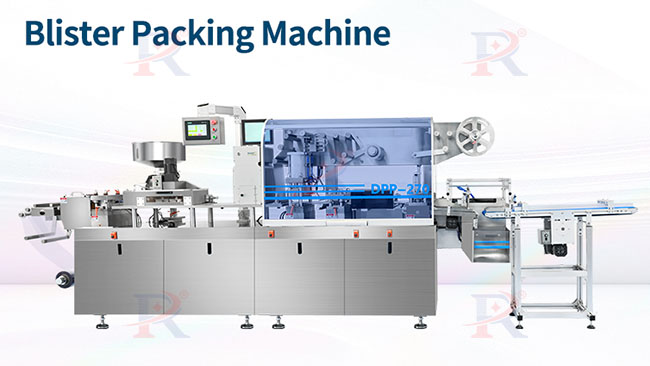
من أجل التكامل, يعد التدفق من البثرة إلى الكرتونة أحد الترقيات الأكثر شيوعًا. المفتاح هو النقل المستقر والإيقاع المطابق حتى لا يتراكم ناتج البثرة أو يجوع علبة الكرتون. إذا كنت تخطط لخط كامل, من المفيد التفكير في آلة التقرح و آلة التعبئة في الكرتون معًا وليس كآلات معزولة.
الأسئلة الشائعة
1) متى أحتاج إلى آلة نفطة Alu-Alu بدلاً من آلة نفطة Alu-PVC?
عندما يكون أداء الحاجز متطلبًا أساسيًا لاستقرار المنتج أو ظروف التوزيع. توقع المقايضات في الرؤية.
2) نوع الأسطوانة آلة نفطة مقابل لوحة مسطحة آلة نفطة- ما هو الفرق العملي?
غالبًا ما تستهدف أنواع البكرات الحركة المستمرة ذات السرعة العالية. غالبًا ما تؤكد أنواع الألواح المسطحة على إمكانية التحكم في التشكيل/الختم ومرونة الشكل العملي. يعتمد الاختيار الأفضل على تنوع منتجك وإيقاع التشغيل.
3) لماذا تحدث التسريبات حتى عندما تبدو درجة الحرارة صحيحة؟?
لأن استقرار الختم يعتمد على توحيد الضغط, الأسطح النظيفة, التسجيل الصحيح, ومعالجة مستقرة للويب - وليس درجة الحرارة وحدها.
4) هل أحتاج إلى فحص الرؤية?
ليس دائما على الفور. تصبح ذات قيمة عند فقدان المنتج, الطباعة/الترميز, أو تؤدي العيوب الدقيقة إلى هدر المصب أو مخاطر الامتثال. غالبًا ما يكون التخطيط للتكامل المستقبلي أمرًا ذكيًا.
5) لماذا يعد التغيير مهمًا جدًا إذا كان جهازي "سريعًا"?
لأن التغيير يؤثر على القدرة الفعالة - عدد الحزم القابلة للبيع التي تنتجها أسبوعيًا - خاصة في عمليات المنتجات المتعددة.
المراجع
التحقق من صحة عملية إدارة الغذاء والدواء (قوات الدفاع الشعبي):
https://www.fda.gov/files/drugs/published/Process-Validation–المبادئ العامة والممارسات.pdf
دليل خط الأساس ISPE المجلد 5 (ج&س الطبعة الثانية):
أستم F88/F88M (الصفحة القياسية لقوة الختم):