>

약병에 들어있는 건조제: 제약 품질을 보호하는 방법

약병에 들어있는 건조제: 제약 품질을 보호하는 방법

목차

Desiccant in pill bottles helps control moisture inside a sealed container. For tablets, 캡슐, and other oral solid dosage products, humidity can affect appearance, tablet hardness, capsule shell behavior, coating quality, and stability during storage and transport.

The small desiccant sachet or insert inside a medicine bottle is part of the package’s moisture-control system. It works with the bottle, 캡, liner, induction seal, filling environment, and storage conditions. When the product is sensitive to moisture, each part of the package affects how well the finished bottle protects the medicine before use.

약병 제약 건조제

Moisture-sensitive tablets may soften, 금이 가다, discolor, or show changes in tablet disintegration behavior. Capsules can become sticky in humid conditions or brittle when moisture balance is poorly controlled. Coated tablets, 발포성 정제, 프로바이오틱스, and some supplement products often need tighter protection than standard bottled solid dosage products.

For pharmaceutical manufacturers and packaging buyers, desiccant selection is not only a packaging-material decision. It also affects bottle design, tablet or capsule counting and bottling line layout, automatic desiccant insertion, tablet bottle capping, 유도 밀봉, 라벨링, and final cartoning. A stable bottle packaging process should place the correct desiccant into the correct bottle without disturbing the rest of the line.

What Is Desiccant in Pill Bottles?

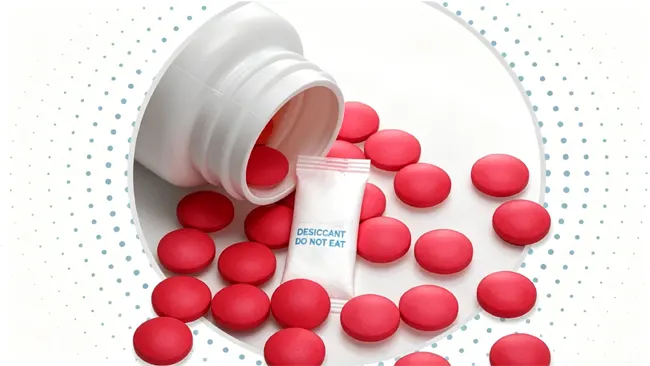
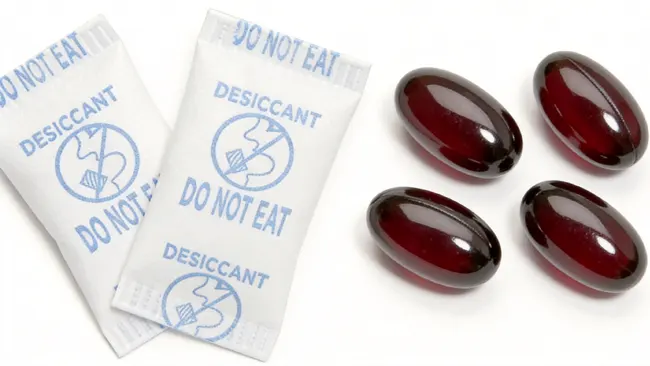
Desiccant is a moisture-adsorbing material placed inside a package to help reduce humidity in the closed space around the product. In pill bottles, it is commonly supplied as a small sachet, canister, or another approved insert format. Its purpose is not to change the medicine. It helps maintain a drier internal environment during storage, 해운, and normal handling before use.

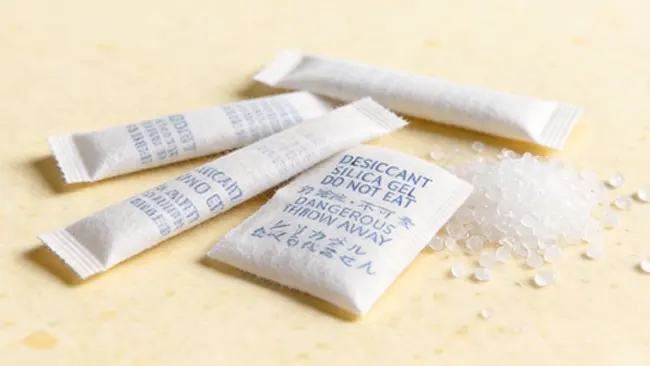
Common pharmaceutical desiccant materials include silica gel, molecular sieve, activated clay, and other sorbent materials selected according to product requirements. Silica gel is widely used for general moisture control in pharmaceutical and nutraceutical bottles. Molecular sieve is often selected when stronger moisture adsorption is needed for highly moisture-sensitive products. Pharmaceutical packaging suppliers commonly describe silica gel, molecular sieve, and clay as common desiccant options for pharma and nutraceutical use.

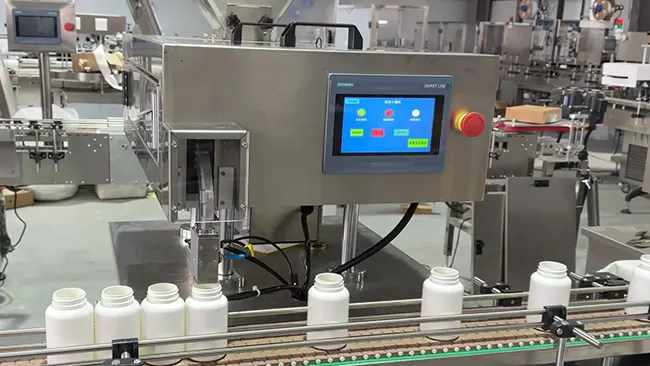
The desiccant format must match the packaging line. Small sachet desiccants are widely used because they can be automatically fed, cut, inserted, and checked by a 건조제 삽입기 designed for tablet or capsule bottle packaging lines. Rigid canisters are another option when the bottle opening, product format, and equipment layout support that style. The right choice depends on insertion accuracy, line speed, bottle size, and detection requirements.

Desiccant works best as part of a complete package. A weak bottle barrier, unstable tablet bottle capping, or poor induction sealing can still allow moisture to enter. For pharmaceutical bottles, moisture control usually depends on the combined performance of the container, closure, 밀봉하다, desiccant, and storage environment.

desiccant in pill bottles

Why Desiccant in Pill Bottles Matters for Product Quality

Desiccant in pill bottles protects pharmaceutical quality by reducing the moisture available inside the closed bottle. Moisture protection is a known factor in packaging selection for solid oral drug products because it can affect both chemical and physical stability.

For tablets, moisture exposure can change surface appearance, increase sticking, weaken tablet hardness, or affect coated tablet performance. Some tablets are more sensitive than others because of their formulation, 부형제, coating material, or intended release behavior. A coated tablet, chewable tablet, effervescent tablet, or orally disintegrating tablet may need a different moisture-control strategy from a standard compressed tablet.

For capsules, moisture balance is also important. Gelatin capsule shells can become too soft in high humidity. In very dry conditions, they may become brittle. The goal is not to make every bottle as dry as possible, but to keep the internal environment suitable for the specific product.

Desiccant also supports the package during distribution. Bottled tablets and capsules may move through warehouses, shipping containers, pharmacies, clinics, and end-user storage areas. Temperature and humidity changes during that journey can increase moisture stress. A suitable desiccant gives the package more protection after the bottle leaves the factory.

Moisture Risk in Bottled ProductsPossible Quality Effect
High humidity inside the bottleTablet softening, 달라붙는, coating damage, or capsule shell changes
Weak cap or liner performanceMoisture ingress during storage
Poor induction sealingReduced package protection before opening
Wrong desiccant type or amountIncomplete moisture control
Inaccurate desiccant insertionMissing insert, blocked bottle mouth, or unstable downstream handling
Long storage or transport timeHigher stability risk for sensitive products
desiccant

How Desiccant Helps Protect Tablets and Capsules

Desiccant helps protect tablets by reducing moisture that can affect the finished dosage form. This can support tablet hardness, coated tablet appearance, and product stability. For film coated tablets, moisture control can help reduce the risk of surface defects, 달라붙는, or appearance changes during storage. For uncoated tablets, moisture may have a more direct effect on tablet surface condition and mechanical strength.

Capsules need careful moisture balance because the shell responds to humidity. A capsule that absorbs too much moisture may feel soft or sticky. A capsule stored in overly dry conditions may become fragile. The packaging design must fit the product, not just the bottle size.

Some bottled products need stronger protection. 발포성 정제 are a clear example because they react easily with moisture. Probiotics and some nutraceutical products may also need low-moisture packaging to support shelf life. Certain softgels, herbal extracts, and vitamin products may require both moisture and odor-control planning.

The decision to use desiccant should come from formulation knowledge, package testing, and stability data. A product that performs well in one bottle may need a different desiccant type, bottle material, or sealing method when the bottle count, region, or shelf-life target changes.

Common Desiccant Types Used in Pharmaceutical Bottles

Different desiccants perform differently under changing humidity and temperature conditions. The most common choices for medicine bottles include silica gel, molecular sieve, activated clay, and blended sorbents.

Silica gel is often used for general moisture adsorption in tablet and capsule bottles. It suits many standard pharmaceutical, 기능식품, and supplement applications.

Molecular sieve is used when stronger moisture removal is required, including packages that need very low internal humidity. It can be useful for highly hygroscopic products or products with tighter stability requirements.

Activated clay is often used in cost-sensitive moisture-control applications, though suitability depends on the product and package. Some sorbent systems also combine moisture control with odor or volatile compound control.

Desiccant Type일반적인 사용Packaging Note
Silica gelGeneral moisture control for tablets, 캡슐, 그리고 보충제Common in sachet or insert formats
Molecular sieveStronger moisture adsorption for sensitive productsUseful when very low humidity is required
Activated clayCost-sensitive moisture-control applicationsSuitability depends on package and product needs
Canister desiccantBottle applications where rigid inserts are preferredMust fit bottle opening and line design
Sachet desiccantAutomated tablet or capsule bottle linesCan be fed, cut, inserted, and checked by a suitable desiccant inserter

Where Desiccant Fits in a Tablet or Capsule Bottle Packaging Line

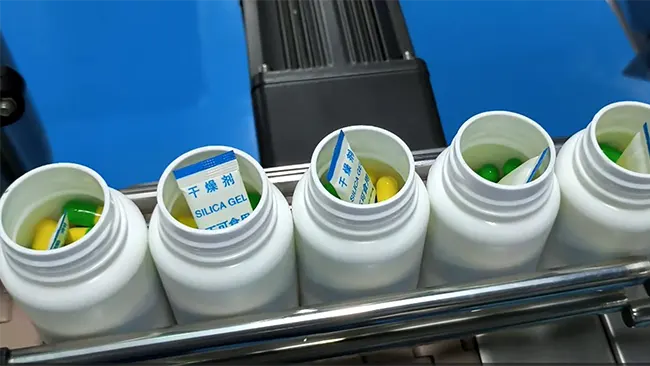
In a typical tablet or capsule bottle packaging line, desiccant insertion happens after bottle preparation and before the bottle is closed. The sequence often includes bottle unscrambling, tablet or capsule counting, 병 충전, 건조제 삽입, tablet bottle capping, medicine bottle induction sealing, pharmaceutical bottle labeling, and cartoning for bottled products.

The desiccant inserter must place the sachet or insert into the bottle cleanly and consistently. It should not block the bottle mouth, interfere with tablets or capsules, or slow down the downstream process. Missing-desiccant detection is also useful when the approved packaging design requires one insert in every bottle.

A tablet or capsule counting and bottling line must coordinate several steps. If the counter fills the bottle correctly but the desiccant inserter misses a bottle, the final package may not meet the intended moisture-control design. If the desiccant is poorly placed, it may affect tablet bottle capping or induction sealing. If detection is weak, a problem can move into labeling and cartoning before anyone notices it.

This is why equipment matching is important. The desiccant format, bottle opening, bottle height, conveyor speed, sensor layout, and control logic should be reviewed together. A packaging line for 30-count capsule bottles may need a different setup from a high-speed tablet bottle line using larger bottles and heavier fill counts.

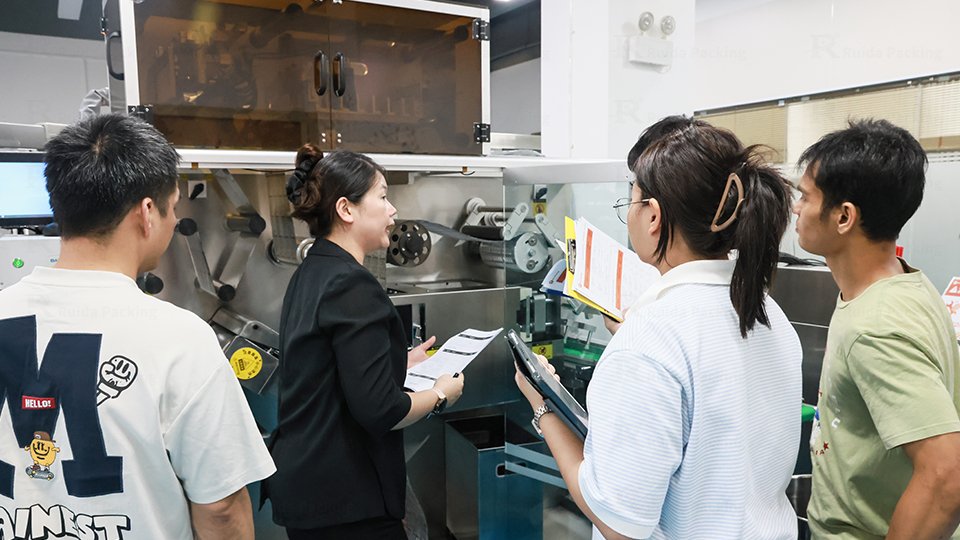
For a pharmaceutical bottle packaging project, Ruidapacking can help match tablet or capsule counting machines, automatic desiccant inserters, medicine bottle capping machines, medicine bottle induction sealing machines, pharmaceutical bottle labeling machines, and cartoning machines for bottled products according to bottle size, product type, and line speed requirements.

tablet capsule bottle line desiccant inserter

What Can Go Wrong Without Proper Desiccant Control?

A missing or poorly selected desiccant can increase moisture-related quality risks. The result may not appear immediately on the packaging line. Problems often show up after storage, 수송, or time in market conditions.

Tablets may become softer, rougher, discolored, or more prone to sticking. Coated tablets may show changes in surface quality. Capsules may stick together or change shell behavior. Some products may also develop more powder inside the bottle if physical stability is affected.

Poor desiccant placement can create mechanical problems. A sachet placed too high near the bottle mouth may interfere with medicine bottle capping. A desiccant that is not fully inserted may affect induction sealing. In high-speed production, even a small placement issue can create repeated rejects or customer complaints.

Missing desiccant also affects quality assurance. If the approved packaging design includes desiccant, every bottle should receive the correct insert. The line should include a practical way to detect presence, 위치, or feed failure, depending on equipment design and product risk.

How to Choose the Right Desiccant Insertion Method

The insertion method depends on batch size, bottle format, production speed, and quality requirements. Manual placement may work for low-volume production or trial batches, but it is harder to keep consistent at higher output. For routine commercial production, an automatic desiccant inserter is usually more suitable.

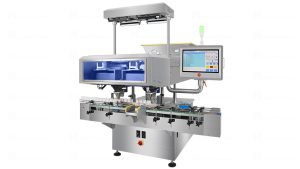
A tablet or capsule bottle desiccant inserter should match the desiccant format. Sachet-style desiccants require reliable roll feeding, 절단, insertion, and detection. Canister-style inserts need stable feeding and bottle-mouth alignment. The machine should also work with the bottle size range used on the line.

Buyers should check whether the equipment can handle the required output speed without causing bottle jams or unstable insertion. They should also confirm whether the machine can detect missing desiccants, feed breaks, blocked insertion, or abnormal bottle movement. These checks are useful when the line is connected to tablet or capsule counting, tablet bottle capping, medicine bottle induction sealing, pharmaceutical bottle labeling, and cartoning equipment.

Changeover is another practical point. Many manufacturers run more than one bottle size or product format. A good setup should allow quick adjustment without creating new accuracy problems. The desiccant system should be easy to clean, inspect, and maintain in pharmaceutical and nutraceutical production environments.

Packaging Checks Before Using Desiccant in Pill Bottles

A desiccant decision should start with the product. Not every tablet or capsule bottle needs the same moisture-control level. The packaging team should review product sensitivity, bottle material, cap and liner design, seal type, fill count, expected shelf life, and distribution region.

The desiccant size must fit the bottle and leave enough space for tablets or capsules. If the bottle is small, the insert may reduce usable volume or sit too close to the cap. If the bottle opening is narrow, insertion accuracy becomes more demanding. If the bottle count is high, the line must prevent the insert from being trapped among products in a way that affects handling.

The seal also deserves attention. Induction sealing can improve moisture protection when applied correctly, but seal quality depends on cap fit, foil liner condition, sealing parameters, and bottle material. A desiccant cannot compensate for an unstable closure system.

The packaging line should be tested as a complete system. Tablet or capsule counting accuracy, 건조제 삽입, tablet bottle capping torque, induction sealing quality, pharmaceutical bottle labeling, and cartoning flow should be checked together. A stable line protects both the product and the final pack presentation.

desiccant and capsules

결론

Desiccant in pill bottles protects pharmaceutical quality by helping control moisture inside the sealed container. For tablets, 캡슐, and other solid dosage products, this can support stability, 모습, coating condition, capsule shell behavior, and shelf-life performance.

The best result comes from a complete packaging approach. The desiccant type, bottle material, 캡, liner, induction seal, filling environment, and tablet or capsule bottle packaging line must work together. A well-matched desiccant inserter also helps place the correct insert into every bottle without disturbing counting, 캡핑, 밀봉, 라벨링, or cartoning.

For pharmaceutical manufacturers, desiccant is a small component with a direct link to product protection. Choosing it carefully can reduce moisture risk and make the finished bottle more reliable throughout storage and distribution.

자주 묻는 질문

What does desiccant do in pill bottles?

Desiccant helps adsorb moisture inside a sealed pill bottle. It supports a drier internal environment for tablets, 캡슐, and other moisture-sensitive solid dosage products.

Is desiccant in pill bottles safe?

Pharmaceutical desiccants are placed inside packaging to protect the product, but they are not medicine and should not be eaten. The insert should remain separate from the tablets or capsules.

Do all tablets and capsules need desiccant?

아니요. The need depends on the formulation, bottle material, cap and seal design, 유통기한 목표, and stability data. Some products need strong moisture control, while others may not require an insert.

What type of desiccant is used in pharmaceutical bottles?

Common options include silica gel, molecular sieve, activated clay, and other sorbent materials. The selection depends on the product’s moisture sensitivity and packaging design.

What is a desiccant inserter used for?

A desiccant inserter automatically places a sachet or insert into bottles on a tablet or capsule bottle packaging line. It helps improve consistency and reduces manual handling.

Can desiccant replace good bottle sealing?

아니요. Desiccant supports moisture control, but bottle barrier performance, tablet bottle capping, liner quality, and induction sealing still need to be stable.

참조

  • ICH Q1A(R2) Stability Testing guidance explains that stability studies should use the proposed container closure system or one that simulates it.

https://database.ich.org/sites/default/files/Q1A%28R2%29%20Guideline.pdf

  • PharmTech discusses moisture uptake in oral solid dosage packaging and its effect on degradation, 모습, and physical attributes.

https://www.pharmtech.com/view/predicting-moisture-uptake-solid-dosage-packaging

공유하다:

메시지를 보내주세요

관련 기사

귀하의 필요 사항을 알려주세요

    견적 요청

      *귀하의 비밀을 존중하며 모든 정보는 보호됩니다.