





Hogar

>

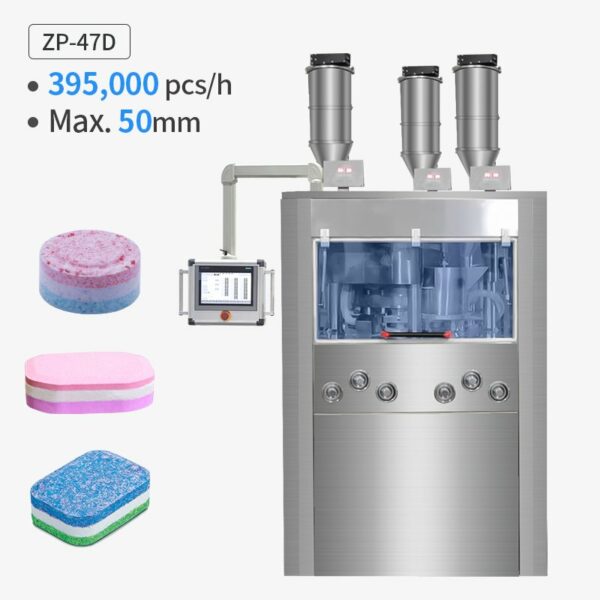
Máquina prensadora de tabletas de tres capas

Máquina prensadora de tabletas de tres capas
Muestra de tableta
Placa giratoria
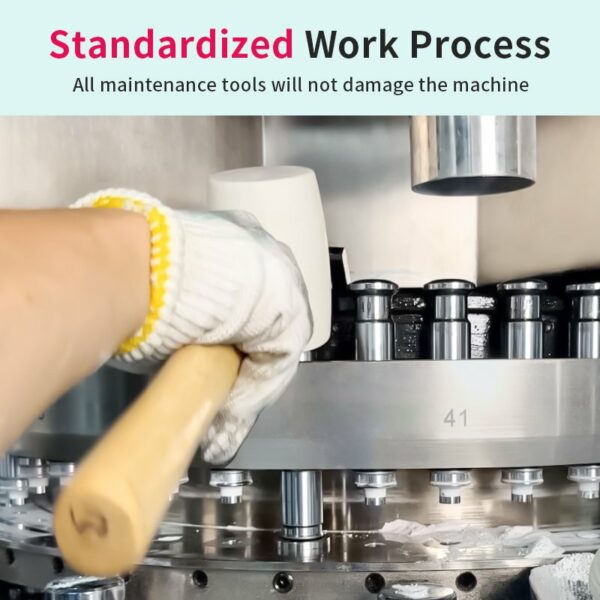
Flujo de trabajo estándar
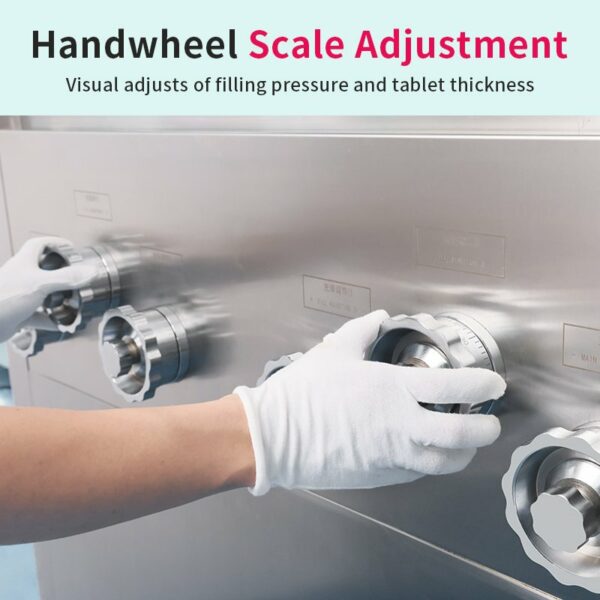
Ajuste del volante
Máquina prensadora de tabletas de tres capas
Muestra de tableta
Placa giratoria
Flujo de trabajo estándar
Ajuste del volante

Máquina prensadora de tabletas de tres capas

Three layer tablet press machine is designed to produce tablets with three distinct layers, typically used for creating tablets with different drug release profiles or combinations of active ingredients.

Separate Hoppers: The machine has three independent hoppers, each holding a different material for the corresponding layer. Each layer’s material is fed into the die cavity sequentially using controlled feeding mechanisms, ensuring uniform distribution.

First Layer: The first material is fed into the die cavity and pre-compressed using the pre-compression roller. This step forms a compact base layer without complete compression, leaving it ready to bond with the second layer.

Second Layer: The second material is added on top of the first layer and pre-compressed again to ensure adhesion and avoid separation.

Third Layer: The third material is introduced, completing the layering process, and the final pre-compression ensures proper bonding of all layers.

Especificación:

Hasta 395.000 piezas/h

Diámetro máximo de la tableta: 50 milímetros

How is the mutil layer tablet press machine working?

Three-layered tablets with distinct compositions and controlled release properties, suitable for advanced pharmaceutical formulations.

Características principales

ModeloZP-27DZP-45DZP-73D
Diámetro máximo de la tableta50 milímetros20 milímetros11 milímetros
Capacidad máxima de producción87.480 piezas/hora202.500 piezas/hora395.000 piezas/hora
Presión máxima150 Kn80 Kn60 Kn
Velocidad de rotación182530

Ventajas de la máquina prensadora de tabletas

After all three layers are sequentially filled and pre-compressed, the machine performs a final compression using the main compression roller.

Layer Uniformity: Precise weight and thickness control for each layer is maintained to ensure uniformity.

Compression Force Adjustment: Independent adjustment of compression forces for each layer ensures optimal bonding without cross-layer mixing.

Rejection System: Tablets with defects, such as improper layer bonding or incorrect weight, are automatically rejected.

Partes principales

Solicitar una cotización

    *Respetamos su confidencialidad y toda la información está protegida.