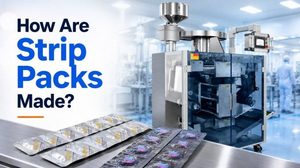
آلة ضغط الأقراص هي قطعة أساسية من المعدات في صناعة الأدوية, تحويل المواد الخام المسحوقة إلى أقراص صلبة بمختلف الأشكال والأحجام من خلال الضغط العالي المطبق بواسطة القوالب. يعد فهم مبدأ عملها أمرًا بالغ الأهمية لإنتاج أقراص عالية الجودة, تحسين عمليات الإنتاج, وضمان التشغيل الفعال للآلة. تشرح هذه المقالة بدقة آلية عمل آلة ضغط الأقراص ومكوناتها الرئيسية لمساعدتك على فهم كيفية عمل آلة ضغط الأقراص بشكل أفضل.
1. ما هو مبدأ العمل الأساسي لآلة الضغط اللوحي?
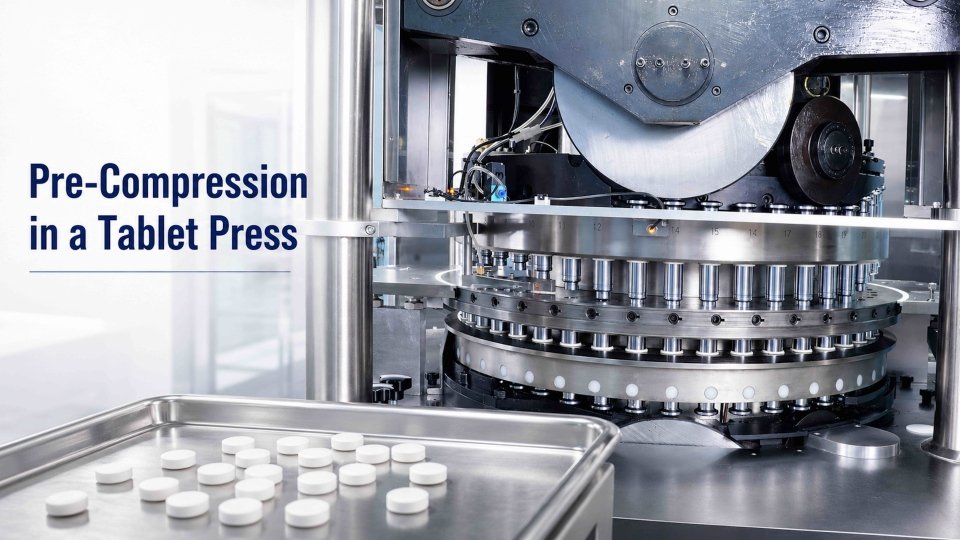
يمكن تعميم آلية عمل آلة ضغط الأقراص على أنها “تشكيل أقراص صلبة من خلال الضغط على المادة المسحوقة,". يتم تغذية المواد الخام إلى تجويف القالب من خلال نظام التغذية, حيث اثنين من اللكمات (لكمة العلوية والسفلية) العمل معًا لضغط المسحوق إلى أقراص صلبة ذات أشكال وأحجام محددة تحت ضغط عالٍ. لضمان نتيجة جودة موحدة لكل قرص, المعلمات مثل الضغط المسبق/الضغط الرئيسي, حجم تعبئة المسحوق, سمك الجهاز اللوحي, وسيتم التحكم في سرعة البرج للتأكد من الاتساق والثبات طوال عملية الضغط على الجهاز اللوحي, تحسين الجودة الشاملة للمنتجات اللوحية.
تتضمن الخطوات الأساسية في عملية الضغط على الجهاز اللوحي ما يلي::
– تغذية: يتم تسليم المواد الخام المسحوقة بالتساوي إلى تجويف القالب عبر وحدة التغذية.
– ضغط: تمارس اللكمات العلوية والسفلية ضغطًا عاليًا لضغط المسحوق في تجويف القالب, تشكيل أقراص صلبة.
– طرد: يتم دفع الأقراص النهائية من تجويف القالب بواسطة نظام الطرد.
تتم عملية إنتاج الأجهزة اللوحية بأكملها بشكل مستمر بواسطة آلية دوارة, صنع مكابس الأقراص الدوارة مثالية للإنتاج الضخم في شركات الأدوية.
2. المكونات الرئيسية لآلة الضغط اللوحي التي يجب أن تعرفها
يمكن أن يساعدك فهم مكونات آلة ضغط الأقراص في إدارة عملية الإنتاج بأكملها بشكل أكثر فعالية. فيما يلي الأجزاء الرئيسية لآلة الضغط اللوحي:
– المغذية: إنه يضمن أن يتم تسليم المواد المسحوقة بالتساوي إلى القالب, وهو أمر بالغ الأهمية لاتساق الجهاز اللوحي.
– يموت واللكمات: يحدد القالب شكل الجهاز اللوحي وحجمه, بينما تقوم اللكمات بضغط المسحوق إلى أقراص عن طريق الضغط.
– نظام القيادة: وهذا يوفر الطاقة اللازمة للضغط على الجهاز اللوحي, يتكون عادةً من محرك رئيسي ونظام نقل ميكانيكي.
– نظام التحكم: فهو يجمع البيانات في الوقت الحقيقي من أجهزة الاستشعار في كل خطوة من عملية الإنتاج, ضمان التحكم الدقيق في ضغط الجهاز اللوحي, وزن, والحجم.
يلعب كل مكون دورًا حاسمًا ولا غنى عنه للحفاظ على عملية إنتاج الأجهزة اللوحية مستقرة وموثوقة.
3. أنواع مختلفة من آلات الضغط اللوحي ومبادئ عملها
قد تحتاج إلى الاختيار بين أنواع مختلفة من مكابس الأجهزة اللوحية بناءً على احتياجات الإنتاج الخاصة بك. تشمل الأنواع الشائعة:
– الصحافة اللوحية ذات المحطة الواحدة: مناسبة للإنتاج على نطاق صغير أو للاستخدام المختبري, هذا النوع من الآلات سهل التشغيل وينتج قرصًا واحدًا في كل مرة. إنه يعمل عن طريق الضغط على اللكمات العلوية والسفلية في خط مستقيم لتشكيل أقراص.
– الصحافة اللوحية الدوارة: إنها آلة ذات كفاءة عالية للإنتاج المستمر على نطاق واسع. مبدأ عملها مشابه لمكبس المحطة الواحدة, ولكن لديها عدة لكمات مرتبة على برج دوار, استكمال تعبئة المسحوق, ضغط, والطرد في وقت واحد على محطات متعددة, زيادة كفاءة الإنتاج بشكل ملحوظ.
بسبب الإنتاجية العالية والأتمتة, تعتبر مكبس الأقراص الدوارة جهاز إنتاج أساسي في العديد من مصانع الأدوية الكبيرة.
4. المعلمات الرئيسية للتحكم أثناء ضغط الجهاز اللوحي
تؤثر العديد من المعلمات بشكل مباشر على جودة الأجهزة اللوحية أثناء عملية الضغط. يمكن أن يساعدك فهم هذه المعلمات والتحكم فيها في إنتاج أجهزة لوحية تلبي المعايير المطلوبة.
– ضغط: هذا يحدد صلابة وثبات الأقراص. قد يؤدي الضغط الزائد إلى كسر الجهاز اللوحي, في حين أن الضغط غير الكافي يمكن أن يؤدي إلى أقراص فضفاضة.
– حجم التعبئة: يؤثر على وزن كل قرص والتوزيع الموحد للمكونات النشطة.
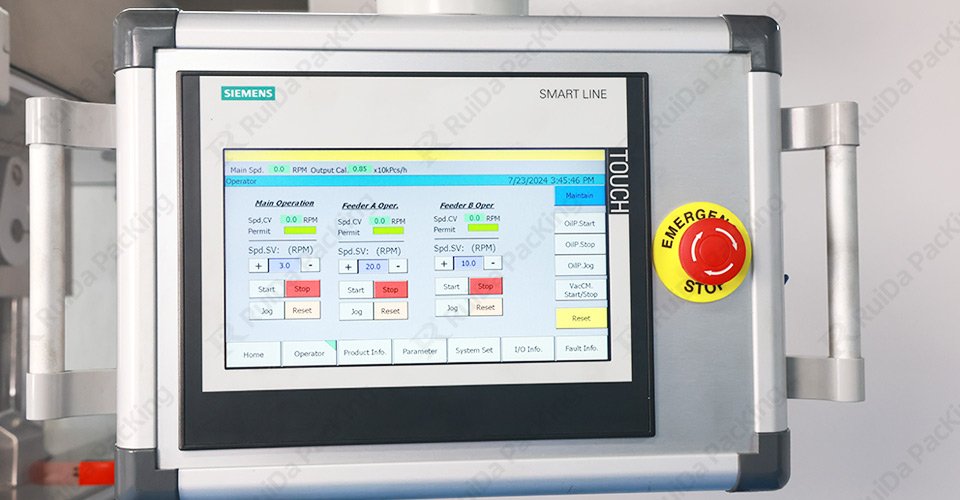
– سرعة: كلما زادت سرعة تشغيل الآلة, كلما زاد إخراج الجهاز اللوحي. لكن, قد يؤدي التشغيل عالي السرعة إلى عدم استقرار جودة المنتج وزيادة تآكل المعدات. يجب تعديل سرعة الإنتاج بعناية وفقًا لخصائص المواد لتحقيق التوازن بين جودة المنتج والإنتاج.
يمكن ضبط هذه المعلمات من خلال نظام التشغيل الآلي للآلة, وتضمن المراقبة في الوقت الفعلي عبر أجهزة الاستشعار الاتساق في جودة الجهاز اللوحي.
5. الاختلافات بين أوضاع التشغيل المستمر والمتقطع
تعمل آلات ضغط الأقراص عادة في أوضاع مستمرة أو متقطعة. يعتمد الاختيار بين هذه الأوضاع على حجم الإنتاج ومستوى الأتمتة المطلوبة.
– الوضع المستمر: مثالية للإنتاج على نطاق واسع, يسمح هذا الوضع للآلة بالتغذية المستمرة, ضغط, وإخراج الأجهزة اللوحية دون انقطاع, تعظيم الكفاءة وتقليل التدخل اليدوي.
– الوضع المتقطع: مناسبة لإنتاج دفعة صغيرة أو التطبيقات المعملية, حيث يتوقف الجهاز مؤقتًا بعد كل دورة ضغط, السماح بإجراء تعديلات يدوية أو تلقائية قبل بدء الدورة التالية. بينما أقل كفاءة, يوفر هذا الوضع تحكمًا ومراقبة أكبر لجودة كل جهاز لوحي.
يمكن أن يؤدي تحديد وضع التشغيل المناسب بناءً على احتياجات الإنتاج الخاصة بك إلى تحسين الكفاءة وجودة الجهاز اللوحي بشكل كبير.
6. أهمية تحضير المواد المسحوقة
يعد التحضير المناسب للمواد الخام أمرًا بالغ الأهمية قبل الضغط على الأقراص. اعتمادا على خصائص المواد, قد تحتاج إلى استخدام مطحنة المطرقة لسحق المواد الكبيرة أو الحبيبات إلى مسحوق ناعم, تسهيل التحبيب والضغط اللاحق. مواد خام مسحوقية عالية الجودة, تتميز بالسيولة الجيدة والانضغاط, يمكن أن يحسن بشكل كبير جودة واستقرار ضغط الجهاز اللوحي.
– مطحنة المطرقة: تستخدم المطحنة المطرقية المطارق الدوارة بسرعة لتكسير المواد, مناسبة لسحق المواد الصلبة. يمكن تعديل حجم الجسيمات عن طريق تغيير الشاشة, تلبية متطلبات إنتاج الأجهزة اللوحية المختلفة.
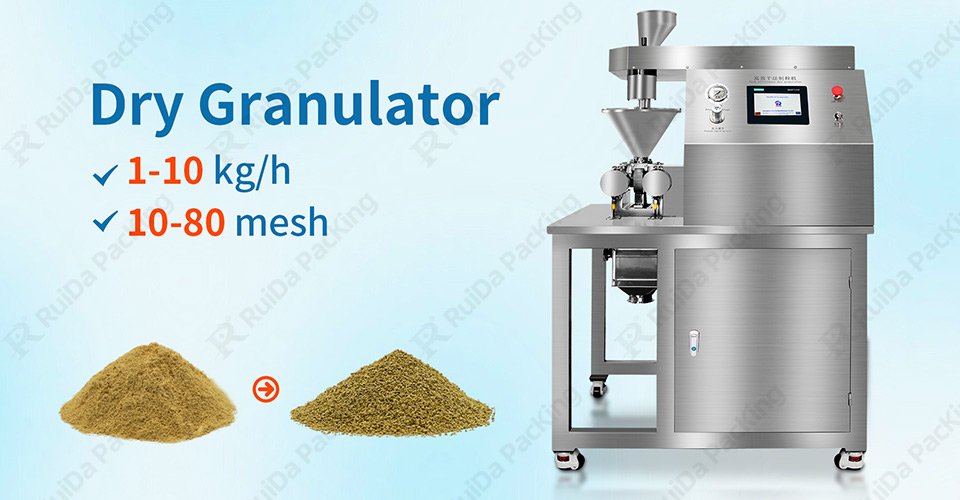
– التحبيب الجاف والتحبيب الرطب: طريقتا التحبيب هاتان هما العمليتان الأساسيتان لتحويل المواد المسحوقة إلى حبيبات. لا يتطلب التحبيب الجاف إضافة سوائل وهو مثالي للمواد الحساسة للرطوبة; يتضمن التحبيب الرطب إضافة السوائل والخلط لتكوين حبيبات, تليها التجفيف, وهو مناسب للمواد ذات اللزوجة العالية.
في الممارسة العملية, كل من التحبيب الجاف والرطب له إيجابياته وسلبياته. يجب عليك تحديد طريقة التحبيب المناسبة بناءً على خصائص المواد ومتطلبات الإنتاج الخاصة بأقراصك.
7. العلاقة بين القوالب وأشكال الأجهزة اللوحية
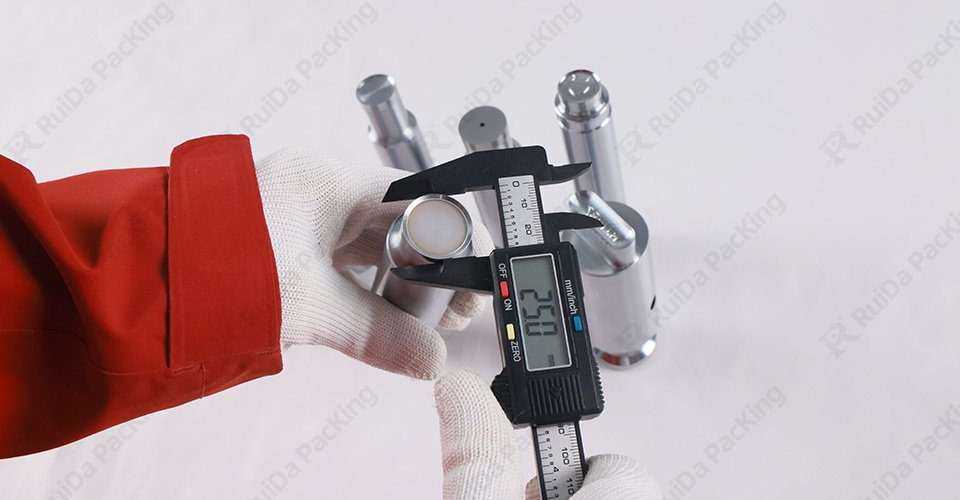
يعد القالب مكونًا مهمًا يحدد شكل الجهاز اللوحي وحجمه. في آلة ضغط الأقراص, يتكون القالب من لكمتين (العلوي والسفلي) وتجويف القالب في المنتصف. يمكنك اختيار أشكال وأحجام مختلفة للقالب اعتمادًا على الخصائص والاستخدام المقصود للدواء.
– أشكال التابلت: أشكال مختلفة مثل المستديرة, بيضاوي, الثلاثي, وتتوفر نماذج مخصصة أخرى. لا تؤثر الأشكال المختلفة على مظهر الدواء فحسب، بل تؤثر أيضًا على سهولة تناوله للمريض.
– حجم الجهاز اللوحي ووزنه: يتم تحديد قطر وسمك القرص حسب حجم القالب, بينما تؤثر جرعة الدواء وكثافة المادة على وزن القرص. وذلك باختيار القالب المناسب, يمكنك التحكم في حجم الجهاز اللوحي ووزنه لضمان الامتثال للوائح الصيدلانية.
خاتمة
باعتبارها قطعة أساسية من المعدات في صناعة الأدوية, تلعب آلة ضغط الأقراص دورًا حيويًا في تحديد جودة الأقراص المنتجة. يعد فهم مبادئ عمل الماكينة ومكوناتها أمرًا ضروريًا لتحسين عمليات الإنتاج وضمان الاتساق والجودة العالية لكل جهاز لوحي. سواء اخترت النوع المناسب من الضغط على الجهاز اللوحي أو التحكم في المعلمات الرئيسية, إن إتقان هذه الجوانب التقنية سيمكنك من تحقيق إنتاج أكثر كفاءة.